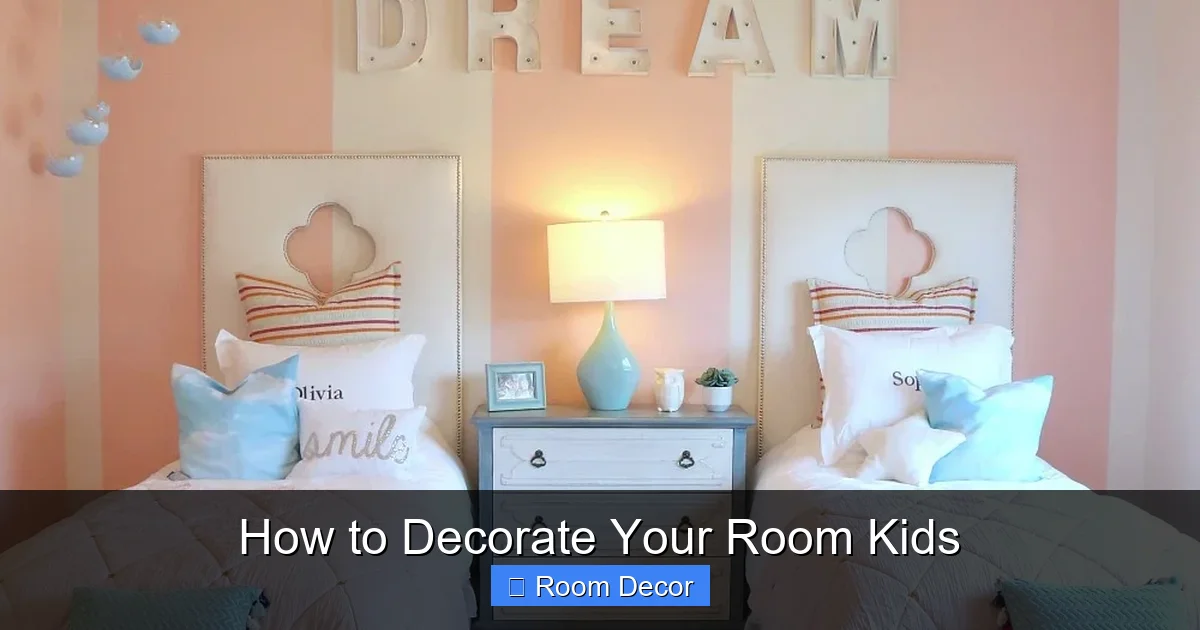
Ready to create a magical space for your little ones? This guide breaks down how to decorate your kid’s room with practical tips and budget-friendly ideas. From choosing themes to adding personal touches, learn how to design a room that’s both stylish and functional, fostering creativity and comfort.
How to Decorate Your Room Kids
Decorating a child’s room is a fantastic opportunity to create a space that sparks imagination, fosters creativity, and provides a cozy retreat. It’s more than just picking out pretty colors; it’s about designing an environment that grows with your child, supports their activities, and reflects their personality. Whether you’re tackling a nursery, a toddler’s room, or a space for a growing pre-teen, this guide will walk you through every step of decorating your kids’ room. We’ll cover everything from understanding your child’s needs to choosing the perfect furniture and adding those special, personalized touches.
Key Takeaways
- Involve Your Child: Let kids participate in the decorating process to foster ownership and excitement.
- Choose a Theme Wisely: Select themes that are adaptable as your child grows or focus on timeless elements.
- Prioritize Functionality: Ensure the room has ample storage, a comfortable sleeping area, and a dedicated space for play and study.
- Embrace Color: Use a vibrant color palette to stimulate imagination, but balance it with neutral tones for longevity.
- Smart Storage Solutions: Maximize space with creative storage like under-bed bins, wall shelves, and modular furniture.
- Personalize with Art and Decor: Showcase your child’s artwork, photos, and favorite toys to make the room uniquely theirs.
- Safety First: Always consider childproofing measures and use non-toxic materials in your decorating choices.
Step 1: Understand Your Child’s Needs and Preferences
The most crucial first step in decorating your kids’ room is to involve your child. Their room should be a reflection of them! Ask about their favorite colors, characters, hobbies, and what kind of activities they love doing in their room. Do they love reading? Do they enjoy building elaborate Lego castles? Do they dream of outer space adventures? Their input will guide your decisions and make the decorating process a fun, shared experience.
Talk to Them
Sit down with your child and have an open conversation. Show them some pictures from magazines or online for inspiration. Ask them what they like and what they don’t like. Even very young children can express preferences for certain colors or characters. For older kids, this is an excellent opportunity to teach them about design and compromise.
Consider Their Age and Stage
A room that works for a toddler won’t necessarily work for a teenager. Think about the developmental stage of your child. Toddlers need safe, accessible spaces for play. School-aged children need areas for homework and quiet reading. Teenagers might want a more grown-up feel with space for socializing or displaying their collections.
Think About Functionality
Beyond aesthetics, consider how the room will be used. Does it need to accommodate sleepovers? Is there enough space for toys and books? Will it need to transition into a study area as they get older? Planning for these needs now will save you headaches later.
Step 2: Choose a Theme or Color Palette
Once you have a good understanding of your child’s preferences, it’s time to brainstorm a theme or a core color palette. Themes can be broad or specific, and they don’t have to be overwhelming. Sometimes, a simple color scheme can be just as impactful.
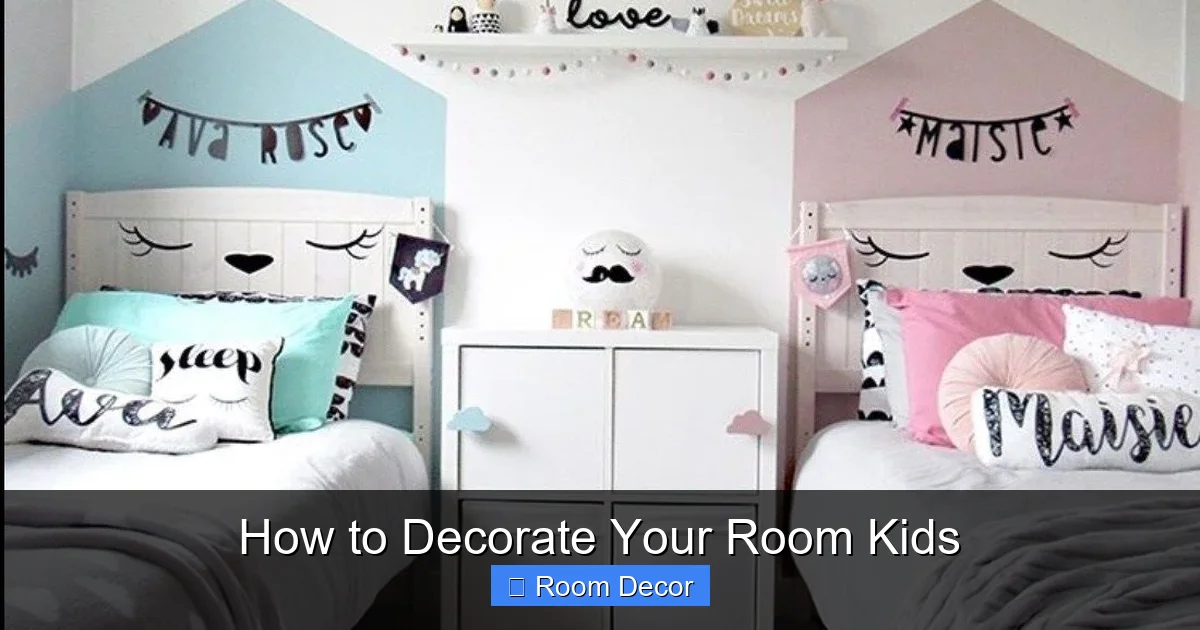
Visual guide about How to Decorate Your Room Kids
Image source: i.pinimg.com
Theme Ideas
- Nature/Adventure: Forests, oceans, space, jungles, camping.
- Fantasy: Castles, fairies, superheroes, magical creatures.
- Hobbies: Sports, music, art, science, dinosaurs.
- Abstract/Geometric: Bold patterns, shapes, and colors.
If a full-blown theme feels too limiting, focus on a color palette. You can use a base of neutral colors and then add pops of their favorite hues through accessories, bedding, and artwork. This approach offers more flexibility as your child’s tastes evolve.
Color Psychology for Kids’ Rooms
Colors can influence mood and behavior.
- Blue: Calming and serene, good for sleep.
- Green: Peaceful and refreshing, promotes balance.
- Yellow: Cheerful and energetic, encourages creativity.
- Red: Exciting and stimulating, use in moderation or as accents.
- Orange: Warm and friendly, can boost enthusiasm.
- Purple: Creative and imaginative.
Consider using a dominant color that your child loves and then layering in complementary or contrasting colors through accents. Don’t be afraid to mix and match, but try to establish a cohesive look.
Step 3: Plan the Layout and Furniture
The layout of a child’s room is crucial for both functionality and flow. Think about how furniture will be placed to maximize space and create distinct zones for sleeping, playing, and studying.
Bed Placement
The bed is the centerpiece of the room. Position it where it’s easy to access and ideally not directly facing the door. If space is limited, consider a loft bed to free up floor space below for a desk or play area. Bunk beds are excellent for siblings sharing a room.
Storage Solutions
Storage is paramount in a kid’s room. Clutter can lead to chaos.
- Built-in Shelving: Utilizes wall space efficiently.
- Under-bed Storage: Perfect for toys, extra bedding, or seasonal clothes.
- Cube Storage Units: Versatile for books, bins, and display items.
- Toy Chests/Benches: Doubles as seating and storage.
- Wall-mounted Organizers: Great for smaller items like art supplies or hair accessories.
Desk or Activity Area
As children grow, they’ll need a dedicated space for homework, drawing, or crafting. A small desk with good lighting is essential. If space is tight, a fold-down desk or a section of a bookshelf can serve the purpose.
Play Area
Designate a clear zone for play. This could be a rug on the floor, a corner with shelves for toys, or even a play tent. Ensure there’s enough open space for them to spread out their toys and activities.
Step 4: Walls and Flooring
The walls and floor set the foundation for the room’s overall look and feel.
Visual guide about How to Decorate Your Room Kids
Image source: pitterpatterofbabyfeet.com
Wall Treatments
Paint is the most common and versatile option. You can opt for a single color, a two-tone effect, or even a bold accent wall.
- Wallpaper: Offers endless patterns and textures. Consider removable wallpaper for easy changes.
- Wall Decals: A less permanent way to add fun graphics and characters.
- Murals: Can create a stunning focal point, from whimsical landscapes to detailed cityscapes.
For very young children, consider low-VOC or zero-VOC paints for a healthier environment. When painting, use painter’s tape to create clean lines and protect areas you don’t want painted. Allow ample drying time, especially if you plan to hang things on the walls soon after.
Flooring Considerations
Flooring should be comfortable, durable, and easy to clean.
- Carpet: Soft and warm, but can trap allergens and stains.
- Hardwood/Laminate: Durable and easy to clean, but can be hard and cold. Add area rugs for comfort.
- Vinyl/Linoleum: Budget-friendly, durable, and water-resistant.
Area rugs can add color, texture, and warmth to hard flooring. They also define play areas and provide a softer surface for sitting and playing. Choose rugs that are easy to clean or are machine washable.
Step 5: Lighting Matters
Good lighting can transform a room. You’ll want to layer your lighting to create different moods and ensure functionality.
Ambient Lighting
This is the general illumination for the room, usually from a ceiling fixture. Consider a dimmer switch so you can adjust the brightness. For kids’ rooms, fun pendant lights or character-themed lamps can be a great addition.
Task Lighting
This is focused light for specific activities like reading or homework. A desk lamp is essential. For beds, consider a bedside lamp or a wall-mounted reading light.
Accent Lighting
This is used to highlight specific features, such as artwork, a favorite shelf, or a decorative element. String lights or small LED spotlights can add a touch of magic.
Night Lights
A must-have for younger children to ease fears of the dark and help them navigate the room safely at night. Opt for soft, warm-toned night lights.
Step 6: Furnishings and Decor
This is where you bring your theme and color palette to life! Choose furniture that is appropriately sized for your child and durable enough to withstand active play.
Bedding
Bedding is an easy and impactful way to introduce color and theme. Choose sheets, duvet covers, and pillows that your child loves. Don’t be afraid to mix patterns and textures for a more dynamic look.
Curtains and Blinds
These add privacy, control light, and contribute to the overall style. Blackout curtains can be beneficial for creating a darker sleep environment. Consider playful patterns or colors that tie into your theme.
Rugs
As mentioned, rugs add comfort, warmth, and define spaces. Look for durable, washable options. Fun shapes, bright colors, or patterns related to the theme can elevate the room.
Artwork and Decorations
This is your chance to personalize the space.
- Your Child’s Art: Frame their masterpieces or create a gallery wall.
- Posters and Prints: Choose art that reflects their interests.
- Photos: Display cherished family photos.
- Wall Decals: Add whimsical touches like stars, animals, or favorite characters.
- Shelving Displays: Use shelves to showcase toys, collections, or decorative items.
- Stuffed Animals and Toys: Integrate favorite plush toys as decorative elements.
Comfort Items
Don’t forget soft throws, cozy cushions, and bean bags to make the room extra inviting and comfortable.
Step 7: Safety First!
When decorating a kids’ room, safety should always be your top priority. Children are curious and energetic, and their environment needs to be secure.
Furniture Safety
Ensure all furniture is stable and not prone to tipping. Anchor heavy items like bookshelves and dressers to the wall. Check for sharp edges and cover them if necessary.
Cord Management
Keep electrical cords tidy and out of reach to prevent tripping hazards or strangulation risks.
Window Treatments
Opt for cordless blinds or curtains with safety tassels to avoid strangulation hazards. If using blinds with cords, ensure they are secured well out of reach.
Non-Toxic Materials
When choosing paint, furniture, and decor, look for products that are labeled as non-toxic or low-VOC.
Childproofing Outlets
Use outlet covers to protect children from electric shock.
Troubleshooting Common Decorating Challenges
Decorating can sometimes present unexpected hurdles. Here are a few common issues and how to tackle them:
Challenge: Small Room, Big Needs
Solution: Think vertically! Utilize wall space with shelves, wall-mounted storage, and loft beds. Choose furniture with multiple functions, like a storage ottoman or a bed with built-in drawers. Opt for lighter colors to make the room feel more spacious.
Challenge: Budget Constraints
Solution: Get creative! DIY projects are your friend. Paint can work wonders. Look for second-hand furniture and give it a facelift with paint or new hardware. Focus on key decorative elements like bedding and art, and keep other items simple. Consider swapping out items you already own.
Challenge: Child’s Tastes Change Rapidly
Solution: Focus on a neutral base and use accessories for personality. This means neutral walls, a simple bed frame, and perhaps a basic dresser. Then, inject personality with bedding, rugs, curtains, and wall art that can be easily swapped out as your child’s interests evolve.
Challenge: Making it Feel “Grown-Up” But Still Fun
Solution: Combine sophisticated elements with playful touches. For example, a navy blue wall can be paired with a starry night duvet cover and fun character cushions. Use a sleek desk but add colorful desk accessories. The balance is key.
Conclusion
Decorating your child’s room is a rewarding journey that allows you to create a personalized sanctuary for them. By involving your child, planning thoughtfully, and focusing on both aesthetics and functionality, you can design a space that they’ll love for years to come. Remember to prioritize safety, embrace their unique personality, and have fun with the process. The goal is to create a room that not only looks great but also inspires imagination, supports growth, and provides a comfortable haven for your child.