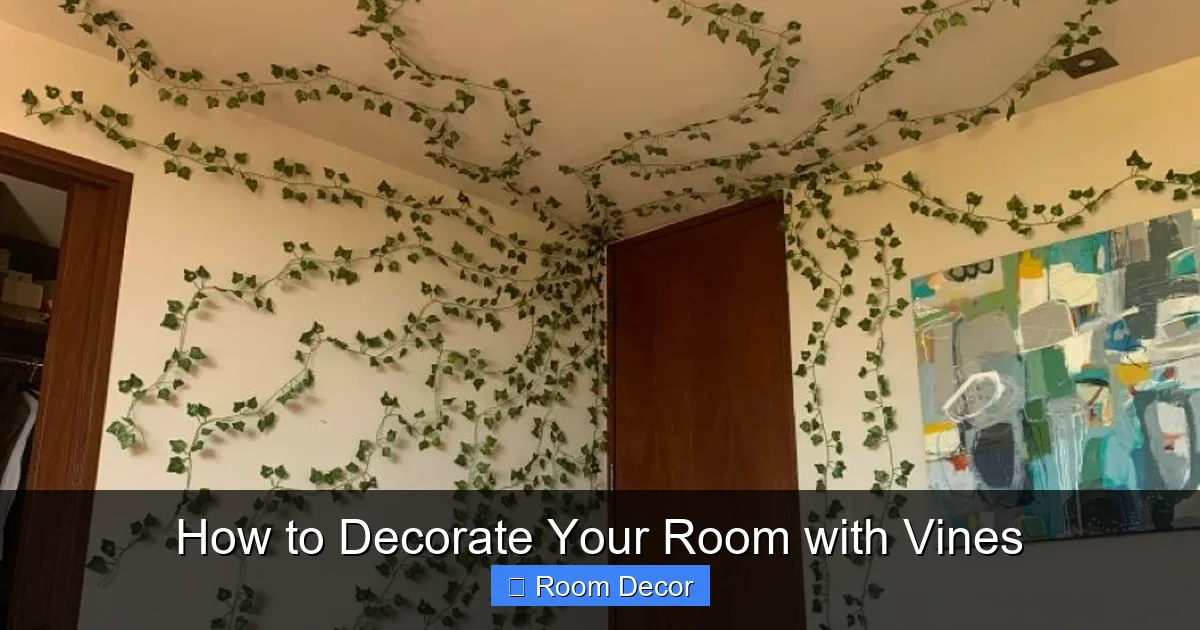
Bring the beauty of nature indoors and elevate your room’s aesthetic by decorating with vines. This comprehensive guide will walk you through everything you need to know, from selecting the perfect vine varieties for your space and light conditions to the best methods for training and styling them. Discover how to create a vibrant, green sanctuary that reflects your personal style and enhances your living environment.
Key Takeaways
- Choosing the Right Vines: Select indoor-friendly vine species like Pothos, Philodendron, or English Ivy, considering your room’s light levels and your desired growth habit.
- Providing Proper Support: Utilize a variety of methods such as trellises, command hooks, clips, or even furniture to guide and showcase your vines effectively.
- Understanding Light Needs: Match your chosen vine’s light requirements to the available light in your room to ensure healthy growth and vibrant foliage.
- Watering and Maintenance: Develop a consistent watering schedule based on the plant’s needs and your environment, and be prepared for occasional pruning.
- Creative Styling Techniques: Experiment with different arrangements, such as cascading down shelves, climbing walls, or weaving through existing decor, to achieve unique looks.
- Troubleshooting Common Issues: Address common problems like yellowing leaves, pests, or slow growth with practical solutions to keep your vines thriving.
How to Decorate Your Room with Vines
Are you looking to inject some natural beauty and a touch of bohemian charm into your living space? Decorating with vines is a fantastic way to do just that! Vines bring life, color, and a sense of tranquility to any room, transforming a simple space into a lush, green oasis. Whether you have a modern apartment, a cozy bedroom, or a spacious living room, there’s a vine and a styling method perfect for you. This guide will take you from choosing the right plants to mastering the art of vine decoration, ensuring your room becomes a vibrant sanctuary.
You’ll learn how to select the best vines for your environment, understand their care needs, and discover creative ways to integrate them into your decor. Get ready to embrace the green!
1. Choosing Your Green Companions: Selecting the Right Vines
The first and most crucial step is selecting the right vines. Not all vines are created equal, and choosing the wrong one can lead to disappointment. Consider these factors:
Light Requirements
This is paramount. Your room’s natural light will dictate which vines will thrive. Observe your room throughout the day. Does it get bright, indirect light? Is it mostly shady? Or does it receive direct sun for several hours?
- Low Light: If your room is on the shadier side, opt for plants like Pothos (Epipremnum aureum), Philodendron (heartleaf varieties), and ZZ Plants (Zamioculcas zamiifolia), which can tolerate lower light conditions. These are incredibly forgiving and perfect for beginners.
- Medium/Bright Indirect Light: Most common houseplants, including Spider Plants (Chlorophytum comosum), English Ivy (Hedera helix), and many varieties of Philodendron and Pothos, will flourish in bright, indirect light. This means light that is filtered through a sheer curtain or is not directly hitting the plant for extended periods.
- Bright Direct Light: If you have a sunny window that receives several hours of direct sunlight, some vines might still work, but be cautious. Many tropical vines can scorch in intense direct sun. You might consider succulents that trail, like String of Pearls (Senecio rowleyanus) or String of Hearts (Ceropegia woodii), which enjoy bright light.
Growth Habit and Size
Think about how you want your vine to grow. Do you want something that cascades dramatically, or something that climbs neatly up a wall? Consider the mature size of the plant, too. A small trailing vine can quickly become a statement piece.
- Cascading Vines: Pothos, Philodendron, Spider Plants, and String of Pearls are excellent for a cascading effect. They look stunning in hanging baskets or placed on high shelves, allowing their vines to trail downwards.
- Climbing Vines: English Ivy, Monstera Adansonii (Swiss Cheese Plant), and certain Philodendron varieties are natural climbers. They will seek out something to hold onto and grow upwards.
Maintenance Level
Be honest about how much time you’re willing to dedicate to plant care. Some vines are very low maintenance, while others require more attention.
- Beginner-Friendly: Pothos, Heartleaf Philodendron, and ZZ Plants are notoriously easy to care for. They can tolerate occasional neglect, making them ideal for busy individuals or those new to plant parenting.
- Moderate Care: English Ivy can be a bit more prone to pests and may need more consistent watering. Monstera Adansonii also appreciates a bit more humidity.
2. Providing the Perfect Support System
Once you have your chosen vines, you need to decide how they will grow. Support systems are key to directing their growth and making a visual impact.
Trellises and Plant Stakes
These are classic options for climbing vines. They provide structure and a surface for the plant to attach to.
- Types: Trellises come in various materials like wood, metal, and plastic, and in many shapes and sizes – from simple stakes to elaborate latticework. Plant stakes are usually smaller and inserted directly into the pot.
- Placement: Insert stakes directly into the soil of your potted vine. For trellises, you can either place them in the pot or secure them to the wall behind the plant for a more permanent climbing feature.
- Encouraging Growth: Gently guide the vine’s tendrils towards the support structure. As the plant grows, it will naturally start to attach itself. You may need to occasionally help it along by loosely tying stems to the support with plant ties or twine.
Command Hooks and Wall Clips
These are brilliant for training vines to grow along walls or ceilings without damaging paintwork. They are especially useful for cascading vines you want to direct.
- How-to: Clean the wall surface thoroughly before applying the adhesive. Stick the hooks or clips at regular intervals, planning the path you want your vine to follow.
- Best for: Pothos, Philodendrons, and English Ivy look fantastic when guided this way. You can create patterns, outline doorways, or simply have them trail along a picture rail.
- Tip: For heavier vines, consider using multiple hooks or clips, and ensure they are rated for the appropriate weight.
Hanging Baskets
The quintessential method for showcasing cascading vines. Hanging baskets allow the vines to trail freely, creating a lush, waterfall effect.
- Placement: Hang them from ceiling hooks, curtain rods, or wall-mounted brackets. Consider the height – you want them to be visible but not in the way.
- Vase Selection: Choose baskets that complement your room’s decor. Macrame hangers are popular for a bohemian look, while simple ceramic or metal baskets offer a more modern feel.
- Planting: Ensure the basket has adequate drainage. You can plant one vine or mix a few different trailing plants for a fuller look.
Weaving Through Furniture and Decor
This is a more organic and integrated approach. Let your vines naturally weave their way around shelves, bookshelves, headboards, or even mirrors.
- Method: Place a potted vine on or near the furniture you want it to interact with. Gently guide the tendrils to wrap around legs, spill over edges, or drape across surfaces.
- Safety First: Ensure the vine isn’t obstructing essential functions of the furniture or creating a tripping hazard. Also, be mindful of electrical cords!
- Aesthetic: This method creates a sense of established growth and can soften the lines of furniture, making the room feel more lived-in and cozy.
3. Styling Your Vines for Maximum Impact
How you arrange and style your vines can dramatically affect your room’s aesthetic. Get creative!
The Cascading Waterfall
This is perhaps the most popular way to decorate with vines. Place a potted plant on a high shelf, windowsill, or in a hanging basket and let its vines cascade down.
- Achieving the Look: Use plants with long, trailing vines like Pothos, Philodendron, or String of Pearls. For a fuller look, start with a well-established plant or combine a few smaller ones.
- Placement Ideas: Above a bookshelf, on top of a wardrobe, or in a corner of the ceiling. The longer the vines grow, the more dramatic the effect.
- Tip: Periodically rotate your plant to ensure even growth and prevent it from becoming lopsided.
The Living Wall Art
Transform a blank wall into a vibrant, green masterpiece. This can be achieved with climbing vines and a support system.
- Method: Use a trellis secured to the wall, or strategically placed command hooks to guide the vines upwards and outwards in a desired pattern.
- Plant Choices: English Ivy, Monstera Adansonii, and climbing Philodendrons are excellent for this.
- Maintenance: This requires more commitment, as you’ll need to prune and guide the plant regularly to maintain the desired shape. It’s like having living wallpaper!
The Shelf Enhancer
Let your vines spill over the edges of shelves, softening the look of your bookshelves or display units.
- How-to: Place a potted vine on a shelf and allow its vines to drape down the front or sides. You can even have vines weave between books or decorative items.
- Vines that Shine: Pothos and Philodendrons are perfect for this. Their trailing nature adds a beautiful organic touch.
- Don’t Forget: Ensure the pot has a drip tray to protect your shelves from moisture.
The Furniture Weaver
Allow your vines to organically intertwine with your furniture. This creates a seamless blend between nature and your living space.
- Examples: Guide a vine to wrap around the leg of a side table, trail over the back of a sofa, or climb up a headboard.
- Plant Choice: Flexible vines like Pothos and Philodendrons are best for gently wrapping and weaving.
- Consideration: Be mindful of the furniture material. Avoid wrapping vines too tightly around delicate surfaces.
The Room Divider Greenery
Use vines to create a sense of separation and add a biophilic element to an open-plan space.
- Setup: You can achieve this using a tall plant stand with a climbing vine, a freestanding trellis, or by strategically placing multiple potted vines.
- Effect: It creates a visually appealing screen that still allows light to pass through, defining different zones without making the room feel closed off.
- Plant Recommendation: Taller, more robust climbing plants work best here.
4. Essential Care for Thriving Vines
Decorating with vines isn’t just about aesthetics; it’s also about keeping them healthy and vibrant.
Watering Wisely
Overwatering is a common killer of houseplants, but so is underwatering. The key is to understand your specific plant’s needs and your environment.
- The Finger Test: Stick your finger about an inch or two into the soil. If it feels dry, it’s time to water. If it’s still moist, wait.
- Observe Your Plant: Wilting leaves can indicate thirst, while yellowing leaves can sometimes mean overwatering.
- Drainage is Key: Always ensure your pots have drainage holes. Standing water can lead to root rot.
- Watering Frequency: This varies greatly depending on the plant, pot size, temperature, humidity, and light. In general, vines might need watering every 1-3 weeks.
Light (Again!)
We’ve covered this in selection, but it’s worth reiterating. Ensure your vine is getting the appropriate amount of light. If a vine is stretching long and leggy with sparse leaves, it’s likely not getting enough light. If its leaves are turning brown or crispy, it might be getting too much direct sun.
Humidity
Many popular indoor vines are native to tropical environments, meaning they love humidity. Dry indoor air, especially in winter, can be a challenge.
- Increase Humidity: Group plants together (they create their own microclimate), place pots on pebble trays filled with water (ensure the pot isn’t sitting directly in water), or use a humidifier. Misting can offer a temporary boost but isn’t a long-term solution for most plants.
Fertilizing
Vines, like all living plants, need nutrients to grow. During the growing season (spring and summer), feed your vines with a balanced liquid houseplant fertilizer diluted to half strength, about once a month.
Pruning and Maintenance
Pruning is essential for managing the size and shape of your vines, encouraging bushier growth, and removing any dead or yellowing leaves.
- When to Prune: You can prune any time you see leggy growth or if the vine is getting too long or unruly.
- How to Prune: Use clean, sharp scissors or pruning shears. Cut back stems just above a leaf node (where a leaf attaches to the stem). New growth will emerge from this point.
- Propagating Cuttings: Many vine cuttings can be easily rooted in water or soil, allowing you to create more plants or share with friends!
5. Troubleshooting Common Vine Issues
Even with the best intentions, you might encounter some bumps along the road.
Yellowing Leaves
Cause: Often due to overwatering, but can also be caused by underwatering, poor drainage, or nutrient deficiencies.
Solution: Check your watering habits. Ensure good drainage. If the soil is consistently wet, let it dry out. If it’s dry, water more consistently. Consider fertilizing if other factors seem fine.
Brown, Crispy Leaf Tips
Cause: Typically a sign of low humidity or inconsistent watering. Can also be from direct sunlight or mineral buildup from tap water.
Solution: Increase humidity. Ensure consistent watering. Move the plant away from direct sunlight. Consider using filtered or distilled water if your tap water is heavily chlorinated or has a lot of minerals.
Pests (Spider Mites, Mealybugs, Aphids)
Cause: Pests can hitchhike on new plants or find their way in from outdoors. They feed on the plant’s sap.
Solution: Isolate the affected plant immediately to prevent spreading. Wipe leaves with a damp cloth to remove visible pests. For persistent infestations, use an insecticidal soap or neem oil, following product instructions carefully. Regularly inspect your plants to catch issues early.
Leggy Growth (Long stems with sparse leaves)
Cause: Insufficient light. The plant is stretching to reach more light.
Solution: Move your vine to a brighter location. If you can’t provide more natural light, consider a grow light. Pruning leggy stems can also encourage bushier growth from the base.
Conclusion: Embrace Your Inner Green Thumb
Decorating your room with vines is a rewarding and beautiful way to enhance your living space. It brings a touch of the natural world indoors, creating a calming and aesthetically pleasing environment. By carefully selecting your plants, providing them with the right support and care, and styling them creatively, you can transform any room into a vibrant, personal oasis. Don’t be afraid to experiment and have fun with it. Your green companions will not only beautify your room but also bring a sense of accomplishment and well-being. So go ahead, get planting, and let your room flourish!