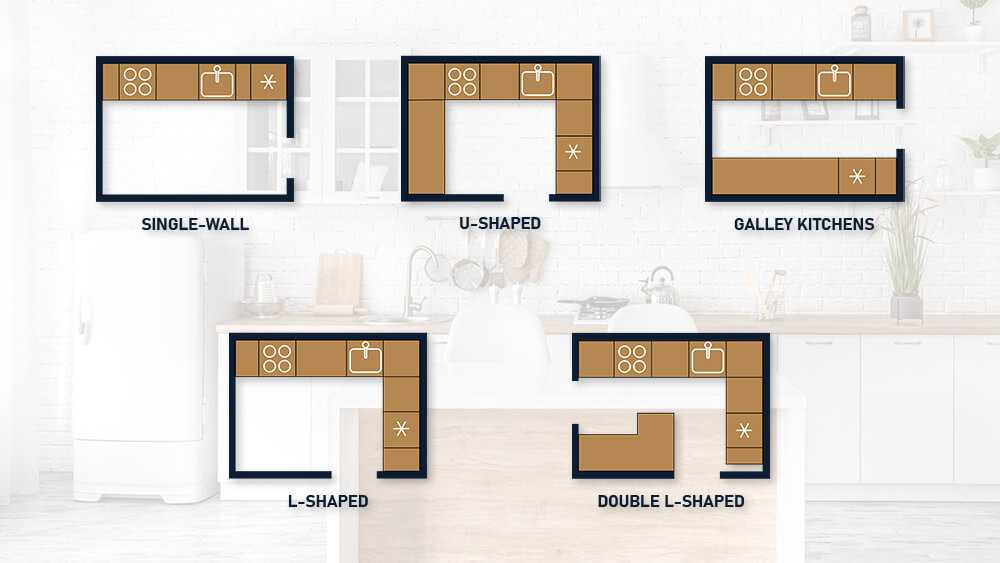
Designing a functional kitchen layout is all about creating a space that works seamlessly for cooking, cleaning, and socializing. The key is to optimize the flow between the main work zones—prep, cooking, and cleanup—so everything you need is within easy reach. A well-planned kitchen not only saves time but also makes your daily tasks more enjoyable. To achieve this, consider the classic work triangle, storage options, and layout styles that match your needs and space. With some thoughtful planning, you can turn your kitchen into a practical yet stylish hub for your home. If you want your kitchen to be both efficient and inviting, focusing on layout fundamentals is essential, ensuring every inch serves a purpose without clutter or confusion.
A functional kitchen layout is designed around the workflow, connecting key zones like prep, cooking, and cleaning in an intuitive way. It prioritizes easy movement and accessible storage, making daily routines smoother. By choosing the right layout style and considering your space and habits, you can create a kitchen that is both practical and inviting, perfect for any home chef or family gathering.

How to design a functional kitchen layout
Creating a kitchen that works well involves careful planning. A good layout makes cooking easier and improves overall enjoyment. To do this, you need to understand the main principles of efficient kitchen design and how to apply them to your space.
Understanding the principles of a good kitchen layout
A functional kitchen should prioritize **usability**, **flow**, and **organization**. These elements ensure that everything you need is within reach and that you can move smoothly from one task to another.
Understanding the **kitchen work triangle** is essential. This concept connects the three main work areas: the refrigerator, the stove, and the sink. Keeping these points close but not crowded creates an efficient workspace.
Planning your kitchen space
Measure your kitchen carefully before you start designing. Use a tape measure to record the dimensions of your room, including any windows, doors, and existing fixtures.
Draw a detailed floor plan, either on paper or with kitchen design software. Mark fixed elements and consider potential placement of cabinets and appliances.
Implementing the work triangle concept
The ideal distance between the refrigerator, stove, and sink is between 4 and 9 feet. This distance minimizes unnecessary walking while cooking.
A balanced work triangle prevents congestion and provides enough space for multiple users. Avoid placing these three elements in a straight line or in corners.
Choosing the right layout for your space
U-shaped layout
- Provides ample counter space
- Ideal for large kitchens and multiple cooks
- Ensures all work zones are close together
L-shaped layout
- Suitable for small to medium kitchens
- Creates a natural workflow with two walls
- Allows for an open, inviting look
Galley layout
- Best for narrow spaces
- Features two parallel counters
- Maximizes efficiency in compact areas
Island layout
- Provides extra workspace and storage
- Works well in large open kitchens
- Creates a natural gathering spot
Considerations for layout choice
Think about the size of your kitchen, how many people use it, and your cooking habits. Each layout has benefits and challenges that should align with your needs.
Optimizing storage solutions
Effective storage keeps counters clear and your kitchen organized. Use cabinets, drawers, shelves, and innovative solutions like pull-out racks.
Group similar items together, such as pots and pans or baking supplies. Use vertical space and install racks or hooks for frequently used utensils.
Designing an ergonomic workspace
Ensure that counters are at a comfortable height, typically between 36 and 42 inches. Place appliances within easy reach to minimize bending or stretching.
Use anti-fatigue mats in front of sinks and cooking areas for added comfort during long cooking sessions.
Lighting your kitchen effectively
Combine ambient, task, and accent lighting to brighten all corners. Under-cabinet lights enhance workspace visibility, while pendant fixtures add style.
Choose energy-efficient LED bulbs for durability and reduced energy costs.
Selecting appliances and fixtures
Pick appliances that match your cooking style and fit your space. Consider energy efficiency ratings to save on utility bills.
Make sure fixtures like faucets are easy to operate and add features such as pull-out sprayers for better flexibility.
Incorporating safety features
Keep sharp objects and hazardous materials out of children’s reach. Install slip-resistant flooring and proper ventilation to prevent accidents and odors.
Design clear pathways and avoid overcrowding to reduce the risk of trips and falls.
Adding finishing touches to your design
Choose colors and materials that reflect your style and create a warm, inviting space. Add decorative elements like backsplash tiles or stylish hardware.
Incorporate personal touches, such as open shelving for display or a breakfast nook, to make your kitchen uniquely yours.
Kitchen Design & Layout Tips: How to Create a Functional Kitchen – Interior Design
Frequently Asked Questions
What are the essential zones to consider when planning a kitchen layout?
When designing a kitchen, focus on creating distinct zones for cooking, cleaning, preparation, and storage. Position the stove, sink, and refrigerator in a triangular arrangement to make movement efficient. Ensure each zone has easy access to the others, reducing unnecessary steps and improving workflow. Incorporating sufficient counter space around these key areas further enhances functionality and convenience.
How can I optimize the available space in a small kitchen?
To maximize space in a small kitchen, utilize vertical storage options like wall-mounted shelves and cabinets. Choose compact appliances that fit seamlessly into the layout, and incorporate multi-functional furniture such as fold-away tables or extendable countertops. Keep the workspace clutter-free by using organizers and drawer dividers, which makes the kitchen feel more open and improves overall efficiency.
What considerations should I keep in mind for ensuring safety and comfort in my kitchen design?
Prioritize safety by positioning hot appliances away from high-traffic areas and ensuring proper lighting in all work zones. Use slip-resistant flooring and secure loose rugs to prevent accidents. Design the layout so that frequently used items are within easy reach, reducing strain during daily tasks. Adequate ventilation and easy access to fire extinguishers also contribute to a safer cooking environment.
How can I design a flexible kitchen layout that adapts to different needs?
Create a versatile layout by incorporating movable islands or carts that can be repositioned as needed. Use open shelving and modular storage systems that can be reconfigured for various uses. Planning for adjustable lighting and multi-purpose areas allows the kitchen to accommodate both everyday routines and special occasions comfortably. This approach ensures your kitchen remains practical and adaptable over time.
What role does lighting play in creating an efficient kitchen workspace?
Effective lighting improves visibility and reduces fatigue while working in the kitchen. Combine ambient lighting with task lights directly over work surfaces, ensuring bright and focused illumination. Use under-cabinet lighting to eliminate shadows and highlight preparation areas. Proper lighting enhances safety, boosts productivity, and creates a welcoming atmosphere for cooking and socializing.
Final Thoughts
Designing a functional kitchen layout requires careful planning and consideration of workflow, storage, and accessibility. Position key elements like the stove, sink, and fridge in a way that minimizes movement and maximizes efficiency. Use counter space wisely to create distinct zones for prep, cooking, and cleaning.
Choosing the right layout and ensuring each component is easily accessible makes daily tasks smoother. How to design a functional kitchen layout hinges on understanding your needs and organizing space accordingly. With thoughtful planning, your kitchen becomes a practical, inviting space for all culinary activities.