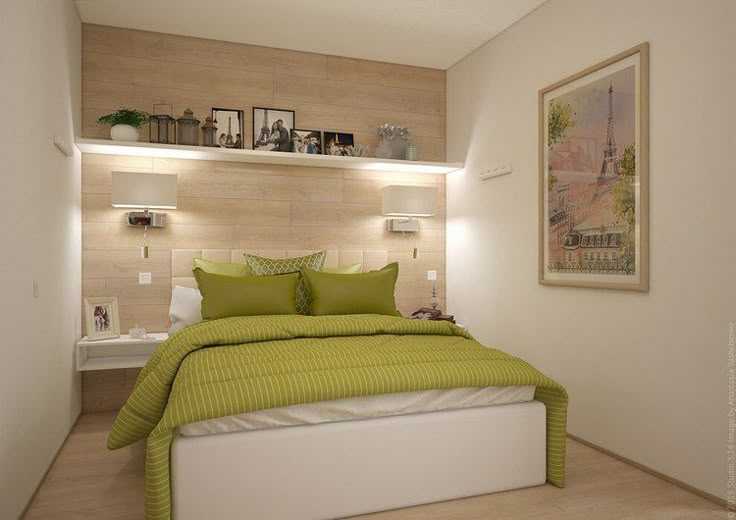
To brighten and style a small bedroom without windows, use clever lighting, light colors, and reflective surfaces to create a sense of space and airiness. Incorporate multi-functional furniture and strategic storage to maximize every inch, making the room feel larger and more inviting. Adding personal touches with artwork or textiles can also make the space feel cozy and welcoming.
A small bedroom without windows can be transformed into a bright, functional oasis with smart design choices. The key is to focus on lighting, color schemes, and layout to compensate for the absence of natural light. By choosing the right lighting fixtures, using light hues, and incorporating mirrors, you can make the room feel more spacious and comfortable. Thoughtful furniture placement and decor can turn a potentially gloomy space into a stylish retreat.

How to Design a Small Bedroom with No Windows
Creating a cozy, functional bedroom without windows can seem challenging, but with the right design choices, you can make the space inviting and comfortable. The key is to use tricks that mimic natural light, maximize space, and create a sense of openness. This guide offers practical tips to help you efficiently design a small bedroom with no windows.
Maximize Use of Artificial Lighting
Lighting plays a vital role in transforming a windowless room into an inviting space. Use a combination of different light sources to create depth and warmth. Overhead ceiling lights such as flush mounts or recessed lighting spread illumination evenly across the room. Add task lighting like table lamps or wall sconces next to the bed for convenience.
Choose the Right Bulbs and Fixtures
Select LED bulbs with a color temperature of 2700K to 3000K for a warm, cozy glow. Opt for fixtures that distribute light uniformly and avoid harsh shadows. Consider installing dimmer switches to adjust lighting based on mood and activity.
Create a Light Color Palette
Use light, neutral wall colors like soft whites, light grays, or pastel shades. Light colors reflect artificial light better, making the space appear larger and brighter. Incorporate reflective surfaces such as mirrors and glossy furniture to enhance the light distribution.
Use Mirrors Strategically
Mirrors have the power to make small, windowless rooms seem more expansive. Placing a large mirror opposite the door or on the main wall creates a sense of depth and openness.
Choose Full-Length or Larger Mirrors
A sizable mirror not only provides functionality but also reflects light. Mount it on a wall without clutter to keep the space feeling clean and uncluttered.
Incorporate Decorative Mirrors
Decorative mirrors with interesting frames add aesthetic appeal while boosting room brightness. Use multiple smaller mirrors arranged artfully for a unique look.
Opt for Light and Neutral Colors
Color choice can dramatically influence how spacious and bright your bedroom feels. Lighter shades tend to open up small rooms and create an airy atmosphere.
Paint Walls and Ceilings in Soft Tones
Stick to colors like beige, ivory, pale blue, or mint green. These shades reflect light and prevent the room from feeling cramped or dark.
Choose Light-Colored Furniture and Bedding
Select furniture in light wood or painted finishes. Keep bedding and accessories in soft, neutral shades to maintain a light and fresh look.
Incorporate Clever Storage Solutions
Clutter can make a small room feel cramped, especially without natural light. Use smart storage options to maximize space and maintain a tidy environment.
Utilize Under-Bed Storage
Use storage bins or drawers under the bed for shoes, clothes, or linens. Opt for beds with built-in drawers or storage compartments to save space.
Invest in Vertical Storage
Install shelves or wall-mounted cabinets to keep items off the floor. Use hooks or pegboards for accessories, bags, or clothing.
Choose Multi-Functional Furniture
Furniture that serves multiple purposes, like a bed with drawers or a fold-out desk, helps free up space for other uses.
Create a Sense of Openness with Smart Layout
How you arrange furniture impacts the room’s perceived space. Aim for a layout that feels open and accessible.
Position the Bed Tactically
Place the bed against the longest wall or under the highest part of the ceiling. Keep walking pathways clear and avoid blocking doors or windows (if you add lighting fixtures).
Use Minimalist Furniture
Select sleek, simple designs that don’t overwhelm the room. Avoid bulky furniture and choose pieces that are proportionate to the space.
Leave Space for Movement
Ensure there is enough room for walking comfortably. Avoid overcrowding the space with too many furniture pieces.
Implement Visual Space Enhancers
Small tricks can make your bedroom look larger and more inviting, even without windows.
Use Light-Colored and Transparent Curtains
If you add any window-like features or partitions, go for sheer or light fabrics to avoid closing in the space.
Add a Focal Point
Choose a statement piece like a colorful headboard, artwork, or a textured wall to draw the eye and add personality.
Employ Vertical Lines and Patterns
Vertical stripes or patterns on wallpaper or bedding can give the illusion of height, making the room seem larger.
Focus on Comfort and Functionality
Designing a windowless room means prioritizing comfort and utility. Every element should enhance usability.
Comfortable Bedding and Textiles
Use plush, soft bedding and cushions to create a cozy environment. Layer textures and fabrics for added comfort.
Control Temperature and Ventilation
Ensure good airflow with air purifiers, fans, or an HVAC system. Use rugs and curtains to insulate and manage temperature.
Incorporate Personal Touches
Add artwork, photos, or plants to make the space feel personalized. Though natural light isn’t available, these elements add warmth and character.
Additional Tips for a Bright and Spacious Feel
Several extra ideas can improve your bedroom’s ambiance and storage.
- Use floating shelves to keep the floor clear
- Implement smart lighting with color-changing options
- Add a pop of color with accessories to create focus points
- Ensure proper airflow with ventilation systems or air purifiers
- Choose a simple, clutter-free design for a calming environment
Incorporating these strategies allows you to craft a small bedroom with no windows that feels bright, open, and personalized. Focus on lighting, color, and layout to cleverly enhance your space and enjoy a cozy retreat every day.
Frequently Asked Questions
What are some effective lighting strategies for a windowless small bedroom?
To enhance brightness in a windowless space, use layered lighting with a combination of ceiling lights, wall-mounted fixtures, and bedside lamps. Opt for LED bulbs that emit a warm, natural glow. Incorporate light-colored paint on walls and choose reflective surfaces to bounce light around the room. Avoid dark or heavy window coverings, and consider adding a mirror to amplify the sense of space and light.
How can color choices influence the feel of a small bedroom without windows?
Select light and neutral tones such as whites, creams, or pastels to make the room appear larger and more open. These colors reflect light better and create an airy atmosphere. Introduce pops of color through accessories like bedding, artwork, or cushions to add personality without overwhelming the space. Avoid dark shades that can make the room feel confined.
What storage options work best in a small, windowless bedroom?
Maximize space by choosing multi-functional furniture, such as beds with built-in drawers or storage ottomans. Use vertical space with wall-mounted shelves and hooks to keep surfaces clear. Opt for compact furniture pieces that do not crowd the room. Keep clutter minimal to maintain an open and organized environment, which can make the space feel more inviting.
How can I create a sense of visual height in a small, windowless room?
Use tall furniture and vertical stripes or patterns on walls to draw the eye upward. Incorporate high-mounted shelves and elongated curtains to emphasize height. Paint the ceiling a slightly lighter shade than the walls to make it feel higher. Adding vertical artwork or tall indoor plants can further enhance the impression of spaciousness.
Are there specific design elements to consider for ventilation in a room without windows?
Ensure proper air circulation by installing an efficient exhaust fan or air purifier. Use mechanical ventilation systems if possible, and consider adding vents that connect to other parts of your home. Select breathable fabrics for bedding and curtains, and avoid overcrowding the room with furniture to facilitate airflow. Good ventilation improves comfort and air quality in a windowless space.
Final Thoughts
Designing a small bedroom with no windows requires strategic choices. Use light colors to make the space feel larger and brighter. Incorporate ample lighting, such as layered fixtures, to create warmth and depth. Choose multi-functional furniture to maximize limited space and keep the room organized. Prioritize good airflow with vents or fans to maintain comfort. By carefully selecting colors, lighting, and furniture, you can create a cozy, functional small bedroom with no windows.