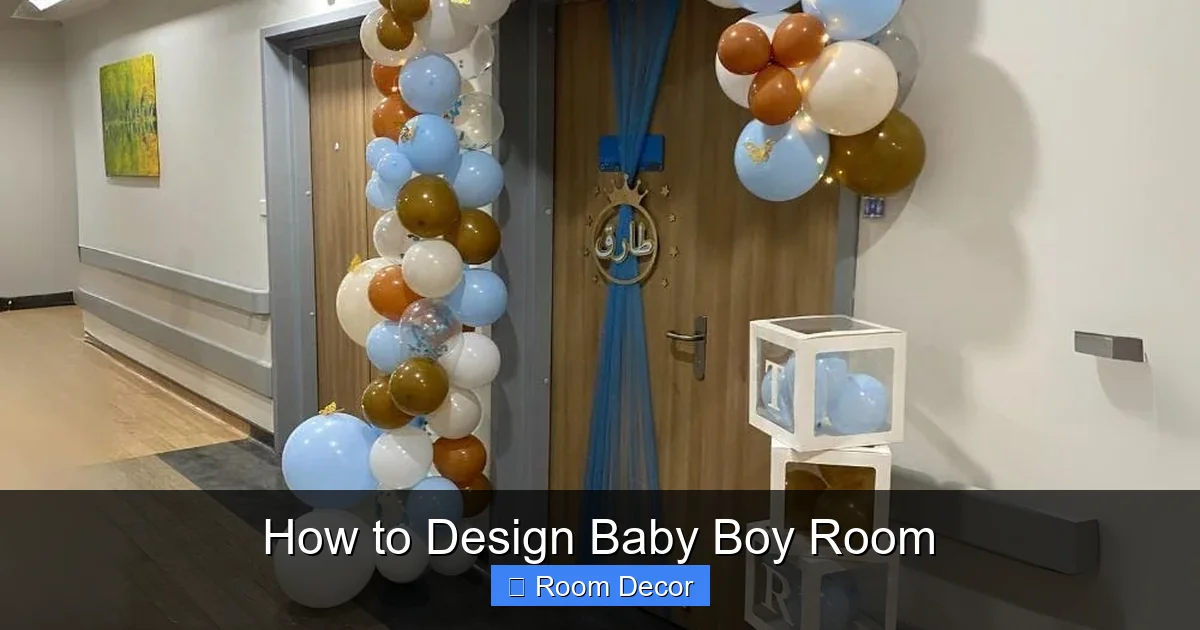
Designing a baby boy room can feel overwhelming, but it doesn’t have to be. This guide walks you through every step, from choosing a theme and colors to arranging furniture, adding storage, and decorating safely. You’ll learn how to design a baby boy room that is cute, practical, and easy to update as your child grows.
How to Design Baby Boy Room
Key Takeaways
- Point 1: Start by choosing a simple theme and color palette to guide every design decision for your baby boy room.
- Point 2: Focus on essential furniture first—crib, changing station, and storage—before adding decorative extras.
- Point 3: Safety is more important than style; secure furniture, choose non-toxic materials, and plan hazard-free layouts.
- Point 4: Use smart storage solutions to keep the baby boy room tidy, calm, and easy to clean.
- Point 5: Layer lighting, textiles, and wall decor to make the room feel cozy, playful, and soothing for sleep.
- Point 6: Design with growth in mind so the baby boy room can easily transition into a toddler and big-kid space.
- Point 7: You can design a beautiful baby boy room on any budget by mixing high- and low-cost items and using DIY touches.
Introduction: Why Planning Matters
When you learn how to design baby boy room, you are doing more than decorating. You are creating a safe, calming space for your baby and a practical room for yourself. A well-planned baby boy room makes late-night feedings, diaper changes, and playtime much easier.
This guide will show you how to design baby boy room step by step. You will choose a theme, pick colors, plan the layout, select furniture, and add decor. You will also learn how to keep the room safe, organized, and ready to grow with your child.
Step 1: Define Your Vision for the Baby Boy Room
Decide How You Want the Room to Feel
Before you buy anything, pause and picture the space. Do you want the baby boy room to feel calm and soft? Or bright and playful? When you know how you want the room to feel, it becomes easier to design a baby boy room that matches your style and your baby’s needs.
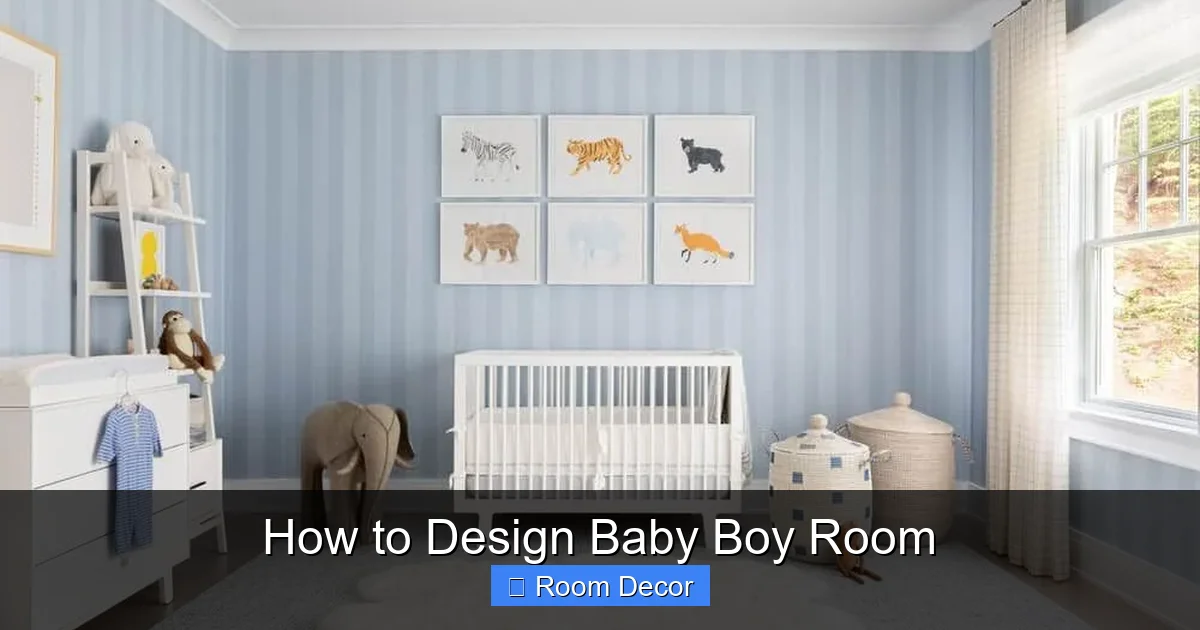
Visual guide about How to Design Baby Boy Room
Image source: i.pinimg.com
Ask yourself:
- Do I prefer soft neutrals or bold colors?
- Do I like modern, classic, or rustic style?
- Do I want the room to feel cozy, airy, or fun?
Choose a Simple Theme
You do not need a big, loud theme to design a baby boy room. A simple idea is enough to guide your choices. Pick one main theme and stick to it so the space feels calm, not cluttered.
Popular baby boy room themes include:
- Nature / Woodland: Trees, mountains, bears, foxes, and soft greens and browns.
- Adventure / Travel: Maps, hot air balloons, planes, and muted blues and tans.
- Ocean / Nautical: Whales, boats, anchors, and shades of blue and white.
- Minimalist / Scandinavian: Clean lines, simple shapes, and neutral colors with small pops of color.
- Classic Baby: Soft blues, whites, stars, and clouds.
When you know your theme, it becomes much easier to design baby boy room decor, wall art, and textiles that all work together.
Step 2: Plan the Color Palette
Pick 3–5 Main Colors
Color has a big impact when you design baby boy room spaces. A simple palette keeps the room calm and easy to style. Choose:
Visual guide about How to Design Baby Boy Room
Image source: i.fbcd.co
- 1–2 base colors (often white, cream, light gray, or beige)
- 1–2 accent colors (like soft blue, sage green, mustard, or navy)
- 1 dark or bold color for small touches (like navy, charcoal, or forest green)
For example, a soft ocean-themed baby boy room might use white and light gray as base colors, with pale blue and seafoam as accents, and navy for details.
Think About Mood and Sleep
When you design baby boy room color schemes, remember that this is also a sleep space. Soft, muted colors are better for naps and bedtime than very bright, neon tones. Blues, greens, and neutrals are calming and work well in a baby boy room.
If you love bold colors, use them in small ways—pillows, wall art, or toys—rather than on every wall.
Step 3: Measure and Map Out the Room
Measure the Space
To design baby boy room layouts that work, you need accurate measurements. Use a tape measure and write down:
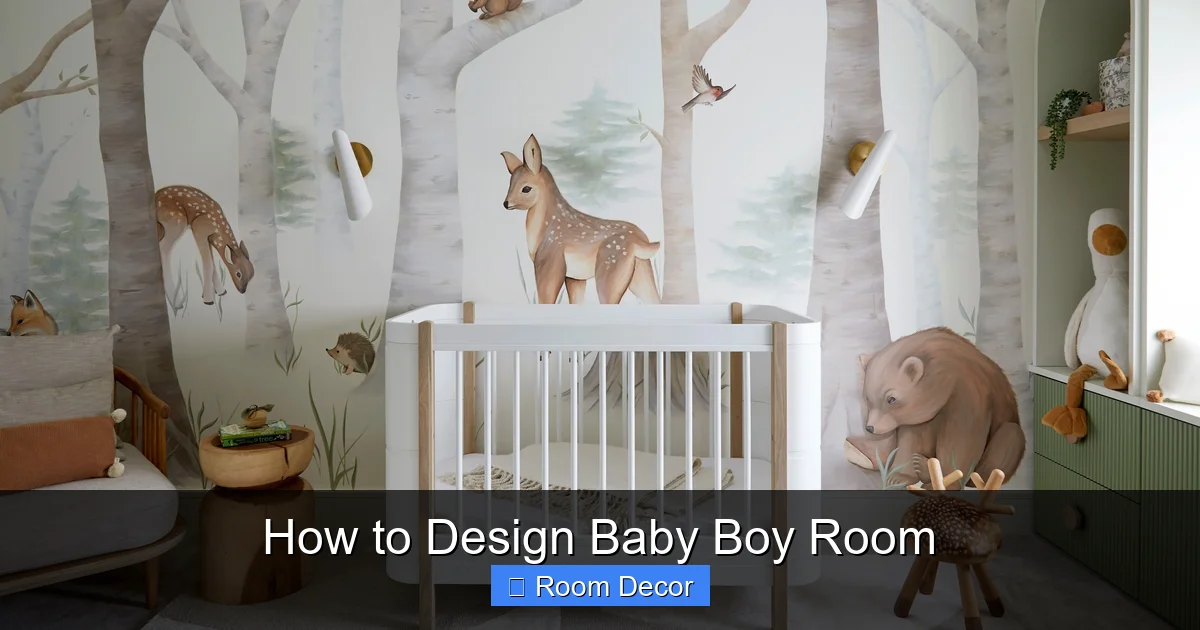
Visual guide about How to Design Baby Boy Room
Image source: cdn.mos.cms.futurecdn.net
- Room length and width
- Ceiling height
- Window sizes and locations
- Door swing direction
- Outlet and vent locations
Sketch the room on paper or use a simple room planner app. This helps you see where furniture will fit before you buy it.
Plan the Main Zones
When you design baby boy room layouts, think in zones. A small room can still work well if each area has a clear purpose. Plan for:
- Sleep zone: Crib and maybe a small nightstand.
- Changing zone: Changing table or dresser, diaper supplies, and a laundry hamper.
- Feeding / Comfort zone: Chair or glider, side table, and soft lighting.
- Storage zone: Closet, shelves, and bins for clothes and toys.
Try to keep the sleep zone calm and simple. Place the crib away from windows, heaters, and cords for safety.
Step 4: Choose Essential Furniture First
Select a Safe, Sturdy Crib
The crib is the heart of the baby boy room. When you design baby boy room furniture, always start here. Look for:
- Current safety standards and certifications
- Slats that are close enough to prevent the baby’s head from slipping through
- A firm, snug-fitting mattress
- No drop sides or loose pieces
Consider a convertible crib that can turn into a toddler or full-size bed later. This makes it easier to design baby boy room setups that grow with your child.
Pick a Changing Station
You can use a dedicated changing table or a dresser with a changing pad on top. Many parents choose a dresser because it lasts longer. When you design baby boy room changing areas, make sure:
- The surface is at a comfortable height for you
- There is a safety strap on the changing pad
- You have storage nearby for diapers, wipes, creams, and extra clothes
Add a Comfortable Chair or Glider
Night feedings and rocking will be much easier with a good chair. When you design baby boy room seating, test for comfort and support. Look for:
- Armrests at a good height for holding a baby
- A back that supports your neck and shoulders
- Easy-to-clean fabric
Place a small side table next to the chair for water, burp cloths, and your phone or a book.
Include Storage Furniture
Babies come with many small items. When you design baby boy room storage, think vertical and hidden. Useful pieces include:
- A dresser for clothes and linens
- Wall shelves for books and decor
- Cubbies or a bookshelf with bins for toys
- Under-crib storage boxes for extra diapers or blankets
Step 5: Focus on Safety in Every Detail
Secure Furniture and Cords
Safety is the most important part when you design baby boy room spaces. Take time to:
- Anchor dressers, shelves, and heavy furniture to the wall
- Keep the crib away from windows, blinds, and curtain cords
- Use outlet covers on all unused outlets
- Hide or secure lamp and monitor cords
Choose Non-Toxic and Baby-Safe Materials
When you design baby boy room materials, look for low-VOC paint, non-toxic finishes, and washable fabrics. Wash all bedding, curtains, and soft items before use. Avoid loose pillows, blankets, and stuffed animals in the crib for safe sleep.
Plan a Safe Sleep Area
The crib should be simple and clear. To design baby boy room sleep spaces that follow safe guidelines, use:
- A fitted sheet only on a firm mattress
- No bumpers, heavy quilts, or loose items
- A sleep sack instead of blankets
Step 6: Add Lighting Layers
Use Multiple Light Sources
Good lighting makes it easier to care for your baby at all hours. When you design baby boy room lighting, think in layers:
- Overhead light: For general brightness when cleaning or organizing.
- Task light: A lamp near the changing area.
- Soft night light: For nighttime feedings and diaper changes.
Choose Soft, Warm Light
Bright white light can feel harsh. To design baby boy room lighting that is soothing, pick warm bulbs and lamps with shades that soften the glow. Use dimmers if possible so you can adjust the brightness at night.
Step 7: Dress the Walls and Windows
Paint, Wallpaper, or Wall Decals
Walls set the tone when you design baby boy room decor. You can:
- Paint all walls a soft neutral and add color with decor
- Create a single accent wall behind the crib
- Use removable wallpaper or decals for an easy, non-permanent theme
For example, a nature-themed baby boy room might have a soft green accent wall with tree decals or mountain shapes.
Choose Window Treatments
Good window coverings help control light and improve sleep. When you design baby boy room windows, consider:
- Blackout curtains or shades to darken the room for naps
- Cordless blinds for safety
- Washable fabrics in your chosen color palette
Step 8: Add Textiles for Comfort
Rugs, Curtains, and Bedding
Soft textiles make the baby boy room feel cozy. When you design baby boy room textiles, focus on comfort and easy cleaning. Include:
- A soft, low-pile rug for tummy time and play
- Machine-washable curtains
- Several fitted crib sheets and waterproof mattress protectors
- Throw pillows and a blanket for the chair (not the crib)
Stick to Your Color Palette
Use your chosen colors for rugs, curtains, and bedding. This helps you design baby boy room decor that looks pulled together. Mix patterns like stripes, stars, or small checks, but keep them simple so the room does not look too busy.
Step 9: Decorate with Meaningful Details
Choose Simple, Sweet Wall Art
When you design baby boy room wall decor, less is more. A few pieces are enough:
- Framed prints or posters that match your theme
- Baby’s name or initials in wooden or fabric letters
- Photos of family members or special places
Hang art securely and out of reach of the crib.
Use Toys and Books as Decor
Colorful toys and books can double as decor when you design baby boy room shelves. Arrange:
- Board books with cute covers on a picture ledge
- Stuffed animals in a basket or on a shelf (away from the crib)
- Wooden toys in open bins
This keeps the room playful without adding lots of extra items.
Add Personal Touches
Make the baby boy room feel special with personal details:
- A framed birth announcement or ultrasound photo
- A growth chart on the wall
- A handmade blanket or knit toy
These small things make the room feel warm and unique.
Step 10: Maximize Storage and Keep It Organized
Use Smart Storage Systems
Clutter builds fast in a baby boy room. When you design baby boy room storage, plan for easy access and quick cleanup. Try:
- Drawer dividers for tiny clothes and socks
- Labeled bins for diapers, wipes, and creams
- Hooks on the wall for towels, robes, or diaper bags
- Over-the-door organizers for extra supplies
Set Up Daily Routines
Design the baby boy room to match how you move through the day. Keep:
- Diapers, wipes, and creams at arm’s reach of the changing area
- Burp cloths and swaddles near the chair
- Sleepwear and extra sheets in the top dresser drawers
When you design baby boy room organization around your habits, the space stays tidy with less effort.
Step 11: Design for Growth and Flexibility
Think Beyond the First Year
Babies grow quickly. When you design baby boy room layouts, plan for change. Choose:
- A crib that converts to a toddler bed
- A neutral dresser that works for older kids too
- Wall decor that can be swapped easily
Use Flexible Decor
Instead of painting large cartoon characters, use removable decals and art that you can update. This makes it simple to redesign the baby boy room into a toddler or big-kid room later without starting from scratch.
Troubleshooting: Common Baby Boy Room Design Challenges
Small Room or Limited Space
To design baby boy room spaces that are small, use vertical storage and multi-purpose furniture. Try a dresser with a changing pad on top, shelves above the dresser, and under-crib storage. Keep decor simple so the room does not feel crowded.
Low Budget
You can still design baby boy room decor on a tight budget. Focus on essentials first: crib, mattress, safe bedding, and storage. Then add low-cost touches like DIY art, second-hand furniture (checked for safety), and simple shelves.
Shared Room or Multi-Use Space
Sometimes you must design baby boy room areas inside a shared bedroom or living space. Use rugs to define the baby zone, choose a compact crib, and add storage that blends with the rest of the room. Keep the color palette neutral so the space feels unified.
Conclusion: Bringing It All Together
Learning how to design baby boy room spaces is about balancing beauty, comfort, and safety. Start with a clear vision, a simple theme, and a calm color palette. Plan the layout, choose safe furniture, and add storage that fits your daily routine.
Then layer in lighting, textiles, and meaningful decor to make the room feel warm and personal. When you design baby boy room setups with growth and flexibility in mind, you create a space your child can enjoy for years, not just months. Take it step by step, and let the room grow with your baby and your family.