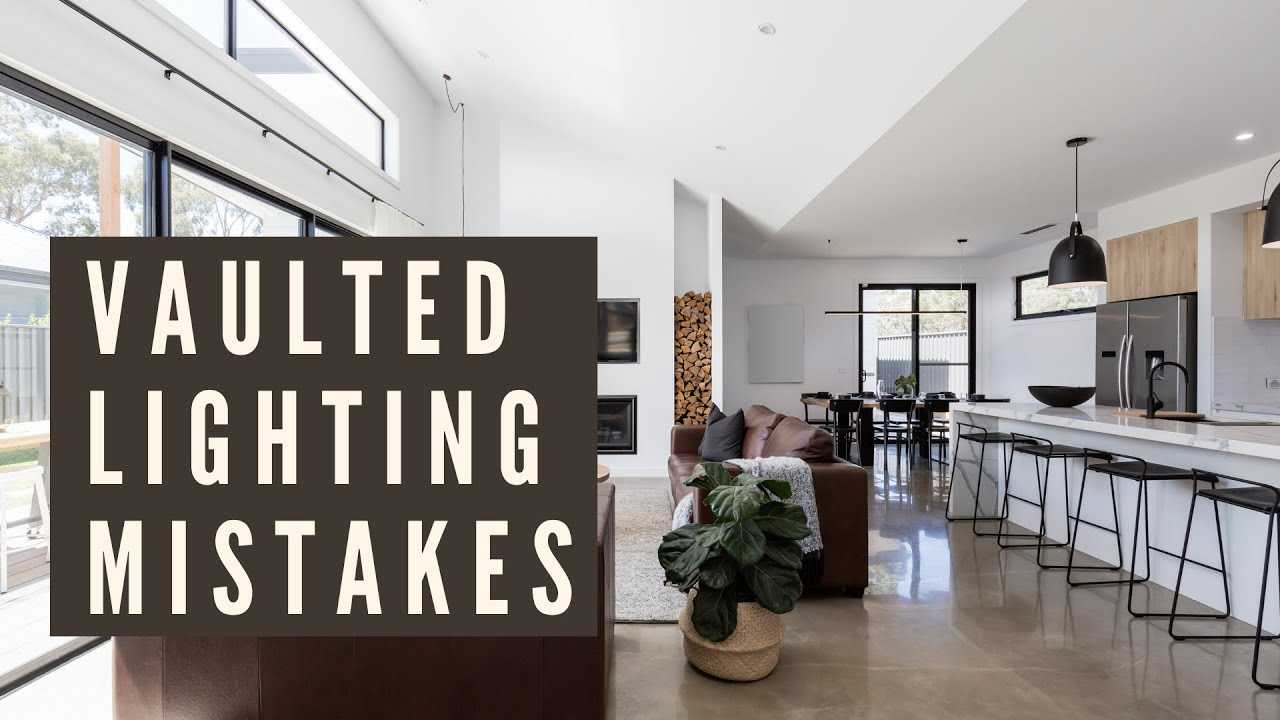
To effectively light a high ceiling kitchen, use a combination of layered lighting that includes pendant lights, recessed fixtures, and Chandeliers to create a balanced and functional space. Incorporate dimmable options to adjust brightness for different tasks and moods, and consider using directional lighting to highlight key areas like the islands and countertops.
For high ceiling kitchens, the key is layering different types of lighting to ensure the space is both practical and stylish. Use statement pendant lights hanging at varying heights to add visual interest, while recessed lighting provides even illumination across the room. Chandeliers can serve as focal points, and task lighting ensures functional areas are well-lit. Dimmers and smart controls help adapt the ambiance, making your kitchen inviting and easy to work in.
Bright, spacious, and contemporary kitchens with high ceilings demand thoughtful lighting design to balance their grandeur. As soon as you step into a room with soaring ceilings, proper illumination becomes crucial—both for ambiance and task efficiency. Without the right lighting plan, these rooms can feel cold or uninviting. To make high ceiling kitchens both beautiful and functional, focus on layered lighting that combines decorative fixtures with practical task lights. This approach not only enhances the architecture but also ensures every corner is well-lit and comfortable for cooking, dining, or socializing. With some smart planning, your high ceiling kitchen can become a stunning centerpiece that’s both stylish and highly functional.

How to design lighting for high ceiling kitchens
Understanding the Challenges of High Ceiling Kitchens
Designing lighting for kitchens with high ceilings requires careful planning because these spaces can feel vast and sometimes dark if not properly lit. The main challenge is ensuring there is enough illumination while highlighting the kitchen’s features and maintaining a welcoming atmosphere. Light dispersion becomes complex as standard fixtures may not reach the lower areas effectively. Additionally, high ceilings can create shadows and uneven lighting if the right fixtures and strategies are not used.
Setting the Right Lighting Goals
Before choosing fixtures, clarify what the lighting needs to achieve. Consider tasks like cooking, cleaning, and food prep, which demand bright, focused light. Think about ambiance and decorative aspects to make the space inviting. Combining task lighting, ambient lighting, and accent lighting helps achieve a balanced look that’s practical and visually appealing.
Choosing the Optimal Types of Lighting Fixtures
Selecting the right fixtures is crucial for high ceiling kitchens. Here are common options:
- Chandeliers: Use statement pieces that add style and provide general illumination. Opt for fixtures with adjustable heights.
- Pendant Lights: Hang over work islands and counters. Choose fixtures with long cords or chains for flexibility.
- Recessed Lighting: Install across the ceiling for even, overall lighting. Use multiple fixtures to avoid shadows.
- Track Lighting: Great for adjustable task lighting, especially over work areas or racks.
Strategic Placement for Effective Lighting
Position fixtures thoughtfully to maximize light coverage and functionality. Pendant lights should be placed above the island or breakfast bar, with enough clearance to avoid head bumps. Recessed lights should be spread evenly across the ceiling to eliminate dark spots. Use layered lighting principles to create depth and comfort in the space.
Designing Layered Lighting for Balance and Functionality
Layered lighting combines different types for a harmonious look. It typically includes:
- Ambient lighting: Provides all-over illumination using recessed or ceiling-mounted fixtures.
- Task lighting: Focuses on work areas like countertops, stove, and sink with pendant or under-cabinet lights.
- Accent lighting: Highlights decorative elements or architectural features with spotlights or LED strips.
This approach ensures the space is well-lit for various activities while creating a cozy atmosphere.
Adjusting for High Ceilings
High ceilings require fixtures with sufficient drop and brightness. Use fixtures with adjustable cords, chains, or telescopic arms to reach desired heights. Light bulbs with high lumen output help compensate for the distance light must travel to reach task areas. Combining large, statement fixtures with multiple recessed lights ensures even distribution of light.
Considering Electrical and Ceiling Constraints
Before installing fixtures, review the ceiling structure for electrical wiring and support points. Ensure there’s enough capacity to handle multiple fixtures. Use durable mounting hardware designed for high ceilings and heavy fixtures. Consult with an electrician to guarantee safe and compliant installation.
Using Dimmers and Smart Controls
Incorporate dimmers and smart lighting controls for versatile ambiance. Dimmers allow adjustable brightness, perfect for different times of day and activities. Smart controls enable you to customize lighting scenes, control fixtures remotely, and set schedules, adding convenience and energy savings.
Implementing Style and Aesthetics
Choose fixtures that complement your kitchen’s style—modern, rustic, industrial, or classic. Materials like glass, metal, or wood can add textures and visual interest. The size of fixtures should be proportionate to the space; large fixtures fit well with high ceilings to prevent a cramped look.
Energy Efficiency and Maintenance
Opt for energy-efficient bulbs such as LEDs, which offer high lumen output and long lifespan. Regular cleaning of fixtures prevents dust buildup, which can diminish light output. Using dimmable LEDs can also save energy and extend bulb life.
Incorporating Natural Light
Maximize natural light by installing large windows, skylights, or sun tunnels if possible. They reduce the need for artificial lighting during the day and add warmth to the space. Proper window treatments help control glare and heat, enhancing overall lighting effectiveness.
Utilizing Lighting Design Software and Visualization Tools
Design tools can simulate how your lighting plan will look once installed. Visualization software helps you envision fixture placement, brightness levels, and ambiance before committing. This step ensures your design meets both aesthetic and functional goals.
Final Tips for a Successful High Ceiling Kitchen Lighting Design
– Combine different fixture types for layered lighting.
– Use adjustable fixtures for flexibility in height and direction.
– Prioritize task lighting over work areas for safety and efficiency.
– Balance aesthetics with practicality for a cohesive look.
– Regularly review and update your lighting plan as your needs evolve.
A well-thought-out lighting design transforms a high ceiling kitchen into a functional and stunning space. It enhances the room’s architecture, provides ample illumination, and creates a warm, inviting environment. Taking the time to choose appropriate fixtures and strategic placements ensures your kitchen is both beautiful and practical.
Frequently Asked Questions
What type of lighting fixtures work best for high ceiling kitchens?
In high ceiling kitchens, pendant lights, chandeliers, and recessed lighting are effective options. Pendant lights provide focused illumination over islands or work areas, while chandeliers add a decorative element that complements the space. Recessed lighting offers widespread coverage without cluttering the ceiling, ensuring the entire kitchen remains well-lit and functional.
How can I ensure even lighting throughout a high ceiling kitchen?
To achieve uniform illumination, combine layered lighting strategies. Use a mix of ambient lighting from recessed fixtures or ceiling-mounted lights, task lighting for specific work zones like countertops and stovetops, and accent lights to highlight architectural features. Placing fixtures strategically across the ceiling prevents dark spots and creates a balanced, inviting atmosphere.
What considerations should I keep in mind when selecting bulbs for high ceiling kitchen lighting?
Select bulbs with adequate brightness, measured in lumens, to fill the vertical space effectively. Opt for energy-efficient options like LED bulbs, which last longer and consume less energy. Choose color temperatures that mimic daylight (around 5000K) for optimal visibility and color accuracy, especially in cooking and food prep areas.
How can I incorporate dimming options in high ceiling kitchen lighting?
Install dimmer switches compatible with your chosen lighting fixtures and bulbs. Dimming controls enable you to adjust light intensity for different activities or moods, creating flexibility in how you use the space. Ensure that all fixtures and bulbs support dimming functions to maximize convenience and achieve the desired ambiance.
Should I consider custom or adjustable lighting solutions for high ceiling kitchens?
Yes, custom or adjustable fixtures offer versatility in directing light exactly where needed. Track lighting or adjustable pendant fixtures allow you to modify angles and highlight specific areas, making your kitchen more functional and visually appealing. These options also help accommodate changes in layout or lighting preferences over time.
Final Thoughts
Designing lighting for high ceiling kitchens requires thoughtful planning. Use layered lighting, combining ambient, task, and accent fixtures to create depth and functionality. Install pendant lights or chandeliers at appropriate heights to highlight the space without overwhelming it. Consider adjustable fixtures for flexibility in lighting levels and focuses. Careful selection of fixtures and placement ensures the space remains welcoming and well-lit. How to design lighting for high ceiling kitchens hinges on balancing aesthetics with practicality. Proper lighting enhances the room’s style while providing effective illumination for daily tasks.