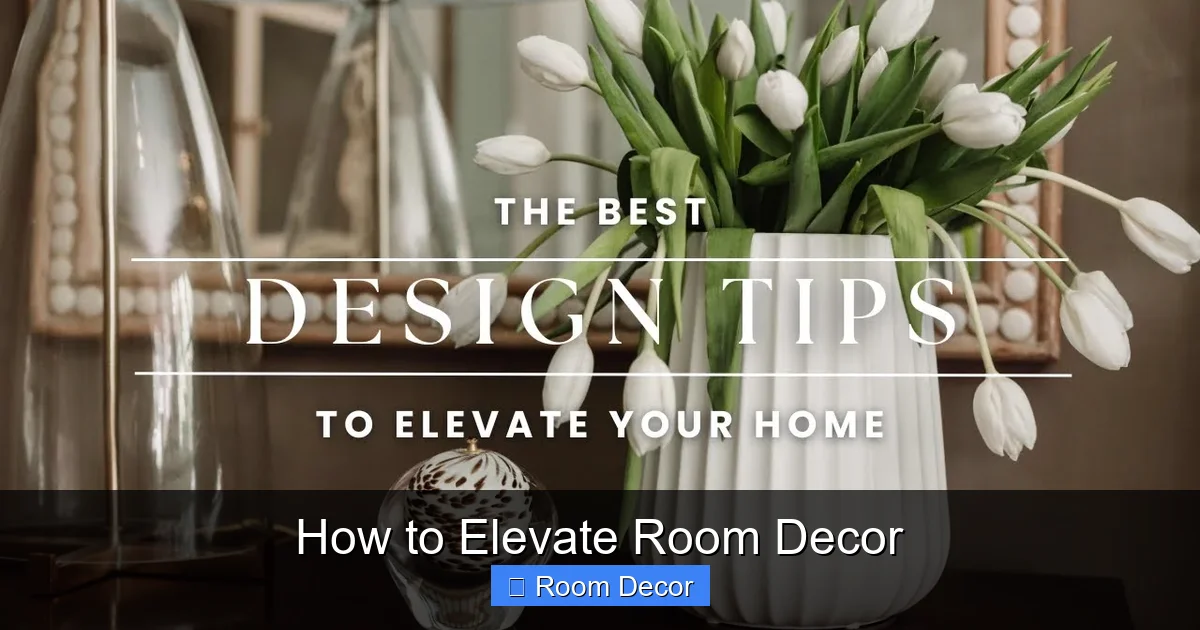
Ready to transform your living space? This comprehensive guide will walk you through elevating your room decor with practical, actionable steps. Learn how to create a more cohesive, stylish, and inviting atmosphere by focusing on key elements like color, texture, lighting, and personal touches. With these tips, you can achieve a sophisticated and personalized look that truly reflects your style and enhances your everyday life.
Are you tired of a room that feels a little… blah? Do you scroll through home decor magazines or Pinterest boards and wish your own space had that same spark, that same inviting charm? You’re not alone! Elevating your room decor isn’t about expensive renovations or a complete overhaul. It’s about smart choices, a touch of creativity, and understanding how different elements work together to create a harmonious and beautiful environment.
This guide is designed to help you unlock your room’s potential. We’ll break down the process into manageable steps, offering practical advice and actionable tips that you can implement right away. Whether you’re looking to refresh a living room, create a more serene bedroom, or add personality to a home office, these strategies will empower you to transform your space into a place you truly love. Get ready to learn how to curate a room that not only looks good but also feels amazing.
Key Takeaways
- Start with a Vision: Define your desired aesthetic and color palette before making any changes to ensure a cohesive look.
- Master the Art of Layering: Combine different textures, patterns, and lighting sources to add depth and visual interest.
- Embrace Scale and Proportion: Choose furniture and decor items that are appropriately sized for your room to avoid an overcrowded or empty feel.
- Strategic Lighting is Key: Utilize a mix of ambient, task, and accent lighting to create mood and highlight specific features.
- Incorporate Personal Touches: Display art, photos, and collected items that tell your story and make the space uniquely yours.
- Declutter and Organize: A tidy space is the foundation for beautiful decor; regular decluttering keeps your elevated room looking its best.
- Don’t Underestimate Greenery: Plants add life, color, and a touch of nature, instantly enhancing the freshness of any room.
Step 1: Define Your Aesthetic and Color Palette
Before you even think about buying a new cushion or rearranging furniture, it’s crucial to establish a clear vision for your room. What kind of mood do you want to create? What style resonates with you? Taking the time to define this will prevent impulsive purchases and ensure a cohesive final look.
H3: Identify Your Style
Think about the styles you’re drawn to. Do you love the clean lines and neutral tones of modern design? Are you more attracted to the warmth and comfort of bohemian or rustic styles? Perhaps you lean towards the elegance of traditional or the eclectic mix of transitional decor.
* **Modern:** Characterized by simplicity, clean lines, and a neutral color palette. Think uncluttered spaces, minimalist furniture, and sleek finishes.
* **Bohemian (Boho):** Embraces a relaxed, eclectic vibe with an emphasis on natural materials, vibrant colors, and layered textures.
* **Rustic:** Features natural elements like wood and stone, a warm color palette, and a cozy, lived-in feel.
* **Traditional:** Offers a classic and timeless appeal with ornate details, rich fabrics, and symmetrical arrangements.
* **Transitional:** Blends traditional and contemporary elements for a balanced and sophisticated look.
Don’t be afraid to mix and match elements from different styles, but have a guiding principle. For example, you might love the comfort of rustic but want to incorporate cleaner lines for a more updated feel.
H3: Choose Your Color Palette
Color is a powerful tool that can dramatically impact the mood and perception of a room. A well-chosen color palette creates harmony and prevents the space from feeling chaotic.
* **The 60-30-10 Rule:** This is a popular guideline for color distribution. Use your dominant color for about 60% of the room (walls, large furniture), a secondary color for about 30% (accent chairs, curtains), and a bold accent color for the remaining 10% (cushions, artwork, small decorative items).
* **Consider the Mood:**
* **Blues and Greens:** Evoke calmness and tranquility, ideal for bedrooms and bathrooms.
* **Yellows and Oranges:** Bring warmth and energy, good for living areas and kitchens.
* **Reds:** Can create a sense of passion and excitement, often used as an accent color.
* **Neutrals (Whites, Grays, Beiges):** Provide a timeless and versatile backdrop, allowing other elements to stand out.
* **Test Your Colors:** Always get paint swatches and samples to see how they look in your room’s natural light throughout the day.
## Step 2: Layer Your Textures and Patterns
A room that relies on a single texture can feel flat and uninteresting. Introducing a variety of textures adds depth, warmth, and a sense of luxury. Patterns, when used thoughtfully, can inject personality and visual excitement.
H3: Incorporate Different Textures
Think about touch and feel. How can you bring a variety of textures into your room?
* **Soft & Plush:** Think velvet cushions, chunky knit throws, sheepskin rugs, and upholstered furniture.
* **Smooth & Sleek:** Consider materials like glass tabletops, polished metal accents, lacquered wood, and smooth ceramic vases.
* **Natural & Organic:** Jute or sisal rugs, woven baskets, linen curtains, and wooden furniture bring a grounded feel.
* **Rough & Textured:** Burlap, distressed wood, concrete accents, and rough-hewn stone can add character.
**Example:** In a living room, combine a smooth leather sofa with plush velvet throw pillows, a chunky knit blanket, and a natural fiber rug. This creates a visually appealing and inviting tactile experience.
H3: Master the Art of Pattern Mixing
Mixing patterns can seem daunting, but it’s a fantastic way to elevate your decor. The key is to create a harmonious blend.
* **Vary Scale:** Mix large-scale patterns with smaller, more subtle ones. A large floral sofa can be paired with smaller geometric cushions.
* **Color Consistency:** Ensure your patterns share at least one common color. This creates a visual link between them.
* **Balance with Solids:** Don’t go overboard with patterns. Use solid-colored pieces to provide visual breathing room and prevent the room from feeling overwhelming.
* **Consider Pattern Types:** Combine different types of patterns, such as floral, geometric, striped, and abstract.
**Example:** A rug with a bold geometric pattern can be the foundation. Layer on cushions with a floral print and a striped throw. The shared color palette ties it all together.
## Step 3: Enhance Your Lighting
Lighting is often an overlooked yet critical element in room decor. The right lighting can transform the ambiance, highlight architectural features, and make your space feel more inviting and functional.
H3: Layer Your Lighting
Aim for a layered lighting approach, incorporating three main types:
* **Ambient Lighting:** This is your general, overall illumination. Think ceiling fixtures, recessed lighting, or floor lamps that cast a soft glow across the entire room.
* **Task Lighting:** This is focused light for specific activities. Examples include reading lamps beside a chair, desk lamps in a home office, or pendant lights over a kitchen island.
* **Accent Lighting:** This is used to draw attention to specific features, such as artwork, architectural details, or decorative objects. Wall sconces, spotlights, or small table lamps can serve this purpose.
H3: Choose the Right Fixtures and Bulbs
* **Style Matters:** Your light fixtures are decorative elements in themselves. Choose fixtures that complement your room’s overall style. A modern space might feature sleek metal fixtures, while a traditional room could benefit from a crystal chandelier.
* **Bulb Warmth:** Pay attention to the color temperature of your bulbs. Warm white (around 2700-3000 Kelvin) is ideal for creating a cozy and inviting atmosphere in living areas and bedrooms. Cooler white light (around 4000 Kelvin and above) is better for task-oriented areas like kitchens or home offices.
* **Dimmers are Your Friend:** Install dimmers wherever possible. They allow you to control the intensity of the light, adjusting the mood from bright and functional to soft and intimate.
**Tip:** Consider adding a smart lighting system to easily control your lights via an app or voice commands, creating custom scenes for different times of day or activities.
## Step 4: Artfully Arrange Furniture and Accessories
The way you arrange your furniture and the accessories you choose are crucial for both functionality and aesthetics. Aim for a balance of comfort, flow, and visual appeal.
H3: Optimize Furniture Layout
* **Consider Flow:** Ensure there are clear pathways for people to move around the room comfortably. Avoid blocking doorways or creating awkward bottlenecks.
* **Create Conversation Zones:** In living areas, arrange seating to encourage interaction. Pull sofas and chairs closer together, facing each other, rather than pushing them against the walls.
* **Focal Point:** Identify a natural focal point in your room, such as a fireplace, a large window with a view, or a significant piece of art. Arrange your furniture to orient towards this focal point.
* **Scale and Proportion:** Ensure your furniture is appropriately scaled to the size of your room. Oversized furniture can make a small room feel cramped, while too-small pieces can make a large room feel empty.
H3: Curate and Style Your Accessories
Accessories are the finishing touches that make a room feel personalized and complete.
* **Groupings (The Rule of Three):** When arranging decorative items like vases, picture frames, or small sculptures, group them in odd numbers, typically threes. This is more visually appealing than even numbers.
* **Vary Heights:** Within your groupings, aim for a variety of heights. This adds dimension and prevents everything from looking like it’s on the same level.
* **Personalize with Photos and Art:** Display cherished photos and artwork that you love. This is what truly makes a house feel like a home.
* **Bring in Greenery:** Plants add life, color, and a natural element. Choose plants that suit your light conditions and care routine.
* **Consider Functional Decor:** Items like beautiful trays, stylish storage baskets, and decorative bowls can be both practical and aesthetically pleasing.
**Tip:** Don’t be afraid to move things around. Living with your decor for a while and making small adjustments is part of the process.
## Step 5: Add Personal Touches and Personality
A truly elevated room decor reflects the person who lives there. It’s about creating a space that tells your story and brings you joy.
H3: Showcase Your Passions
* **Travel Souvenirs:** Display unique items you’ve collected from your travels.
* **Books:** Arrange your favorite books artfully on shelves or coffee tables.
* **Hobbies:** If you’re an artist, display your work. If you love music, incorporate instruments or records as decor.
* **Family Heirlooms:** Incorporate pieces with sentimental value that add a layer of history and meaning.
H3: The Power of Scent and Sound
Don’t forget the sensory experience!
* **Fragrance:** Candles, diffusers, or fresh flowers can add a delightful aroma to your room. Choose scents that align with the mood you want to create – calming lavender for the bedroom, invigorating citrus for the office.
* **Sound:** Consider the acoustics of your room. A well-placed rug can absorb sound. Curate playlists that enhance the atmosphere.
**Example:** In a living room, you might have a collection of vintage cameras displayed on a shelf, a stack of your favorite novels on the coffee table, and a subtle diffuser emitting a calming essential oil scent.
## Step 6: Declutter and Organize
This might sound basic, but it’s foundational. A cluttered space can detract from even the most beautifully elevated decor. Regularly decluttering and organizing ensures your efforts shine.
H3: The Purge
* **One Area at a Time:** Tackle one drawer, shelf, or corner at a time to avoid feeling overwhelmed.
* **The “Keep, Donate, Trash” Method:** Be ruthless. If you haven’t used it in a year, and it doesn’t hold significant sentimental value, consider letting it go.
* **Sentimental Items:** If you have many sentimental items, consider displaying a curated selection rather than keeping everything hidden away.
H3: Implement Smart Storage Solutions
* **Stylish Baskets and Bins:** Use attractive storage solutions that complement your decor.
* **Closed Storage:** Cabinets and drawers are excellent for hiding less aesthetically pleasing items.
* **Vertical Space:** Utilize shelves and wall-mounted units to maximize storage without sacrificing floor space.
**Tip:** Schedule regular decluttering sessions, perhaps once a month or seasonally, to maintain order and keep your elevated space looking its best.
Troubleshooting Common Decor Dilemmas
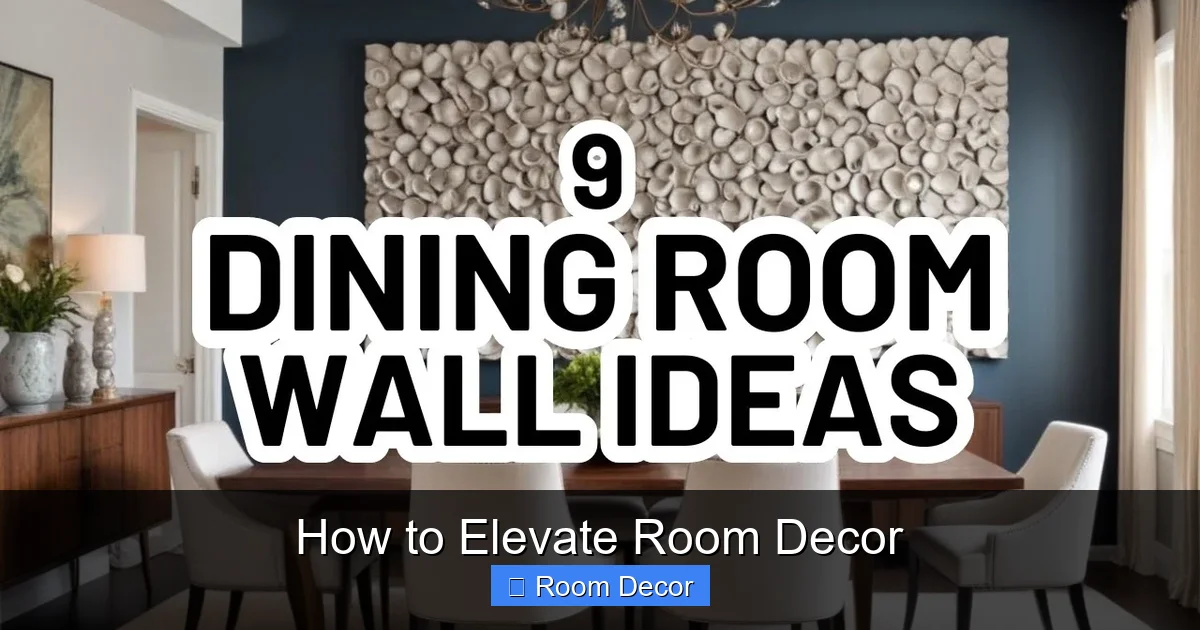
Visual guide about How to Elevate Room Decor
Image source: i.ytimg.com
Even with the best intentions, you might encounter challenges. Here are a few common issues and how to address them:
Issue: My room feels too small.
* **Solution:** Use lighter paint colors on walls. Incorporate mirrors to reflect light and create the illusion of more space. Opt for furniture with exposed legs to give a sense of openness. Avoid oversized, bulky furniture. Keep decor items to a minimum.
Issue: My room feels too cold or impersonal.
* **Solution:** Introduce warm textures like throws, plush rugs, and upholstered furniture. Add warmer lighting with dimmers. Incorporate natural materials like wood. Display personal items like photos and artwork. Add plants.
Issue: My color scheme feels off.
* **Solution:** Revisit your color palette. Perhaps one of the colors is too dominant or not present enough. Use a color wheel to understand complementary and analogous colors. Consider adding a new accent color through cushions or artwork.
Issue: I have too much “stuff.”
* **Solution:** This is where decluttering is key. Invest in stylish storage solutions. Rotate decorative items seasonally or monthly to keep things fresh and less overwhelming.
Conclusion
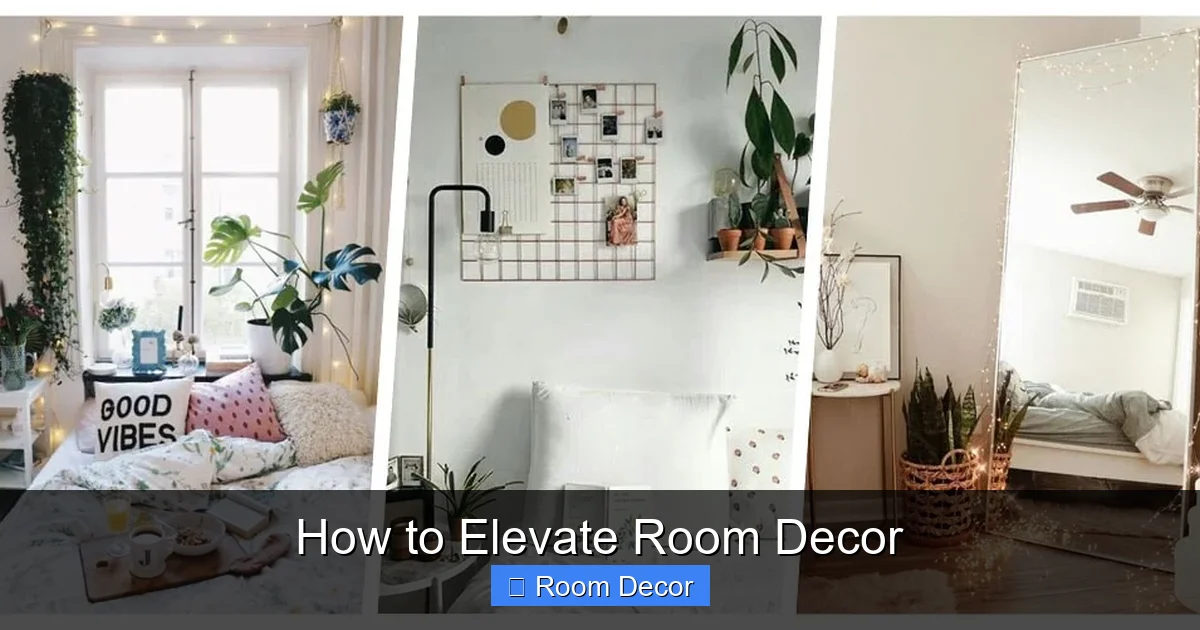
Visual guide about How to Elevate Room Decor
Image source: johornow.com
Elevating your room decor is an ongoing, enjoyable process, not a one-time project. By defining your vision, layering textures and patterns, optimizing lighting, artfully arranging furniture, and adding your personal touches, you can transform any space into a sanctuary that reflects your unique style and enhances your quality of life. Remember that even small changes can make a big impact. Don’t be afraid to experiment, have fun, and most importantly, create a space that you absolutely love coming home to. Your home should be a reflection of you – embrace that!