Transform your kitchen from frustrating to fantastic with our ultimate guide on how to fix awkward kitchen layout. Discover practical strategies, from simple tweaks to major renovations, to improve flow, maximize space, and boost functionality. Say goodbye to kitchen woes and hello to a layout that truly works for you, making every meal prep a pleasure.
Is your kitchen a source of daily frustration rather than culinary joy? Do you constantly bump into cabinet doors, struggle for counter space, or find yourself running a marathon between the fridge, sink, and stove? If so, you’re likely dealing with an awkward kitchen layout. Many homes, especially older ones, weren’t designed with modern cooking and living in mind. The good news is, you don’t have to live with a dysfunctional space. This comprehensive guide will walk you through exactly how to fix awkward kitchen layout issues, transforming your kitchen into a highly efficient and enjoyable hub.
We’ll cover everything from simple, budget-friendly tweaks to more extensive renovations. You’ll learn how to identify the root causes of your kitchen woes, understand fundamental design principles, and explore various solutions to fix awkward kitchen layout problems. By the end of this guide, you’ll have a clear roadmap to create a kitchen that works perfectly for you and your family.
Key Takeaways
- Thorough Assessment is Key: Begin by identifying your kitchen’s specific pain points and understanding your daily workflow before planning any changes.
- Embrace Design Principles: Leverage the “kitchen work triangle” or zone concept, along with crucial clearance guidelines, to optimize functionality and flow.
- Solutions for Every Budget: Whether you need minor adjustments like decluttering and mobile islands, or major renovations involving wall removal, there’s a fix for every awkward kitchen layout.
- Prioritize Functionality Over Trends: Focus on improving traffic flow, maximizing counter space, and enhancing storage to make your kitchen truly practical.
- Don’t Hesitate to Seek Expertise: For complex layout changes or if you’re unsure, consult with kitchen designers or contractors to ensure professional and safe execution.
- Visualize Your Changes: Use sketches, 3D tools, or even tape on the floor to visualize new layouts before committing to avoid costly mistakes.
- Small Changes Make a Big Difference: Sometimes, even simple adjustments like changing appliance orientation or adding open shelving can significantly improve an awkward kitchen layout.
Step 1: Assess Your Current Awkward Kitchen Layout
Before you can truly begin to fix awkward kitchen layout issues, you need to understand what isn’t working. Think of yourself as a kitchen detective. Grab a notepad and pencil, or even your phone, and spend some time observing how you actually use your kitchen. This crucial first step helps you pinpoint the exact problems and dream up the best solutions.
Identify Your Pain Points
Walk through your daily kitchen routine. Where do you bump into things? What items are always out of reach? Where do you wish you had more space? These are your pain points. Write them down. Common issues in an awkward kitchen layout include:
- Lack of counter space: Not enough room for prep or appliances.
- Poor traffic flow: People constantly get in each other’s way.
- Inaccessible storage: Cabinets or drawers are hard to reach or open.
- Bottlenecks: Areas where multiple activities converge and cause congestion.
- Appliance placement issues: Fridge door blocks a pathway, oven is too far from prep area.
Be brutally honest. Every little annoyance contributes to the overall awkwardness you want to fix.
Understand Your Workflow and Habits
How do you cook? Do you bake frequently? Do you entertain often? The way you use your kitchen should dictate its design. For example, if you love to bake, you’ll need ample clear counter space, accessible baking sheets, and a mixer stored conveniently. If you entertain, you might prioritize an open layout with serving areas. Consider:
- Who uses the kitchen? (Just you, a couple, a large family?)
- What activities happen in the kitchen? (Cooking, eating, homework, working, entertaining?)
- What appliances do you use most often?
- What items do you need quick access to?
Understanding these habits is key to tailoring solutions that genuinely fix awkward kitchen layout challenges specific to your lifestyle.
Measure and Map Your Space
This is where you get technical. Grab a tape measure, graph paper, and a pencil. Draw a detailed floor plan of your current kitchen. Include:
- All walls, doorways, and windows.
- Fixed elements like radiators, columns, or bulkheads.
- All appliances (fridge, stove, dishwasher, microwave) with their exact dimensions.
- All existing cabinetry, noting door swings and drawer pulls.
- Electrical outlets, light switches, and plumbing locations.
Don’t forget to measure the height of ceilings and the space above cabinets. A precise map is your foundation for planning any changes. It will help you see potential conflicts and opportunities to fix awkward kitchen layout dilemmas on paper before you lift a finger.
Step 2: Understand Kitchen Layout Principles
To effectively fix awkward kitchen layout problems, it’s helpful to understand the basic design principles that make a kitchen functional. These principles ensure efficiency, safety, and comfort.
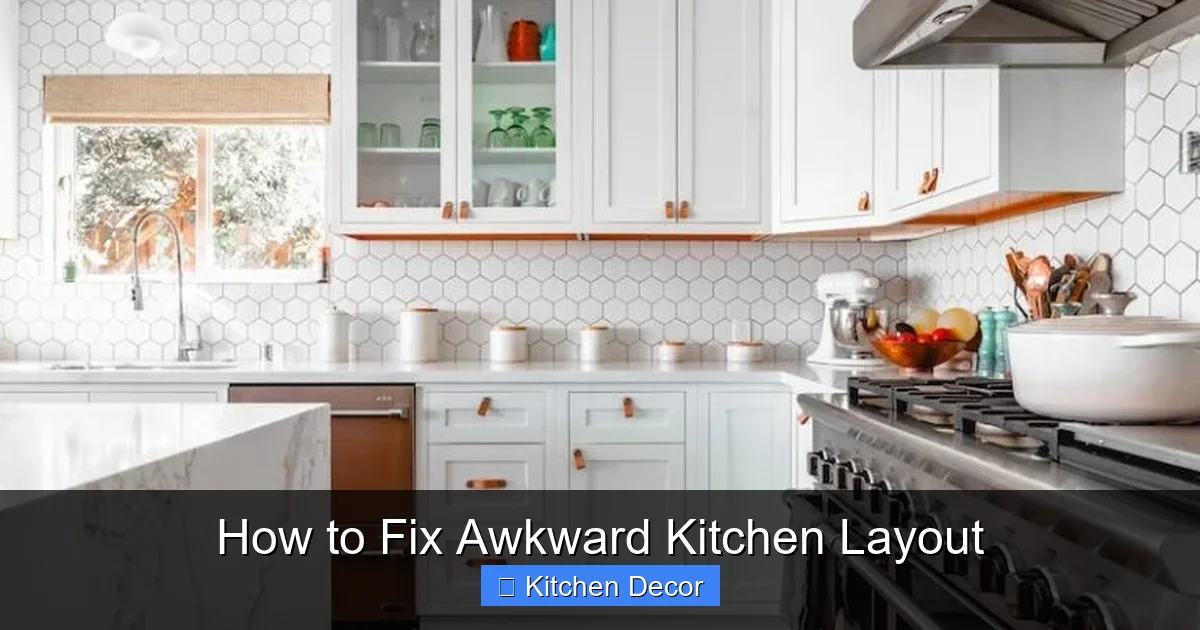
Visual guide about How to Fix Awkward Kitchen Layout
Image source: acureformonday.com
The Kitchen Work Triangle (or Zones)
The traditional “work triangle” connects the three primary work areas: the refrigerator, the sink, and the stove. The idea is to keep these three points relatively close, forming a triangle, to minimize steps and maximize efficiency. Ideally, each leg of the triangle should be between 4 and 9 feet, with the total perimeter not exceeding 26 feet.
In modern kitchens, with multiple cooks and appliances, the concept of “work zones” is often more practical. These zones include:
- Prep Zone: Near the sink, with ample counter space.
- Cooking Zone: Around the stove/oven.
- Cleaning Zone: Around the sink and dishwasher.
- Storage Zone: Pantry and refrigerator.
- Baking Zone: If applicable, with specific tools and ingredients.
Designing with zones helps ensure that each activity has a dedicated, efficient space, which is crucial when you fix awkward kitchen layout issues.
Clearance and Walkways
Proper clearance is vital for safety and ease of movement. Without adequate space, your kitchen will always feel cramped and dysfunctional. Key clearances to remember:
- Walkways: Main walkways should be at least 36 inches wide. In a multi-cook kitchen, aim for 42-48 inches.
- Appliance Clearance: Allow enough space for appliance doors (refrigerator, oven, dishwasher) to open fully without hitting anything. For instance, you need space for a dishwasher door to drop completely for loading.
- Cabinet Clearance: Ensure cabinet doors open without obstructing pathways or other cabinet doors.
- Island Clearance: If adding an island, ensure at least 36-42 inches of clearance around all sides for comfortable movement.
Ignoring these clearances is a common reason why layouts feel awkward; addressing them is a fundamental step to fix awkward kitchen layout complaints.
Storage Strategies
Effective storage can dramatically improve an awkward kitchen layout. Think about:
- Accessibility: Store frequently used items within easy reach.
- Organization: Use drawer dividers, pull-out shelves, lazy Susans, and pantry organizers to maximize space and keep things tidy.
- Vertical Space: Don’t forget wall space! Open shelving or wall-mounted racks can be great for less bulky items or decorative pieces.
- Smart Cabinetry: Consider corner solutions (like magic corners), deep drawers for pots and pans, and slim pull-out pantries.
Addressing storage is often one of the quickest ways to fix awkward kitchen layout issues that stem from clutter and disorganization.
Step 3: Explore Common Solutions for Awkward Layouts
Now that you understand your kitchen’s problems and design principles, let’s look at concrete ways to fix awkward kitchen layout woes, from minor adjustments to major overhauls.
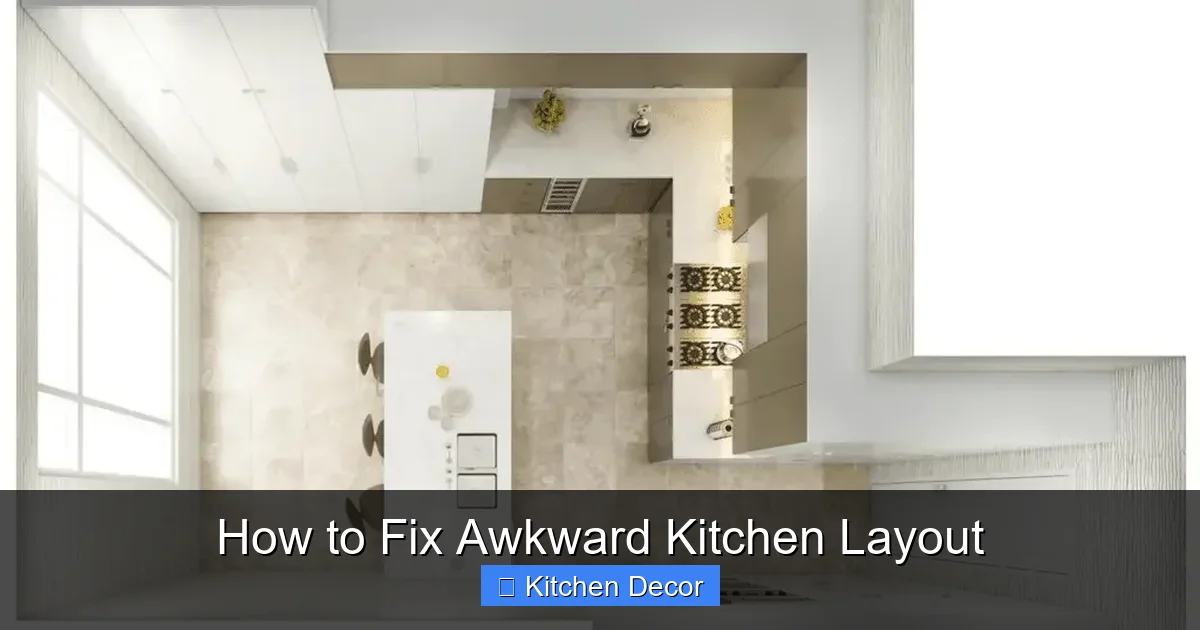
Visual guide about How to Fix Awkward Kitchen Layout
Image source: thecompactkitchen.com
Minor Tweaks and Budget-Friendly Fixes
Not every awkward kitchen layout requires a full renovation. Sometimes, small changes can make a huge difference.
- Declutter and Organize: This is free and often incredibly effective. Remove unused items, organize what remains, and store less frequently used items elsewhere. This creates instant counter and cabinet space.
- Add a Mobile Island or Cart: If you lack counter space, a movable island or cart can provide extra prep surface and storage when needed, and can be moved out of the way when not in use.
- Utilize Vertical Space with Open Shelving: Replace a few upper cabinets with open shelves. This can make a small kitchen feel larger and provides easy access to frequently used items (just be sure to keep them tidy!).
- Change Appliance Orientation: Can your refrigerator door swing open in a different direction? Can you move a microwave to a different counter or mount it over the range to free up space?
- Improve Lighting: Good lighting makes a space feel larger and more inviting. Add under-cabinet lighting, task lighting, and ensure general ambient lighting is sufficient.
- Paint and Decor: Lighter paint colors can make a small, dark, or awkward kitchen feel brighter and more spacious.
These simple solutions can often significantly improve an awkward kitchen layout without breaking the bank.
Moderate Changes
These solutions involve a bit more effort and possibly some professional help, but they typically don’t involve moving major plumbing or electrical lines.
- Reconfigure Existing Cabinets: Can you move a bank of cabinets to a different wall? Could you add pantry cabinets to a previously unused wall? Perhaps convert some upper cabinets to open shelving for a lighter feel.
- Add a Peninsula or Small Island: If space allows, a fixed peninsula or a small, permanent island can drastically increase counter space, provide seating, and define work zones. This is a popular way to fix awkward kitchen layout problems in L-shaped or U-shaped kitchens.
- Replace or Add Specific Cabinets: Install pull-out pantries, lazy Susans for corner cabinets, or deeper drawers for pots and pans. These smart storage solutions can transform how you use your space.
- Relocate Small Appliances: If your microwave is on the counter and takes up valuable prep space, consider an over-the-range microwave or a built-in microwave drawer.
- Adjust Door Swings: Changing the hinge side of a cabinet door or even an entry door can sometimes dramatically improve flow and prevent collisions.
- Install a Wall-Mounted Folding Table: For tiny kitchens that need occasional dining or extra prep space, a wall-mounted table that folds down when not in use can be a lifesaver.
These mid-range options are excellent for significantly improving functionality and flow to fix awkward kitchen layout concerns without a full-scale overhaul.
Major Renovation Options
For truly challenging layouts, a major renovation might be the best way to fix awkward kitchen layout issues permanently. These changes typically require professional contractors and often involve permits.
- Removing a Wall: Opening up a kitchen to an adjacent dining or living area can completely transform its feel and flow, making a cramped space feel expansive. This often involves structural considerations, so a professional engineer or architect is crucial.
- Relocating Major Appliances: Moving the sink (and thus plumbing), stove (and gas lines/electrical), or refrigerator can allow for a complete redesign of the work triangle. This is a significant undertaking but can truly optimize an awkward kitchen layout.
- Changing Window or Door Locations: If a window or door is hindering your ideal layout, moving or sealing it up can create valuable wall space for cabinetry or appliances.
- Expanding the Kitchen Footprint: If possible, extending the kitchen into an unused adjacent space (like a closet or part of a dining room) can provide much-needed square footage.
- Full Layout Redesign: Sometimes, the only way to truly fix awkward kitchen layout problems is to strip it down and start fresh with a completely new floor plan, custom cabinetry, and all new appliances.
While these options are more costly and time-consuming, they offer the greatest potential for transforming a deeply problematic kitchen into a dream space. When considering how to fix awkward kitchen layout issues with major changes, always consult with professionals.
Step 4: Create a Design Plan
Once you have an idea of what needs to change, it’s time to formalize your plan. This step ensures you consider all aspects before committing to any work.
Visual guide about How to Fix Awkward Kitchen Layout
Image source: images.farmfoodfamily.com
Sketching and Visualization
Use your measured floor plan from Step 1. Start sketching different layouts. Don’t be afraid to experiment! Try rearranging appliances and cabinets on paper. Consider using:
- Graph Paper: Draw to scale (e.g., 1 square = 6 inches) to get an accurate sense of space.
- Online Kitchen Planners: Many home improvement stores and websites offer free 3D kitchen design tools. These can help you visualize your new layout.
- Tape on the Floor: Use painter’s tape to mark out the new locations of cabinets, islands, and appliances on your actual kitchen floor. Walk through it to get a real feel for the space and identify any new awkward spots.
Visualization is crucial to ensure your proposed changes genuinely fix awkward kitchen layout dilemmas rather than creating new ones.
Setting a Realistic Budget
Be honest about how much you can spend. Different solutions have vastly different price tags. Get quotes for materials, appliances, and labor. Factor in a contingency fund (10-20%) for unexpected costs. A clear budget helps you prioritize and decide which fixes are feasible.
Seeking Professional Help (When Needed)
For anything beyond minor cosmetic changes, consider hiring professionals:
- Kitchen Designers: They are experts in space planning, aesthetics, and functionality. They can help you optimize your layout, select materials, and even manage the project. They are invaluable for complex projects aiming to fix awkward kitchen layout issues.
- Contractors: If you’re moving walls, plumbing, or electrical, a licensed general contractor is essential. They coordinate trades, manage timelines, and ensure work meets building codes.
- Architects/Structural Engineers: If you’re removing load-bearing walls, these professionals are required to ensure structural integrity and safety.
Investing in professional help can save you money and headaches in the long run, especially when tackling a complex awkward kitchen layout.
Step 5: Implement Your Fixes
With a solid plan in hand, it’s time to bring your vision to life. This stage can be exciting but also requires careful management.
DIY vs. Professional Installation
Decide what you can realistically do yourself and what requires a professional. DIY projects can save money but require skills, tools, and time. For tasks involving plumbing, electrical, gas lines, or structural changes, always hire certified professionals. Doing so ensures safety, compliance with codes, and a high-quality finish, critical steps when you fix awkward kitchen layout problems.
Managing the Project
Whether you DIY or hire pros, stay organized:
- Timeline: Create a realistic schedule for each task.
- Communication: Keep lines open with contractors and suppliers.
- Oversight: Regularly check on progress and quality of work.
- Temporary Kitchen: If your kitchen will be out of commission, plan for a temporary cooking setup.
Being proactive in managing the project will help keep it on track and ensure you effectively fix awkward kitchen layout problems.
Troubleshooting Common Awkward Layout Issues
Let’s address some specific challenges you might encounter when trying to fix awkward kitchen layout problems.
Too Small Kitchen
Small kitchens often feel awkward due to lack of space. Solutions include:
- Vertical Storage: Maximize cabinets to the ceiling, add open shelving, wall-mounted magnetic knife strips, and pot racks.
- Compact Appliances: Consider smaller-sized refrigerators, dishwashers, and ovens.
- Light Colors and Mirrors: Use light paint colors, reflective surfaces, and even mirrors to make the space feel larger.
- Streamlined Furniture: A small round table or a wall-mounted bar rather than a bulky island.
- Declutter Ruthlessly: Every item must earn its place.
Too Large Kitchen
A very large kitchen can also feel awkward, with too much distance between work zones. To fix awkward kitchen layout issues in expansive spaces:
- Add an Island or Two: Islands can bring the work triangle closer and add valuable prep and storage space.
- Create Distinct Zones: Define specific areas for cooking, baking, dining, and even a coffee bar or homework station. Use rugs or different flooring to help delineate zones.
- Increase Storage: Large pantries, deep drawers, and additional cabinetry can fill empty space and provide practical storage.
- Consider a U-Shaped or G-Shaped Layout: These layouts make large kitchens feel more enclosed and functional.
Lack of Counter Space
This is a common complaint. To fix awkward kitchen layout problems related to insufficient counters:
- Mobile Island/Cart: As mentioned, a portable island can be a game-changer.
- Sink Covers/Cutting Boards: Place a fitted cutting board over your sink to gain temporary prep space.
- Appliance Garage: Hide small appliances in a dedicated cabinet space to keep counters clear.
- Wall-Mounted Shelves: Free up counter space by moving frequently used items to shelves.
- Slim Pantry/Cabinets: If you have a small sliver of wall space, even a 6-inch deep pull-out pantry can store a surprising amount.
Poor Flow/Congestion
If people are constantly bumping into each other or doorways are blocked, it’s a flow issue. To fix awkward kitchen layout congestion:
- Check Clearances: Re-evaluate your walkway widths and appliance door swings.
- Relocate Appliances: If the fridge door blocks a main thoroughfare, can it be moved?
- Change Door Swings: A door that opens into a main pathway is a prime candidate for reversal or even replacement with a pocket door.
- Create a “Landing Strip”: Ensure there’s counter space next to the refrigerator and oven for placing hot dishes or groceries.
- Define Work Zones: Ensure prep, cooking, and cleaning zones don’t overlap excessively.
Limited Storage
A lack of storage can make any kitchen feel awkward. To fix awkward kitchen layout storage woes:
- Maximize Vertical Space: Cabinets to the ceiling, stackable organizers, wall-mounted racks.
- Deep Drawers: For pots, pans, and small appliances.
- Pull-Out Organizers: For pantries, under-sink cabinets, and corner cabinets.
- Toe-Kick Drawers: Small drawers built into the space beneath your base cabinets for linens or flat items.
- Pantry Overhaul: If you have a pantry, invest in shelves, bins, and door organizers. If you don’t, can you carve out space for one?
By systematically addressing these common issues, you can effectively fix awkward kitchen layout problems and create a much more enjoyable space.
Conclusion
An awkward kitchen layout doesn’t have to be a permanent fixture in your home. By taking the time to assess your current space, understand fundamental design principles, and explore the various solutions available, you can transform your kitchen into a functional, beautiful, and efficient heart of your home. Remember, whether you opt for simple organizational tweaks or a full-scale renovation, the goal is to create a kitchen that truly works for you and your lifestyle. Don’t be afraid to get creative, seek professional help when needed, and most importantly, enjoy the process of making your kitchen a space you love. You now have the knowledge and tools to confidently tackle and fix awkward kitchen layout challenges.