Tired of kitchen counter chaos? This guide teaches you how to fix cluttered kitchen counters easily, transforming your space into a functional and beautiful area. Discover practical steps for decluttering, organizing, and maintaining a tidy kitchen, making daily tasks a breeze and reducing stress. Get ready to reclaim your counter space and enjoy a more serene home environment starting today!
How to Fix Cluttered Kitchen Counters Easily
Do you ever feel like your kitchen counters are just… overflowing? Are they covered with mail, forgotten appliances, half-used spice jars, and a never-ending assortment of odds and ends? You’re not alone. Cluttered kitchen counters can make cooking a chore, finding what you need a hunt, and enjoying your space nearly impossible. They can also make your entire kitchen feel small, chaotic, and stressful.
But what if you could transform that chaos into calm? What if you could enjoy a beautiful, functional kitchen where everything has its place? The good news is, you absolutely can! It’s much easier than you think to fix cluttered kitchen counters easily and effectively. You don’t need a massive renovation or a professional organizer. All you need is a clear plan, a little dedication, and the right strategies.
This comprehensive guide will walk you through a simple, step-by-step process to declutter, organize, and maintain clear, functional kitchen counters. We’ll cover everything from the initial purge to clever storage solutions and long-term habits. By the end, you’ll have the tools and confidence to create a kitchen you love – one that’s a joy to cook in and spend time in. Let’s get started on your journey to a clutter-free kitchen!
Key Takeaways
- Start with a Deep Declutter: Remove everything from your counters and sort items into logical categories (keep, donate, trash, relocate) to get a clear picture of what you truly need and use.
- Define Functional Zones: Assign specific purposes to different areas of your counter space (e.g., prep zone, coffee station, cooking zone) to ensure everything has a logical home and streamline your workflow.
- Utilize Vertical Storage: Look beyond the countertop by incorporating shelves, risers, wall-mounted organizers, and under-cabinet solutions to free up valuable surface area and create more storage.
- Implement Smart Storage Solutions: Use trays, baskets, canisters, and appliance garages to contain similar items, reduce visual clutter, and make everyday essentials easily accessible yet neatly organized.
- Embrace a “Less is More” Philosophy: Adopt habits like the “one-in, one-out” rule and daily tidying to prevent clutter from accumulating, keeping your counters clear and your kitchen serene.
- Establish Consistent Maintenance: Integrate quick daily tidies and a weekly reset routine into your schedule to ensure your newly organized counters stay pristine and functional long-term.
- Involve the Household: Communicate expectations and routines with family members to foster a shared responsibility for keeping kitchen counters clear, making maintenance a team effort.
Step 1: The Grand Purge – Decluttering with Purpose
The first and most crucial step to fix cluttered kitchen counters easily is to clear everything off them. Yes, everything! This might seem daunting, but it’s essential to get a true picture of what you have and what you actually use. Think of it as hitting the reset button.
Start with a Clean Slate
Choose a time when you have at least an hour or two uninterrupted. Grab some empty boxes, bags, and a trash can. Then, systematically clear every single item from your counters. Place everything onto a dining table, a cleared floor space, or any available surface. Don’t worry about organizing yet; just get it all off the counters.
Practical Tip: Lay down a sheet or old blanket on your temporary sorting surface to protect it and make cleanup easier.
Sort into Categories
Now, with your counters completely empty, start going through the pile of items you just removed. Create distinct piles or use your boxes for these categories:
- Keep: Items you use daily or weekly and genuinely need on your counters. These should be truly essential.
- Relocate: Items that belong somewhere else in your kitchen (e.g., in a drawer, cabinet, pantry) or even in another room of your house (e.g., mail for the office, toys for the living room).
- Donate/Sell: Items that are still in good condition but you no longer use, need, or love. Think about small appliances gathering dust, extra mugs, or decorative items that no longer fit your style.
- Trash/Recycle: Broken items, expired food, old receipts, or anything that truly belongs in the bin.
Be honest with yourself. If you haven’t used an item in months (or years!), it probably doesn’t deserve prime counter space. This initial decluttering is the most impactful way to really fix cluttered kitchen counters easily.
The “One Year Rule”
When in doubt, apply the “One Year Rule.” If you haven’t used an item in the past year, seriously consider if you need to keep it. This rule is especially helpful for small appliances, specialty gadgets, or holiday-themed kitchenware. Be ruthless, but also practical. If you only bake once a year for a specific holiday, maybe that giant mixer can live in a cabinet.
Step 2: Define Zones – Giving Everything a Home
With your counters clear and only your “Keep” pile remaining, it’s time to think about functionality. Defining specific zones helps keep your counters organized and ensures everything has a logical home, making it easier to maintain and avoid future clutter.
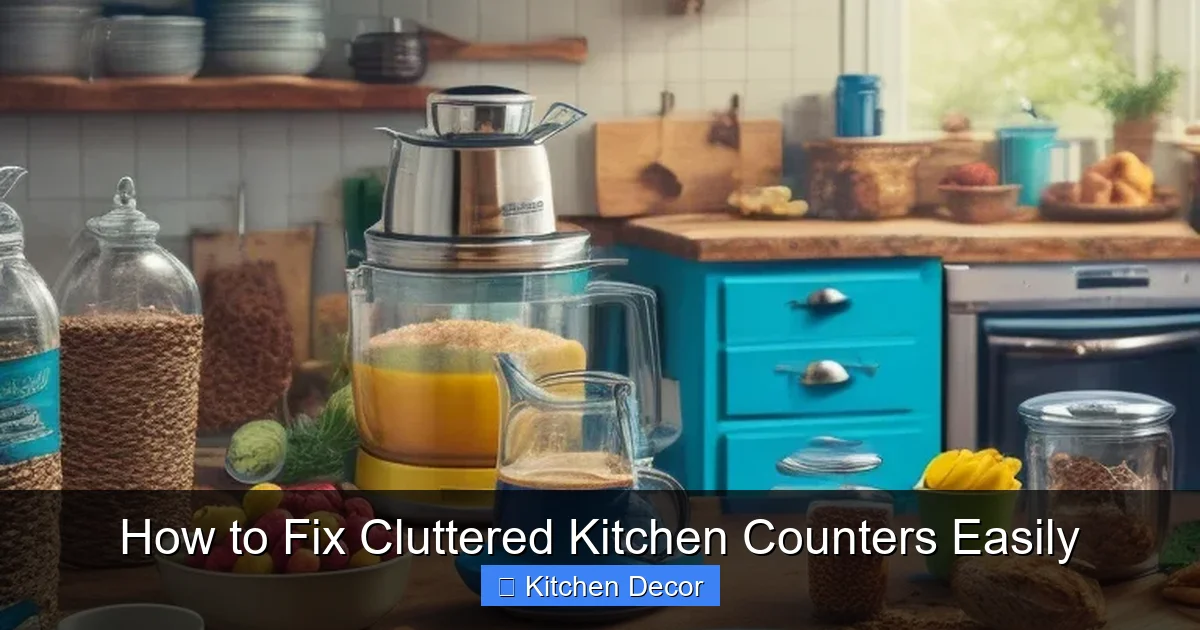
Visual guide about How to Fix Cluttered Kitchen Counters Easily
Image source: oneperfectroom.com
Prep Zone
This is where you do most of your food preparation. Ideally, it should be near your sink and cutting board. Items that belong here might include your knife block (if used daily), a small cutting board (if you use it frequently and don’t have drawer space), and perhaps a small container for cooking utensils.
Cooking Zone
Located near your stove, this zone should house items you need while cooking. Examples include salt and pepper shakers, frequently used oils, and a utensil crock for spatulas and spoons. Keep this area minimal to allow for hot pot placement and easy cleanup.
Coffee/Breakfast Zone
If you’re a coffee or tea lover, dedicating a small area to your morning ritual can be a game-changer. Your coffee maker, toaster, and perhaps a small canister of sugar or tea bags can live here. Keeping these items together creates a neat station and frees up other counter space.
Landing Strip/Drop Zone (and how to avoid it becoming cluttered)
This is often the counter space near your entry point into the kitchen. While it’s tempting to let it become a catch-all, intentionally design it. Maybe it’s where keys go, or a charging station for phones. The key is to limit items and have a specific container for them. A small tray for keys and mail, for example, can prevent a messy pile-up. The goal is to avoid an accidental junk magnet.
Practical Tip: Visualize your zones with painter’s tape on your empty counters. This helps you see how much space each activity needs and where your core items will live.
Step 3: Vertical Storage – Look Up, Not Out!
One of the best ways to fix cluttered kitchen counters easily when space is at a premium is to utilize vertical space. Think upwards! This often-overlooked area can double or even triple your usable storage without expanding your kitchen’s footprint.
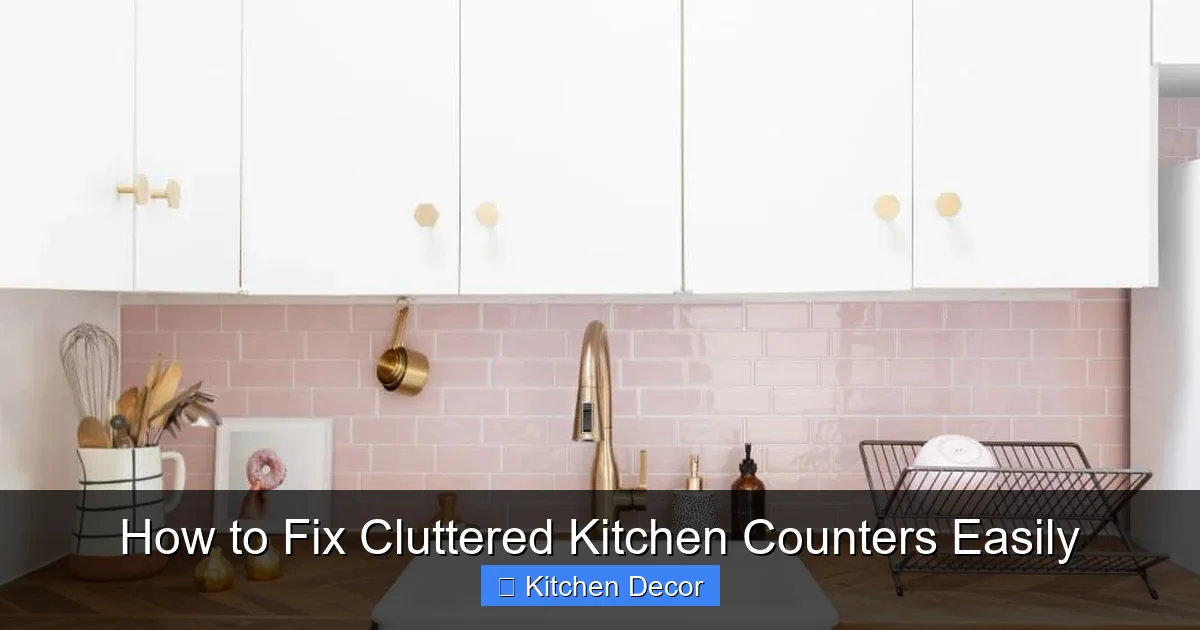
Visual guide about How to Fix Cluttered Kitchen Counters Easily
Image source: i.pinimg.com
Shelves and Risers
Install floating shelves on an empty wall to store cookbooks, decorative items, or even frequently used dishes. Inside cabinets, use shelf risers to create multiple levels, allowing you to stack plates or mugs more efficiently and freeing up counter space. Wire shelving units can also be great for pantries or utility closets, pulling items off the counter completely.
Wall-Mounted Organizers
Consider a wall-mounted magnetic knife strip to free up the space a knife block takes. A pegboard can be incredibly versatile for hanging pots, pans, and utensils, creating an attractive and functional display. Pot racks above an island or stove are another excellent way to get bulky items off the counter. Even simple hooks under cabinets can hold mugs or kitchen towels.
Under-Cabinet Solutions
Don’t forget the space directly under your upper cabinets. Many products are designed to attach here, such as paper towel holders, spice racks, or even small baskets for frequently used items. This keeps essentials close at hand but off the main counter surface.
Practical Tip: Before buying any vertical storage, measure your space carefully. Consider the height of your items and the clearance needed. A little planning goes a long way!
Step 4: Smart Storage Solutions – Taming the Countertop Chaos
Even with vertical storage, some items will inevitably live on your counters. The trick is to store them smartly to reduce visual clutter and maximize functionality. This step is about making your “Keep” items look intentional and organized.
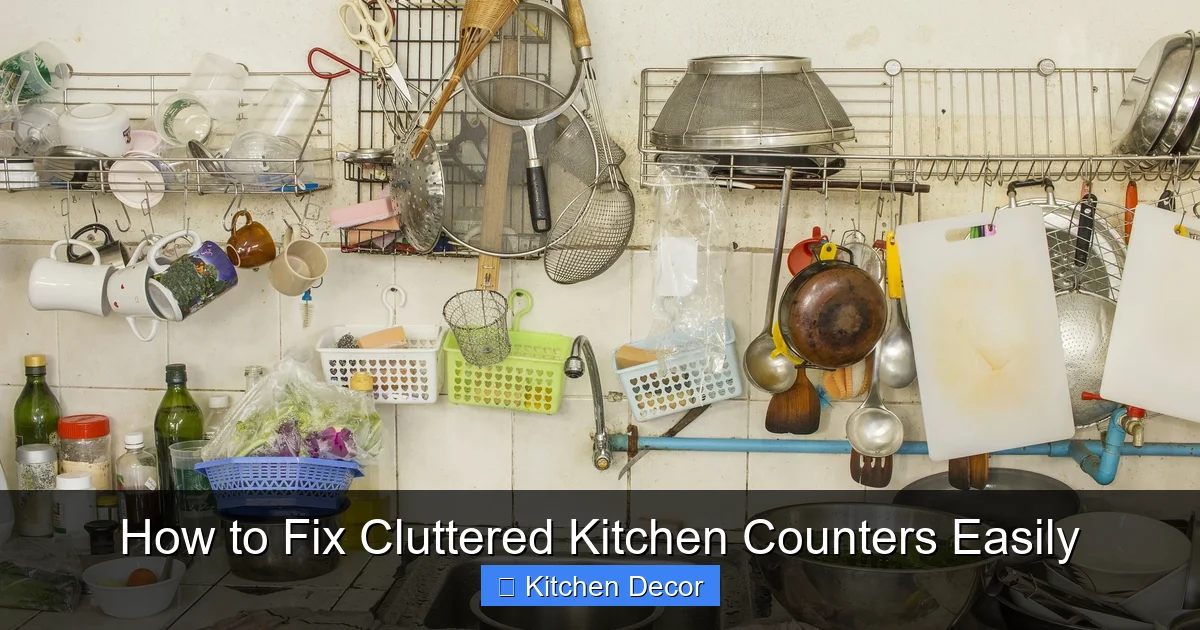
Visual guide about How to Fix Cluttered Kitchen Counters Easily
Image source: granitecreekcabinetry.com
Trays and Baskets
These are your best friends for grouping similar items. A stylish tray can hold your oils, salt, and pepper in the cooking zone. A decorative basket can contain mail and keys in your landing strip. Another basket might hold napkins and placemats if you use them often. By corralling items, you instantly make the counter look neater and more purposeful. It’s a brilliant way to fix cluttered kitchen counters easily with minimal effort.
Canisters and Jars
For frequently used dry goods like flour, sugar, coffee, or even pet treats, invest in attractive, airtight canisters. These not only keep your ingredients fresh but also create a uniform, aesthetically pleasing look. Clear jars are great for showing off colorful pasta, beans, or snacks, adding a touch of decor while being functional.
Appliance Garages/Cabinets
If you have small appliances you use regularly but don’t want permanently on display (like a toaster oven, blender, or food processor), consider an “appliance garage” or a dedicated cabinet shelf. An appliance garage is a cabinet designed to hide these items when not in use. If you don’t have one, designate a lower cabinet or pantry shelf for larger, heavier appliances. Pull them out when needed, then tuck them away.
Knife Blocks vs. Drawer Inserts
A knife block can take up significant counter space. If you have drawer space, consider a dedicated in-drawer knife organizer. It keeps your knives safe, sharp, and completely off the counter. If you prefer a block, ensure it’s slim and holds only your most used knives.
Practical Tip: Choose storage solutions that match your kitchen’s style. This helps them blend in and become part of your decor rather than just another item adding to visual clutter.
Step 5: Master the Art of Less – The “Rule of Three” (or Five)
To truly fix cluttered kitchen counters easily and keep them that way, you need to cultivate a mindset of minimalism and intentionality. Less is often more, especially on prime kitchen real estate.
Minimalist Decor
While some decorative touches can enhance your kitchen, too much can quickly lead to clutter. Aim for a “Rule of Three” (or five) for decor items on your counter. This means limiting yourself to three (or five) non-essential items per counter section. This could be a small plant, a decorative bowl, and a single piece of art. The goal is to add personality without sacrificing functionality.
One-In, One-Out Policy
To prevent new clutter from accumulating, adopt a “one-in, one-out” rule. If you buy a new kitchen gadget, piece of decor, or even a mug, commit to getting rid of an old one. This prevents your collection from growing unchecked and forces you to continually evaluate what you truly value and use.
Daily Tidy-Up Habit
The most effective long-term strategy is to develop a quick daily tidy-up habit. Before you leave the kitchen for the night, spend just 5-10 minutes resetting. Wipe down counters, put away dishes, and return items to their designated homes. This simple routine prevents small messes from snowballing into overwhelming clutter.
Practical Tip: Embrace empty space. An empty stretch of counter isn’t wasted space; it’s serene, functional space that allows for easy prep and gives your eyes a break. It’s a key ingredient in making your kitchen feel bigger and less stressful.
Step 6: Maintain Your Countertop Zen – Long-Term Habits
Decluttering is a project; maintenance is a lifestyle. To ensure your efforts to fix cluttered kitchen counters easily last, you need to embed new habits into your daily and weekly routines.
The 5-Minute Rule
If a task takes less than five minutes, do it immediately. This applies to wiping down a spill, putting away groceries, loading a dish, or sorting mail. Procrastinating on small tasks is how clutter starts to accumulate imperceptibly.
Weekly Reset
Beyond the daily tidy, schedule a weekly “kitchen reset.” This might involve a slightly deeper clean, checking your defined zones, and ensuring everything is truly in its place. This is also a good time to reassess any items that might have crept back onto the counters and need relocating or re-evaluating.
Seasonal Decluttering
Twice a year (e.g., spring and fall), do a quick, mini-decluttering session. Go through your small appliances, pantry, and drawers. This prevents items from piling up slowly over time and ensures your kitchen remains optimized for your current needs.
Practical Tip: Involve the whole family. If everyone understands the system and participates in the daily tidy-up, it becomes much less of a burden on any single person. Assign small, age-appropriate tasks to children, like putting away their snack containers or helping to clear the table.
Troubleshooting: When Clutter Fights Back
Even with the best intentions, you might face some common challenges. Here’s how to address them and keep moving forward to truly fix cluttered kitchen counters easily.
“But I use everything!”
It’s easy to convince ourselves that we need every single item. Reframe your thinking: do you use it *daily* or *weekly*? If not, does it deserve prime counter real estate? Many items used monthly or less often can live in a cabinet or pantry. If it’s something you use once a year, store it elsewhere and bring it out only when needed.
Limited Cabinet Space
If your cabinets are truly packed, you have a few options:
- More ruthless decluttering: Can you donate more? Get rid of specialty items you rarely use?
- Off-site storage: For very seasonal items (e.g., holiday serving dishes), consider storing them in a basement, garage, or dedicated storage area.
- Creative storage: Use drawer organizers, lazy susans, stackable containers, and the vertical space tips mentioned earlier (wall shelves, pegboards). Look for opportunities to add small furniture pieces like a kitchen cart or a slim pantry cabinet if space allows.
Family Members Not Cooperating
This is a common hurdle!
- Communicate clearly: Explain *why* you want clear counters (less stress, easier cooking).
- Lead by example: Consistently put your own items away.
- Designate specific drop zones: Give them a small, controlled area for their keys, phones, etc., using a stylish tray.
- Make it a game: For kids, make a “cleanup race.”
- Tackle shared spaces first: Focus on areas that bother everyone equally.
Overwhelm and Procrastination
If the task feels too big, break it down. Don’t try to do your whole kitchen at once. Start with just one small section of a counter. Set a timer for 15 minutes and work only on that. Once that section is clear, you’ll feel a sense of accomplishment that can motivate you to do more. Remember, even small steps help you fix cluttered kitchen counters easily.
Conclusion
Congratulations! You now have a comprehensive roadmap to fix cluttered kitchen counters easily and transform your kitchen into a more organized, functional, and peaceful space. It’s not about perfection, but about creating a system that works for you and your household.
By taking the time to declutter thoughtfully, define zones, embrace vertical storage, use smart organizing solutions, and cultivate consistent maintenance habits, you’re not just tidying up – you’re reclaiming your space and your sanity. Imagine walking into a kitchen where you can immediately find what you need, cook without obstruction, and simply enjoy the beauty of clear surfaces.
Start small, be patient with yourself, and celebrate every victory along the way. Your journey to a clutter-free kitchen begins now. Enjoy the calm and clarity that await you!