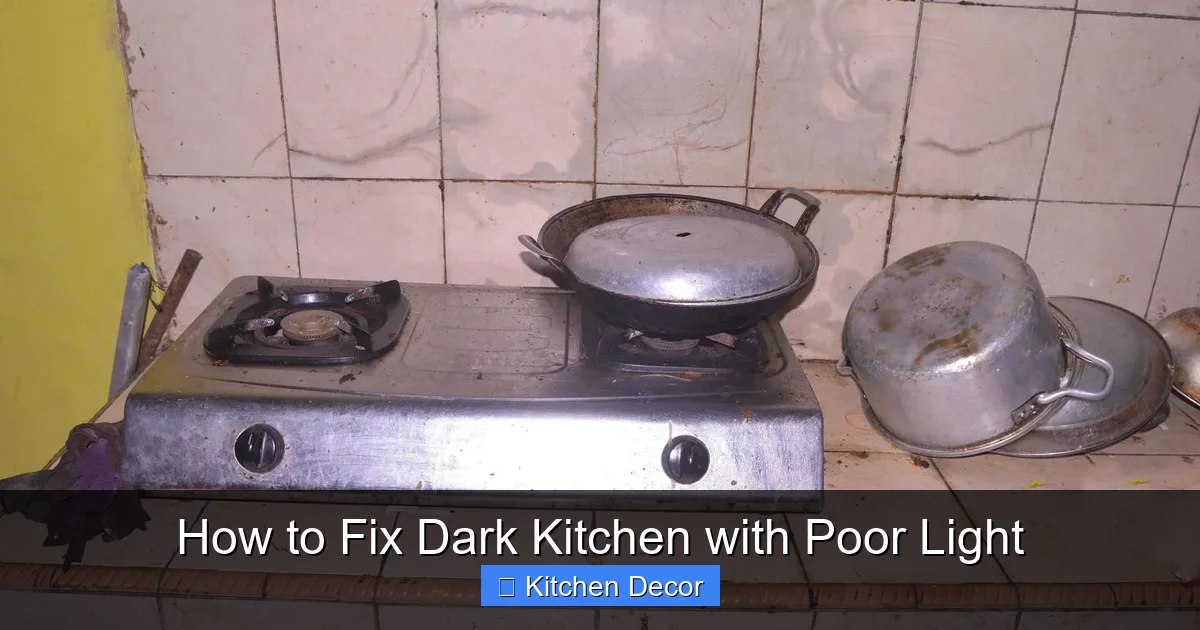
Is your kitchen feeling like a cave? This comprehensive guide will show you exactly how to transform a dark kitchen with poor light into a bright, inviting culinary haven. We’ll cover everything from maximizing natural light and selecting the perfect artificial lighting layers to choosing colors and materials that reflect brightness. Say goodbye to dim cooking and hello to a vibrant, well-lit kitchen!
How to Fix Dark Kitchen with Poor Light
Do you ever walk into your kitchen and feel like you’ve entered a cave? Many homeowners grapple with a dark kitchen that suffers from poor light, making it less inviting, harder to work in, and simply depressing. Whether your kitchen lacks natural light, has inadequate artificial lighting, or is simply designed with light-absorbing elements, the good news is that you don’t have to live with it. Transforming a dark kitchen into a bright, airy, and functional space is entirely achievable with the right strategies.
This comprehensive guide will walk you through every step to fix your dark kitchen with poor light. We’ll cover everything from maximizing natural light and choosing the perfect artificial lighting scheme to selecting colors, materials, and decor that actively brighten your space. Get ready to illuminate your culinary world and make your kitchen the heart of your home once again!
Key Takeaways
- Start with Natural Light: Prioritize cleaning windows, removing obstructions, and using light, reflective window treatments to maximize the natural light available.
- Implement Layered Artificial Lighting: Don’t rely on a single overhead fixture. Combine ambient (general), task (work areas), and accent (decorative) lighting for a well-rounded and functional illumination scheme.
- Choose the Right Light Bulbs: Understand lumens for brightness and Kelvin for color temperature. Opt for brighter bulbs (higher lumens) and consider cooler temperatures (3500K-4500K) for a more vibrant, alert feel in task areas, while warmer tones can create a cozy atmosphere in dining zones.
- Brighten with Colors and Materials: Light-colored paints on walls and ceilings, light cabinetry, and reflective surfaces like glass backsplashes or stainless steel appliances dramatically help to bounce light around the room.
- Add Reflective Decor: Mirrors, metallic accents, and shiny decorative elements can act as secondary light sources, reflecting existing light and making the space feel larger and brighter.
- Declutter for Maximum Impact: A cluttered kitchen absorbs light. Keep countertops clear and organize your space to allow light to travel freely and prevent shadows.
- Consider Smart Solutions: Dimmers and smart lighting systems offer flexibility, allowing you to adjust brightness and color temperature to suit different moods and tasks throughout the day.
Step 1: Assess Your Current Kitchen Lighting Situation
Before you can brighten your dark kitchen, you need to understand why it’s dark in the first place. Taking stock of your current lighting environment is the crucial first step. Grab a notepad and walk through your kitchen, observing closely.
Identify Natural Light Sources
Start by looking at your windows and doors. How many do you have? What direction do they face? A north-facing window might offer consistent, soft light, but never direct sun. A south-facing window, on the other hand, can provide abundant light for much of the day.
* Window Size and Placement: Are your windows small? Are they obstructed by external elements like trees or neighboring buildings?
* Window Treatments: Are your curtains or blinds heavy, dark, or frequently closed? These can be major culprits in blocking precious natural light.
* External Obstructions: Look outside. Are there large bushes, awnings, or even patio furniture blocking light from entering your windows?
Understanding the amount and quality of natural light your kitchen receives will dictate how much you need to rely on artificial solutions. If you have minimal natural light, your artificial lighting strategy will be even more critical.
Evaluate Existing Artificial Lighting
Next, consider your current artificial lights. Many dark kitchens suffer from having just one central overhead fixture, which often creates shadows and leaves corners dim.
* Types of Fixtures: What kind of light fixtures do you have? Is it a single ceiling light, a few recessed lights, under-cabinet lighting, or none of the above?
* Bulb Types and Brightness: What kind of bulbs are you using? Are they incandescent, fluorescent, or LED? More importantly, how bright are they (measured in lumens) and what is their color temperature (measured in Kelvin)? Warm, dim bulbs can contribute to a dark, gloomy feeling.
* Placement and Coverage: Do your lights illuminate all key work areas (sink, stove, countertops) effectively? Are there shadowed spots where you frequently prepare food? Is the overall ambient light sufficient, or do you feel like you’re squinting?
* Switches and Dimmers: Do you have dimmers installed? Dimmers offer flexibility and can change the mood and functionality of your kitchen.
Consider Your Kitchen Layout and Colors
The physical attributes of your kitchen play a huge role in how light behaves.
* Layout: An L-shaped or U-shaped kitchen might have naturally darker corners than a galley kitchen. Tall cabinets can also cast long shadows.
* Cabinetry: Are your cabinets dark wood, or a deep, opaque color? Dark cabinets absorb a lot of light, making the entire space feel smaller and darker.
* Countertops and Flooring: Dark countertops and flooring, while stylish, can also contribute to a light-absorbing environment.
* Wall Color: Is your paint color dark or rich? Even a medium tone can make a significant difference if your natural light is already limited.
By thoroughly assessing these points, you’ll have a clear roadmap for where to focus your efforts to fix your dark kitchen with poor light.
Step 2: Maximize Natural Light (The Foundation)
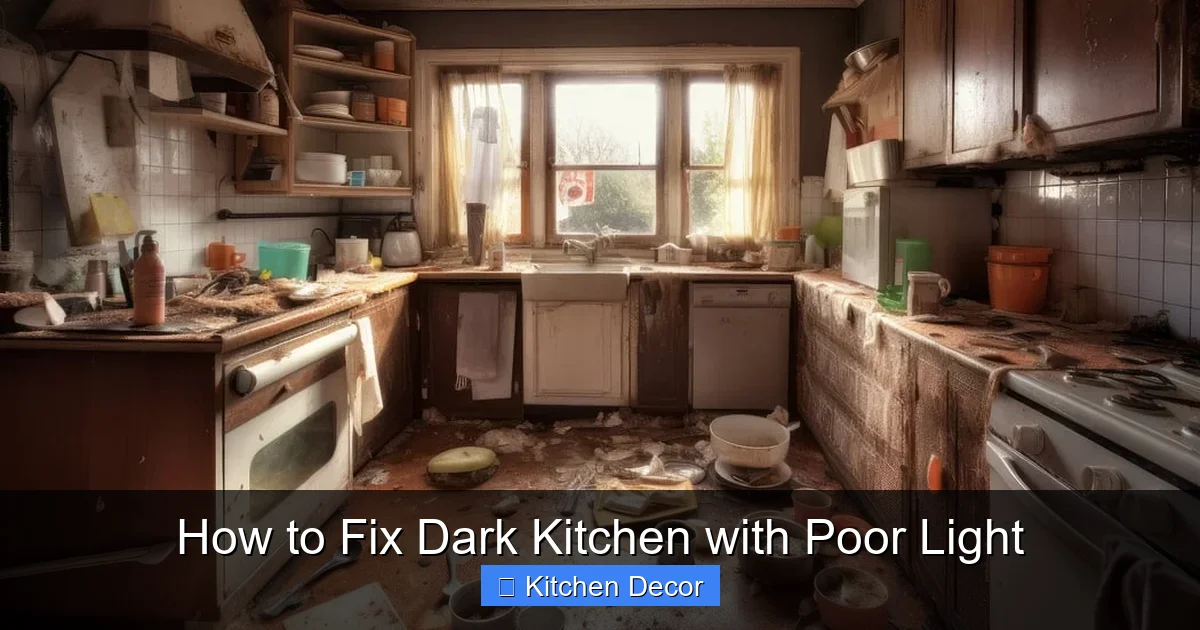
Visual guide about How to Fix Dark Kitchen with Poor Light
Image source: static.vecteezy.com
The cheapest and most effective way to brighten a dark kitchen is to harness as much natural light as possible. This is your first line of defense against poor light.
Clean Windows and Remove Obstructions
It sounds simple, but truly clean windows make a huge difference. Dust, grime, and streaks can significantly reduce the amount of light entering your home.
* Practical Tip: Make cleaning your kitchen windows (inside and out) a regular chore. You’ll be amazed at the immediate difference.
* External Obstructions: Trim back any overgrown bushes or tree branches that are casting shadows on your windows. If you have an awning, ensure it’s not overly large or dark, blocking too much light. Consider replacing heavy window screens with clearer, less obstructive mesh if necessary.
Choose Light Window Treatments
Heavy drapes and dark blinds are notorious for blocking light, even when open.
* Practical Tip: Opt for sheer curtains, light-colored blinds (like white or off-white venetian or roller blinds), or Roman shades in a translucent fabric. These allow light to filter in while still providing privacy.
* Cafe Curtains: If privacy isn’t a huge concern, consider cafe curtains that cover only the lower half of the window, leaving the top open for maximum light.
* No Treatments: If privacy allows, consider no window treatments at all for an uninhibited flow of light.
Strategically Place Mirrors and Reflective Surfaces
Mirrors aren’t just for bathrooms and bedrooms. In a kitchen, a well-placed mirror can work wonders to reflect light and make the space feel larger.
* Practical Tip: Hang a mirror on a wall opposite a window to bounce natural light deep into the room. Even a smaller decorative mirror can help.
* Reflective Finishes: Incorporate materials like stainless steel appliances, chrome fixtures, and glass cabinet fronts. These surfaces catch and reflect light, preventing your kitchen from feeling like a dark cave.
Step 3: Implement Layered Artificial Lighting (The Game Changer)
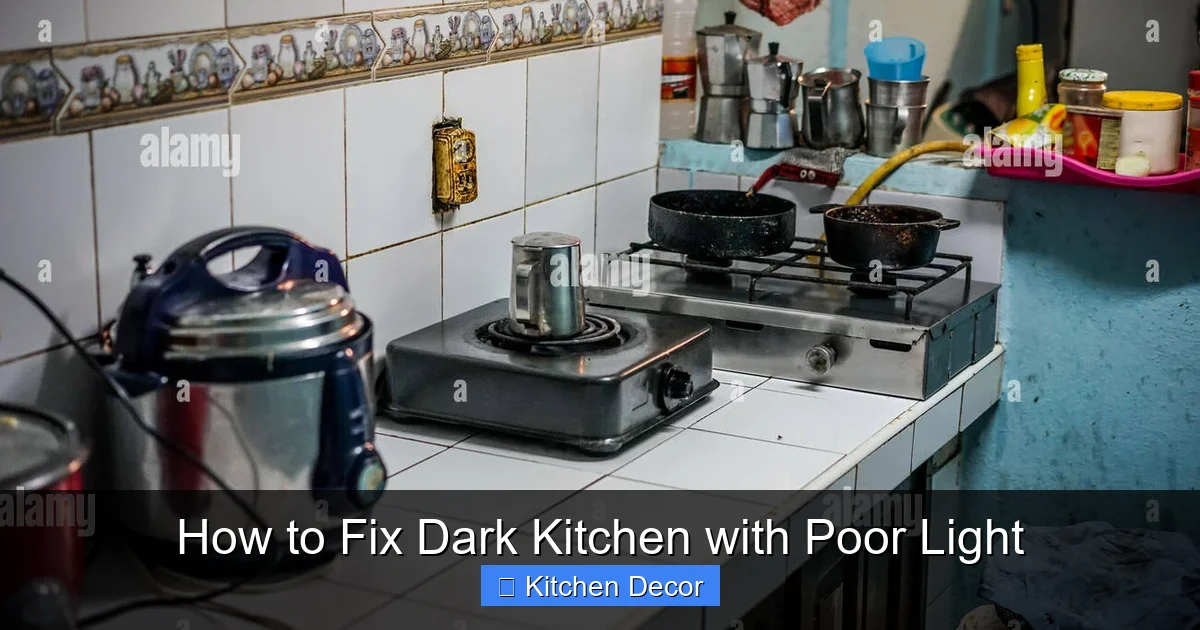
Visual guide about How to Fix Dark Kitchen with Poor Light
Image source: c8.alamy.com
Relying on a single overhead light is a recipe for a dark kitchen. The secret to a well-lit kitchen is layered lighting, which combines different types of light to provide ambient brightness, task-specific illumination, and decorative accents.
Ambient Lighting: The General Glow
Ambient lighting provides the overall illumination for your kitchen. It’s the base layer that prevents the space from feeling dark and gloomy.
* Ceiling Fixtures:
* Flush Mounts or Semi-Flush Mounts: These are great for general lighting in kitchens with standard ceiling heights. Choose fixtures with multiple bulbs or a good diffuser to spread light evenly.
* Recessed Lighting: A popular choice, recessed lights provide clean, unobtrusive ambient light. Space them evenly across the ceiling to avoid dark spots. Use wider beam angles for general illumination.
* Pendant Lights: While often used for task lighting over islands, larger pendants or multiple pendants can contribute significantly to ambient light, especially if they have diffused shades.
* Practical Tip: For a dark kitchen, aim for brighter ambient lighting than you might typically use. Consider installing dimmers on your ambient lights so you can adjust the brightness for different times of day or activities.
Task Lighting: Where You Need It Most
Task lighting is crucial for functionality. It illuminates specific work zones, making chopping, cooking, and reading recipes safe and easy. Without adequate task lighting, your kitchen will always feel like it has poor light in critical areas.
* Under-Cabinet Lighting: This is arguably the most important task lighting for a kitchen. It eliminates shadows cast by upper cabinets onto your countertops.
* H3: LED Strip Lights: Energy-efficient and easy to install, LED strips provide continuous, even light across your workspace. They come in various color temperatures to match your overall lighting scheme.
* H3: Puck Lights: Smaller, circular lights that offer focused illumination. Great for specific spots or smaller sections of cabinets.
* Pendant Lights over Islands or Peninsulas: Pendants are excellent for task lighting over kitchen islands, peninsulas, or breakfast bars. They direct light downwards onto the workspace.
* Practical Tip: Choose pendants that provide clear, focused light without excessive glare. The height is critical – typically 30-36 inches above the countertop, but adjust for ceiling height and personal preference.
* Recessed Lights over Specific Work Zones: In addition to ambient recessed lighting, you can install focused recessed lights directly over the sink, stove, or primary prep areas. Use narrower beam angles for these task-specific spots.
* Over-Sink Lighting: A dedicated fixture above the sink (like a small pendant or flush mount) ensures you have good visibility for dishwashing and prep.
Accent Lighting: Adding Drama and Depth
Accent lighting adds visual interest, highlights architectural features, or showcases decor. While not directly aimed at fixing poor light, it can make a dark kitchen feel more sophisticated and less flat.
* In-Cabinet Lighting: If you have glass-front cabinets, lighting the interior can display your dishware and add a soft glow.
* Toe-Kick Lighting: LED strips installed under base cabinets can provide a subtle, inviting glow, especially at night, acting as a nightlight and making the floor space appear larger.
* Picture Lights: If you have artwork or shelving you want to highlight, small picture lights can draw attention and add a warm glow.
* Practical Tip: Accent lighting should be dimmer than ambient and task lighting, creating depth without overpowering the main illumination.
Step 4: Choose the Right Light Bulbs (Color Temperature and Brightness)

Visual guide about How to Fix Dark Kitchen with Poor Light
Image source: thesgfrstore.com
The type of bulb you use is just as important as the fixture itself. The wrong bulbs can make even the best lighting scheme feel off, contributing to a dark kitchen feel.
Understanding Lumens vs. Watts
Forget watts for brightness! Watts measure energy consumption, while lumens measure the actual brightness of a light bulb.
* Practical Tip: When buying bulbs, always check the lumen output. For a dark kitchen, you’ll generally want higher lumen bulbs, especially for ambient and task lighting.
* For general ambient light in a kitchen, aim for around 500-1000 lumens per fixture, or more if the space is large or very dark.
* For task lighting, you might need 800-1200 lumens over a specific area.
Selecting Color Temperature (Kelvin Scale)
Color temperature (measured in Kelvin, K) describes the hue of the light emitted. This significantly impacts the mood and perceived brightness of a room.
* Warm White (2700K-3000K): This light has a yellowish, cozy glow, similar to traditional incandescent bulbs. It’s great for dining areas or creating a relaxed atmosphere, but too much can make a dark kitchen feel even warmer and less vibrant.
* Cool White/Neutral White (3500K-4500K): This is often recommended for kitchens. It’s a crisp, clean light that mimics natural daylight, making colors appear truer and boosting alertness. It’s excellent for task lighting and general ambient light in a kitchen struggling with poor light.
* Daylight (5000K-6500K): This is a very bright, bluish-white light. While it provides maximum clarity and can make a dark kitchen feel very bright, it can sometimes feel stark or clinical. Best used sparingly for specific task areas or in spaces with very little natural light.
* Practical Tip: A common strategy is to use cool white (3500K-4000K) for general and task lighting throughout the main kitchen area, and perhaps a slightly warmer tone (3000K) for pendant lights over a breakfast bar or a more relaxed dining nook. Consistency within a single area is key.
Smart Lighting Options
Consider smart bulbs and fixtures. They offer unparalleled flexibility.
* Practical Tip: Smart bulbs allow you to change both brightness and color temperature with an app or voice command. This means you can have bright, cool light for cooking and then switch to a warmer, dimmer setting for evening entertaining – a true game-changer for a versatile kitchen. Smart dimmers are also a great investment.
Step 5: Brighten Up Your Kitchen with Color and Material Choices
Even with perfect lighting, a dark kitchen with poor light will still feel heavy if the colors and materials absorb all the illumination. Light-reflecting surfaces are your allies.
Light Paint Colors for Walls and Ceilings
This is one of the most impactful changes you can make.
* Practical Tip: Paint walls and ceilings in light, reflective colors such as off-white, cream, pale grey, light pastels (like soft blue or mint green), or even pure white. Lighter colors bounce light around the room, making it feel larger and significantly brighter.
* Sheen Matters: Opt for an eggshell or satin finish on walls and semi-gloss on trim. These finishes have a slight sheen that helps reflect light more effectively than flat paint. Ceilings should generally be white to maximize light reflection downwards.
Choose Lighter Cabinetry and Countertops
Dark cabinets and countertops can be beautiful, but they are major light absorbers.
* Practical Tip: If you’re renovating, choose white, off-white, light grey, or pale wood cabinetry. If renovating isn’t an option, consider painting your existing cabinets a lighter color. This can dramatically transform the feel of your dark kitchen.
* Countertops: Opt for light-colored countertops like white quartz, light granite, or pale laminate. Their reflective properties will contribute significantly to brightening the space.
Incorporate Reflective Backsplashes and Finishes
The surfaces between your counters and upper cabinets offer another opportunity to reflect light.
* Practical Tip: Install a backsplash made of glossy subway tiles, glass tiles, or polished marble. These materials have a natural sheen that catches and reflects light. Stainless steel can also work well.
* Flooring: While less impactful than walls and ceilings, lighter-colored flooring (light wood, pale tiles) will also help reflect light upwards, making the whole room feel brighter.
Declutter and Organize
A cluttered space inherently feels darker and more cramped. Clutter creates shadows and visually weighs down a room.
* Practical Tip: Clear your countertops of unnecessary appliances and gadgets. Store items in cabinets or drawers. A clean, organized kitchen allows light to travel freely and makes the space feel more open and airy. Every little bit helps when you’re trying to fix a dark kitchen with poor light.
Step 6: Add Reflective Decor and Accessories
Don’t underestimate the power of small details to enhance brightness and reflect light.
Metallic Accents
Shiny metals are excellent at bouncing light.
* Practical Tip: Incorporate metallic elements through hardware (cabinet pulls, faucet), light fixtures (chrome, brushed nickel, polished brass), and even small decorative items.
Glassware and Mirrors
Beyond large mirrors, smaller glass items can contribute.
* Practical Tip: Display clear glass vases, bowls, or even glassware inside glass-front cabinets. These transparent and reflective items add sparkle and diffuse light.
Shiny Appliances
If you have stainless steel appliances, ensure they are kept clean and polished. Their reflective surfaces contribute to overall brightness. If replacing, consider light-colored appliances.
Troubleshooting Common Dark Kitchen Problems
Even with all these tips, sometimes issues can arise. Here are quick fixes for common problems when trying to fix a dark kitchen with poor light.
Still Too Dark After Adding Lights?
* Check Lumens: Are your bulbs bright enough? You might need higher lumen output for ambient or task lighting.
* Review Color Temperature: If your lights are all very warm (2700K-3000K), try switching some to a cooler white (3500K-4000K) to give a crisper, brighter feel.
* Add More Layers: Perhaps you’re missing a key layer. Did you implement task lighting under cabinets? Is your ambient lighting evenly distributed?
* Consider a Light Tube/Sun Tunnel: If you have an attic space above your kitchen, a light tube can bring natural light from your roof down into your kitchen, even in interior rooms without windows. This is a more involved solution but highly effective for truly dark spaces.
Glare Issues?
* Use Dimmers: Dimmers are your best friend. They allow you to control the intensity of light, reducing glare when full brightness isn’t needed.
* Diffusers: Choose light fixtures with diffusers (frosted glass or plastic covers) that spread light evenly and reduce harsh spots.
* Angle Task Lights: Ensure under-cabinet lights are angled to illuminate the countertop directly, not shine into your eyes.
Not Sure Where to Start?
* One Step at a Time: Start with the easiest and cheapest changes first, like cleaning windows, updating window treatments, and changing light bulbs. See what impact these make.
* Consult a Professional: If your kitchen has complex lighting needs, or if you’re undertaking a major renovation, consider consulting a lighting designer or an electrician. They can provide tailored advice and ensure safe, effective installation.
Conclusion
A dark kitchen with poor light can feel like a significant challenge, but with a thoughtful approach, it’s a problem that’s entirely fixable. By systematically assessing your current situation, maximizing natural light, implementing a layered artificial lighting scheme, selecting the right bulbs, and choosing light-reflecting colors and materials, you can transform your culinary space. Remember, even small changes can make a big difference. Embrace these strategies, and you’ll soon be enjoying a bright, inviting, and highly functional kitchen that you love spending time in. Say goodbye to the gloom and hello to a beautifully illuminated heart of your home!