
Every kitchen has that awkward, unused kitchen corner space that seems to defy organization. This comprehensive guide will walk you through various solutions, from smart storage installations like Lazy Susans and pull-out shelves to creating charming display areas or dedicated functional zones. Learn how to maximize every inch of your kitchen, turning forgotten corners into highly efficient and aesthetically pleasing parts of your home.
How to Fix Unused Kitchen Corner Space
Hello, fellow home improvers! Do you ever stare at that awkward, cavernous area in your kitchen, the one tucked away in the corner, and sigh? You know the one—it’s usually a dark, hard-to-reach spot that seems to collect dust bunnies rather than useful kitchen items. This is your unused kitchen corner space, and it’s a universal design challenge. But fear not! You’re not alone, and more importantly, you don’t have to live with it.
That seemingly dead space holds immense potential. By “fixing” your unused kitchen corner space, you’re not just decluttering; you’re unlocking valuable storage, enhancing your kitchen’s functionality, and even boosting its aesthetic appeal. Imagine a kitchen where every inch works for you, where no pot, pan, or appliance is left without a home, and where your corners become clever focal points.
This comprehensive guide will walk you through a step-by-step process to transform your unused kitchen corner space from a perplexing void into a productive and beautiful part of your home. We’ll explore everything from smart storage solutions to creative display ideas, ensuring you find the perfect fix for your unique kitchen and lifestyle. Get ready to reclaim your kitchen corners!
Key Takeaways
- Assess Your Needs First: Before starting any project, carefully evaluate what kind of items you need to store and how much space you genuinely have in your unused kitchen corner space. This prevents wasted effort and ensures effective solutions.
- Embrace Corner-Specific Solutions: Standard cabinets often don’t fit well. Explore specialized corner hardware like Lazy Susans, blind corner pull-outs, or diagonal cabinets to truly maximize accessibility and storage in your unused kitchen corner space.
- Utilize Vertical Space: Don’t just think horizontally. Add floating shelves, tiered organizers, or wall-mounted racks to take advantage of the vertical dimensions of your unused kitchen corner space, creating more storage without increasing the footprint.
- Consider Functional Zones: Transform an unused kitchen corner space into a dedicated area like a coffee station, a small appliance garage, a charging hub, or even a compact pet feeding station, adding specialized functionality to your kitchen.
- Balance Aesthetics with Functionality: While practical storage is key, also think about how the corner space integrates with your overall kitchen design. Use decorative baskets, plants, or display items to make the corner visually appealing, turning an unused kitchen corner space into a focal point.
- DIY vs. Professional Help: Simple solutions like floating shelves can be DIY-friendly. For more complex cabinet installations or custom builds, don’t hesitate to consult professionals to ensure a high-quality and lasting fix for your unused kitchen corner space.
- Maintain and Adapt: Once your corner is fixed, keep it organized with regular decluttering. Be open to adapting its function as your kitchen needs evolve, ensuring your “fixed” unused kitchen corner space remains efficient over time.
Step 1: Assess Your Unused Corner Space and Needs
Before you start buying organizers or tearing out cabinets, the very first and most crucial step is to understand your specific unused kitchen corner space and what you need from it. A little planning goes a long way.
1.1 Measure Your Corner Accurately
Grab a tape measure! Jot down the exact dimensions of your unused kitchen corner space. This includes the width of each wall leading into the corner, the depth from the corner out, and the available vertical height. Pay attention to any obstructions like window sills, electrical outlets, or door frames. Accurate measurements are foundational for choosing the right solutions.
1.2 Evaluate Your Storage Requirements
What do you desperately need to store? Are you overflowing with pots and pans? Do you have too many small appliances? Or is it spices, pantry items, or maybe even cookbooks that need a home?
- Heavy and Bulky Items: Pots, pans, Dutch ovens, stand mixers.
- Small Appliances: Toasters, blenders, coffee makers, food processors.
- Pantry Staples: Cans, dry goods, snacks.
- Dishes and Glassware: Infrequently used serving platters, extra dishes.
- Linens: Dish towels, placemats.
- Display Items: Cookbooks, decorative pieces, plants.
Understanding your storage gaps will guide your choices for your unused kitchen corner space.
1.3 Consider Accessibility and Usage Frequency
How often will you need to access items stored in this corner?
- Daily Use: Items like coffee mugs or frequently used spices need to be easily accessible.
- Weekly Use: Small appliances or daily pantry items.
- Infrequent Use: Holiday dishes or specialty cookware can be stored in deeper, less accessible spots.
This consideration helps determine whether you need a pull-out solution, open shelving, or a simple stationary cabinet.
1.4 Analyze Your Kitchen’s Style and Flow
Your new corner solution should complement your existing kitchen design. Are your cabinets modern and sleek, or more traditional? What is the overall color scheme? Also, consider how the new setup will impact the flow of traffic in your kitchen. You don’t want to create a bottleneck by adding something too bulky to your unused kitchen corner space.
Step 2: Explore Smart Storage Solutions for Corner Cabinets
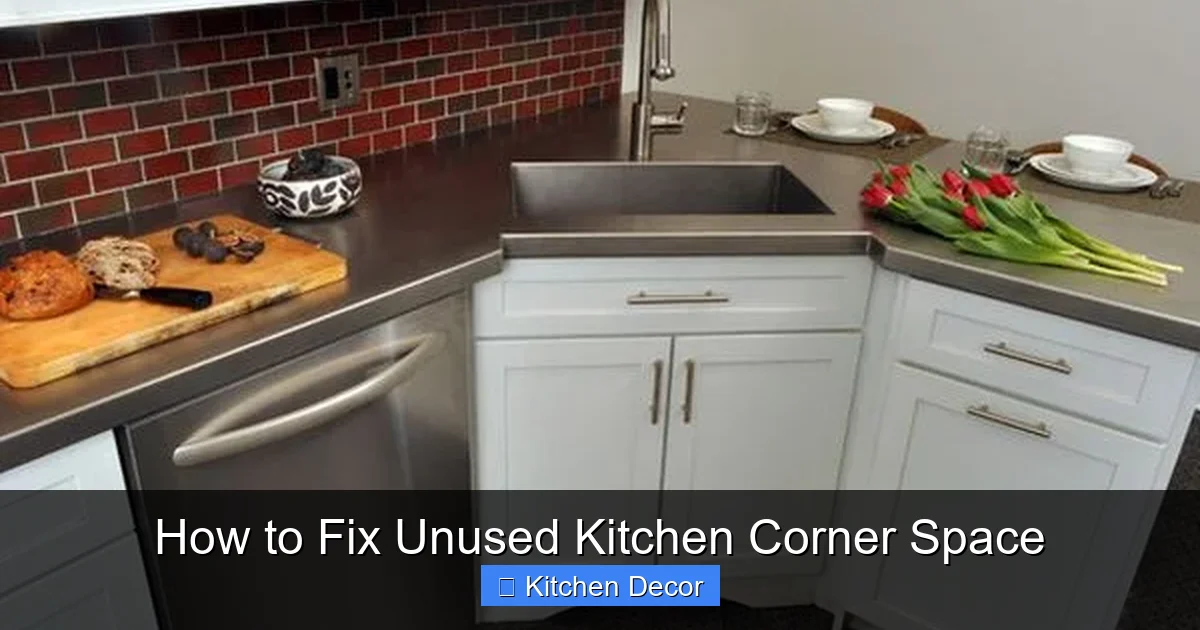
Visual guide about How to Fix Unused Kitchen Corner Space
Image source: pepuphome.com
If you have existing corner cabinets, or if you’re planning new cabinetry, there are ingenious solutions specifically designed to conquer the challenges of an unused kitchen corner space.
2.1 Install a Lazy Susan
The classic Lazy Susan is a rotating turntable that makes contents easily accessible.
- Full-Round Lazy Susans: Best for full-height corner cabinets, often with two or three rotating shelves.
- Pie-Cut Lazy Susans: Designed for corner base cabinets, these have a section cut out, often attaching directly to the cabinet door, so the shelves rotate out as the door opens.
- Kidney-Shaped Lazy Susans: Similar to pie-cut but with a more rounded indentation, maximizing storage space while still allowing door closure.
Tip: A Lazy Susan is perfect for pots, pans, small appliances, or pantry items like canned goods. They excel at making deep items reachable in your unused kitchen corner space.
2.2 Utilize Blind Corner Pull-Out Units
A “blind corner” cabinet is one where part of the cabinet extends past the opening, making it very difficult to reach items stored deep inside. Blind corner pull-outs are engineered hardware solutions that bring those items to you.
- Magic Corner Units: These systems feature shelves that slide out from the blind corner space, then swing forward for full accessibility. They are incredibly efficient but can be a bit pricier.
- LeMans Pull-Outs: Named for their race car track shape, these shelves glide independently out of the cabinet, offering excellent access to the entire shelf area.
Tip: These solutions are ideal for heavy pots, bulky appliances, or larger serving dishes that you don’t use every single day but still need easy access to. They truly transform an otherwise inaccessible unused kitchen corner space.
2.3 Opt for Diagonal or Angled Cabinets
Instead of a right-angle corner, a diagonal cabinet features an angled door, providing a wider opening and deeper, more accessible storage.
- Base Diagonal Cabinets: Great for large appliances or can be fitted with shelves for pantry items.
- Wall Diagonal Cabinets: Offer a spacious interior, often used for dishes or display.
Tip: While they take up slightly more linear wall space, diagonal cabinets offer superior direct access compared to blind corners, making them an excellent fix for an unused kitchen corner space.
Step 3: Implement Open Storage and Display Options

Visual guide about How to Fix Unused Kitchen Corner Space
Image source: cdn.homedit.com
Not every corner needs to be hidden behind a door. Open shelving and display areas can add character, warmth, and easy access to frequently used items.
3.1 Install Floating Corner Shelves
Floating shelves are stylish and modern, appearing to “float” on the wall without visible supports.
- Single Shelves: A single, sturdy shelf can hold cookbooks or a decorative plant.
- Tiered Shelves: Install two or three shelves vertically to create more storage for dishes, spices, or decorative items.
Tip: Ensure your shelves are properly anchored to wall studs, especially if you plan to store heavy items. This is a fantastic DIY-friendly way to use an unused kitchen corner space.
3.2 Build or Buy Corner Shelving Units
For a more substantial open storage solution, consider a dedicated corner shelving unit.
- Freestanding Units: Perfect for renters or those who prefer not to drill into walls. They come in various heights and styles.
- Built-in Units: For a more custom look, build shelves directly into the corner. These can be painted to match your existing trim or cabinets.
Tip: Use decorative baskets or bins on open shelves to hide clutter and maintain a tidy appearance while utilizing your unused kitchen corner space.
3.3 Create a Decorative Display
Sometimes, the best use of an unused kitchen corner space isn’t storage at all, but aesthetic enhancement.
- Art Niche: Hang a piece of artwork that draws the eye.
- Plant Stand: A tall houseplant or a tiered plant stand can bring life and color into the corner.
- Collection Showcase: Display a collection of unique pottery, vintage kitchenware, or cherished photographs.
Tip: Good lighting, like a small accent lamp or under-shelf LED strips, can highlight your display and make the corner feel more inviting.
Step 4: Create a Dedicated Function Zone

Visual guide about How to Fix Unused Kitchen Corner Space
Image source: cdn.homedit.com
An unused kitchen corner space can be more than just storage; it can become a specialized mini-hub for a specific activity.
4.1 Design a Coffee or Tea Station
Transform your corner into a dedicated spot for your morning ritual.
- Essentials: Coffee maker, espresso machine, electric kettle.
- Accessories: Mugs, sugar and creamer, coffee pods or grounds, tea bags, spoons, stirrers.
- Storage: Small shelves or drawers for supplies, a tray to organize items.
Tip: Ensure there’s an electrical outlet nearby. If not, consider having one installed by an electrician to truly elevate your unused kitchen corner space into a functional hub.
4.2 Build a Small Appliance Garage
Keep your countertops clutter-free by tucking away frequently used but bulky appliances.
- Roll-Up Door: A common design features a door that rolls up and slides back, hiding the appliances when not in use.
- Bifold Doors: Another option is small bifold doors that open wide for easy access.
Tip: This works best in a base corner cabinet or a dedicated countertop corner unit. It’s an elegant solution for an otherwise messy unused kitchen corner space.
4.3 Set Up a Pet Feeding Station
If you have furry friends, dedicating a corner to their bowls and supplies can keep things tidy and out of the way.
- Raised Bowls: For comfortable eating, especially for larger dogs.
- Food Storage: A small, airtight container for kibble, easily accessible.
- Treat Jar: Keep treats handy but contained.
Tip: Use a durable, waterproof mat underneath to catch spills and protect your floor. This turns an unused kitchen corner space into a thoughtful pet amenity.
4.4 Create a Compact Charging Station or Command Center
In a busy household, a dedicated spot for charging devices and managing household notes can be invaluable.
- Charging Ports: Install a multi-port charger or power strip.
- Mail Slot/Organizer: For incoming mail, keys, and important papers.
- Small Whiteboard/Chalkboard: For grocery lists or family messages.
Tip: Keep cables tidy with cable management clips or ties to maintain a clean look in your newly organized unused kitchen corner space.
Step 5: Utilize Vertical Space Effectively
Whether you’re dealing with a tiny corner or a large one, going vertical is key to maximizing storage in your unused kitchen corner space.
5.1 Add Tiered Organizers and Risers
These simple tools can double or triple the storage capacity within existing shelves.
- Tiered Spice Racks: Keep spices visible and accessible.
- Plate Dividers/Risers: Stack plates vertically or create extra levels for mugs.
- Corner Shelf Inserts: Small, triangular shelves that sit on an existing flat shelf to utilize the corner.
Tip: Measure the height between your existing shelves to ensure tiered organizers will fit comfortably.
5.2 Install Wall-Mounted Racks and Hooks
Don’t forget the walls!
- Pot Racks: A small corner pot rack can hang pots and pans, freeing up cabinet space.
- Utensil Rails: Hang frequently used utensils.
- Mug Hooks: Display your favorite mugs.
Tip: Ensure hooks and racks are securely fastened to studs or use appropriate wall anchors for stability. This is a great way to use the wall space above your unused kitchen corner space.
Step 6: Choose Smart Accessories and Organizers
Once you have your primary solution in place, the right accessories can make all the difference in keeping your unused kitchen corner space tidy and functional.
6.1 Use Baskets and Bins
Contain clutter and categorize items with stylish baskets and bins.
- Wicker or Fabric Baskets: Soften the look of open shelving and hide contents.
- Clear Plastic Bins: Ideal for pantry items, allowing you to see contents at a glance.
- Wire Baskets: Durable and good for fruits, vegetables, or linens.
Tip: Label your bins and baskets for quick identification, especially in deeper storage areas.
6.2 Employ Drawer Dividers and Organizers
If your corner solution involves drawers, dividers are essential for organization.
- Adjustable Dividers: Customize drawer sections for different items.
- Utensil Trays: Keep flatware and serving utensils neat.
- Spice Drawer Inserts: Lay spice jars flat for easy viewing.
Tip: Measure your drawers carefully before purchasing dividers to ensure a snug fit.
Step 7: Consider DIY and Custom Solutions
Sometimes, off-the-shelf solutions don’t quite fit, and a bit of creativity or professional help is needed for your unused kitchen corner space.
7.1 Simple DIY Shelving
If you’re handy with tools, building simple shelves can be cost-effective and perfectly tailored.
- Basic Box Shelves: Construct a simple open box to fit your corner.
- Plywood Shelves: Cut plywood to shape, add supports, and paint.
Tip: Always use a level and stud finder for professional-looking results and safe installation.
7.2 Custom Cabinetry or Built-Ins
For a truly seamless and high-end look, consider custom cabinetry.
- Professional Consultation: A cabinet maker can design a solution that perfectly matches your existing kitchen and maximizes every millimeter of your unused kitchen corner space.
- Integrated Solutions: Custom builds can include built-in lighting, appliance lifts, or specialized storage compartments.
Tip: While more expensive, custom solutions offer unparalleled functionality and aesthetic integration. Get multiple quotes and check references.
Step 8: Maintain and Adapt Your Corner Space
“Fixing” your unused kitchen corner space isn’t a one-and-done deal. Regular maintenance and a willingness to adapt will keep it functional and beautiful.
8.1 Regular Decluttering
Periodically review what’s stored in your corner.
- Remove Unused Items: Get rid of expired food, broken gadgets, or items you no longer need.
- Relocate Out-of-Place Items: Ensure everything has its designated home, and put items back promptly.
Tip: A quick tidy-up once a month can prevent overwhelming clutter from building up again in your unused kitchen corner space.
8.2 Adapt as Your Needs Change
Life happens, and your kitchen needs evolve.
- Family Growth: If you have kids, you might need space for baby food or toddler dishes.
- New Hobbies: A new interest in baking might require more space for specialty equipment.
- Kitchen Renovation: Even small changes elsewhere in the kitchen might free up or require new uses for the corner.
Tip: Don’t be afraid to re-evaluate and repurpose your corner space every few years to ensure it continues to serve you effectively.
Conclusion
That awkward, unused kitchen corner space is no longer a design dilemma; it’s an opportunity! By taking a systematic approach—assessing your needs, exploring various storage and display options, and then implementing and maintaining your chosen solutions—you can transform this often-overlooked area into a powerhouse of functionality and style. Whether you opt for a sleek Lazy Susan, a charming coffee station, or chic floating shelves, reclaiming your unused kitchen corner space will undoubtedly make your kitchen more organized, efficient, and enjoyable. So, roll up your sleeves, measure twice, and get ready to love every corner of your kitchen!