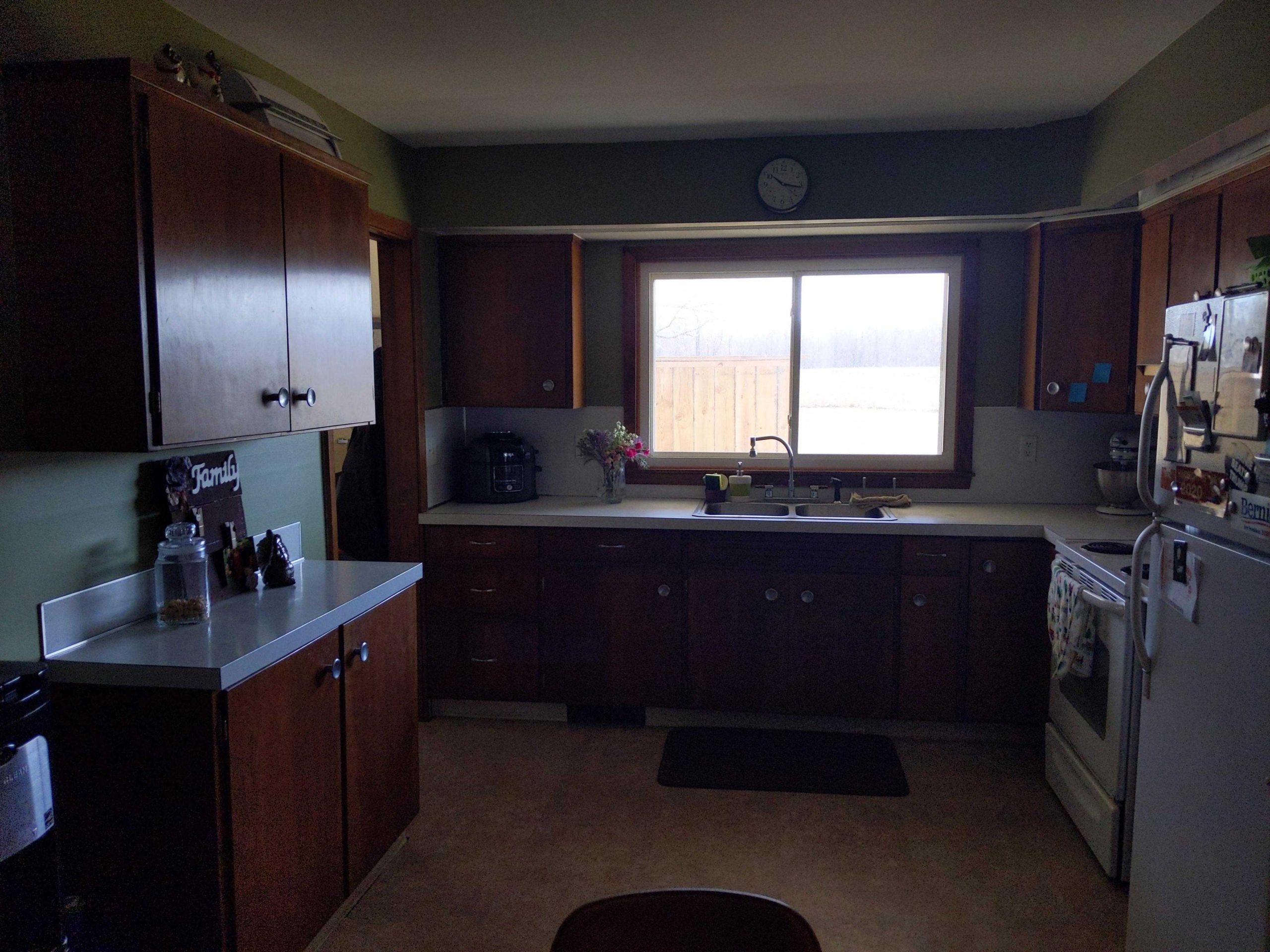
To brighten a dark kitchen without windows, use a combination of well-placed artificial lighting, reflective surfaces, and lighter colors to create a more inviting space. Incorporate layered lighting such as ceiling, task, and accent lights, along with mirrors or glossy finishes to bounce light around. These simple tips can turn a gloomy kitchen into a cheerful hub for cooking and gatherings.
In short, lighting plays a key role in transforming a windowless kitchen. By strategically installing multiple light sources and using light-reflecting decor, you can significantly improve the brightness and atmosphere of your space without needing natural sunlight. These solutions are affordable and straightforward, making a big difference in the feel of your kitchen.
Devoir faire face à une cuisine sombre sans fenêtres peut sembler difficile, mais ce n’est pas impossible. La clé est d’utiliser un éclairage intelligent et ciblé pour compenser l’absence de lumière naturelle, tout en intégrant des éléments de décoration qui reflètent la lumière. En combinant des luminaires encastrés, des lampes d’appoint, et des surfaces réfléchissantes, vous pouvez créer une ambiance lumineuse et accueillante. La couleur des murs et des meubles joue également un rôle en optimisant la diffusion de la lumière. Avec ces astuces, votre cuisine deviendra un espace lumineux et agréable, même sans fenêtre.

How to Light a Dark Kitchen Without Windows
Lighting a kitchen without windows can seem tricky, but with the right strategies, it is entirely achievable. Proper lighting makes your space brighter, safer, and more inviting. In this section, we will explore various ways to illuminate a windowless kitchen effectively.
Understanding the Challenges of a Windowless Kitchen
Without natural light, a kitchen can feel dull and cramped. Lack of sunlight can also make the space darker and less cheerful. Recognizing these challenges helps in choosing the best lighting solutions for your kitchen.
It’s important to consider how the space is used and what kind of ambiance you want. Proper lighting can offset these issues and make your kitchen more functional and welcoming.
Choosing the Right Artificial Lighting
Artificial lighting is essential in a windowless kitchen. Selecting the right type ensures the room feels bright and lively. There are several options, each with unique benefits.
LED lights are popular because they are energy-efficient, long-lasting, and versatile. They provide bright illumination without high energy costs. Fluorescent lights are also effective for general lighting but may not offer the same warmth as LEDs.
Combining different lighting types creates a layered effect that mimics natural light better. This approach enhances the overall brightness and aesthetic of your kitchen.
Layered Lighting for Better Illumination
Layered lighting uses multiple sources of light to eliminate shadows and brighten all areas. It involves ambient, task, and accent lighting. When used together, they create a balanced and inviting space.
Ambient Lighting
This is the main source of light in the room, usually installed on the ceiling. Recessed LED lights or flush mount fixtures are perfect options. They provide overall illumination that fills the space evenly.
Task Lighting
Task lighting highlights specific work areas like countertops, stove, or sink. Under-cabinet LED strips or puck lights are ideal. They improve visibility where you prepare food or do chores.
Accent Lighting
Accent lighting adds visual interest and depth. Small spotlights or decorative fixtures can spotlight artwork or architectural features. It also helps create a cozy atmosphere.
Maximizing Light with Color and Design
Choosing good colors and decor can reflect light and make a space feel brighter. Use light-colored walls, ceilings, and cabinetry to bounce light around.
- White or pastel shades are excellent choices for walls and ceilings.
- Glossy or semi-gloss finishes reflect more light than matte surfaces.
- Mirrors and shiny surfaces further enhance brightness by reflecting light.
Minimalist decor reduces clutter and keeps the space open and airy. Avoid heavy drapes or dark furniture that absorb light.
Integrating Smart Lighting Solutions
Smart lighting systems give control over brightness and color. They can be adjusted remotely or set to change automatically throughout the day. These solutions help optimize lighting for different tasks and moods.
Features to look for include dimming capabilities, voice control, and adjustable color temperatures. Smart bulbs can be installed in existing fixtures, making upgrades simple and cost-effective.
Lighting Layout Tips for a Windowless Kitchen
Designing your lighting layout ensures an even distribution of light. It prevents dark corners and shadows that make the space less usable.
- Place ambient lights evenly across the ceiling to avoid dark spots.
- Install task lights directly above work areas for clear visibility.
- Add accent lights to highlight features or create a mood.
Use a combination of fixed and adjustable fixtures to customize the lighting as needed. Consider the height and placement of fixtures to optimize coverage.
Choosing the Best Light Bulb Brightness and Color
The brightness of bulbs is measured in lumens. For a lively kitchen, aim for around 3000 lumens spread across fixtures. This provides sufficient light for cooking and cleaning tasks.
Color temperature impacts the feel of your kitchen. Warm white (2700K-3000K) creates a cozy atmosphere, while cool white (4000K-5000K) offers a clinical, energetic vibe. Select bulbs based on the ambiance you want to create.
Reducing Shadows and Glares
Proper fixture placement can minimize shadows that hinder your work. Avoid placing lights directly above eye level to reduce glare.
Use diffusers or frosted bulbs to soften harsh light. This makes the environment more comfortable and prevents eyestrain.
Layering lights and balancing brightness levels help achieve an even spread of light, making the kitchen safer and more pleasant.
Additional Tips for Brightening a Dark Kitchen
Adding under-cabinet lighting provides focused illumination on countertops. It enhances task visibility and adds depth to the space.
Using reflective surfaces such as glass backsplashes or metallic finishes can bounce light around the room. This simple trick significantly improves brightness.
Keep fixtures clean and dust-free to maintain optimal light output. Dirty covers or bulbs will dull the light and reduce effectiveness.
Regular Maintenance and Upgrades
Lighting needs can change over time, so regular checks ensure everything functions correctly. Replace burnt-out bulbs promptly to maintain a bright environment.
As technology advances, upgrading to newer, more efficient lighting options can save energy and improve lighting quality. Consider smart or adjustable lighting systems for flexibility.
Proper maintenance and upgrades extend the lifespan of your lighting setup and keep your kitchen well-lit for years.
While designing a well-lit kitchen without natural light requires planning and investment, the results are worth it. Bright, layered, and thoughtfully placed lighting can turn your dark kitchen into a lively and functional space you enjoy every day. Remember, good lighting is about creating an environment that works for you and enhances your cooking and gathering experiences.
a simple trick to light up a windowless room!
Frequently Asked Questions
What types of lighting fixtures work best in a dark kitchen without windows?
Opt for layered lighting that combines ambient, task, and accent lights. LED ceiling lights provide bright, energy-efficient illumination for general lighting. Under-cabinet lights focus on workspaces, while pendant lights or track lighting add style and direct light to specific areas. Using fixtures with high lumen output and adjustable brightness helps create a well-lit kitchen environment.
How can color schemes influence the perception of brightness in a windowless kitchen?
Choosing light, neutral colors for walls, cabinets, and countertops can make the space feel more open and airy. Reflective surfaces like glossy tiles or glass backsplashes bounce light around the room, enhancing brightness. Dark colors absorb light, so sticking to lighter shades helps a small or windowless kitchen seem larger and more inviting.
Are there any practical ways to maximize natural light in a dark kitchen without windows?
If the room is connected to other spaces with windows, consider installing glass doors or open shelving to allow light to flow through. Using mirrors strategically reflects existing light and creates an illusion of space. Positioning furniture and accessories to avoid blocking light sources also helps distribute available daylight more effectively.
What role does smart lighting play in illuminating a dark kitchen without windows?
Smart lighting systems let you adjust brightness and color temperature to match your needs. You can set schedules or control lights remotely for convenience. Dimmable smart LEDs provide flexibility, enabling you to create comfortable and functional lighting that compensates for the lack of natural light effectively.
How can I improve the overall brightness and ambiance in a windowless kitchen?
Combine multiple lighting sources to fill the space evenly. Use bright, white bulbs to replicate daylight, and incorporate decorative fixtures to add warmth and style. Ensuring fixtures are well-positioned prevents shadows and dark spots, while choosing fixtures with high-quality diffusers helps distribute light uniformly across the room.
Final Thoughts
To light a dark kitchen without windows, choose layered lighting with bright ceiling fixtures and task lighting. Incorporate LED bulbs with high lumens for a clear, natural feel. Use reflective surfaces to brighten the space and maximize light distribution. Proper lighting enhances the ambiance and makes cooking safer and easier. By combining these strategies, you create a cheerful, well-lit environment even without natural sunlight.