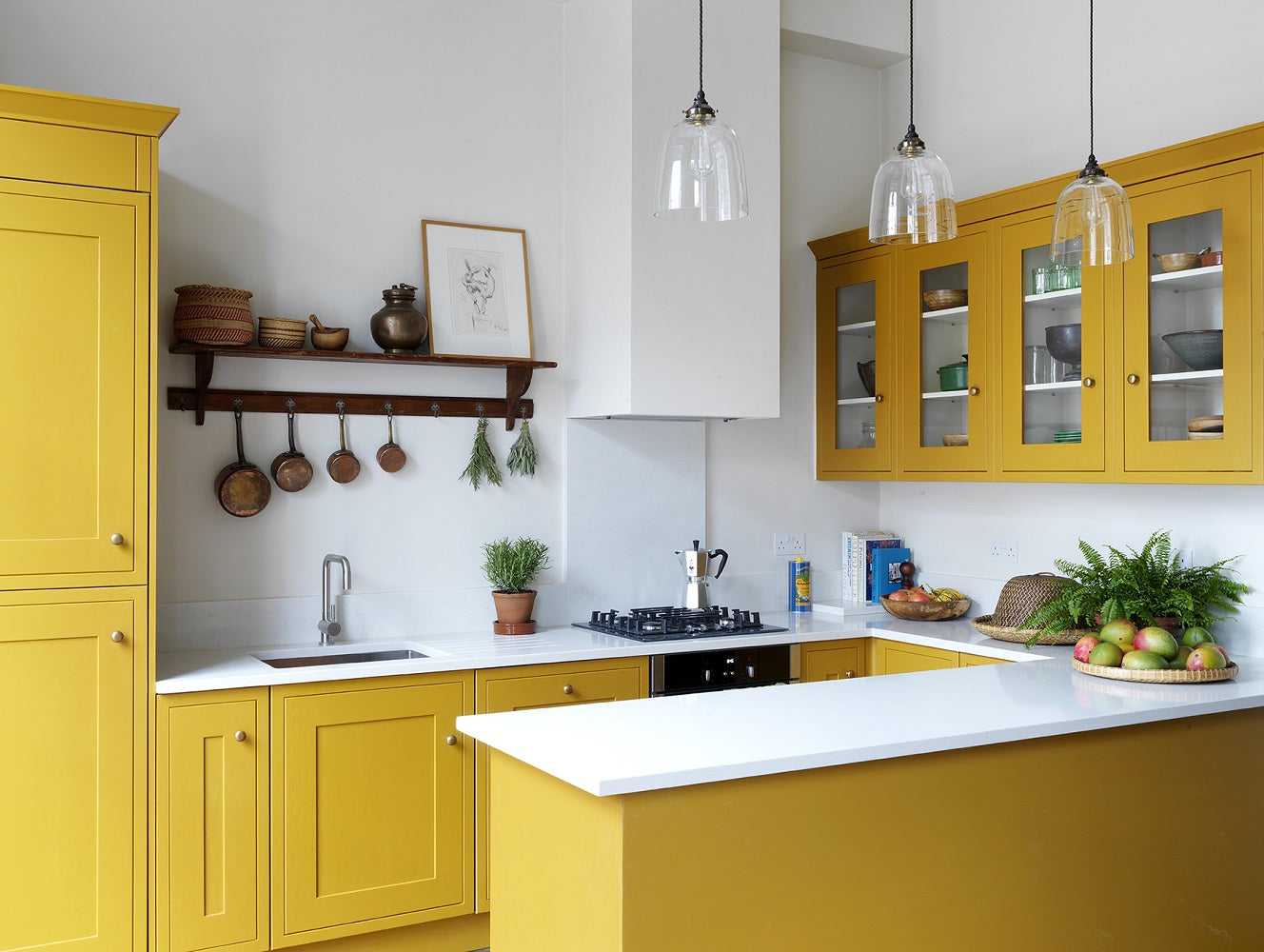
Looking to brighten up your kitchen sink area and make chores easier? Good lighting not only enhances the space’s functionality but also adds a warm, inviting feel to your kitchen. The key is combining layered lighting—ambient, task, and accent—to eliminate shadows and ensure you can see clearly when washing dishes or preparing food. Installing adjustable fixtures and LED lights can provide flexible illumination, adapting to different needs. Proper placement of lights around the sink, like under-cabinet fixtures or wall-mounted lamps, makes a huge difference. Whether you’re remodeling or just updating your current setup, focusing on effective lighting ensures your sink area is practical, safe, and visually appealing.
To light a kitchen sink area effectively, use a combination of task lights, like under-cabinet LEDs, to illuminate the sink directly. Supplement with ambient lighting for overall brightness and accent lights to highlight the space’s features. Proper placement and adjustable fixtures help create a well-lit, functional environment.
Getting the lighting right in your kitchen sink area is essential for both safety and aesthetics. Bright, well-placed lights help prevent accidents and make everyday tasks easier and more enjoyable. With a thoughtful combination of different lighting types and strategic positioning, you can transform your sink zone into a beautifully illuminated, practical space that enhances your entire kitchen experience.

How to light a kitchen sink area effectively
Understanding the importance of good lighting in the kitchen sink area
Proper lighting in the kitchen sink space is crucial for safety and convenience. It helps you see clearly when washing dishes, preparing food, or cleaning. Good lighting minimizes accidents and makes your kitchen look more inviting.
Assessing your current lighting setup
Start by examining how your kitchen sink area is lit now. Identify shadows or dark spots that hinder visibility. Take note of existing light fixtures and see if they provide enough brightness during the day and at night.
Choosing the right type of lighting for your kitchen sink
Selecting the appropriate light depends on your needs and style. Consider LED lights for energy efficiency and brightness. Halogen or incandescent bulbs can also work but tend to consume more power.
Types of lighting to consider
- Overhead lighting: Provides general illumination for the entire kitchen.
- Task lighting: Focused lights directly above the sink area for detailed work.
- Under-cabinet lighting: Hidden lights installed beneath cabinets to illuminate countertops.
Installing task lighting in the kitchen sink area
Task lighting enhances visibility for specific tasks. Install lights directly above or near the sink to reduce shadows caused by overhead fixtures. Proper placement ensures shadow-free illumination at the workspace.
Choosing the right fixtures
Select fixtures that complement your kitchen’s style, such as adjustable LED spotlights or strip lights. Waterproof and durable designs are ideal for areas exposed to moisture.
Placement tips for effective task lighting
Position lights about 4 to 6 inches above the sink or countertop. Ensure they face downward to avoid glare and shadows. Use multiple fixtures for uniform brightness and avoid dark corners.
Considering under-cabinet lighting options
Under-cabinet lights are excellent for specific illumination without cluttering space. They cast light directly onto the sink and countertop, making tasks easier and safer.
Types of under-cabinet lights
- LED strip lights: Thin, flexible, and easy to install along cabinet undersides.
- Puck lights: Small, round fixtures that can be placed at strategic points.
- Fluorescent lights: Bright and energy-efficient but less versatile than LEDs.
Installation tips for under-cabinet lighting
Ensure lights are positioned to avoid shadows on the sink. Use adhesive backing or mounting brackets for secure placement. Connect lights to a switch or dimmer for control.
Maximizing natural light in the kitchen sink area
Natural light makes the space more vibrant and reduces energy use. Use windows strategically by keeping curtains or blinds light and minimal. Consider adding a skylight if possible to increase daylight flow.
Using reflective surfaces to enhance light
Install reflective backsplash tiles or glossy countertops to bounce light around the space. Mirrors can also amplify natural and artificial light, making the area appear brighter.
Lighting controls and accessories for convenience
Installing dimmers allows you to adjust the brightness based on your needs. Motion sensors can turn lights on automatically when you approach the sink. Use timers to manage lighting and save energy.
Choosing energy-efficient bulbs and fixtures
Opt for LED bulbs with high lumens and low wattage for long-lasting and cost-effective illumination. Look for fixtures with energy-saving certifications.
Tips for maintaining your kitchen sink lighting
Regularly clean fixtures and bulbs to ensure maximum brightness. Replace burnt-out bulbs promptly and check wiring connections periodically. Keep moisture away from electrical components to prevent damage.
Incorporating style while lighting your kitchen sink
Select fixtures that match your kitchen decor. Modern designs like sleek LED strips or vintage pendant lights add character. Proper lighting enhances the overall aesthetic and comfort of the workspace.
Troubleshooting common lighting issues
If lights flicker, check the bulb connections and switch settings. Dimming issues may require replacing compatible dimmer switches. Consult a professional for electrical problems or complex installations.
Additional tips for an effective lighting setup
Use layered lighting strategies combining different types for flexibility. Test different angles and positions before final installation. Prioritize safety with moisture-proof fixtures and proper wiring.
Implementing these ideas ensures your kitchen sink area is always well-lit, making everyday tasks easier and safer. Thoughtful lighting improves both functionality and aesthetic appeal, creating a welcoming cooking and cleaning space.
Frequently Asked Questions
What type of lighting is best suited for illuminating a kitchen sink area?
LED lighting is highly recommended for kitchen sink areas because it provides bright, focused illumination without consuming much energy. Under-cabinet LED lights can be installed directly below cabinets to cast even light on the sink, reducing shadows and making tasks easier. For a softer ambiance, consider adjustable fixtures that allow you to control the brightness according to your needs.
How can I position lighting to minimize shadows during kitchen tasks?
Position lights so they shine directly onto the sink from multiple angles. Installing under-cabinet lights ensures the countertop is well-lit, while additional task lighting above the sink can eliminate shadows caused by your body or utensils. Experiment with the placement to find the configuration that minimizes shadows and provides uniform illumination for your work area.
Are there any specific fixtures or accessories that enhance kitchen sink lighting?
Yes, adjustable gooseneck lamps or swivel spotlights mounted on the wall or ceiling allow you to direct light precisely where you need it. Magnetic or clip-on LED lamps can also be attached directly to cabinets or walls for flexible positioning. Using dimmable fixtures gives you control over lighting levels, helping to create the right atmosphere and improve visibility.
What are some tips to ensure safety while installing lighting around the kitchen sink?
Always choose fixtures rated for damp or wet locations to prevent electrical hazards. Turn off power before installation and follow the manufacturer’s instructions carefully. Use waterproof connectors and ensure all wiring is properly insulated. If you’re unsure about electrical work, hire a licensed electrician to handle the installation safely.
How can I maintain my kitchen sink lighting system for optimal performance?
Regularly clean fixtures and lenses to prevent dust and grease buildup that can diminish brightness. Replace burnt-out bulbs promptly with compatible, energy-efficient LEDs. Check connections periodically for signs of wear or corrosion, especially in humid environments. Proper maintenance ensures your lighting remains effective and long-lasting.
Final Thoughts
To light a kitchen sink area effectively, start with focused task lighting directly above the sink. Use adjustable fixtures to control the brightness and direction. Incorporate under-cabinet lights for even illumination and to reduce shadows. Choosing the right combination of lighting ensures a bright, functional space. Paying attention to placement and type of lights makes daily tasks easier and enhances the overall ambiance. Proper lighting in the kitchen sink area enhances safety and convenience, making your workspace more efficient.