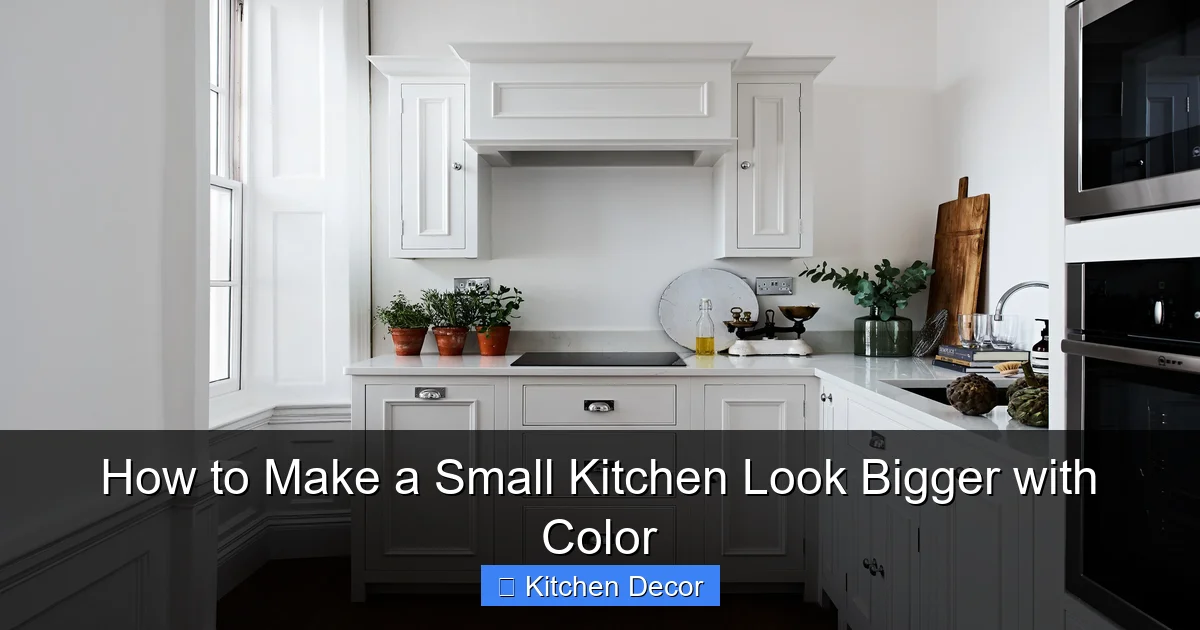
Feeling cramped in your small kitchen? Don’t fret! This guide will show you how to *make a small kitchen look bigger with color* through clever paint choices and strategic design techniques. Learn to harness the power of light hues, cool tones, and smart contrasts to create an illusion of spaciousness, making your kitchen feel more open, inviting, and enjoyable. Get ready to transform your compact cooking space into an expansive culinary haven.
How to Make a Small Kitchen Look Bigger with Color
Do you stare at your small kitchen and wish for just a little more space? You’re not alone! Many homeowners grapple with compact kitchens that can feel cramped, dark, and uninviting. The good news is that you don’t need a renovation or structural changes to dramatically alter its perception. One of the most powerful, budget-friendly tools you have at your disposal is color. Yes, color can magically transform a tight space into an open, airy, and much more functional-feeling room.
In this comprehensive guide, we’ll explore exactly how to make a small kitchen look bigger with color. We’ll dive into the psychology of hues, offer practical, step-by-step advice on choosing the perfect palette for walls, cabinets, countertops, and accents, and provide tips to avoid common pitfalls. Get ready to unlock the secrets to creating an expansive, beautiful kitchen, all with the stroke of a paintbrush!
Key Takeaways
- Embrace Light Colors: Light, soft hues like white, off-white, pale grey, and pastel blues or greens are essential to reflect light and expand the perception of space in a small kitchen.
- Utilize Monochromatic Schemes: Painting walls, cabinets, and even trim in similar light colors creates a seamless flow, eliminating visual breaks that can make a space feel choppy and small.
- Strategic Use of Cool Tones: Cool colors (blues, greens, purples) tend to recede visually, making walls appear further away. Incorporate them in light shades for an open, airy feel.
- Reflective Surfaces are Key: Choose semi-gloss or satin finishes for walls and high-gloss for cabinets or trim to bounce light around the room, enhancing brightness and spaciousness.
- Light & Continuous Flooring: Opt for light-colored flooring that runs continuously into adjacent spaces to create an uninterrupted visual path, making the kitchen feel like an extension of the home.
- Minimal & Bright Accents: If using accent colors, keep them sparse, bright, and strategically placed, perhaps vertically, to draw the eye upwards and add depth without overwhelming the space.
- Optimize Lighting: Bright, even lighting, especially cool-toned LED lights, complements your chosen colors, ensuring your kitchen feels airy and illuminated rather than shadowed and enclosed.
Step 1: Understand the Psychology of Color for Small Spaces
Before picking up swatches, it’s helpful to understand *why* certain colors work better than others when you want to make a small kitchen look bigger with color. It’s all about how our eyes perceive light and space.
Light Colors are Your Best Friend
This is the golden rule for small spaces. Light colors reflect more light, making a room feel brighter and more open. Dark colors, conversely, absorb light, which can make a space feel smaller and more enclosed. Think of it like this: a brightly lit open field versus a dimly lit cave. You want your kitchen to feel like the field!
Cool Tones for Expansion
While any light color can help, cool colors (blues, greens, purples) have a unique quality: they tend to recede visually. This means they make walls appear further away than they actually are. When used in light shades, they create a serene, expansive feeling, perfect for making a small kitchen look bigger with color. Warm colors (reds, oranges, yellows) tend to advance, making surfaces feel closer, which can be cozy in a large room but overwhelming in a small one.
The Power of Monochromatic Schemes
A monochromatic color scheme uses different shades, tints, and tones of a single color. In a small kitchen, this creates a seamless flow from one surface to another. By minimizing strong contrasts, you eliminate visual breaks that can make a space feel chopped up and small. This unified look naturally expands the perception of the room.
Step 2: Choose Your Primary Wall Color Wisely
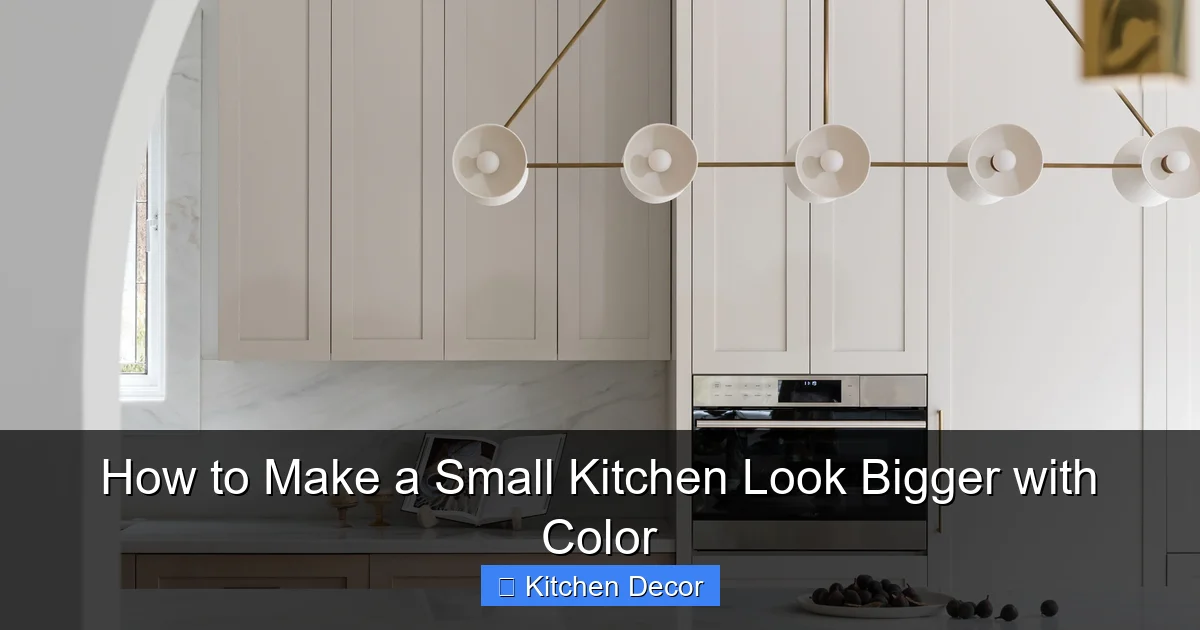
Visual guide about How to Make a Small Kitchen Look Bigger with Color
Image source: cdn.mos.cms.futurecdn.net
Your walls are the largest surface area in your kitchen, making their color choice paramount to making a small kitchen look bigger with color.
White: The Ultimate Expander
Crisp white walls are a classic for a reason. White is the ultimate light reflector, immediately making any space feel larger, brighter, and cleaner. It provides a neutral backdrop that allows other elements (like cookware or plants) to pop without overwhelming the room. Don’t be afraid of white; it’s never boring when you pair it with textures and different shades.
Off-Whites and Creams: Softening the Edge
If stark white feels too sterile, off-whites, creams, and very pale beiges are excellent alternatives. These colors still reflect plenty of light but introduce a touch of warmth, making the kitchen feel inviting and cozy without sacrificing spaciousness. Look for shades with subtle yellow or pink undertones.
Light Greys: Modern & Spacious
Pale grey has emerged as a very popular choice for modern kitchens. Light greys, especially those with cool undertones (like blue-grey), can make a small kitchen look bigger with color by offering a sophisticated, airy feel. They provide a bit more depth than white without closing in the space.
Pale Blues & Greens: Serene & Open
As discussed, cool tones recede. A very pale blue or a soft sage green can be incredibly effective. These colors evoke a sense of calm and openness, mimicking the sky or nature, which naturally feel expansive. Just be sure to choose truly light, muted versions to avoid making the room feel cold or dark.
Step 3: Select Cabinet Colors to Maximize Space
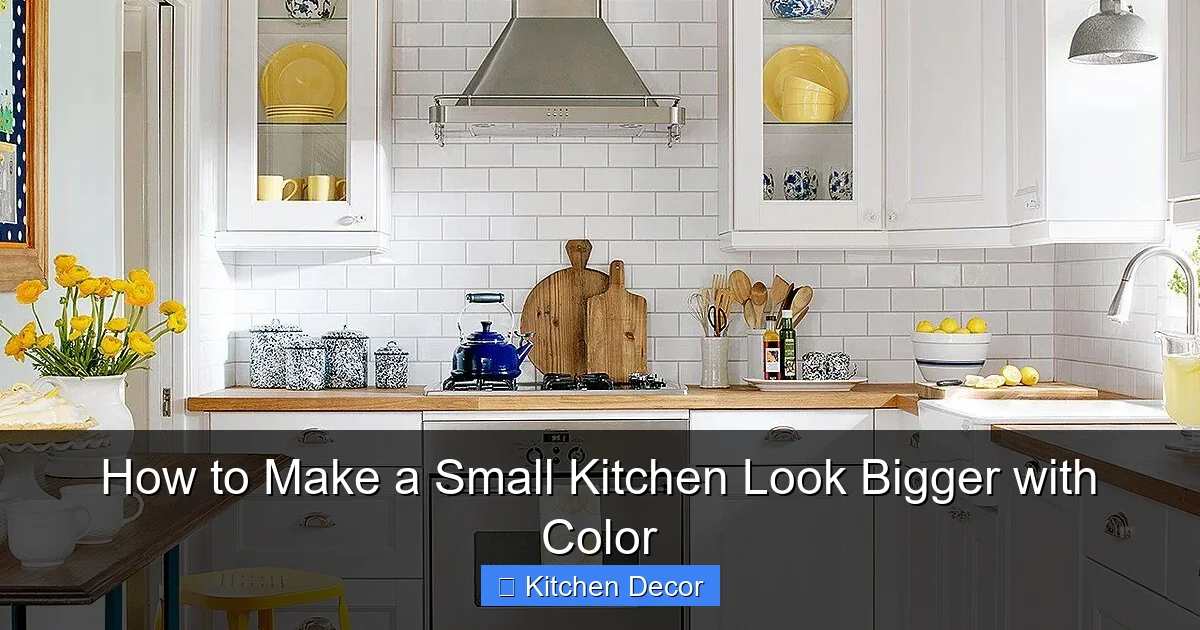
Visual guide about How to Make a Small Kitchen Look Bigger with Color
Image source: i.pinimg.com
After your walls, cabinets take up the most visual real estate. Their color choice is critical to make a small kitchen look bigger with color.
Light Cabinets for a Seamless Look
Just like walls, light-colored cabinets are ideal. White, off-white, light grey, or pale wooden cabinets prevent the kitchen from feeling heavy or enclosed. They blend into the background rather than dominating the space.
Matching Walls and Cabinets: The Monochromatic Magic
For the ultimate illusion of space, consider painting your walls and cabinets the exact same (or very similar) light color. This creates a continuous, unbroken surface that makes the kitchen feel much larger than its actual dimensions. It’s a powerful trick to make a small kitchen look bigger with color. The eye travels smoothly across the entire room without interruptions, creating an expansive effect.
Two-Tone Cabinets: Smart Placement
If you love the two-tone trend, use it strategically. Always place the lighter color on the upper cabinets. This draws the eye upwards, making the ceilings feel higher. You can then use a slightly darker, but still relatively light, color on the lower cabinets. Avoid dark upper cabinets entirely, as they can visually weigh down the room.
Step 4: Countertops and Backsplashes: Reflect and Expand
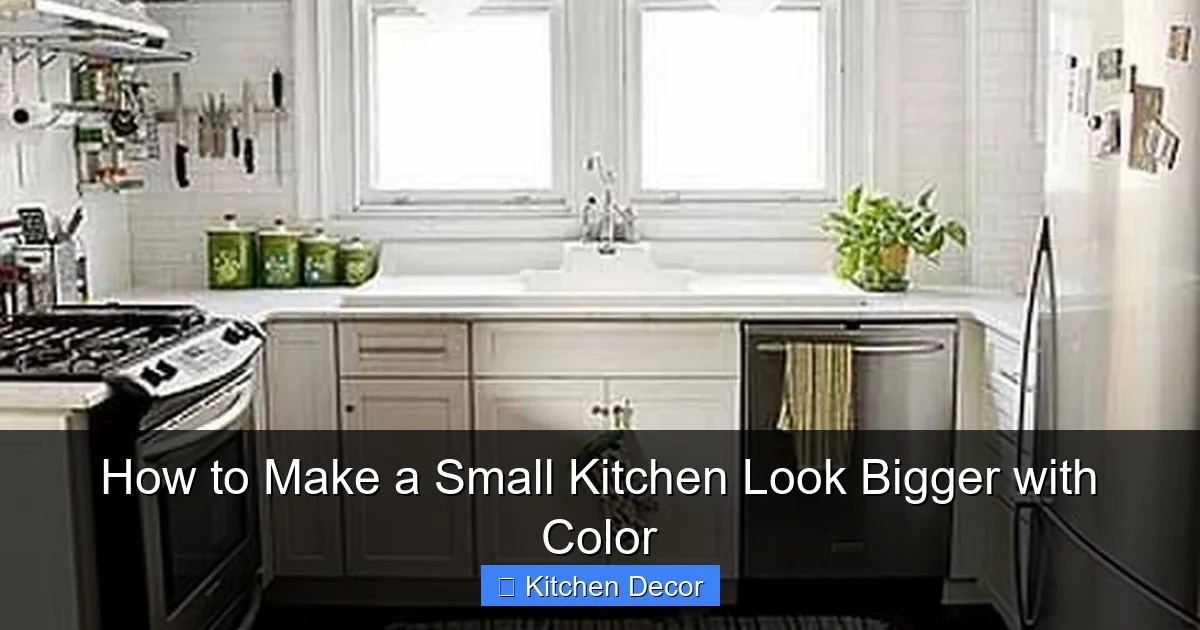
Visual guide about How to Make a Small Kitchen Look Bigger with Color
Image source: glamorhouz.com
These surfaces might seem secondary, but their color and finish significantly contribute to making a small kitchen look bigger with color.
Light-Colored Countertops
Opt for light-colored countertops like white quartz, light granite, or pale laminate. Dark countertops create a strong horizontal line that can visually chop up the space. Light counters, especially if they are similar in color to your cabinets or walls, will maintain that coveted seamless flow.
Mirrored or Reflective Backsplashes
This is a brilliant trick! A mirrored backsplash, or one made of highly reflective tiles (like glossy subway tile or glass mosaic in a light color), will bounce light around the room. This not only makes the kitchen brighter but also adds depth, creating the illusion of more space. It’s a subtle yet effective way to make a small kitchen look bigger with color.
Seamless Transitions
Try to choose a countertop and backsplash combination that doesn’t create jarring contrasts. A gentle transition in color and tone will ensure the eye glides smoothly across these surfaces, maintaining the open feel.
Step 5: Flooring Choices for an Open Feel
The floor is another large surface that influences how big your kitchen feels.
Light and Continuous Flooring
For the best effect, choose light-colored flooring that matches or closely complements your wall and cabinet colors. Blonde wood, light-colored tiles, or pale linoleum can all work wonders. Even better, if your kitchen flooring extends into an adjacent hallway or dining area, it creates a continuous visual path, making the kitchen feel like an extension of the larger space.
Diagonal Patterns
If you’re using tiles, consider laying them diagonally. This creates a longer line of sight and can trick the eye into perceiving more depth and width than is actually there.
Step 6: Strategic Use of Accent Colors
While the main goal is to keep things light and airy, accent colors can be used to add personality without making the space feel small. The key is moderation and smart placement.
Keep Accents Minimal and Bright
Use accents sparingly. A pop of a bright, cheerful color can draw the eye and add interest. Think a colorful fruit bowl, a vibrant piece of art, a few bright towels, or a single statement pendant light. The goal is to add life, not clutter.
Vertical Stripes and Lines
If you’re daring, a subtle vertical stripe pattern on one wall (perhaps behind open shelving) can draw the eye upwards, making the ceiling appear higher. Ensure the stripes are light and blend well with the primary wall color. This is another clever technique to make a small kitchen look bigger with color.
Don’t Overwhelm with Too Many Colors
Limit your palette. Stick to a maximum of three colors (including your primary light color, a slightly different shade for cabinets/counters, and one small accent color). Too many colors, especially bold ones, will make the space feel busy and enclosed.
Step 7: Lighting – The Unsung Hero (Color Temperature)
Even the most perfectly chosen color palette won’t work its magic if your lighting is poor. Good lighting is essential to make a small kitchen look bigger with color.
Bright, Even Lighting
Ensure your kitchen is well-lit. Overhead lighting (recessed lights or flush mounts), under-cabinet lighting, and task lighting all contribute to a brighter, more open feel. Eliminate dark corners. The more light, the larger the space will appear.
Cool vs. Warm Light
When choosing light bulbs, pay attention to their color temperature (measured in Kelvin). Warm light (2700K-3000K) has a yellow tint, while cool light (4000K-5000K) is whiter, mimicking natural daylight. For small kitchens, cool-toned LED lights are generally preferred because they enhance the feeling of brightness and spaciousness, working in harmony with your cool paint choices to make a small kitchen look bigger with color.
Step 8: Incorporating Sheen and Finish
The finish of your paint matters just as much as the color itself. Glossier finishes reflect more light.
Semi-Gloss or Satin for Walls
For walls, opt for an eggshell, satin, or semi-gloss finish. These finishes have a slight sheen that helps reflect light, brightening the room. They are also more durable and easier to clean, which is a bonus in a kitchen environment.
High-Gloss for Cabinets and Trim
For cabinets, trim, and even doors, a high-gloss or semi-gloss finish is highly effective. The reflective quality acts like a mirror, bouncing light and making the surfaces appear further away. This is a subtle yet powerful technique to make a small kitchen look bigger with color, adding depth and visual interest without adding bulk.
Troubleshooting Common Color Mistakes in Small Kitchens
Even with the best intentions, it’s easy to make mistakes that can undermine your efforts to make a small kitchen look bigger with color.
Too Many Dark Colors
This is the most common pitfall. Avoid dark cabinets, dark walls, or dark countertops all together. While a single dark element might be fine in a very large kitchen, in a small one, it will absorb light and make the space feel cave-like. If you absolutely love a dark color, use it minimally as a very small accent, perhaps on cabinet hardware or a small decorative item.
Overuse of Bold Patterns
While patterns can add personality, overly large or busy patterns on walls, backsplashes, or even major appliances can be overwhelming in a small space. They create too much visual clutter and make the room feel busier and smaller. If you must use a pattern, opt for a small, subtle, and light-colored one.
Ignoring Natural Light
If your kitchen has windows, don’t obstruct them with heavy curtains or blinds. Maximize natural light as much as possible. Choose sheer window treatments or simple, light-colored roller blinds that can be pulled up entirely during the day. Natural light is your best friend when trying to make a small kitchen look bigger with color.
Conclusion
Transforming a small kitchen into a spacious-feeling culinary haven is entirely achievable with the intelligent use of color. By embracing light hues, cool tones, monochromatic schemes, and strategic reflective surfaces, you can trick the eye and create an illusion of grandeur. Remember, the goal is to reflect light, create continuity, and minimize visual interruptions.
Don’t underestimate the power of paint and thoughtful design choices. Experiment with swatches, observe how colors change throughout the day with varying light, and have fun with the process. With these tips, you’re well-equipped to make a small kitchen look bigger with color, creating a space that feels open, inviting, and a joy to spend time in. Happy decorating!