
Unleash your creativity and transform your living space with this comprehensive guide to making room decor at home. From understanding your style to executing simple DIY projects, you’ll learn how to personalize your home affordably and stylishly. Get ready to discover easy techniques and inspiring ideas to make your room truly yours.
Are you looking to give your room a fresh, new look without breaking the bank? Making your own room decor is a fantastic way to infuse your personality into your living space, save money, and enjoy the satisfaction of creating something beautiful with your own two hands. This guide will walk you through everything you need to know to become a DIY decor maestro. We’ll cover understanding your style, gathering your materials, mastering basic techniques, and bringing your creative visions to life. Get ready to transform your ordinary room into an extraordinary sanctuary!
Key Takeaways
- Start with a Vision: Before diving into projects, define your desired aesthetic, color palette, and the mood you want to create in your room.
- Embrace Repurposing: Look around your home for items that can be given a new life as decor, saving money and being eco-friendly.
- Master Basic Techniques: Learn simple skills like painting, decoupage, and crafting with readily available materials to create a variety of decor pieces.
- Personalize with Photos and Art: Incorporate cherished memories and personal artistic expression through framed photos, DIY wall art, and gallery walls.
- Focus on Texture and Layers: Combine different materials and elements to add depth and visual interest to your decor, making the space more inviting.
- Don’t Be Afraid to Experiment: Room decor is about personal expression. Try new things, embrace mistakes, and enjoy the process of creating something unique.
Understanding Your Decor Style
Before you even pick up a craft knife or a paintbrush, it’s essential to figure out what kind of room decor you love. What aesthetic speaks to you? Do you prefer a cozy, rustic vibe, or a sleek, modern look? Knowing your style will guide all your creative decisions.
Identify Your Inspiration
Start by browsing magazines, Pinterest, Instagram, and interior design blogs. Save images of rooms and decor items that catch your eye. Don’t overthink it; just collect what you like.
Common Decor Styles
Here are some popular styles to consider:
- Modern: Clean lines, minimalist design, neutral colors with pops of bold accents.
- Bohemian (Boho): Eclectic, colorful, layered textures, natural elements, vintage finds.
- Farmhouse/Rustic: Natural materials like wood and metal, distressed finishes, cozy and inviting.
- Industrial: Exposed brick, metal accents, raw materials, urban feel.
- Scandinavian: Light colors, natural wood, functional design, minimalist yet warm.
- Coastal: Blues, whites, natural textures like driftwood and shells, light and airy.
Define Your Color Palette
Once you have an idea of your style, choose a color palette. This doesn’t mean every single item has to match exactly. It’s about creating a harmonious flow. Think about a main color, a secondary color, and an accent color. For example, for a coastal theme, you might use soft blues and whites as your main colors, with sandy beige as a secondary, and a pop of coral or seafoam green as an accent.
Gathering Your Materials
The beauty of DIY room decor is that you can often create stunning pieces with simple, affordable materials. You likely already have many things around your house that can be repurposed.
Everyday Items with Decor Potential
Look around your home for items that can be transformed:
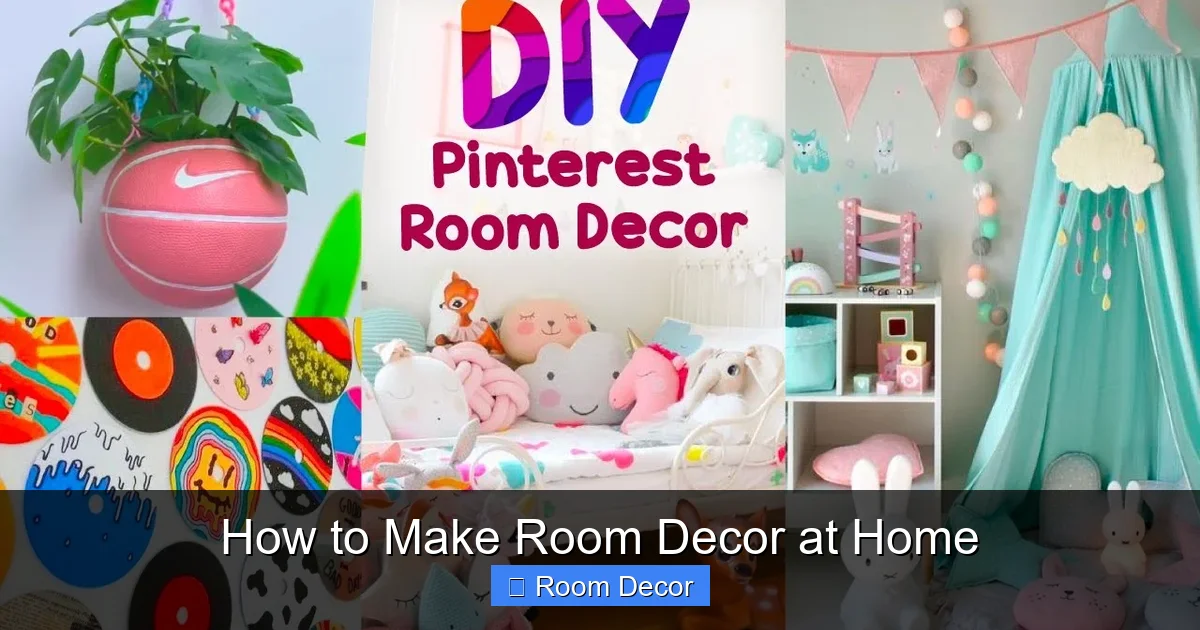
Visual guide about How to Make Room Decor at Home
Image source: i.ytimg.com
- Glass Jars and Bottles: Perfect for vases, candle holders, or storage containers.
- Old Clothing and Fabric Scraps: Can be used for pillows, wall hangings, or accent pieces.
- Cardboard Boxes: Excellent for creating shelves, organizers, or even decorative structures.
- Wooden Pallets: Versatile for shelves, headboards, or wall art.
- Tin Cans: Great for planters or desk organizers.
- Magazines and Newspapers: Can be used for decoupage or rolled into decorative elements.
- Branches and Twigs: Bring a natural element into your decor.
Essential Craft Supplies
While repurposing is key, a few basic craft supplies will open up a world of possibilities:
- Paint: Acrylic paints are versatile for various surfaces.
- Brushes: A variety of sizes for different applications.
- Glue: Craft glue, hot glue gun, and Mod Podge.
- Scissors and Craft Knife: For precise cutting.
- Measuring Tape and Ruler: For accurate measurements.
- Sandpaper: For distressing and smoothing surfaces.
- Spray Paint: For quick and even coverage on various items.
Where to Find Affordable Materials
Don’t forget about thrift stores, dollar stores, and garage sales. These are goldmines for inexpensive items you can transform. Even discount craft stores often have sales on supplies.
DIY Room Decor Project Ideas
Now for the fun part! Here are some popular and relatively simple DIY room decor projects to get you started.
1. Repurposed Jar Vases and Candle Holders
This is one of the easiest and most effective ways to add charm to your room.
How to Make Them
- Clean the Jars: Wash and thoroughly dry your glass jars or bottles. Remove any labels by soaking them in hot, soapy water.
- Decorate:
- Paint: Use acrylic paints to paint the outside or inside of the jar. You can create solid colors, ombre effects, or even splatter paint.
- Decoupage: Tear or cut decorative paper (like old maps, sheet music, or patterned napkins) into small pieces. Apply Mod Podge to a section of the jar, place the paper pieces, and then brush another layer of Mod Podge over the top to seal.
- Twine or Rope: Wrap twine or rope around the jar for a rustic look. Secure the ends with glue.
- Chalkboard Paint: Paint a section of the jar with chalkboard paint for a customizable label.
- Use as Vases or Candle Holders: Once dry, fill with fresh flowers, dried arrangements, or place a tea light candle inside for a warm glow.
2. DIY Wall Art
Empty walls can make a room feel unfinished. Creating your own art is incredibly rewarding.
Canvas Painting
- Get a Canvas: You can buy blank canvases at craft stores, or even repurpose old ones.
- Choose Your Design: Keep it simple! Abstract designs, geometric patterns, or minimalist landscapes are great for beginners.
- Paint: Use acrylic paints to bring your design to life. Don’t be afraid to experiment with colors and textures.
- Add a Frame (Optional): You can create a simple frame from wood scraps or paint the edges of the canvas for a finished look.
Gallery Wall
- Gather Your Pieces: Collect a mix of framed photos, prints, postcards, and even small decorative objects.
- Plan the Layout: Before you start hanging, lay out all your pieces on the floor to get a sense of arrangement. You can use painter’s tape on the wall to mark where each item will go.
- Hang with Care: Use a level to ensure your pieces are straight. Vary the sizes and shapes for visual interest.
String Art
- Get a Wooden Board: A piece of plywood or a salvaged plank works well.
- Draw Your Design: Sketch a simple shape or outline onto the wood.
- Hammer Nails: Hammer small nails along the outline of your design, spacing them evenly.
- Wrap the String: Tie one end of a piece of colorful string to a nail and wrap it around the other nails, creating patterns and filling in the shape.
3. Fabric and Textile Decor
Fabric can add color, pattern, and coziness to any room.
No-Sew Pillows
- Choose Fabric: Select a fun fabric that matches your style.
- Cut Your Fabric: Cut two pieces of fabric the same size (e.g., 18×18 inches for an 18-inch pillow).
- Create the Pillowcase: Lay the two pieces right sides together. Along three sides, fold about 1 inch of the raw edge inward twice and iron to create a hem.
- Sew the Hems (or Use Fabric Glue): Either stitch these hems down or use a strong fabric glue.
- Turn Right Side Out: Turn the fabric right side out through the open side.
- Stuff: Fill with pillow stuffing or an old pillow insert.
- Close the Opening: Fold the raw edges of the opening inward twice and either stitch or glue them shut.
Fabric Wall Hanging
- Select Fabric: A piece of interesting fabric, a tapestry, or even a colorful scarf.
- Prepare the Top: Fold over the top edge of the fabric about 2 inches and press to create a casing for a rod.
- Insert a Dowel or Stick: Slide a thin wooden dowel, a sturdy stick, or even a painted coat hanger through the casing.
- Attach Hanging Material: Tie string, twine, or ribbon to each end of the dowel to create a hanger.
4. Lighting and Ambiance
Lighting is key to setting the mood in a room.
DIY Lampshade Makeover
- Find a Plain Lampshade: Thrift stores are great for this.
- Add Embellishments:
- Fabric or Ribbon: Glue strips of fabric or ribbon around the lampshade.
- Paint: Paint patterns or colors onto the lampshade.
- Natural Elements: Glue on small shells, dried flowers, or small stones.
Fairy Lights Decor
- Drape them: Drape fairy lights around a mirror, along a bookshelf, or within a large glass vase.
- Create a Headboard: Secure a strand of fairy lights behind your headboard for a soft, ethereal glow.
Tips for Successful Room Decor Projects
Making room decor at home is meant to be enjoyable. Keep these tips in mind to ensure your projects turn out just right.
Start Small
If you’re new to DIY, begin with simple projects like painting jars or creating a small piece of wall art. As you gain confidence, you can tackle more ambitious creations.

Visual guide about How to Make Room Decor at Home
Image source: i.ytimg.com

Visual guide about How to Make Room Decor at Home
Image source: cdn.homedit.com
Embrace Imperfection
DIY decor is often about the charm of handmade items. A slightly uneven line or a bit of glue showing can add character. Don’t strive for factory perfection; celebrate the uniqueness of your creations.
Layer and Texture
When decorating, think about adding layers and different textures. Combine soft textiles with hard materials like wood or metal. This creates visual depth and makes your room feel more inviting and lived-in. For instance, place a woven basket on a sleek wooden shelf.
Personalize It!
The best room decor is decor that means something to you. Incorporate your hobbies, memories, and interests. If you love to travel, frame maps or postcards from your favorite destinations. If you’re a bookworm, stack vintage books artfully.
Troubleshooting Common DIY Decor Issues
Even the most experienced crafters run into little snags. Here are a few common issues and how to fix them.
Paint Not Sticking
Problem: Paint is peeling or not adhering to the surface.
Solution: Ensure the surface is clean, dry, and free of grease or dust. For glossy surfaces, lightly sand them first to create a better grip for the paint. You might also need to use a primer.
Uneven Glue Application
Problem: Glue is lumpy or visible after drying.
Solution: Use a thin, even layer of glue. For Mod Podge, use a brush and apply it smoothly. For hot glue, try using a lower temperature glue gun or applying it in thin lines. If it’s already dry and visible, you might be able to carefully scrape it off or cover it with more paint or embellishments.
Items Falling Off
Problem: Decorations are detaching from their base.
Solution: Ensure you’re using the right type of adhesive for the materials. Hot glue is great for many crafts, but for heavier items or different surfaces, a stronger craft glue or epoxy might be needed. Make sure surfaces are clean before applying glue.
Conclusion
Making room decor at home is an incredibly rewarding and accessible way to express your style and create a living space you truly love. By understanding your aesthetic, embracing repurposing, and learning a few simple techniques, you can transform everyday objects into beautiful, personalized treasures. Don’t be afraid to experiment, have fun, and most importantly, enjoy the process of making your home uniquely yours. Happy crafting!