
Unleash your inner decorator and learn how to make room wall decorating ideas come to life! This comprehensive guide walks you through transforming any space, from choosing your style to executing stunning projects. Discover practical tips, budget-friendly options, and creative solutions to make your walls a reflection of your personality. Elevate your home’s aesthetic with personalized and impactful wall decor.
How to Make Room Wall Decorating Ideas
Your walls are blank canvases, waiting to be transformed into statements of your style and personality. Whether you’re looking to add a pop of color, create a cozy atmosphere, or showcase your cherished memories, there’s a room wall decorating idea out there for you. This guide will walk you through the exciting process of turning those bare walls into something truly special. We’ll explore how to choose the right approach, select materials, and bring your vision to life, making your room a place you’ll love to spend time in.
Ready to transform your space? Let’s get started!
Key Takeaways
- Understand Your Style: Before diving into decorating, identify your personal aesthetic to ensure your wall decor complements your existing furniture and overall room vibe.
- Consider Functionality: Think about how the wall decor will be used. Is it purely decorative, or does it need to offer storage or lighting solutions?
- Embrace DIY Projects: Many impactful wall decorations can be created yourself, saving money and adding a unique, personal touch to your space.
- Utilize Gallery Walls: A well-curated gallery wall of art, photos, or even mirrors can add significant visual interest and personality to any room.
- Play with Texture and Dimension: Don’t limit yourself to flat items; incorporate elements that add depth and tactile interest to your walls.
- Light it Up: Strategic lighting can highlight your wall decor and transform the mood of the entire room.
- Don’t Forget Color: Color is a powerful tool in wall decorating; use it to create focal points, evoke emotions, and tie your decor together.
Step 1: Discover Your Decorating Style
The first and most crucial step in making any room wall decorating idea a success is understanding your personal style. What kind of vibe do you want your room to have? Is it modern and minimalist, warm and bohemian, classic and elegant, or something entirely your own? Your style will guide every decision you make, from color palettes to the types of items you choose to display.
Identify Your Aesthetic
- Modern: Think clean lines, geometric shapes, and a neutral color palette with pops of bold color. For wall decor, consider abstract art, sleek metal pieces, or minimalist shelving.
- Bohemian (Boho): This style is all about relaxed, eclectic vibes. Incorporate natural elements, vibrant colors, textured fabrics, and a mix of vintage finds. Macrame wall hangings, tapestries, and a collection of unique prints fit perfectly here.
- Farmhouse: Embrace rustic charm with natural wood, vintage signs, galvanized metal, and simple, unfussy pieces. Think shiplap accent walls or framed botanical prints.
- Industrial: Exposed brick, metal accents, and raw, unfinished materials are key. Consider metal wall art, pipe shelving, or vintage factory signs.
- Scandinavian: Focus on simplicity, functionality, and a light, airy feel. White or light wood walls are common, complemented by minimalist art, natural textures, and subtle pops of color.
- Eclectic: This style is a mix of everything! It’s about personal expression and curating a collection that speaks to you, regardless of a specific genre.
To help you pinpoint your style, browse through magazines, Pinterest, and Instagram. Save images that catch your eye and look for common themes in color, texture, and the types of objects you’re drawn to.
Consider Your Room’s Purpose
Think about how you use the room. A living room might benefit from art that sparks conversation, while a bedroom could be more about creating a calming sanctuary. A home office might need functional elements like a pinboard or shelving.
Step 2: Plan Your Wall Layout and Focal Point
Visual guide about How to Make Room Wall Decorating Ideas
Image source: mydomaine.com
Once you have a good grasp of your style, it’s time to think about how you want to arrange your decor and where you want to draw the eye.
Determine a Focal Point
Every room can benefit from a focal point – an area that immediately draws attention. This could be a large piece of art, a striking mirror, a bold accent wall, or a collection of smaller items arranged artfully. Your wall decor can either enhance an existing focal point or become one itself.
Sketch Out Your Ideas
Don’t be afraid to sketch! Grab a piece of paper and roughly draw your wall. Experiment with different placements for your chosen decor items. Consider the scale of your furniture and the size of the wall.
Tips for Layout Planning:
- The Rule of Thirds: Imagine dividing your wall into a 3×3 grid. Placing key items at the intersections or along these lines can create a visually pleasing arrangement.
- Balance: Distribute visual weight evenly across the wall. If you have a large, heavy piece on one side, balance it with a cluster of smaller items or another significant piece on the opposite side.
- Grouping: Arranging items in groups, whether it’s a gallery wall of photos or a collection of decorative plates, is often more impactful than scattering them randomly.
- Negative Space: Don’t feel the need to fill every inch of the wall. Empty space, or negative space, is just as important as the decor itself; it allows your chosen pieces to breathe and stand out.
Step 3: Explore Different Wall Decorating Techniques

Visual guide about How to Make Room Wall Decorating Ideas
Image source: i.ytimg.com
Now for the fun part – choosing *what* to put on your walls! There are countless ways to decorate, from the practical to the purely artistic.
H3: Art and Photography
This is perhaps the most traditional form of wall decoration.
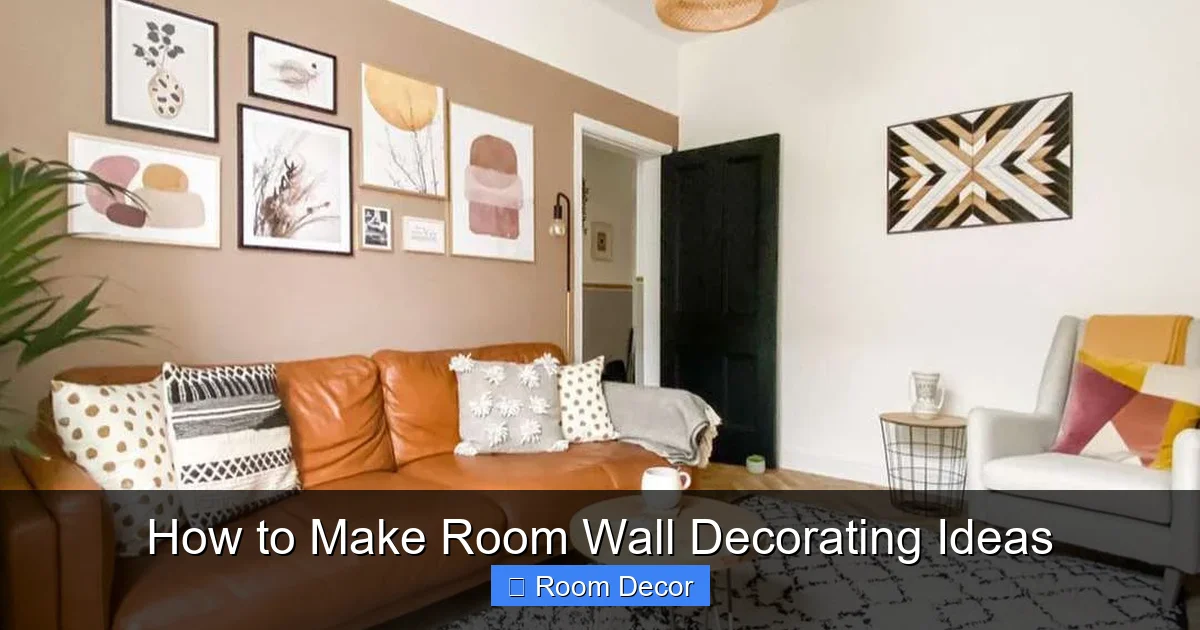
- Gallery Walls: Create a stunning gallery wall by mixing and matching framed photos, prints, paintings, and even small objects. Vary frame styles, sizes, and colors for an eclectic look, or keep them consistent for a more cohesive feel.
- Oversized Art: A single, large piece of art can make a powerful statement and serve as the focal point of a room. Choose something that resonates with you and complements your color scheme.
- Textured Art: Explore mixed-media art, canvas paintings with visible brushstrokes, or even woven pieces that add depth and interest.
- Personal Photos: Frame your favorite memories! This adds a deeply personal touch to your decor. Consider creating a photo collage or a grid of framed snapshots.
H3: Mirrors
Mirrors aren’t just for checking your reflection; they’re fantastic for decor.
- Amplify Light: Mirrors reflect light, making a room feel brighter and larger. Place them opposite windows for maximum effect.
- Create Depth: They can make a small room feel more expansive by creating the illusion of more space.
- Decorative Frames: Mirrors come in all shapes and sizes with ornate, minimalist, or unique frames that can be decor pieces in themselves.
- Mirror Groupings: Similar to art, a collection of smaller decorative mirrors can create a beautiful focal point.
H3: Wall Hangings and Textiles
These add softness, color, and texture.
- Tapestries: Large tapestries can cover a significant portion of a wall, adding a bold pattern or scene to your room.
- Macrame: Hand-knotted macrame pieces, from plant hangers to wall art, bring a bohemian and handcrafted feel.
- Woven Baskets: Arrange a collection of woven baskets on the wall for a natural, earthy, and textural display.
- Fabric Wall Art: Stretched fabric with interesting patterns or even DIY fabric collages can be a unique and budget-friendly option.
H3: Shelving and Storage
Functional and stylish, shelves can hold books, plants, and decorative objects.
- Floating Shelves: These create a clean, modern look by appearing to float against the wall. They’re great for displaying curated collections.
- Picture Ledges: These narrow shelves are perfect for displaying framed art and photos without damaging walls with nails. You can easily swap out pieces.
- Geometric Shelving: Hexagonal or other uniquely shaped shelves add visual interest and can be arranged in creative patterns.
- Vintage Shelves: Repurposed crates or old ladder shelves can add character and a farmhouse or rustic charm.
H3: Wallpaper and Wall Decals
A quick way to add pattern and color.
- Accent Walls: Cover one wall with a bold wallpaper or mural to create an instant focal point.
- Removable Decals: Perfect for renters or those who like to change their decor often, decals can be applied and removed easily without damaging walls. They come in various designs, from floral patterns to quotes.
- Stencils: For a DIY approach, use stencils and paint to create repeating patterns or custom designs on your walls.
H3: DIY and Upcycled Decor
Get creative and save money!
- Painted Murals: If you have some artistic talent, consider painting a mural directly onto your wall.
- Repurposed Items: Old windows, doors, maps, or even bike wheels can be transformed into unique wall art.
- Washi Tape Art: Use colorful washi tape to create geometric patterns, outlines of shapes, or even temporary murals.
- Driftwood and Shells: Collect natural elements and arrange them into wall art, especially fitting for coastal or bohemian themes.
Step 4: Consider Color and Texture

Visual guide about How to Make Room Wall Decorating Ideas
Image source: suite101.com
Color and texture play a huge role in how your wall decor impacts the feel of a room.
H3: Color Palette
- Complementary Colors: Use colors that are opposite each other on the color wheel to create vibrant contrast.
- Analogous Colors: Choose colors that are next to each other on the color wheel for a harmonious and calming effect.
- Monochromatic Schemes: Using different shades and tints of a single color can create a sophisticated and unified look.
- Accent Colors: Introduce bold accent colors through your decor to draw attention to specific areas or add personality.
H3: Texture
Don’t underestimate the power of texture!
- Natural Textures: Wood, rattan, jute, and linen add warmth and organic appeal.
- Metallic Finishes: Brass, gold, silver, and copper can add a touch of glamour and reflect light.
- Rough vs. Smooth: Contrast rough textures (like brick or rough wood) with smooth surfaces (like glass or polished metal) for visual interest.
- 3D Elements: Items that protrude from the wall, like sculptures or dimensional art, add a tactile quality.
Step 5: Lighting Your Walls
The right lighting can make or break your wall decor.
H3: Accent Lighting
- Picture Lights: These small, directional lights are designed to illuminate artwork.
- Sconces: Wall-mounted sconces can provide ambient light and add decorative flair.
- Uplighting/Downlighting: Strategic placement of lights can highlight textures or create dramatic shadows.
H3: Ambient Lighting
Ensure your overall room lighting works with your wall decor. Avoid harsh overhead lights that can wash out your chosen pieces.
Step 6: Practical Considerations and Troubleshooting
Even the best-laid decorating plans can hit a snag. Here are a few common issues and how to address them.
H3: Wall Damage
- Problem: You want to hang many things but are worried about making too many holes.
- Solution: Use command strips or adhesive hooks for lighter items. Explore options like picture ledges that require fewer nails. For heavy items, use appropriate wall anchors.
H3: Budget Constraints
- Problem: You love expensive art but have a limited budget.
- Solution: Focus on DIY projects, thrift store finds, and printing your own photos or free art downloads. Look for sales and consider purchasing one significant piece over time rather than rushing to fill the space.
H3: Clutter vs. Curation
- Problem: Your wall decor starts to look cluttered rather than curated.
- Solution: Step back and evaluate. Are there too many items? Are they fighting for attention? Sometimes, removing a few pieces can make the remaining ones stand out more. Ensure there’s breathing room between items.
H3: Scale and Proportion
- Problem: Your decor looks too small or too large for the wall.
- Solution: Measure your wall space before buying decor. For large walls, consider a gallery wall, a large statement piece, or multiple smaller items arranged together. For smaller walls, a single well-chosen piece or a small grouping might be best.
Conclusion
Transforming your room walls from drab to fab is an achievable and rewarding process. By understanding your style, planning your layout, exploring various techniques, and paying attention to color, texture, and lighting, you can create a space that truly reflects you. Don’t be afraid to experiment, have fun with it, and remember that your walls are your personal gallery. With these room wall decorating ideas, you’re well on your way to creating a home that is both beautiful and deeply personal.