
Feeling squeezed in your culinary space? This comprehensive guide reveals how to make a small kitchen look bigger by mastering clever design principles. Discover how strategic color choices, smart lighting, and efficient storage solutions can dramatically expand your perception of space. You’ll learn practical tips to create a kitchen that feels open, airy, and much more inviting without a single wall being moved.
Welcome to the ultimate guide on how to make a small kitchen look bigger! If your kitchen feels more like a shoebox than a spacious culinary haven, you’re not alone. Many homeowners grapple with limited square footage, but the good news is you don’t need to knock down walls to achieve a sense of expansiveness. With clever design choices, strategic planning, and a few visual tricks, you can transform even the most cramped cooking area into a space that feels open, airy, and far more inviting.
This guide will walk you through practical, step-by-step methods to optically expand your small kitchen. We’ll explore everything from color palettes and lighting to storage solutions and material choices, all designed to create the illusion of more space. Get ready to unlock your kitchen’s full potential and make your small kitchen look bigger than you ever thought possible!
Key Takeaways
- Embrace Light Colors: Utilize whites, pastels, and soft neutrals for walls, cabinets, and countertops to reflect light and create an open, airy feel.
- Maximize Lighting: Layer natural and artificial light with unobstructed windows, recessed fixtures, under-cabinet lighting, and reflective surfaces to brighten every corner.
- Implement Smart Storage: Go vertical with shelving, use pull-outs and organizers, and declutter countertops to keep the space tidy and functional without visual clutter.
- Utilize Reflective Surfaces: Incorporate mirrors, glossy tiles, glass cabinet fronts, and stainless steel appliances to bounce light around and create an illusion of depth.
- Choose Appropriate Scale: Opt for slim-line appliances, smaller furniture, and less bulky decor to ensure elements don’t overwhelm the limited space.
- Maintain Visual Flow: Use consistent flooring, open shelving, and clear pathways to create an uninterrupted line of sight, making the kitchen feel more expansive.
- Declutter Ruthlessly: A clean, organized kitchen is paramount. Remove unnecessary items from countertops and store essentials efficiently to enhance the sense of spaciousness.
1. Master Your Color Palette for Spaciousness
Color is one of the most powerful tools in your arsenal when trying to make a small kitchen look bigger. The right hues can reflect light, create continuity, and recede visually, making walls seem further away.
H3: Opt for Light and Bright Colors
This is the golden rule for small spaces. Light colors—think crisp whites, soft grays, pale blues, mint greens, and creamy off-whites—reflect light rather than absorbing it. This not only makes the room feel brighter but also pushes the walls visually outwards, creating a more expansive feel.
- Walls and Ceilings: Paint walls and ceilings in the same light color for seamless visual flow. A white ceiling will make the room feel taller.
- Cabinets: Choose white, off-white, or light-colored cabinets. Shaker style in a pale shade is a timeless choice that won’t overwhelm a small kitchen. Avoid dark woods or highly saturated colors on large cabinet fronts.
- Countertops: Lighter countertops (like white quartz, light granite, or pale laminate) will also contribute to the brightness and reflect more light into the space.
H3: Embrace a Monochromatic or Analogous Scheme
Using a limited color palette with slight variations of the same hue or colors adjacent on the color wheel creates a sense of harmony and continuity. This reduces visual clutter and helps the eye flow smoothly around the room, making it feel less chopped up and therefore larger. For example, use different shades of white and gray, or light blue and green.
H3: Add Strategic Pops of Color
While light colors dominate, don’t shy away from adding small bursts of color to prevent the space from feeling sterile. Use accessories like a vibrant fruit bowl, colorful dish towels, or a potted plant. These small accents can add personality without overwhelming the sense of space. Keep large appliances and main fixtures in neutral, light tones.
2. Illuminate Your Space with Light

Visual guide about How to Make Small Kitchen Look Bigger
Image source: colbertondemand.com
Lighting is arguably the most crucial element in making any room, especially a small kitchen, feel larger and more inviting. A well-lit space always feels more open and less confined.
H3: Maximize Natural Light
If you’re lucky enough to have a window in your small kitchen, make the most of it!
- Unobstructed Views: Keep window treatments minimal or non-existent. Light, sheer curtains or blinds that can be fully pulled up are ideal. Avoid heavy drapes that block precious light.
- Clean Windows: Regularly clean your windows to allow maximum light penetration.
- Reflect Natural Light: Position mirrors or reflective surfaces strategically to bounce natural light deeper into the kitchen.
H3: Layer Artificial Lighting
A single overhead light can cast harsh shadows, making a small kitchen feel even smaller. Instead, create a layered lighting scheme using multiple sources.
- Ambient Lighting: This is your general illumination. Recessed lighting (pot lights) is excellent because it’s flush with the ceiling, saving visual space and providing even light. If recessed isn’t an option, a sleek flush-mount fixture can work.
- Task Lighting: Essential for functionality. Under-cabinet lighting is a game-changer for small kitchens. It illuminates your countertops, reduces shadows, and makes the space feel brighter and more sophisticated. LED strip lights are energy-efficient and easy to install.
- Accent Lighting: Use small puck lights inside glass-front cabinets or directional spotlights to highlight decorative elements. This adds depth and visual interest without clutter.
- Dimmers: Install dimmers on all your lights to adjust the mood and brightness, allowing you to control the perceived size of the room.
3. Strategic Storage Solutions
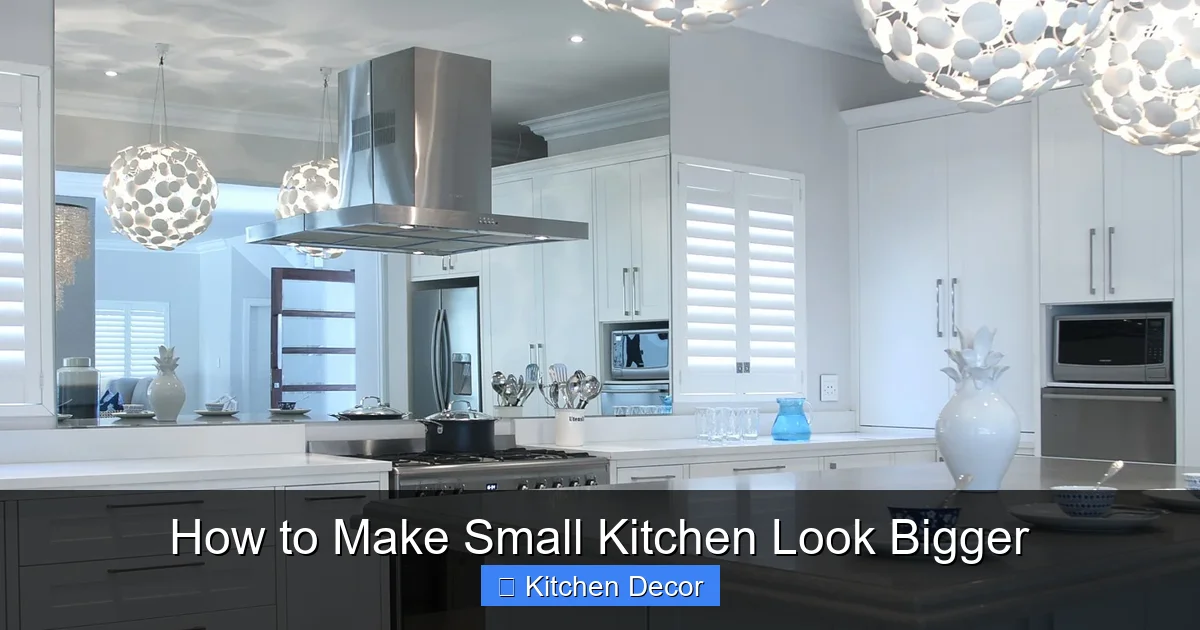
Visual guide about How to Make Small Kitchen Look Bigger
Image source: sahomeowner.co.za
Clutter is the enemy of spaciousness. A messy, disorganized small kitchen will always feel smaller than it actually is. Smart storage solutions are key to keeping surfaces clear and making your small kitchen look bigger.
H3: Go Vertical with Storage
When you can’t expand outwards, expand upwards!
- Tall Cabinets: Extend upper cabinets to the ceiling. This draws the eye upwards, making the ceiling appear higher, and provides extra storage for less frequently used items.
- Open Shelving: While counter-intuitive for clutter, a few open shelves can make a small kitchen feel less heavy and more open than solid upper cabinets. Use them for neatly stacked dishes, glassware, or decorative items. Be disciplined about what goes on them – only display beautiful, organized items.
- Wall-Mounted Organizers: Install magnetic knife strips, wall-mounted spice racks, or pot racks to free up drawer and counter space. Ensure they are neatly arranged.
H3: Utilize Interior Cabinet Organizers
Maximize every inch inside your cabinets and drawers.
- Pull-Out Shelves and Drawers: Make items at the back of cabinets easily accessible, preventing lost or forgotten items.
- Corner Solutions: Lazy Susans or pull-out corner units maximize notoriously awkward corner spaces.
- Drawer Dividers: Keep cutlery, utensils, and small gadgets perfectly organized.
- Door Storage: Add hooks or shallow shelves to the inside of cabinet doors for spices, cleaning supplies, or aluminum foil.
H3: Consider Multi-Functional and Hidden Storage
Every piece of furniture or fixture in a small kitchen should ideally serve more than one purpose.
- Kitchen Island on Wheels: A small, movable island can provide extra counter space, storage, and even a dining spot when needed, then be moved out of the way.
- Toe-Kick Drawers: The space under your base cabinets, often wasted, can be transformed into shallow drawers perfect for cookie sheets, platters, or pet bowls.
- Banquet Seating with Storage: If you have an eat-in kitchen, a banquet bench can offer hidden storage underneath the seats.
4. Embrace Reflective Surfaces

Visual guide about How to Make Small Kitchen Look Bigger
Image source: furdo.com
Reflective materials are brilliant for making a small kitchen look bigger because they bounce light around and create an illusion of depth and openness.
H3: Incorporate Mirrors
Mirrors are not just for bathrooms or bedrooms. A well-placed mirror can double the perceived size of your kitchen, especially if it reflects a window or an attractive part of the room. Consider a mirrored backsplash or a large framed mirror on a blank wall.
H3: Choose Glossy Finishes
- Cabinetry: Opt for cabinets with a high-gloss finish. They reflect light beautifully and add a modern, sleek touch.
- Backsplash Tiles: Subway tiles with a glossy finish, glass tiles, or polished marble reflect light and contribute to a brighter, more open feel.
- Countertops: Polished stone or quartz countertops have a subtle reflective quality.
H3: Stainless Steel Appliances
Stainless steel appliances are not only durable and modern but also reflective. Their sleek surfaces mirror the surroundings, subtly contributing to the illusion of more space.
5. Choosing Furniture and Appliances Wisely
The scale and placement of your kitchen elements are crucial in a small space. Oversized items will quickly overwhelm the room and make your small kitchen look bigger.
H3: Select Slim-Line Appliances
Many appliance manufacturers offer “apartment-sized” or slim-line versions of refrigerators, dishwashers, and ovens. These take up less physical space and don’t visually dominate the room. Consider a counter-depth refrigerator to avoid it jutting out into your walkway.
H3: Opt for Furniture with Legs or Open Bases
If you have a small dining area, choose tables and chairs with slender legs rather than solid bases. This allows light to pass underneath and through the furniture, creating a more open and less heavy feel. Bar stools without backs or with open backs are also great for a breakfast bar.
H3: Built-In or Fold-Away Solutions
Consider a drop-leaf table or a wall-mounted fold-down table if space is extremely tight. Built-in banquettes can save space compared to freestanding chairs and often incorporate storage.
H3: Maintain Consistent Visual Lines
Keep the top lines of your counters and cabinets consistent. A choppy visual line makes a room feel fragmented and smaller.
6. Streamlining and Decluttering
This is less about adding things and more about removing them. A clean, uncluttered small kitchen will always feel larger and more inviting.
H3: Clear Your Countertops
This is non-negotiable for making a small kitchen look bigger. Countertops are valuable real estate. Store away appliances you don’t use daily (toasters, blenders, coffee makers). Keep only essential, frequently used items neatly organized. A clear counter instantly creates a sense of openness.
H3: Regular Purging
Be ruthless! Go through your pantry, cabinets, and drawers regularly. Get rid of expired food, rarely used gadgets, and duplicate items. If you haven’t used something in a year, chances are you don’t need it. Donate or discard.
H3: Minimize Decor
While a few well-chosen decorative items can add charm, too many knick-knacks will quickly make a small kitchen feel cluttered and claustrophobic. Opt for one or two impactful pieces rather than many small ones. A single beautiful plant or a piece of art can be enough.
7. Floor and Wall Treatments
The way you treat your floors and walls significantly impacts the perceived size of your kitchen.
H3: Choose Continuous Flooring
If your kitchen opens into another room, using the same flooring material throughout both spaces creates an uninterrupted flow, making both rooms feel larger. Avoid busy patterns or abrupt changes in flooring. Large format tiles or planks can also make a space feel more expansive as there are fewer grout lines breaking up the visual field.
H3: Subtle Wall Patterns and Textures
If you want to add pattern, choose subtle ones. Vertical stripes on wallpaper can make ceilings feel taller, while a very subtle, tone-on-tone texture can add interest without overwhelming. Avoid large, busy patterns that can make walls feel like they’re closing in.
H3: Install a Continuous Backsplash
Running your backsplash all the way up to the ceiling in a small kitchen can make the wall feel taller and create a dramatic, cohesive look that expands the space vertically.
8. Openness and Visual Flow
Creating an uninterrupted line of sight is a powerful way to make your small kitchen look bigger.
H3: Consider Open Shelving or Glass-Front Cabinets
Replacing some solid upper cabinet doors with glass fronts or opting for open shelving can make the kitchen feel lighter and less boxy. Transparent materials allow the eye to see through, creating an illusion of depth. However, this only works if the contents are neatly organized and aesthetically pleasing.
H3: Remove Upper Cabinets (if feasible)
If storage isn’t an issue, removing upper cabinets entirely can dramatically open up a wall, making the kitchen feel much larger and airier. You can replace them with a single piece of art or just leave the wall bare.
H3: Create a Pass-Through or Open Archway
If you’re undertaking a minor renovation, consider opening up a wall with a pass-through window or an archway to an adjacent room. This instantly connects the two spaces, improving natural light flow and visual spaciousness.
H3: Mind Your Doorways
If space allows, widen doorways or remove doors altogether between the kitchen and adjacent rooms to create a more open concept. Pocket doors are also excellent space-savers if a door is necessary.
Troubleshooting Common Small Kitchen Challenges
Even with the best intentions, small kitchens present unique hurdles.
H3: Lack of Natural Light
If your small kitchen has no windows or very little natural light, compensate heavily with artificial lighting. Maximize reflective surfaces, use high-gloss finishes, and stick to the lightest color palette possible. Consider adding mirrors opposite any existing light sources.
H3: Awkward Layouts
Sometimes, a small kitchen comes with an odd shape or inconveniently placed doors. Focus on creating clear pathways. Use movable furniture (like a kitchen cart) that can be tucked away. Prioritize essentials and custom-build storage where standard solutions don’t fit.
H3: Too Many Appliances
If you love to cook and have many gadgets, consider vertical appliance garages or a dedicated pantry if possible. Only keep what you use regularly on the counter. Invest in multi-functional appliances (e.g., an oven that is also a microwave).
H3: Budget Constraints
Making a small kitchen look bigger doesn’t require a huge budget. Focus on low-cost, high-impact changes first: decluttering, painting with light colors, improving lighting with affordable LED strips, and organizing existing cabinets. DIY open shelving can also be very cost-effective.
Conclusion
Transforming your small kitchen into a space that feels grander and more functional is entirely achievable with thoughtful design. By consciously applying principles of light, color, efficient storage, and visual continuity, you can create an illusion of space that vastly improves your culinary experience. Remember, it’s not about physically expanding your walls, but cleverly expanding the *perception* of your space.
Start with decluttering, then move on to embracing light colors and optimizing your lighting. Gradually incorporate reflective surfaces and smart storage solutions. Each step you take will contribute to a more open, airy, and inviting kitchen that you’ll love spending time in. Your small kitchen might just become your favorite room in the house!