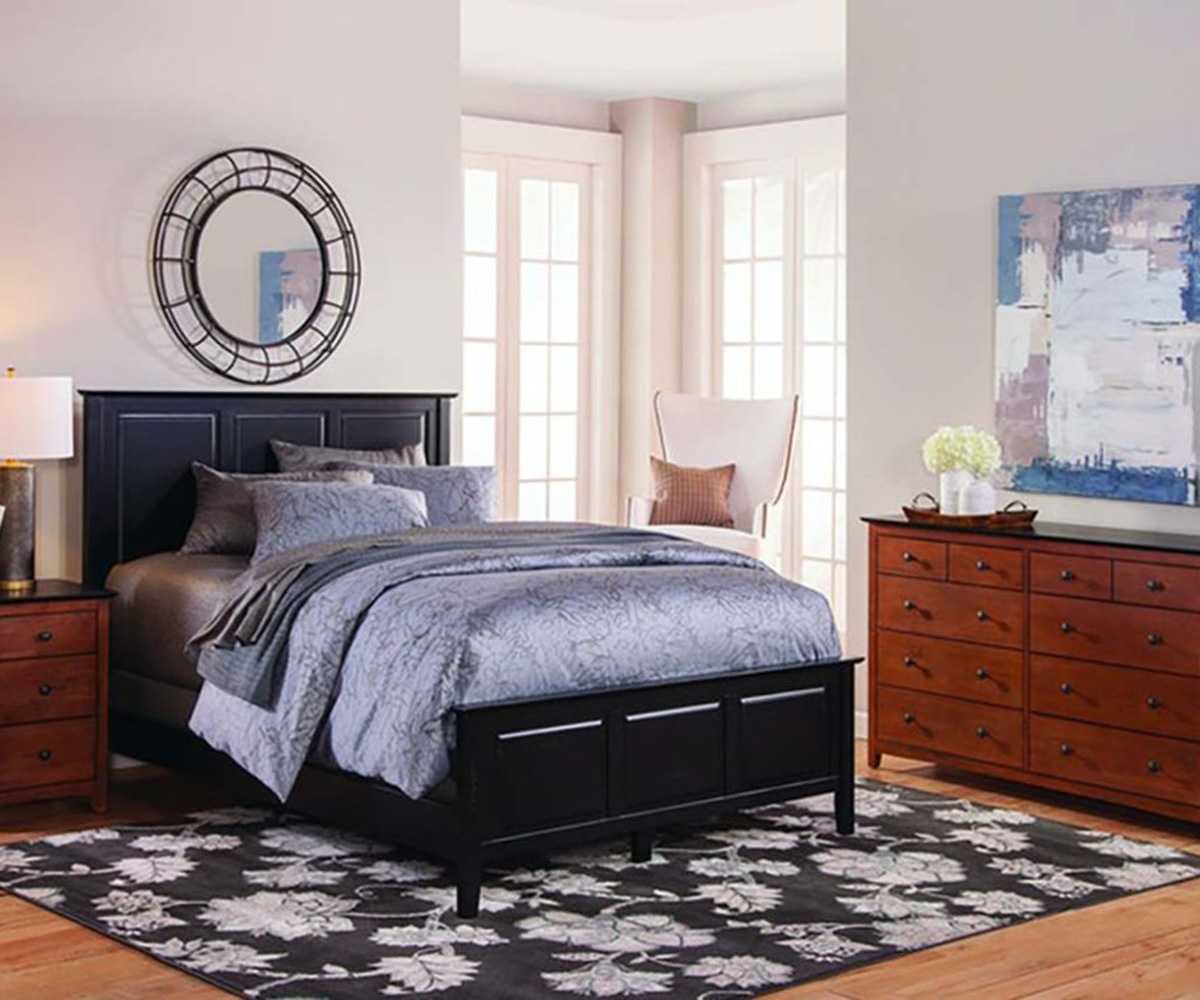
Mixing and matching bedroom furniture can be a fun and creative way to personalize your space while maintaining a cohesive look. The key is to find a balance between different styles, colors, and textures that speak to your personal taste. Start by selecting a unifying element, such as a color palette or material, to ground your choices. Then, incorporate a mix of complementary styles—combine modern pieces with vintage finds or blend different wood finishes. Don’t be afraid to experiment with patterns and textures, as layering these can add depth and interest to your room. Ultimately, it’s all about creating a space that feels comfortable and reflective of your unique style preferences.

How to Mix and Match Bedroom Furniture?
Mixing and matching bedroom furniture can create a unique and personal space that reflects your style. It allows for creativity and can result in a stylish yet comfortable haven. Here are some tips and tricks to help you successfully mix and match your bedroom furniture.
Understanding Styles
Before you start mixing and matching, it’s crucial to understand different furniture styles. Here are a few popular styles:
- Modern: Clean lines and minimalistic designs.
- Rustic: Natural materials and a cozy feel.
- Traditional: Classic designs often with rich finishes.
- Bohemian: Eclectic colors and patterns with global influences.
Knowing these styles will help you create a harmonious look in your bedroom.
Choosing a Color Palette
Color plays a significant role in mixing and matching furniture. Start by selecting a color palette that resonates with you.
Tips for Choosing Colors:
- Pick a base color and work around it.
- Include neutral shades for balance.
- Use accent colors to add depth.
- Consider the mood you want to create – soft tones for relaxation or bold colors for energy.
A well-thought-out color palette will unify the different furniture pieces.
Mixing Textures
Incorporating various textures can add visual interest to your bedroom. Here are some textures you might consider:
- Wood: Adds warmth and a natural feel.
- Metal: Introduces a modern or industrial touch.
- Fabric: Soft furnishings create comfort.
- Glass: Offers a sleek and airy aesthetic.
Combining these textures can elevate your bedroom’s overall appearance.
Balance and Proportion
Maintaining balance and proportion is vital when mixing furniture. Here are some tips to achieve that:
Strategies for Balance:
- Group furniture by size – avoid having all large pieces together.
- Alternate heavy and light items for visual balance.
- Ensure your bed is the focal point and arrange other items around it.
Proper balance keeps the room from feeling cluttered or overwhelming.
Emphasizing a Focal Point
Every bedroom should have a focal point, often the bed. However, you can create multiple points of interest.
Creating Focal Points:
- Use bold artwork above the bed.
- Incorporate a decorative mirror.
- Choose a unique nightstand that stands out.
Focal points guide the eye and draw attention in a pleasing way.
Incorporating Personal Touches
Adding personal items can make your bedroom feel unique and inviting. These might include:
- Family photos in various frames.
- Your favorite books displayed on shelves.
- Artwork that reflects your personality.
- Decorative items from travels or experiences.
Personal touches add warmth and character to your space.
Functionality Matters
While aesthetics are important, functionality should not be overlooked. Your bedroom needs to be practical for your lifestyle.
Considerations for Functionality:
- Ensure there is enough space to walk around furniture.
- Choose bedside tables that are the right height for your bed.
- Incorporate storage solutions, like benches or ottomans.
A functional space enhances comfort and usability.
Layering Bedding and Accessories
Bedding and accessories can significantly impact the overall look of your bedroom. Here are some layering ideas:
- Start with a solid base layer, like a duvet or comforter.
- Add patterned throw blankets for texture.
- Incorporate various types of pillows for comfort and design.
- Use area rugs to create warmth and define spaces.
Layering can create depth and richness in your decor.
Shopping Smart
When it comes to mixing and matching furniture, shopping smart is key. Here are some strategies to consider:
- Visit thrift stores or flea markets for unique pieces.
- Look for sales and discounts at local furniture stores.
- Consider secondhand options or furniture swaps with friends.
Smart shopping can lead to discovering hidden gems for your bedroom.
Experimenting with Placement
Sometimes, the arrangement of furniture can make a significant difference. Don’t be afraid to move things around.
Placement Tips:
- Try placing your bed in different orientations.
- Experiment with the arrangement of side tables and lamps.
- Utilize corners for additional storage or seating.
Experimentation can help you find the perfect layout.
Utilizing Vertical Space
Don’t forget about vertical space in your bedroom. It can be just as important as floor space.
Ways to Use Vertical Space:
- Install shelves for books and decor.
- Use tall dressers instead of wide ones.
- Hang art or mirrors higher for a dramatic effect.
Using vertical space efficiently can make your bedroom feel more expansive.
Selecting Complementary Furniture
Finding furniture that complements each other is crucial for a cohesive look. Here are some ideas:
- Match wood finishes across your items for a unified appearance.
- Use colors that complement each other while varying the shades.
- Incorporate pieces that share a common design element.
Complementary furniture creates a visually appealing environment.
Paying Attention to Lighting
Lighting can dramatically alter the atmosphere of your bedroom. Consider various lighting sources:
- Use bedside lamps for soft light.
- Incorporate overhead fixtures for general illumination.
- Utilize natural light with sheer curtains.
Good lighting enhances the overall design and feel of the space.
Staying True to Your Style
Ultimately, your bedroom should reflect your personal style. Embrace what you love and let that guide your choices.
Ways to Stay True:
- Choose colors and patterns that make you happy.
- Incorporate pieces that hold sentimental value.
- Don’t follow trends if they don’t resonate with you.
Your bedroom is an extension of yourself, so make it yours.
Combining pieces from different styles can lead to a beautiful and personalized bedroom. Use these tips to mix and match furniture effectively, creating a space that is both functional and stylish. Whatever your choices may be, the key is to have fun and enjoy the decorating process!
How to Mix and Match Bedroom Furniture? | Mix and Match Bedroom Furniture Ideas
Frequently Asked Questions
What styles work well together in bedroom furniture?
When mixing and matching bedroom furniture, consider combining different styles that complement each other. For example, pairing a modern bed frame with vintage nightstands can create a chic juxtaposition. Look for common elements like color, texture, or material to create a cohesive look. A rustic wooden dresser can also harmonize with sleek, contemporary pieces if you balance them with accessories that tie the styles together.
How can color influence the mixing of furniture in a bedroom?
Color plays a significant role in how furniture pieces blend in your bedroom. Sticking to a cohesive color palette helps unify different styles and pieces. Choose a few main colors that you want to feature, and incorporate them into various furniture items and decor. For instance, if your bed is a deep navy blue, you might use light gray for your dressers or accents to maintain harmony while adding contrast.
What are some tips for selecting accessories when mixing furniture styles?
When adding accessories, opt for items that resonate with multiple styles or colors found in your furniture. For example, use throw pillows or blankets that feature patterns or colors from different furniture pieces to create a linked aesthetic. Incorporating art and decorative elements can also tie the look together. Aim for a balance of textures and shapes to prevent the room from feeling chaotic.
How do you determine the right scale when mixing furniture?
Scale is crucial when mixing furniture pieces. Ensure that the sizes of your furniture complement one another. A large bed frame may overpower petite nightstands, while excessively large decor can overshadow smaller pieces. Measure your space and visualize how each item fits together in terms of height, width, and overall presence in the room. This consideration helps maintain balance and proportion in your design.
Can I mix materials in my bedroom furniture design?
Absolutely! Mixing materials can add depth and interest to your bedroom. For instance, combining wood with metal elements can provide an eye-catching contrast. Just make sure to choose materials that either share a similar finish or color scheme to create cohesion. For example, pairing a wooden bed frame with metal accents in light fixtures can result in a stylish, cohesive environment.
What role does lighting play in mixing and matching bedroom furniture?
Lighting can dramatically affect how your mixed furniture pieces appear. Use different lighting sources, such as ambient, task, and accent lights, to highlight various furniture styles. A statement light fixture can serve as a focal point, linking different pieces together visually. Select warm-toned bulbs to create a cozy atmosphere, or use cooler tones for a modern look, enhancing the overall harmony of your space.
Final Thoughts
Mixing and matching bedroom furniture allows you to create a unique and personal space. Start by selecting a color palette to ensure cohesion among different pieces. Incorporate various styles and materials to add depth and interest to the room.
How to mix and match bedroom furniture? Consider balancing larger furniture with smaller accents to maintain harmony. Finally, don’t shy away from adding personal touches, like artwork or decorative pillows, to make the space truly yours.