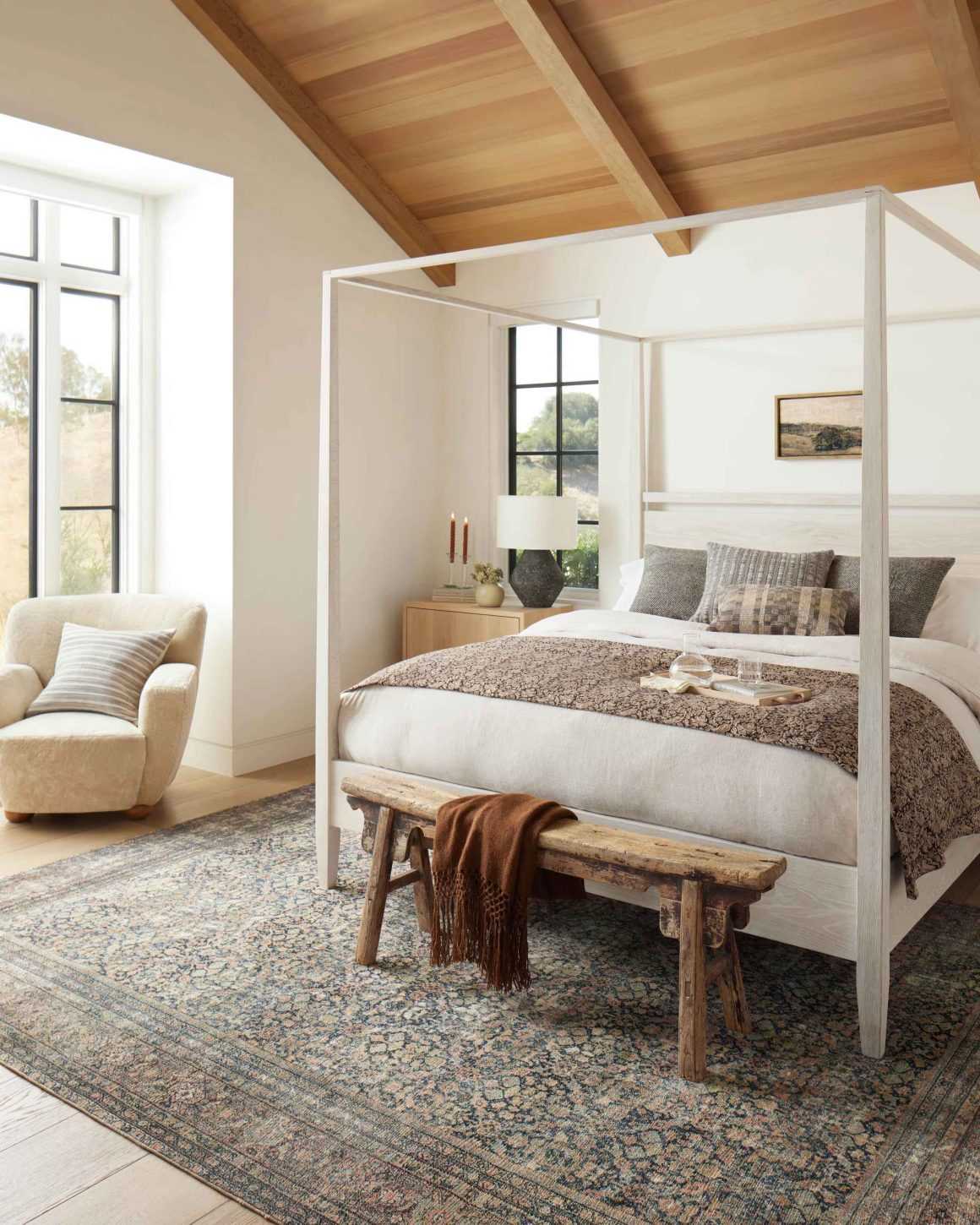
Mixing and matching furniture in your bedroom can lead to a unique and personalized aesthetic that truly reflects your style. To create a cohesive look while incorporating diverse pieces, start by selecting a color palette that ties everything together. Choose a focal point, such as a statement bed or a vintage chair, and build around it with complementary items. Don’t be afraid to mix different materials and textures, like pairing a sleek metal bed frame with a wooden nightstand. The key is to maintain balance, so consider varying heights and shapes to keep the space visually interesting. With a little creativity and an open mind, you can design a bedroom that feels both coordinated and uniquely yours.

How to Mix and Match Furniture for a Unique Bedroom Aesthetic
Creating a unique bedroom aesthetic can be an exciting journey. Mixing and matching furniture allows you to express your personality while crafting a serene and vibrant space. To achieve this, understanding essential design principles is key. This article will guide you through the art of combining various furniture styles, colors, and textures to create a harmonious and stylish bedroom environment.
Understanding the Basics of Mixing Furniture Styles
Before diving into the specifics, it’s important to grasp the fundamental styles of furniture. Each piece brings its character and charm to your room. Here are some popular styles to consider:
- Modern: Characterized by clean lines and minimal ornamentation.
- Traditional: Features classic designs and rich woods.
- Industrial: Emphasizes raw materials like metal and unfinished wood.
- Rustic: Often made from reclaimed wood and earthy tones.
- Bohemian: Bright colors and eclectic pieces, often with a story.
Mixing these styles can add depth and interest to your space. However, it’s crucial to maintain a balance. Too many contrasting styles can overwhelm the eye.
Choosing a Color Palette
A cohesive color palette can unify different furniture styles. Start by choosing a few key colors to work with. Here are some tips for selecting your colors:
- Pick one dominant color to set the foundation.
- Choose 2-3 accent colors to complement the dominant shade.
- Consider neutral tones to soften the overall look.
Using this approach makes it easier to select furniture that matches or complements your chosen palette, creating a more unified look.
Incorporating Textures for Added Interest
Textures can significantly enhance your bedroom’s aesthetic. Mixing various materials adds visual interest. Here are some texture ideas to consider:
- Wood: Warm and inviting. Perfect for both modern and rustic styles.
- Metal: Adds an industrial charm, especially in light fixtures and bed frames.
- Fabric: Soft textures from cushions, bed linens, and rugs can soften hard surfaces.
- Glass: Brings a sophisticated touch, especially in tables and decor.
When combining textures, aim for balance. For instance, pair smooth surfaces with more textured materials to create a visually appealing contrast.
Mixing Shapes and Sizes
Incorporating furniture of various shapes and sizes can create a dynamic look in your bedroom. Here are some tips to consider:
- Mix larger pieces, like a king-size bed, with smaller items, like bedside tables.
- Pair round items, such as a circular rug, with angular furniture for contrast.
- Use varying heights for visual interest, like tall bookshelves next to low tables.
This approach creates a layered look, making the space feel inviting and curated.
Focal Points: Creating a Center of Interest
Every room needs a focal point, something that draws the eye. In a bedroom, this could be:
- Your bed: A beautifully made bed can be a stunning centerpiece.
- A statement piece: An antique dresser or an eye-catching chair can serve as a focal point.
- Artwork: Hang a large piece of art above the bed or a gallery wall to direct attention.
By establishing a focal point and arranging other furniture around it, you can guide the viewer’s eye and create a cohesive look.
Layering with Rugs
Area rugs can define spaces and add comfort to your bedroom. When mixing furniture, layering rugs can enhance the aesthetic:
- Choose a large area rug to anchor the space.
- Layer smaller rugs on top for added texture and color.
- Ensure the colors in the rugs complement your overall palette.
Rugs also provide warmth, making the room feel cozier.
Accessorizing Thoughtfully
Accessories play a crucial role in completing your unique aesthetic. Consider these tips for effective accessorizing:
- Use throw pillows to add color and comfort to your bed or chair.
- Select curtains that complement the colors and styles of your furniture.
- Incorporate decorative items like vases, books, or photographs to personalize the space.
Each accessory should relate to your overall theme while adding its touch, enhancing the room’s overall design.
Balancing Functionality with Style
While creating a beautiful bedroom is essential, functionality should not be overlooked. Here are some tips for maintaining a balance:
- Choose furniture that serves a purpose, like a storage bed or multi-functional ottoman.
- Ensure easy flow and accessibility. Leave enough space to move around comfortably.
- Incorporate lighting that enhances the room’s aesthetics while being practical.
By focusing on both form and function, you can create a bedroom that meets your needs and looks stylish.
Experimenting with Asymmetry
Embracing asymmetry can bring a modern twist to your bedroom design. Here are some ways to play with this concept:
- Add mismatched bedside tables for an eclectic look.
- Use different lampshades on matching bases for a playful touch.
- Place art or decorative items at different heights for visual interest.
This approach can create a relaxed, casual vibe, making the room feel lived-in and inviting.
Staying True to Your Style
Ultimately, the most important aspect of mixing and matching furniture is to stay true to your style. Here’s how to identify and incorporate your personal touch:
- Reflect on what makes you feel comfortable and happy.
- Incorporate pieces that have personal meaning or history.
- Don’t be afraid to break rules that don’t resonate with your vision.
Your bedroom should be a reflection of who you are, making it a sanctuary to retreat to.
Keeping it Cohesive
While mixing and matching is about variety, maintaining a cohesive look is essential. Here are some tips to ensure everything works together:
- Limit the number of different styles to avoid a chaotic appearance.
- Stick to a color palette that ties all pieces together.
- Revisit key design elements, like shapes or textures, to create harmony.
Having a guiding principle can ease the decision-making process as you mix different elements.
Finally, remember that mixing and matching furniture is a personal journey. It takes time and experimentation to find what works best for your unique bedroom aesthetic. Enjoy the process of discovering new combinations that reflect your style and create a space that feels uniquely yours.
HOW TO MIX AND MATCH FURNITURE LIKE A PRO – Interior Design Tips
Frequently Asked Questions
“`html
What are some tips for choosing a color palette when mixing furniture styles?
When selecting a color palette for your bedroom, consider using a combination of neutral tones and accent colors. Start with a base color that complements your main furniture pieces, then introduce accent colors through accessories like pillows, throws, and artwork. This approach keeps the space cohesive while allowing you to incorporate different styles. Aim for a harmonious mix that balances warm and cool tones.
How can textures enhance the aesthetic of a mixed furniture bedroom?
Incorporating various textures can significantly enrich your bedroom’s aesthetic. Mix soft fabrics like velvet or cotton with harder surfaces like wood or metal. This contrast creates visual interest and depth in the space. Use texture through bedding, rugs, curtains, and decorative items to add warmth and personality without clashing with different furniture styles.
What role do accessories play in achieving a unique bedroom look?
Accessories play a crucial role in tying together different furniture styles. Items such as lamps, wall art, and decorative trays can bridge the gap between contrasting pieces. They offer an opportunity to introduce color, pattern, and material that enhances the overall design. Select accessories that resonate with your personal style, even if they come from different design eras.
How do I ensure my mixed furniture pieces coordinate without matching exactly?
To create a coordinated look without being overly matching, select furniture pieces that share a common element, such as color, style, or material. For instance, if one piece is modern and another is vintage, ensure they share a specific color or finish that links them. Additionally, avoid using the same exact style; instead, focus on complementary elements that allow each piece to shine individually.
Can I mix different periods of furniture styles effectively?
Yes, mixing different periods can lead to a dynamic and interesting bedroom aesthetic. Focus on combining pieces that share a similar scale or silhouette for a more cohesive look. Integrate a statement piece from one era and complement it with accessories or smaller items from another to create balance. Always consider how each item interacts with the others to maintain harmony in the space.
“`
Final Thoughts
Mixing and matching furniture can create a unique bedroom aesthetic that reflects your personal style. Start by selecting a cohesive color palette that ties different pieces together while allowing for variation in texture and materials.
Incorporate statement furniture alongside simpler items to create balance and interest. Layering decor and accessories can also help to pull the room together while adding depth.
Ultimately, mastering how to mix and match furniture for a unique bedroom aesthetic involves creativity and a keen eye for detail. Experiment with various combinations until you find the perfect mix that feels like home.