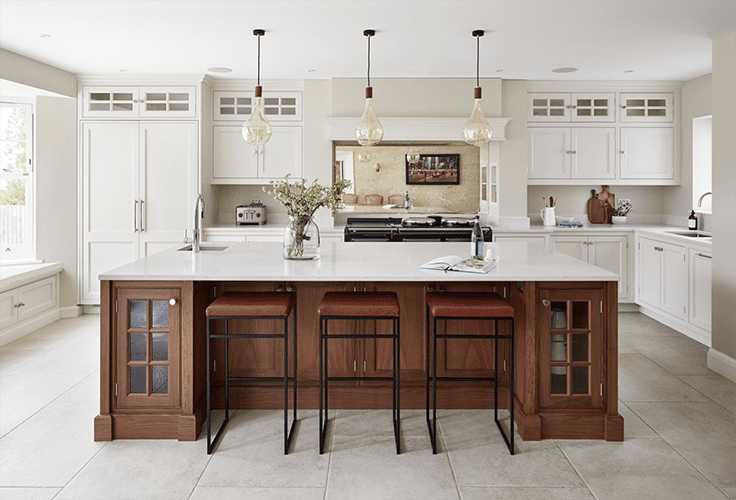
Start with choosing complementary tones and styles—pair warm, natural wood cabinets with soft, muted painted ones for a harmonious look. Use cohesive hardware and accessories to unify the space, and consider blending textures and finishes for balance. With thoughtful coordination, mixing wood and painted cabinets can create a stylish, personalized kitchen that feels both inviting and unique.
Mixing wood and painted cabinets can seem tricky, but with some strategic planning, you can create a stunning, balanced look in your kitchen. The key is to select complementary colors and finishes, and to ensure the overall design flows smoothly. Think of your cabinets as a palette—pair warm, natural wood hues with soft, painted shades, and introduce consistent hardware and accents to tie everything together. This approach not only adds visual interest but also reflects your personal style, making your kitchen both functional and beautiful. Embrace the contrast and play with textures to craft a space that’s uniquely yours.

How to Mix Wood and Painted Cabinets
Combining wood and painted cabinets in your space can create a beautiful and inviting look. This style adds depth and interest to your kitchen or bathroom, giving it a personalized flair. Properly mixing these two cabinet styles requires understanding color coordination, material choices, and design balance.
Understanding the Basics of Mixing Wood and Painted Cabinets
Before diving into the design process, it’s important to grasp the fundamental principles. Mixing wood and painted cabinets involves pairing different finishes that complement each other effectively.
Think of it as creating a visual harmony that enhances your space rather than making it look cluttered or mismatched. The key is to find a balance between the warmth of wood and the brightness of painted finishes.
Selecting the Right Types of Wood Cabinets
When choosing wood cabinets, consider the species and grain pattern. Popular options include oak, maple, cherry, and walnut. Each has its unique look and texture.
For a more casual feel, lighter woods like maple or oak work well. If you desire a richer, more elegant look, darker woods like walnut or cherry are excellent choices. Be sure the wood tone aligns with your overall style.
Choosing Painted Cabinets for a Harmonious Look
Painted cabinets add color and personality to your space. Neutral shades like white, cream, or gray easily blend with wood features. Bright colors such as blues or greens can inject energy into the room.
When selecting painted finishes, opt for matte, satin, or semi-gloss sheens depending on your preferred level of shine. Matte finishes hide imperfections better, whereas glossy sheens reflect light and make colors pop.
Creating Cohesion with Color and Finish Choices
To mix wood and painted cabinets successfully, focus on color coordination. Use a neutral or complementary palette to ensure the different finishes work together seamlessly.
For example, pairing warm-toned wood with soft pastel or muted painted cabinets creates a calming feel. Alternatively, contrasting dark wood with light painted cabinets adds depth and drama.
Incorporating Design Elements for Balance
Balance is vital when combining these styles. Distribute the different cabinet finishes thoughtfully throughout the space.
For example, top cabinets could be painted, while base cabinets are wood, or vice versa. Incorporate open shelving or glass-front cabinets to break up the visual weight of solid cabinets.
Using Hardware and Accessories to Tie the Look Together
Hardware choices can unify your mixed cabinet design. Select finishes like brushed nickel, brass, or matte black that complement both wood and painted surfaces.
Incorporate accessories such as backsplash tiles, countertop materials, and decorative items that echo the colors and textures in your cabinets. This consistency ties the overall aesthetic together.
Considering the Style and Architecture of Your Space
The architectural style of your home influences how well wood and painted cabinets will blend. For traditional or farmhouse styles, natural wood paired with soft painted hues creates a cozy feel.
Modern or contemporary spaces often feature high contrast combinations, like dark wood with white or bold painted colors. Always reflect your home’s existing style when mixing cabinet finishes.
Practical Tips for Maintaining a Mixed Finish Kitchen
Keep your cabinets looking fresh by regular cleaning and care suited to their finish type. Use gentle cleaning agents to avoid damage.
Be mindful of wear and tear, especially on painted cabinets, which can chip or scratch. Applying a protective sealant helps extend the life of your cabinets.
Examples of Successful Wood and Painted Cabinets Combinations
Here are some inspiring ideas to visualize your project:
| Combination | Description | Ideal Style |
|---|---|---|
| Natural oak with white painted upper cabinets | Light wood paired with bright, clean painted surfaces creates a fresh look. | Farmhouse or coastal |
| Dark walnut base with pastel teal upper cabinets | Deep wood tones contrasted with soft, colorful paint add a playful yet elegant touch. | Modern with vintage accents |
| Cherry wood island with gray painted cabinets | Warm wood paired with cool painted shades balances warmth and coolness effectively. | Traditional or transitional |
Adding Personal Touches and Detailing
Personalize your space with decorative cabinet hardware, molding, or custom paint finishes. These details enhance the aesthetic and reflect your personality.
Consider contrasting or matching paint colors for trims and moldings. Small touches like decorative knobs or pulls can also elevate the overall look of your mixed cabinetry.
The Importance of Lighting in Highlighting Mixed Cabinets
Lighting plays a crucial role in showcasing your mixed cabinet style. Use under-cabinet lighting to illuminate countertops and highlight contrasts.
Incorporate different lighting options such as pendant lights, recessed lighting, or chandeliers to create ambiance and draw attention to the design interplay.
Final Tips for Perfectly Blended Cabinets
Always visualize your design before committing. Use mood boards, samples, or digital previews to see how different finishes work together.
Be patient and open to adjustments. Sometimes small tweaks, like changing hardware or paint shades, make a big difference.
Remember, mixing wood and painted cabinets is an art, and your creativity will make the space uniquely yours. Focus on balancing color, texture, and style to craft a harmonious and inviting environment.
How to Mix Wood Tones in Your Home
Frequently Asked Questions
What color schemes work well when combining wood and painted cabinets?
When mixing wood and painted cabinets, opt for color schemes that complement the natural tones of the wood. Neutral shades like white, cream, or gray pair nicely with warm wood finishes. For a bold contrast, consider painted cabinets in navy, deep green, or charcoal. Keeping a cohesive palette creates a balanced and harmonious look in your space.
How can I create visual balance between wood and painted cabinet styles?
Balance can be achieved by distributing the different cabinet styles evenly throughout the space. For example, pair open wooden shelves with painted upper cabinets or mix wooden bases with painted uppers. Incorporating similar hardware, trim, or backsplashes helps unify the design and ensures neither material dominates the room visually.
What are some common mistakes to avoid when combining wood and painted cabinets?
Avoid using contrasting colors or finishes that clash, which can make the space look disjointed. Do not overuse one style or material, as it can create imbalance. Also, steer clear of cluttered designs that hide the natural beauty of the wood or painted surfaces. Clear planning and thoughtful selection of materials help maintain a cohesive, appealing aesthetic.
Can mixing wood and painted cabinets affect the overall durability of my kitchen?
Mixing different cabinet materials does not necessarily impact durability if you select high-quality finishes and proper hardware. Maintain both wood and painted surfaces with appropriate cleaning products and avoid excessive moisture or abrasive cleaners. Proper care ensures your cabinets stay looking great and last for many years.
How should I choose hardware and accessories when combining these cabinet styles?
Select hardware that complements both wood and painted surfaces by sticking to a consistent finish, such as brushed nickel, matte black, or antique brass. Incorporate accessories and hardware that share the same style or color family to unify the look. Thoughtful detail choices enhance the seamless integration of different cabinet materials.
Final Thoughts
To mix wood and painted cabinets effectively, balance their colors and textures for harmony. Choose complementary hues and avoid overwhelming the space with too many contrasting tones. Incorporate accessories or hardware to tie the two styles together seamlessly.
Vary the finishes and grain patterns to add visual interest and prevent the design from feeling monotonous. Keep the overall style cohesive by maintaining consistent hardware or accents.
In conclusion, how to mix wood and painted cabinets hinges on balancing colors, textures, and details to create a unified look that feels intentional and inviting.