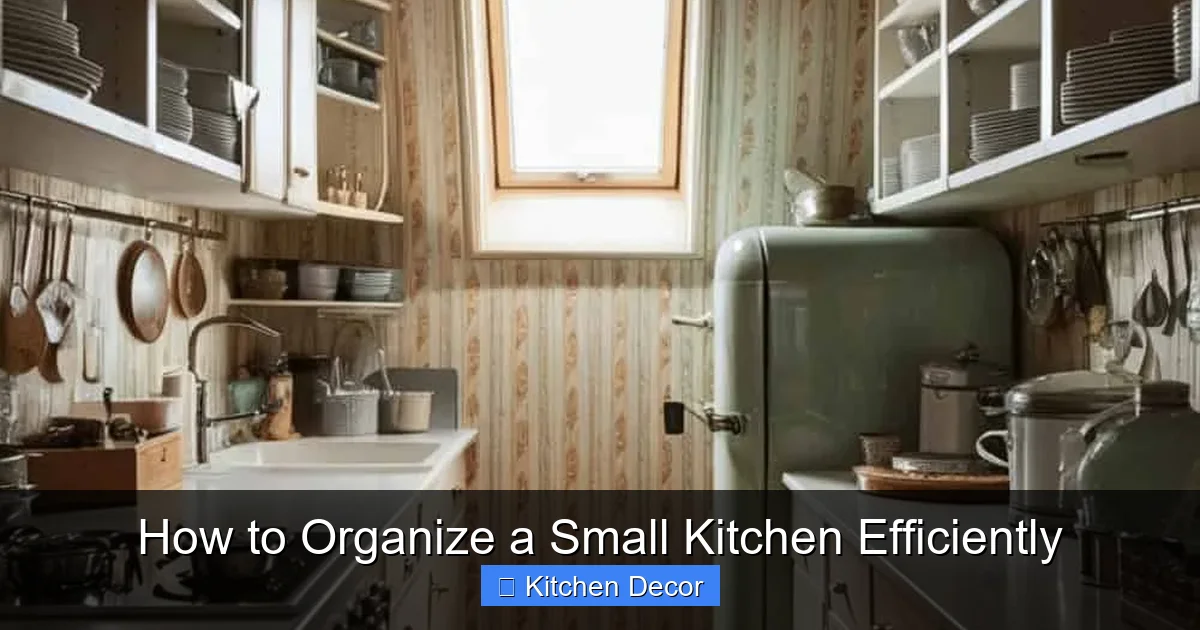
Transform your compact culinary space into a functional haven with this comprehensive guide on how to organize a small kitchen efficiently. Discover step-by-step instructions to declutter, deep clean, and implement smart storage solutions that maximize every inch. From zoning your space to clever vertical storage and maintaining a tidy kitchen, you’ll learn practical strategies to create an organized and enjoyable cooking environment, making your small kitchen feel much larger and more manageable.
How to Organize a Small Kitchen Efficiently
Welcome to the ultimate guide on how to organize a small kitchen efficiently! If you’ve ever felt overwhelmed by limited counter space, overflowing cabinets, or a constant battle with clutter in your compact kitchen, you’re not alone. Small kitchens can be incredibly charming, but they often present unique challenges when it comes to keeping them tidy and functional. The good news is that with the right strategies, a small kitchen can become just as efficient, if not more so, than a larger one. It’s all about smart choices, clever storage solutions, and a bit of discipline.
In this comprehensive guide, we’ll walk you through a step-by-step process to transform your small kitchen from chaotic to organized. We’ll cover everything from decluttering and deep cleaning to maximizing every inch of space, utilizing clever storage hacks, and maintaining your newfound order. Get ready to reclaim your kitchen, enjoy cooking more, and discover just how much potential your small space truly has! Let’s dive in and learn how to organize a small kitchen efficiently.
Key Takeaways
- Declutter Ruthlessly First: Before organizing, empty your kitchen completely, sort items into keep, donate, or toss piles, and remove anything that doesn’t belong or isn’t frequently used to create a clean slate.
- Clean and Measure Your Space: After decluttering, thoroughly clean all surfaces. Then, measure cabinets, drawers, and counter space to understand exact dimensions, which is crucial for choosing effective storage solutions.
- Zone Your Kitchen Strategically: Divide your small kitchen into dedicated zones for cooking, prep, storage, and cleaning. This approach ensures that related items are stored together, streamlining workflows and improving efficiency.
- Maximize Vertical Storage: Utilize walls, cabinet interiors, and even the backs of doors. Implement shelf risers, wall-mounted racks, magnetic strips, and tiered organizers to take advantage of every upward inch.
- Implement Smart Drawer & Cabinet Solutions: Use drawer dividers, pull-out shelves, pot/pan organizers, and under-sink caddies to keep items tidy and accessible. Decant pantry staples into uniform, stackable containers for neatness.
- Prioritize Countertop Clarity: Keep countertops as clear as possible by only displaying frequently used, multi-functional items. Store larger appliances away when not in use to maintain a sense of openness and ease of cleaning.
- Maintain with Regular Habits: Organization is an ongoing process. Adopt habits like the “one in, one out” rule, putting items away immediately, and conducting mini-declutter sessions regularly to prevent disarray from returning.
Step 1: Declutter Ruthlessly First
This is perhaps the most crucial step, especially when you need to organize a small kitchen efficiently. You can’t organize clutter, you can only move it around. Be honest with yourself about what you truly need and use.
Empty Everything Out
Start by completely emptying every single cabinet, drawer, and shelf. Take everything off your countertops, too. Yes, it will look like a disaster zone for a bit, but this is essential. Seeing everything laid out helps you assess the true volume of your belongings.
Sort into Categories
As you empty things out, group similar items together. For example, all your mugs in one pile, all your spices in another, pots and pans together, baking supplies, cleaning products, and so on. This makes it easier to see how many duplicates you have and what you might be missing.
The “Keep,” “Donate/Sell,” “Toss” Piles
Now comes the hard part: making decisions. Go through each category and assign items to one of three piles:
- Keep: These are items you use regularly (at least once a week or month), truly love, or are essential.
- Donate/Sell: Items that are in good condition but you no longer use, have duplicates of, or don’t need. Think about kitchen gadgets you’ve used once, extra serving dishes, or specialty appliances taking up valuable space.
- Toss: Broken items, expired food, worn-out sponges, or anything truly past its prime.
Be firm! If you haven’t used it in a year, chances are you won’t. When you need to organize a small kitchen efficiently, every item must earn its place.
The “Seldom Used” Box
For items you genuinely use but only a few times a year (e.g., a turkey roaster, holiday cookie cutters), consider a “seldom used” box. Store this box outside the kitchen, perhaps in a basement, garage, or top shelf of a closet. This frees up prime kitchen real estate.
Step 2: Clean and Assess Your Space
With clutter removed, you can now truly see and understand your small kitchen.
Deep Clean All Surfaces
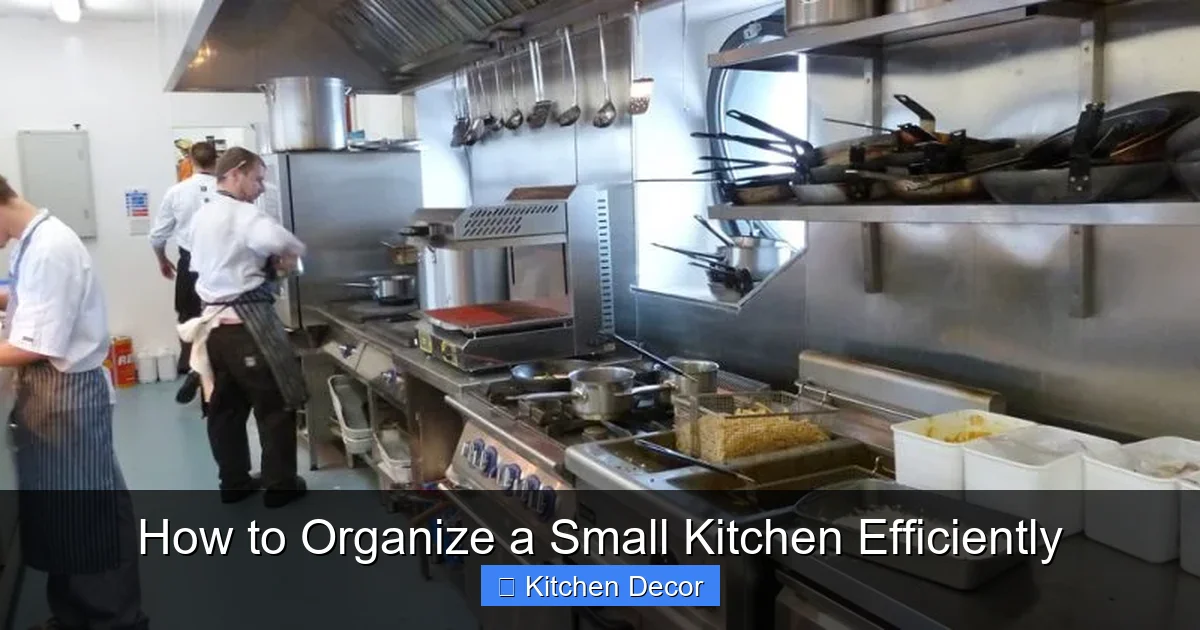
Before putting anything back, give your kitchen a thorough deep clean. Wipe down cabinet interiors and exteriors, wash drawer liners, clean your countertops, scrub the sink, and mop the floor. This provides a fresh, clean canvas for your newly organized space.
Visual guide about How to Organize a Small Kitchen Efficiently
Image source: 1.bp.blogspot.com
Measure Your Cabinets and Drawers
This step is often overlooked but incredibly helpful. Grab a tape measure and note down the interior dimensions (width, depth, height) of all your cabinets, drawers, and pantry shelves. Measure the clearance under your sink and between shelves. Knowing these numbers will prevent you from buying organizers that don’t fit and helps you plan how to organize a small kitchen efficiently.
Identify Problem Areas
As you clean and measure, take note of any particular “hot spots” that tend to collect clutter or feel inefficient. Is there a drawer that’s always a jumbled mess? A corner cabinet that’s a black hole? Understanding these problem areas will help you prioritize your organizing solutions.
Step 3: Zone Your Kitchen
Zoning means assigning specific functions or categories of items to particular areas of your kitchen. This streamlines your workflow and makes cooking much more enjoyable.
The Cooking Zone
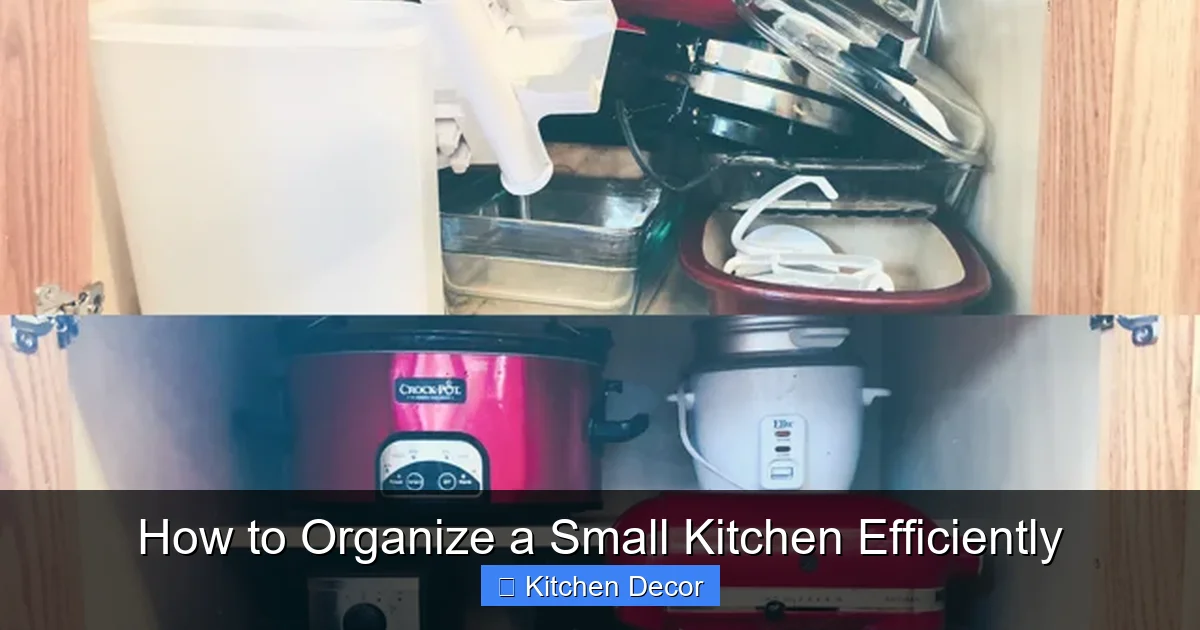
This is typically around your stove and oven. Store pots, pans, lids, cooking utensils (spatulas, ladles), oven mitts, and frequently used oils and spices here. Keep essentials within arm’s reach.
Visual guide about How to Organize a Small Kitchen Efficiently
Image source: i1.wp.com
The Prep Zone
Usually, this is the main stretch of counter space you use for chopping and preparing food. Keep cutting boards, knives, mixing bowls, and prep tools (peelers, grater) close by. Consider a small, dedicated space for a food processor or blender if you use it often.
The Storage Zone
This is where you’ll keep food items (pantry staples, snacks) and dishes (plates, bowls, glasses). Try to keep dishes near the dishwasher or sink for easy unloading. For pantry items, group similar foods together.
The Cleaning Zone
Around your sink, store dish soap, sponges, dish brushes, cleaning cloths, and trash bags. Consider an under-sink caddy to keep these items neat and accessible.
The Food Storage Zone
This includes your refrigerator and any dedicated pantry space. Group items logically: produce together, dairy together, leftovers clearly marked. We’ll delve deeper into this later.
Step 4: Maximize Vertical Space
When you need to organize a small kitchen efficiently, thinking “up” is key. Walls, cabinet interiors, and even the backs of doors offer untapped storage potential.
Shelf Risers and Expandable Shelves
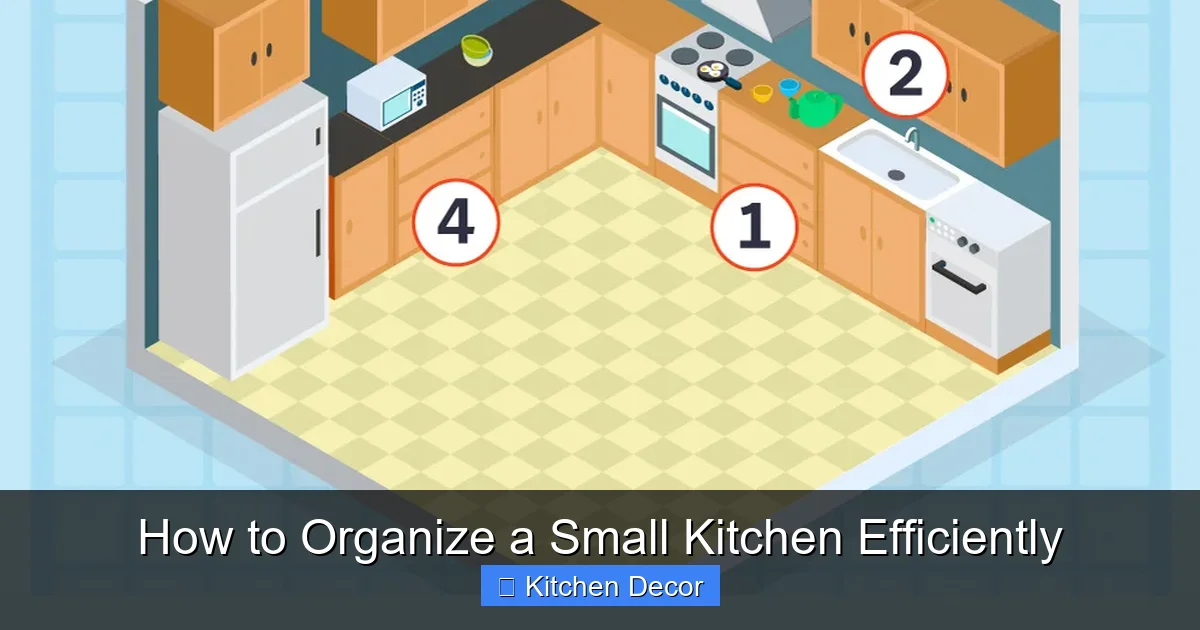
These simple tools double your storage within a cabinet. Use them for plates, mugs, or canned goods. They create extra layers, making it easier to see and access items without having to unstack everything.
Visual guide about How to Organize a Small Kitchen Efficiently
Image source: wp.zillowstatic.com
Wall-Mounted Solutions
Don’t let empty wall space go to waste! Install open shelving for frequently used items or decorative pieces. A pegboard system offers incredible flexibility for hanging pots, pans, and utensils. Magnetic knife strips are fantastic for freeing up drawer space and keeping knives safely organized.
Over-the-Door Organizers
The back of your pantry door or even a cabinet door can hold a surprising amount. Use over-the-door spice racks, small wire baskets for foil and plastic wrap, or even a shoe organizer for small snack bags.
Step 5: Utilize Drawer and Cabinet Organizers
Once you’ve decluttered and zoned, it’s time to put things back using smart internal organizers to organize a small kitchen efficiently.
Drawer Dividers and Inserts
Say goodbye to the “junk drawer”! Use expandable drawer dividers or pre-made inserts to create compartments for cutlery, cooking utensils, measuring spoons, and other small gadgets. Everything should have its own designated spot.
Pull-Out Organizers
For deep lower cabinets, pull-out shelves or wire baskets are game-changers. They allow you to access items at the back without rummaging, especially useful for pots, pans, and heavier appliances.
Pot and Pan Organizers
Vertical pan organizers (racks that hold pans on their sides) or lid organizers (which hold lids neatly) can prevent stacks of clanking cookware and make it much easier to grab what you need. Consider storing lids separately from pots to save space if you have a deep drawer.
Under-Sink Solutions
The space under the sink often becomes a chaotic mess. Use a tiered caddy or a simple plastic bin to corral cleaning supplies. Look for options with cutouts that fit around pipes. This area is perfect for cleaning products, extra sponges, and trash bags.
Step 6: Smart Food Storage
How you store your food can significantly impact how organized and efficient your small kitchen feels.
Decant into Uniform Containers
Transfer dry goods like pasta, rice, flour, sugar, and cereals from bulky, irregularly shaped packaging into clear, airtight, stackable containers. This not only looks tidier but also helps you see what you have, takes up less space, and keeps food fresher. Square or rectangular containers are best for maximizing space.
Label Everything
Once decanted, label containers with their contents and expiration dates. This prevents food waste and makes it easy to find what you need quickly, which is vital when you organize a small kitchen efficiently.
First-In, First-Out (FIFO) Method
When stocking your pantry or fridge, always place new items behind older ones. This ensures you use older food first, reducing waste. It’s a simple habit that makes a big difference.
Refrigerator Organization
Use clear bins or lazy Susans inside your fridge to group similar items (e.g., all condiments in one bin, dairy in another). This prevents items from getting lost in the back and makes cleaning easier. Assign specific shelves for different types of food to maintain order.
Step 7: Countertop Strategy
In a small kitchen, every inch of countertop space is precious. The goal is to keep them as clear as possible.
Keep it Minimal
Only keep truly essential, frequently used items on your countertops. Think a coffee maker, toaster, and perhaps a small utensil crock if it looks neat. Everything else should be stored away.
Choose Multi-Functional Items
If an appliance serves multiple purposes (e.g., an Instant Pot that can pressure cook, slow cook, sauté), it’s more valuable in a small kitchen than several single-use gadgets.
Vertical Storage for Counters
If you absolutely must have items on the counter, choose vertical solutions. A tiered fruit basket, a small spice rack, or a compact knife block takes up less horizontal space. For frequently used spices, a small, multi-tiered rack near your stove can be very practical.
Step 8: Implement Small Space Hacks
Beyond traditional organizers, there are many clever tricks to maximize space when you want to organize a small kitchen efficiently.
Magnetic Strips
Beyond knives, magnetic strips can hold spice jars with magnetic bottoms, small metal utensils, or even measuring spoons and cups if you add a magnet to them. Install them inside cabinet doors or on a backsplash.
Command Hooks
These temporary, damage-free hooks are incredibly versatile. Use them inside cabinet doors for oven mitts, pot holders, or even lightweight cleaning brushes. Hang measuring cups or dish towels on the inside of a pantry door.
Portable Carts/Islands
If you have a sliver of floor space, a narrow kitchen cart on wheels can provide extra counter space, storage, or even a mini-pantry. Look for models with shelves and a butcher block top for added functionality.
Nested and Stackable Items
Invest in mixing bowls, measuring cups, and food storage containers that nest perfectly within each other. This saves a tremendous amount of cabinet space compared to individually shaped items.
Step 9: Maintain the Organization
Organization isn’t a one-time event; it’s an ongoing process. To truly organize a small kitchen efficiently, you need to establish habits that keep it that way.
Regular Mini-Declutter Sessions
Once a month, spend 15-20 minutes doing a quick declutter. Check for expired food, items that have crept onto the counters, or anything that’s no longer serving its purpose.
“One In, One Out” Rule
When you buy a new kitchen item, commit to getting rid of an old one. This prevents accumulation and ensures your kitchen’s capacity doesn’t get overwhelmed.
Put Things Away Immediately
The simplest habit, but the most impactful. After using something, put it back in its designated spot right away. Don’t let dishes pile up or ingredients sit out after cooking. This prevents small messes from turning into big ones.
Troubleshooting: Common Small Kitchen Challenges
Even with the best intentions, small kitchens can present unique frustrations. Here are solutions to common dilemmas:
“I have no pantry space!”
Solution: Get creative! Utilize a standalone shelving unit (like a slim baker’s rack) if you have any available wall space. Use an over-the-door organizer on any door nearby. Maximize vertical space in existing cabinets with risers and stackable containers. Remember the “seldom used” box for items you can store elsewhere.
“My counter is always full!”
Solution: Revisit Step 7. Are you keeping too many items out? Identify which appliances or tools you use daily. Everything else should be put away. Invest in vertical countertop solutions (like a multi-tiered fruit basket) or a small, portable kitchen cart that can tuck away when not needed. Consider storing smaller appliances in a pantry or even a nearby closet.
“I can’t find anything!”
Solution: This often means your zoning isn’t working or items aren’t consistently put back in their place. Go back to Step 3 and ensure everything has a logical home. Implement clear labeling (especially for decanted pantry items) and maintain good habits (Step 9) of putting things away immediately after use. Clear drawer dividers make a huge difference here.
“It never stays organized!”
Solution: Organization is a muscle you build. If disarray creeps back quickly, it might be due to too much stuff, inefficient systems, or a lack of consistent habits. Re-evaluate your decluttering. Are you truly letting go of enough? Ensure your storage solutions are easy to use – if it’s too much effort to put something away, it won’t happen. Most importantly, enforce the “put away immediately” rule and regular mini-decluttering sessions.
Conclusion
Learning how to organize a small kitchen efficiently is not just about tidiness; it’s about creating a more functional, enjoyable, and less stressful cooking environment. By systematically decluttering, cleaning, zoning, and implementing smart storage solutions, you can transform even the most compact kitchen into a highly efficient space.
Remember, the key is consistency and being intentional about every item you keep and where you store it. Embrace vertical space, utilize clever organizers, and build good habits. You’ll be amazed at how much larger and more capable your small kitchen can feel. Now go forth, get organized, and start enjoying your beautifully efficient small kitchen!