
Discover how to transform your kitchen into an efficient and joyful space for daily cooking. This comprehensive guide walks you through decluttering, zoning, smart storage solutions, and essential maintenance tips. You’ll learn to streamline your cooking process, save time, and enjoy every moment spent preparing meals with a beautifully organized kitchen.
How to Organize Kitchen for Daily Cooking
Do you ever feel like your kitchen is a battleground of misplaced items, making daily cooking a frustrating chore instead of a joyful experience? You’re not alone! Many of us dream of a kitchen where everything has a place, ingredients are easy to find, and cooking flows smoothly. The good news is, achieving this organized bliss is entirely within your reach, and it doesn’t require a complete renovation.
This comprehensive guide will walk you through a step-by-step process to organize your kitchen for daily cooking, transforming it into an efficient, functional, and inviting space. We’ll cover everything from decluttering to smart storage solutions and essential maintenance tips. By the end, you’ll have a clear plan to create a kitchen setup that truly supports your culinary adventures, making meal prep faster, easier, and much more enjoyable. Get ready to fall in love with your kitchen all over again!
Key Takeaways
- Declutter Ruthlessly: Remove unused, expired, or duplicate items to create space and clarity before organizing.
- Zone Your Kitchen Strategically: Group similar items and create dedicated workstations (prep, cooking, storage) to improve workflow and efficiency.
- Optimize Storage Solutions: Utilize vertical space, drawer organizers, and cabinet inserts to maximize every inch of your kitchen.
- Master Pantry and Fridge Organization: Keep ingredients visible and accessible with clear containers, labels, and a ‘first-in, first-out’ system.
- Place Tools for Accessibility: Store frequently used tools and appliances close to their point of use for seamless daily cooking.
- Establish Maintenance Habits: Implement daily tidying and regular resets to keep your kitchen organized and functional long-term.
- Embrace Customization: Remember that the best organization system is one that adapts to your unique cooking style and kitchen layout.
Step 1: Declutter Ruthlessly – The Foundation of Organization
Before you can organize kitchen for daily cooking effectively, you absolutely must declutter. Think of this as clearing the canvas before painting a masterpiece. Holding onto items you don’t use simply takes up valuable space and creates visual clutter. This step might feel overwhelming, but it’s the most crucial part of the process.
Empty Everything Out
Start by completely emptying one section of your kitchen at a time – a single drawer, a cabinet, or your pantry. Resist the urge to do the whole kitchen at once, as this can lead to burnout. Lay everything out on a counter, table, or even the floor. Seeing all your items at once will give you a clear picture of what you truly own.
Sort into Categories: Keep, Donate/Sell, Toss
As you empty each item, immediately decide its fate. Have three designated areas or boxes:
- Keep: Items you use regularly, love, and are in good condition.
- Donate/Sell: Items that are still functional but you no longer need or want. Think duplicate items, seldom-used gadgets, or serving dishes you never reach for.
- Toss: Broken items, expired food, anything that is unhygienic, or things that are beyond repair. Be honest with yourself!
Ask Key Questions for Each Item
To help with your decision-making, ask yourself these questions for every item:
- “Have I used this in the last year?” (Be honest!)
- “Do I have a specific plan to use this in the next month?”
- “Do I already own something else that does the same job?”
- “Is this item broken or expired?”
- “Does this item bring me joy or make my cooking easier?”
If the answer to “Have I used this in the last year?” is no, and you don’t have a specific plan to use it, it’s probably time for it to go. Be brave! Letting go of unused items will free up so much space and mental energy when you organize kitchen for daily cooking.
Step 2: Zone Your Kitchen for Efficiency
Once you’ve decluttered, the next step to organize kitchen for daily cooking is to create logical “zones.” Zoning means grouping similar items together based on how and where you use them. This strategy drastically improves your workflow, reducing unnecessary movement and making meal prep a breeze.

Visual guide about How to Organize Kitchen for Daily Cooking
Image source: organizationobsessed.com
The Prep Zone
This is where you’ll do most of your chopping, mixing, and ingredient preparation. Ideally, it should be near your sink for easy washing and rinsing. Store:
- Cutting boards
- Knives and knife sharpener
- Mixing bowls
- Measuring cups and spoons
- Colanders
- Basic prep tools like peelers, graters, and can openers
- Small food processor (if used frequently)
The Cooking Zone
This zone should be centered around your stovetop and oven. Everything you need for cooking should be within arm’s reach.
- Pots and pans (nested or stored vertically)
- Cooking utensils (spatulas, ladles, tongs) in a crock or drawer right by the stove
- Oils, vinegars, and frequently used spices
- Oven mitts and pot holders
- Baking sheets and roasting pans (if used with the oven)
The Storage Zone (Pantry)
This is where you keep non-perishable food items, bulk goods, and frequently used dry ingredients. It should be easily accessible but doesn’t need to be in the immediate cooking area. We’ll dive deeper into pantry organization later.
- Grains, pasta, rice
- Canned goods
- Baking ingredients (flour, sugar, baking soda)
- Snacks, coffee, tea
The Cleaning Zone
This zone is focused around your sink. Keep cleaning supplies here for quick cleanup.
- Dish soap, sponges, scrub brushes
- Dish towels
- Dishwasher tablets
- Trash can and recycling bin nearby
The Baking Zone (Optional)
If you’re an avid baker, dedicate a separate zone for baking-specific tools and ingredients. This could be a drawer or a cabinet near an open countertop space.
- Baking mixes, specialty flours, sugars
- Cookie cutters, pastry bags
- Stand mixer and attachments
- Cooling racks
Walk through your kitchen as if you’re preparing a meal. Does the layout make sense? Are your tools where you need them? Adjust your zones until the flow feels natural and efficient to organize kitchen for daily cooking.
Step 3: Optimize Storage Solutions
Now that you’ve decluttered and zoned, it’s time to put things back in an organized way, maximizing every inch of your space. Smart storage solutions are key to maintaining an organized kitchen for daily cooking.

Visual guide about How to Organize Kitchen for Daily Cooking
Image source: static.vecteezy.com
Utilize Vertical Space
Don’t let the height of your cabinets go to waste! Adding extra shelves, shelf risers, or stackable bins can double your storage capacity.
- Shelf Risers: Perfect for plates, bowls, or cans, allowing you to stack items without crushing them.
- Vertical Organizers: Use these for cutting boards, baking sheets, and platters to make them easy to grab.
- Tiered Spice Racks: Keep your spices visible and accessible in a cabinet or drawer.
Drawer Organizers and Dividers
Untamed drawers can quickly become a chaotic mess. Drawer organizers are a game-changer for cutlery, utensils, and small gadgets. Choose modular dividers that you can adjust to fit your specific items.
- Cutlery Trays: Essential for forks, spoons, and knives.
- Adjustable Dividers: Create custom compartments for larger utensils or kitchen tools.
- Deep Drawer Organizers: Perfect for housing small appliances or larger cooking tools.
Cabinet Solutions
Cabinets can be black holes without proper organization. Consider these solutions:
- Pull-out Shelves or Drawers: Great for deep cabinets, allowing easy access to items at the back.
- Lazy Susans (Turntables): Ideal for corners or pantries to keep oils, sauces, or spices easily reachable.
- Pot and Pan Organizers: Help to keep lids with their respective pots and prevent scratching.
Wall Storage
If counter or cabinet space is limited, look to your walls! This is an excellent way to organize kitchen for daily cooking, especially for frequently used items.
- Magnetic Knife Strips: Frees up counter space and keeps knives safely and visibly stored.
- Pegboards: Customizable and versatile for hanging pots, pans, utensils, or even small baskets.
- Wall-mounted Shelves: Can hold cookbooks, spices, or decorative items.
Uniform Food Storage Containers
Invest in a set of clear, stackable, airtight containers for dry goods (pasta, rice, flour, sugar) and leftovers. This not only looks tidy but also keeps food fresh, makes inventory easy, and prevents spills. Look for BPA-free options.
Step 4: Smart Pantry and Refrigerator Organization
A well-organized pantry and refrigerator are vital for efficient daily cooking. They ensure ingredients are easy to find, reduce food waste, and help you keep track of what you have on hand.
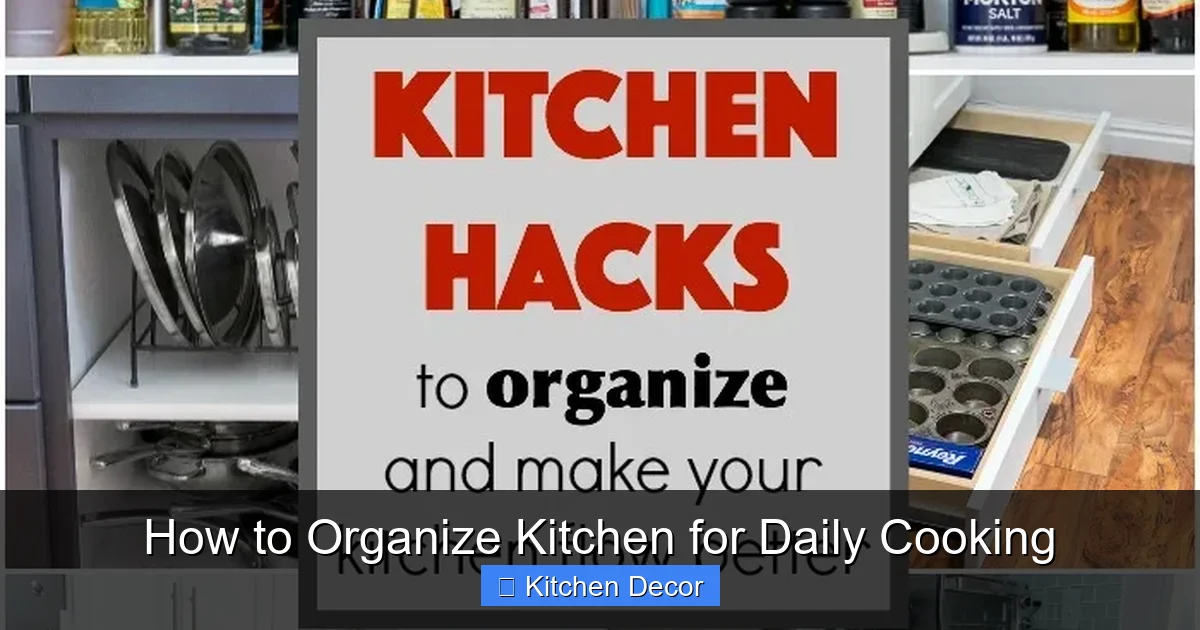
Visual guide about How to Organize Kitchen for Daily Cooking
Image source: iwashyoudry.com
Group Similar Items
Just like zoning your kitchen, group similar items in your pantry and fridge. For example:
- Pantry: Baking supplies together, snacks together, canned goods together, pasta/grains together.
- Refrigerator: Dairy, produce, condiments, leftovers.
Implement “First-In, First-Out” (FIFO)
Always place newly purchased items behind older ones. This ensures you use older ingredients first, preventing spoilage and reducing food waste. This is particularly important for perishables in the fridge and dated items in the pantry.
Clear Bins and Labels
Clear bins are your best friend in both the pantry and fridge. They contain items, prevent clutter from spreading, and make it easy to pull out a whole category of items at once. Labels are non-negotiable! Label bins (e.g., “Snacks,” “Baking,” “Dinner Helpers”) and containers for bulk goods (e.g., “All-Purpose Flour,” “Brown Rice”). This helps everyone in the household know where things belong.
Maximize Shelf Space in the Fridge
- Adjustable Shelves: Reconfigure your fridge shelves to accommodate taller items or create more compact areas.
- Door Storage: Use the door for condiments and frequently accessed items, but be mindful of temperature fluctuations for sensitive items like milk.
- Drawers: Designate specific drawers for produce (fruits and vegetables often have different humidity needs) and meats.
- Leftovers: Store leftovers in clear, stackable containers on an easily accessible shelf.
Step 5: Essential Tools and Their Placement
Having the right tools is important, but knowing where to put them is crucial to organize kitchen for daily cooking. Strategic placement means your most-used items are always within reach, minimizing effort and maximizing efficiency.
Utensil Crocks Near the Stove
Keep frequently used cooking utensils – spatulas, ladles, tongs, whisks – in a crock right next to your stovetop. This makes grabbing them while you’re cooking incredibly convenient. Only keep what you use regularly in the crock; store less-used items in a nearby drawer.
Knives: Block, Magnetic Strip, or Drawer
- Knife Block: A classic choice for keeping knives safe and accessible on the counter.
- Magnetic Strip: Excellent for freeing up counter space and displaying your knives stylishly and safely on the wall.
- In-Drawer Organizer: If counter space is precious, a dedicated in-drawer knife block keeps blades safely tucked away.
Small Appliances: Dedicated Spots or Easily Accessible
Think about how often you use each small appliance:
- Daily/Weekly Use: Coffee maker, toaster, electric kettle – these deserve prime counter space.
- Monthly Use: Blender, food processor, mixer – these can be stored in an accessible cabinet, a deep drawer, or a pantry shelf.
- Seldom Use: Specialty gadgets, bread maker – these can be stored on higher shelves or in less accessible cabinets.
Ensure that appliances stored in cabinets are easy to pull out without a struggle. If they’re too heavy or cumbersome, you’ll be less likely to use them.
Cookbooks and Recipes
Keep your favorite cookbooks or recipe binders easily accessible but out of the main cooking splash zone. A small shelf, a dedicated corner on the counter, or a stylish book stand works well. For digital recipes, consider a tablet stand in your prep zone.
Step 6: Maintain Your Organized Kitchen
Organization isn’t a one-time event; it’s an ongoing practice. To truly organize kitchen for daily cooking and keep it that way, you need to establish consistent maintenance habits. Without these, even the most perfect system will eventually fall apart.
Daily Tidy-Up
Make it a habit to do a quick reset at the end of each cooking session or every evening. This means:
- Washing dishes or loading the dishwasher.
- Wiping down countertops and the stovetop.
- Putting away all ingredients and tools.
- Sweeping or vacuuming any crumbs.
This takes only a few minutes but prevents clutter from piling up and makes the next day’s cooking much more pleasant.
Regular Deep Dives
Schedule a slightly deeper organization session once a month or every few months. This is when you:
- Check expiration dates in the pantry and fridge.
- Wipe down cabinet interiors and drawer organizers.
- Declutter any new items that have crept in.
- Rearrange anything that isn’t quite working for your flow.
The “One-In, One-Out” Rule
To prevent new clutter from accumulating, try to adopt the “one-in, one-out” rule. When you buy a new kitchen gadget, utensil, or even a new set of plates, consider if there’s an old item you can donate or discard. This helps maintain your kitchen’s capacity and prevents overstuffing.
Adapt as Needed
Life changes, and so might your cooking habits, family size, or kitchen needs. Be flexible! If a particular organization system isn’t working for you, don’t be afraid to change it. The goal is a kitchen that supports your daily cooking, not a rigid, perfect system that doesn’t fit your reality.
Troubleshooting Common Kitchen Organization Challenges
Even with the best intentions, you might run into specific hurdles. Here are solutions to common challenges when you try to organize kitchen for daily cooking:
Challenge 1: Small Kitchen Space
- Solution: Embrace Vertical and Wall Storage: Utilize every inch of vertical space with wall shelves, magnetic strips, and pegboards. Add over-the-door organizers.
- Solution: Multi-functional Items: Invest in items that serve multiple purposes, like a cutting board with a colander, or nesting bowls/pots.
- Solution: Mobile Storage: Consider a rolling cart for extra prep space or storage that can be tucked away when not in use.
- Solution: Declutter Even More: Be extra strict with the “keep, donate, toss” rule. If it doesn’t have a clear purpose or isn’t used frequently, it might need to go.
Challenge 2: Maintaining Order with Family Members
- Solution: Clear Communication and Labels: Talk to your family about the new system. Labels are crucial so everyone knows where things go.
- Solution: Designated Zones for Kids: If you have children, create an accessible snack or dishware zone for them so they can help themselves and put things away easily.
- Solution: Shared Responsibility: Assign small, easy tasks to each family member, like loading the dishwasher after dinner or wiping down counters.
- Solution: Lead by Example: Your consistency in tidying up will encourage others to follow suit.
Challenge 3: Budget Constraints for Organizers
- Solution: DIY Solutions: Repurpose old shoeboxes, cereal boxes, or small containers as drawer dividers or bin inserts. Cut them to size and cover with decorative paper if desired.
- Solution: Shop Smart: Look for affordable organizers at discount stores, dollar stores, or online marketplaces. Often, simple clear plastic bins are very effective and budget-friendly.
- Solution: Use What You Have: Don’t feel pressured to buy everything new. Use existing baskets, jars, or containers you already own to group items.
- Solution: Prioritize: Start with one or two key organizing tools that will make the biggest impact, like a good cutlery tray or a set of clear pantry bins, and build from there.
Conclusion
Learning how to organize kitchen for daily cooking is more than just tidying up; it’s about creating a functional, inspiring space that enhances your well-being and simplifies your life. By following these steps—from decluttering and zoning to smart storage and consistent maintenance—you’ll transform your kitchen into an efficient hub where every cooking task feels less like a chore and more like a joy.
Imagine effortlessly finding every ingredient, gliding through meal prep, and enjoying a clean, orderly space at the end of each day. This organized kitchen isn’t just a dream; it’s an achievable reality. Take it one step at a time, celebrate your progress, and enjoy the delicious rewards of a beautifully organized kitchen designed specifically for your daily cooking needs. Happy cooking!