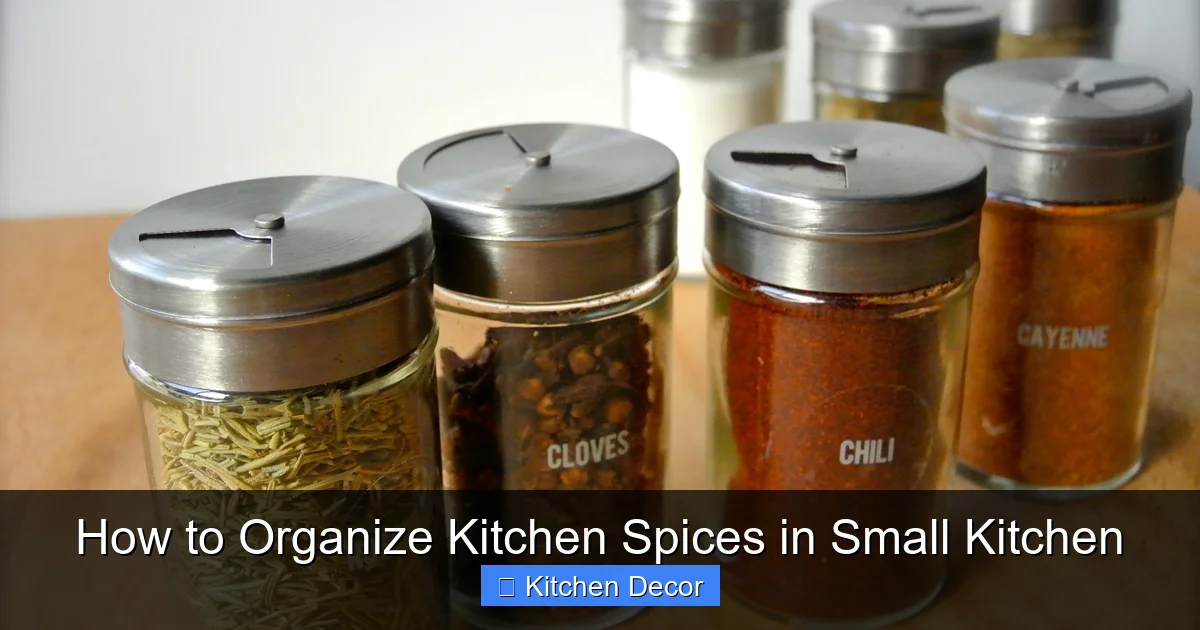
Struggling to organize kitchen spices in a small kitchen? This comprehensive guide provides practical, step-by-step solutions to transform your spice collection. Discover how to declutter effectively, choose smart storage solutions that maximize tight spaces, and strategically place your spices for easy access and extended freshness. Learn to create a functional, beautiful spice setup even in the tiniest kitchen, making cooking more enjoyable and less stressful.
How to Organize Kitchen Spices in Small Kitchen
Welcome, fellow home cooks and small kitchen dwellers! We all know the struggle: a passion for delicious food often means a pantry overflowing with spices. But when your kitchen is tiny, every inch counts. Finding a practical, visually appealing way to organize kitchen spices in small kitchen spaces can feel like a mission impossible. Fear not! This comprehensive guide is here to turn that challenge into a triumph. We’ll walk you through a clear, step-by-step process to declutter, strategize, and implement smart solutions that will make your spice collection a joy, not a headache. Get ready to transform your culinary corner, making cooking easier and more enjoyable!
Key Takeaways
- Declutter First: Before buying any new organizers, thoroughly audit your existing spice collection. Remove expired spices, consolidate duplicates, and identify your most frequently used items to reduce clutter.
- Go Vertical and Utilize Hidden Spaces: Maximize every inch of your small kitchen by looking upwards. Think about wall space, the inside of cabinet doors, and undershelf areas as prime real estate for spice storage.
- Standardize and Label: Using uniform spice jars creates a visually cohesive and tidy look. Clear, consistent labels are crucial for quick identification, saving you time and frustration while cooking.
- Strategic Placement is Key: Store frequently used spices within arm’s reach of your cooking area. Crucially, keep all spices away from direct heat, light, and moisture to preserve their flavor and potency longer.
- Invest in Smart Storage Solutions: Opt for space-saving tools like magnetic racks, tiered shelf inserts, pull-out drawer organizers, or door-mounted spice racks designed for compact environments.
- Maintain Regularly: Implement a simple routine for checking expiration dates, tidying up after cooking, and refilling jars. This ensures your organized spice system remains functional and efficient over time.
Step 1: Declutter and Audit Your Spice Collection
Before you even think about buying a single organizer, the first and most crucial step is to get a true understanding of what you actually have. Think of this as a “spice intervention.” It’s a vital part of learning how to organize kitchen spices in small kitchen environments effectively. This process will help you shed unnecessary items and identify your true essentials.
Check Expiration Dates and Potency
Go through every single spice jar, bag, and tin. Most ground spices lose their potency after 1-3 years, while whole spices can last a bit longer (3-5 years). Dried herbs usually last 1-3 years. If a spice has lost its vibrant color, aroma, or flavor, it’s time to say goodbye. A quick sniff test is your best friend here – if it smells like nothing, it will taste like nothing. Be ruthless! Holding onto inert spices just takes up valuable space.
Consolidate Duplicates and Near-Empties
Do you have three half-empty jars of paprika? Now is the time to combine them. Pour the contents of the older, smaller jar into the newer, larger one (if safe and fresh). If you find two jars of the exact same spice with vastly different expiration dates, consider keeping the fresher one and discarding the older. This simple act immediately frees up space and reduces visual clutter, which is paramount when you aim to organize kitchen spices in small kitchen settings.
Identify Frequently Used Spices
As you sort, pay attention to the spices you reach for most often. These are your daily drivers, your culinary workhorses. Make a mental (or actual) note of them. These spices will get prime real estate in your new, organized setup. Spices used only occasionally can be stored in slightly less accessible spots. This differentiation is a core strategy for small kitchen spice organization.
Step 2: Choose Your Storage Style (Think Vertical and Compact)
Small kitchens demand creative storage solutions. The key to learning how to organize kitchen spices in small kitchen spaces is to think vertically, utilize dead space, and choose organizers that fit your specific layout. Forget bulky, sprawling solutions; we’re going for sleek and efficient.
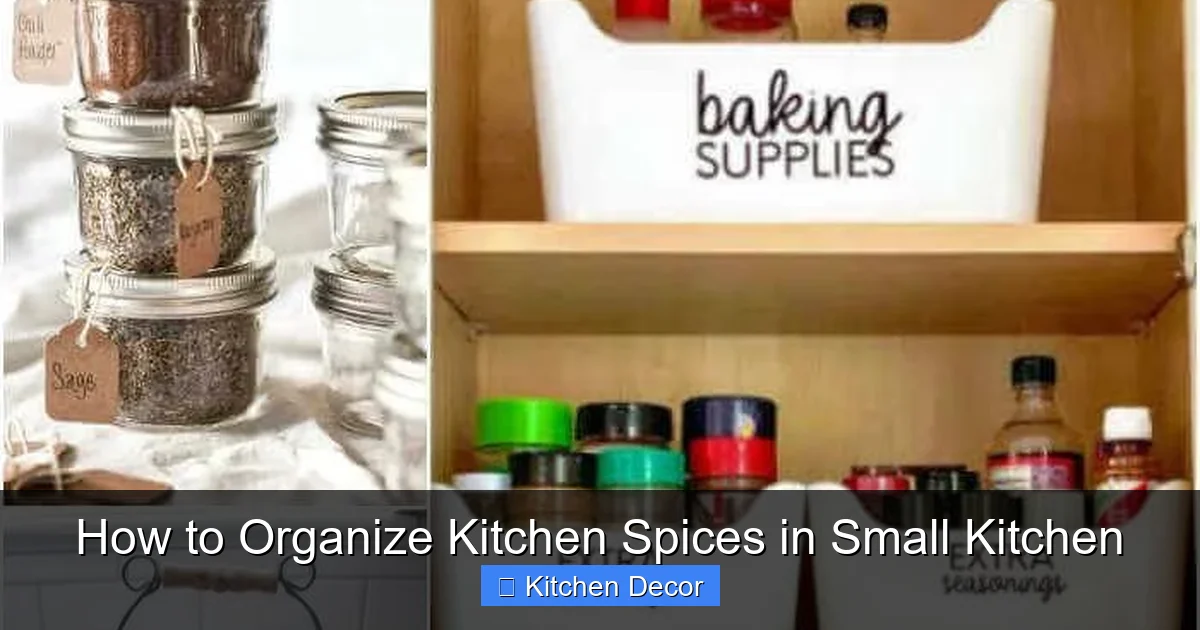
Visual guide about How to Organize Kitchen Spices in Small Kitchen
Image source: i.pinimg.com
Magnetic Spice Racks
These are fantastic for small spaces! Magnetic racks or individual magnetic jars can stick to the side of your refrigerator, a metal backsplash, or even a specially installed magnetic strip on an empty wall. They keep spices visible and easily accessible without taking up precious counter or cabinet space. This is a top-tier solution for how to organize kitchen spices in small kitchen layouts.
Pull-Out Spice Racks or Drawer Inserts
If you have a narrow cabinet or a shallow drawer near your stove, a pull-out spice rack or a tiered drawer insert can be a game-changer. These keep bottles neatly aligned, prevent them from toppling, and allow you to see everything at a glance without digging. Look for slim designs specifically made for tight spaces.
Door-Mounted Organizers
The inside of a pantry door or even a cabinet door can be prime real estate. Slim racks or shelves that mount directly to the door provide surprisingly ample storage. Just make sure there’s enough clearance for your spice jars when the door closes.
Tiered Shelf Inserts
For spices stored inside a cabinet, tiered inserts (stair-step risers) elevate the back rows, making every jar visible. This prevents spices from getting lost behind others and helps you avoid buying duplicates. They are simple, affordable, and incredibly effective for small kitchen spice organization.
Wall-Mounted Spice Racks
If you have any spare wall space, even a narrow strip, a wall-mounted rack is a classic solution. These come in various materials and styles, from sleek metal to rustic wood, allowing you to integrate them with your kitchen decor. Just ensure they are installed securely.
Custom DIY Solutions
Don’t be afraid to get creative! A simple shelf made from a reclaimed board or small hanging baskets can be customized to fit unique nooks and crannies in your small kitchen. Sometimes the best way to organize kitchen spices in small kitchen setups is to build a solution that’s tailored to your exact needs.
Step 3: Standardize Your Spice Containers
This step is often overlooked, but it’s incredibly effective for both aesthetics and functionality in a small kitchen. Uniformity reduces visual clutter and makes storage more efficient.
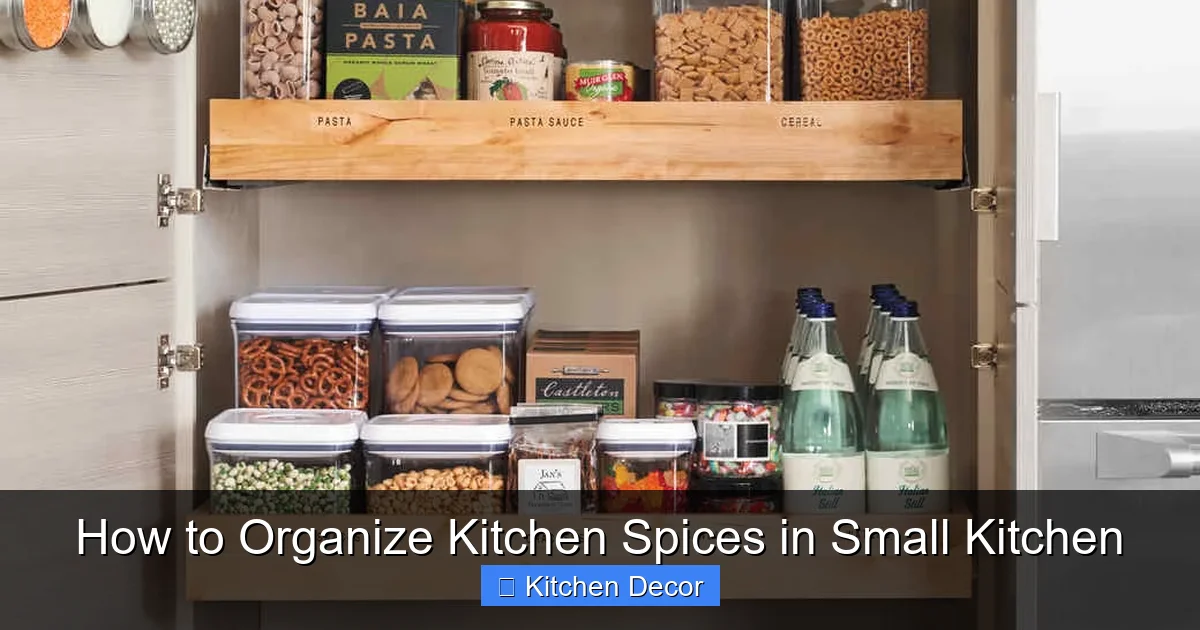
Visual guide about How to Organize Kitchen Spices in Small Kitchen
Image source: assets.marthastewart.com
Uniform Jars for Visual Appeal and Efficiency
Investing in a set of matching spice jars can transform a chaotic collection into an orderly display. Square or rectangular jars are often more space-efficient than round ones as they pack together without gaps. Look for jars that are stackable or have magnetic bottoms, depending on your chosen storage style. This uniformity is a secret weapon when you want to organize kitchen spices in small kitchen spaces, making everything look intentional and neat.
Labeling is Key
Once your spices are in new jars, clear and consistent labeling is non-negotiable. Label the tops of the jars if you’ll be storing them in a drawer or on a tiered rack. Label the side if they’ll be on a wall rack or magnetic surface. You can use a label maker, pre-printed labels, or even write them by hand for a rustic touch. Consider adding the expiration date to the label as well, or at least the date you filled the jar.
Consider Refills Over New Bottles
To be truly space-efficient and eco-friendly, buy spices in bulk or refill bags whenever possible. This saves money and reduces the need to store numerous small, often oddly shaped, original containers. Simply refill your standardized jars when needed.
Step 4: Strategic Placement is Paramount
Where you put your spices is just as important as how you store them, especially when you’re trying to organize kitchen spices in small kitchen environments. Smart placement can drastically improve your workflow and preserve the quality of your spices.
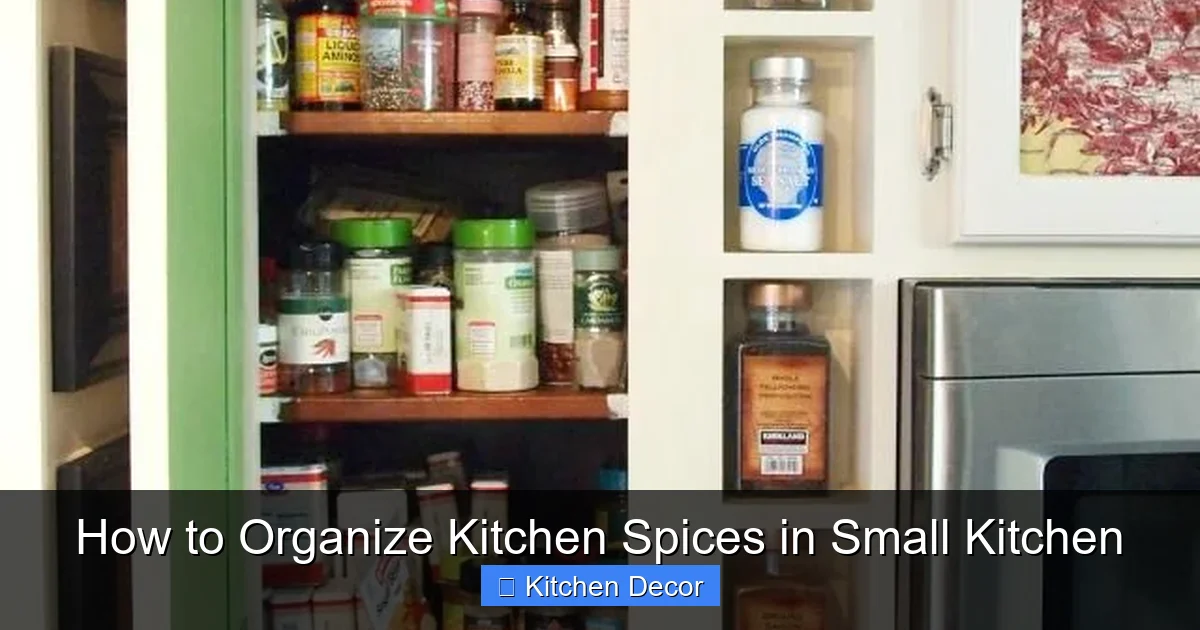
Visual guide about How to Organize Kitchen Spices in Small Kitchen
Image source: i.pinimg.com
Near the Stove (Frequently Used)
Your most-used spices – salt, pepper, garlic powder, onion powder, paprika, cumin, oregano – deserve a spot within easy reach of your cooking area. A small magnetic strip on the backsplash, a tiny shelf, or a dedicated drawer insert right next to the stove can make a huge difference. Avoid placing them directly above the stove where heat and steam can degrade them quickly.
Away from Heat, Light, and Moisture (Longevity)
This is crucial for preserving your spices’ flavor and potency. Direct sunlight, heat from the stove, and steam from the dishwasher or kettle are enemies of fresh spices. Store them in a cool, dark, dry place. A cabinet away from the oven, a pantry, or even a deep drawer are ideal locations. This often means sacrificing a bit of immediate accessibility for less-frequently used items, but it ensures they last longer.
Grouping by Cuisine or Type
Consider organizing your spices logically. Grouping them by cuisine (e.g., “Mexican,” “Indian,” “Baking”) or type (e.g., “Herbs,” “Chilies,” “Sweet Spices”) can make finding what you need incredibly efficient. This is a subtle but powerful tactic to organize kitchen spices in small kitchen settings, as it reduces search time and clutter.
Utilizing Often-Forgotten Spaces
Look for those overlooked spots: the inside of a cabinet door, a tiny gap between the fridge and the wall (if safe and not too hot), or a corner that seems too awkward for anything else. With the right slim organizer, these can become surprisingly effective spice hubs.
Step 5: Implement Smart Storage Solutions (Specific Ideas)
Now that you’ve decluttered, standardized, and planned your placement, let’s look at some specific, space-saving solutions tailored for small kitchens to truly organize kitchen spices in small kitchen layouts.
Inside Cabinet Doors
- Adhesive Racks: Small, lightweight racks that stick to the inside of cabinet doors are fantastic. Ensure they are narrow enough for the door to close without hitting shelves.
- Magnetic Strips: Attach a magnetic strip to the inside of a cabinet door and use magnetic spice tins. This keeps them out of sight but easily accessible.
- DIY Spice Grippers: Adhesive gripper strips can hold individual spice jars, maximizing every inch of door space.
On the Side of the Fridge
- Magnetic Spice Jars: As mentioned, these are a top choice. They free up cabinet and counter space entirely and add a pop of color to your kitchen.
- Magnetic Shelves/Baskets: Larger magnetic organizers can hold more than just spices, like oils or commonly used utensils, further enhancing your small kitchen’s storage capabilities.
Under Cabinet Space
- Pull-Down Spice Racks: These clever units mount underneath your upper cabinets and pull down for easy access, then retract out of sight.
- Under-Shelf Baskets: Wire baskets that slide onto existing shelves create additional storage underneath, perfect for lighter spice jars.
- Spice Grippers: Strips that can be mounted under a cabinet to hold jars upside down. Ensure your lids are secure!
In a Shallow Drawer
- In-Drawer Spice Trays: Angled inserts allow you to lay spice jars flat with labels facing up, making them incredibly easy to read and retrieve.
- Adjustable Dividers: Use drawer dividers to create custom compartments for spice jars, preventing them from rolling around.
On a Small Wall Shelf or Nook
- Floating Shelves: Even a single, narrow floating shelf can hold a surprising number of uniform spice jars, turning a blank wall into functional storage.
- Corner Shelves: Don’t underestimate the power of corner spaces. Small corner shelves can be ideal for a spice display.
Step 6: Maintain Your Organized Spice Sanctuary
Organization isn’t a one-time event; it’s a lifestyle, especially when you’ve worked hard to organize kitchen spices in small kitchen spaces. A little regular maintenance goes a long way to keep your system working perfectly.
Regular Audits
Make it a habit to do a quick spice audit every 3-6 months. Check expiration dates, sniff for potency, and consolidate as needed. This prevents clutter from creeping back in.
“One In, One Out” Rule
When you buy a new spice, check if you already have it. If so, integrate it properly. If it’s a replacement, discard the old one. This simple rule helps prevent accumulation.
Quick Tidying After Cooking
After each cooking session, take a moment to wipe down any dusty jars and return them to their designated spots. This keeps your system clean and reinforces good habits.
Troubleshooting Common Small Kitchen Spice Challenges
Even with the best intentions, small kitchens present unique hurdles. Here’s how to overcome some common issues when you aim to organize kitchen spices in small kitchen environments:
- “I have too many spices for my space!”: Be brutally honest during your declutter. Do you *really* use that exotic spice from five years ago? Consider storing less-frequently used or specialty spices in an overflow bin in another area of your home (e.g., a hall closet) if space is truly at a premium in the kitchen itself.
- “My spices keep getting lost or mixed up!”: Revisit your labeling. Are the labels clear and consistent? Are they visible from the way you store them (top labels for drawers, side labels for racks)? Consistent grouping (e.g., all baking spices together) also helps.
- “How do I keep them fresh?”: Always store spices in airtight containers away from heat, light, and moisture. Consider buying whole spices and grinding them as needed for maximum freshness, or buy smaller quantities more frequently.
Conclusion
Organizing kitchen spices in a small kitchen doesn’t have to be a daunting task. By following these steps – decluttering, choosing smart storage, standardizing containers, strategic placement, and consistent maintenance – you can transform your spice collection into an efficient, accessible, and even beautiful part of your kitchen. Imagine cooking without the frustration of searching for that elusive jar of cumin! With a little effort and creativity, your small kitchen can become a wonderfully organized culinary haven. Happy cooking!