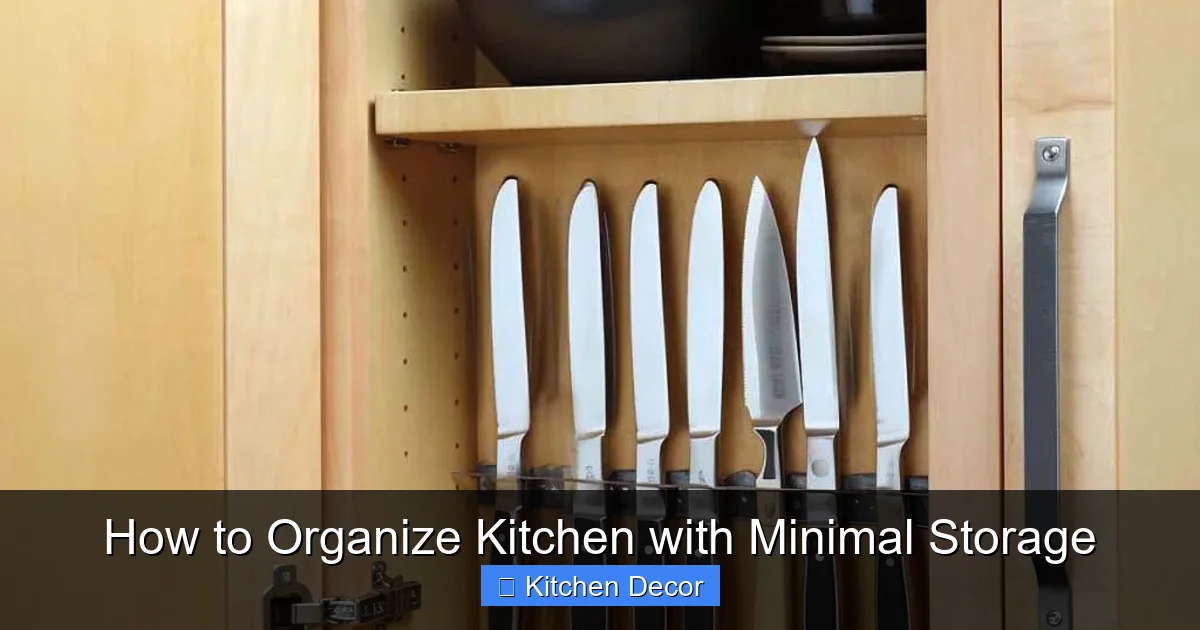
Transform your small kitchen from cluttered to calm with this comprehensive guide on how to organize kitchen with minimal storage. Discover key strategies for ruthless decluttering, maximizing vertical space, and utilizing clever hacks like door storage and drawer organizers. Learn to create an efficient, functional, and aesthetically pleasing kitchen, proving that even with limited space, an organized kitchen is absolutely achievable.
How to Organize Kitchen with Minimal Storage
Welcome to the ultimate guide for conquering kitchen clutter, especially when you’re battling the challenge of minimal storage! If you’ve ever felt overwhelmed by overflowing cabinets, a mountain of items on your countertops, or simply can’t find what you need, you’re in the right place. Many people struggle with finding effective ways to organize kitchen with minimal storage, but with the right strategies, you can transform your space into a functional, efficient, and even beautiful culinary haven.
This guide is designed for anyone who dreams of an organized kitchen, regardless of its size. We’ll walk you through practical, step-by-step instructions, offering creative solutions and clever hacks to maximize every single inch of your precious kitchen real estate. We’ll cover everything from ruthless decluttering to smart vertical solutions and ingenious cabinet organizers. By the end, you’ll have a clear roadmap to successfully organize kitchen with minimal storage, making your cooking experience more enjoyable and less stressful.
Key Takeaways
- Declutter Ruthlessly: Be honest about what you truly need and use. Eliminate duplicates, expired items, and seldom-used gadgets to free up valuable space.
- Maximize Vertical Space: Look up! Install shelves, use wall-mounted organizers, and stack items smartly with risers to utilize walls and cabinet height effectively.
- Embrace Door Storage: Don’t forget the backs of cabinet and pantry doors. They are prime real estate for spices, wraps, cutting boards, or small utensils.
- Optimize Drawers & Cabinets: Implement dividers, lazy Susans, and pull-out solutions to make every inch accessible and prevent items from getting lost or buried.
- Smart Countertop Management: Keep countertops clear for function. Store only daily essentials and use vertical countertop organizers like tiered trays or utensil crocks.
- Think Multi-Purpose & Mobile: Choose items that serve dual functions and consider rolling carts for flexible storage and extra prep space that can be moved as needed.
- Maintain Your System: Implement a “one-in, one-out” rule and schedule regular mini-declutters to keep your organized kitchen sustainable and prevent clutter from returning.
Step 1: Declutter Ruthlessly – The Foundation of Minimal Storage
Before you even think about buying organizers, the absolute first step to successfully organize kitchen with minimal storage is to declutter. This means going through *everything* and making tough decisions about what truly deserves a spot in your limited space. This isn’t just tidying up; it’s a critical purge that will free up significant room and clarify your storage needs.
The “Keep, Donate, Toss” System
To begin, pick one area of your kitchen – perhaps a single cabinet or a drawer. Take everything out of it and place it on a clear surface, like your countertop or dining table. Then, categorize each item into one of three piles:
- Keep: These are items you use regularly, love, and truly need. These are the essentials for your cooking and daily kitchen life.
- Donate/Sell: This pile is for items that are still in good condition but you no longer use, have duplicates of, or simply don’t need. Think about specialty gadgets, extra serving dishes, or unused small appliances. Many charities or second-hand stores would be happy to take them.
- Toss/Recycle: This pile includes anything expired (food, spices), broken, chipped, stained beyond repair, or truly unusable. Be honest and get rid of it.
Repeat this process for every drawer, cabinet, pantry shelf, and even your countertops. It might feel overwhelming at first, but tackling it section by section makes it manageable.
Be Honest About Duplicates and Seldom-Used Items
When you have minimal storage, every item must earn its place. Be particularly critical of:
- Duplicates: Do you really need three spatulas, five measuring cups, or two can openers? Keep your favorites and get rid of the rest.
- Seldom-Used Gadgets: That avocado slicer you used once, the bread maker collecting dust, or the specialized cookie press – if it’s not used at least once a month (or for seasonal items, once a year), consider letting it go. If you only use an item for very specific occasions (like a turkey roaster for Thanksgiving), consider borrowing one or renting if space is a true premium.
- Sentimental Items: It’s okay to keep a few special pieces, but if your grandmother’s entire porcelain collection is taking up vital cabinet space, perhaps select a few key pieces and find another home for the rest outside the kitchen.
Remember, the goal is to only store what you truly use and love. This disciplined approach is the cornerstone of how to organize kitchen with minimal storage successfully.
Step 2: Maximize Vertical Space – Look Up!
Once you’ve decluttered, the next crucial strategy to organize kitchen with minimal storage is to look beyond eye-level. Walls and the empty space within your cabinets offer incredible untapped potential.
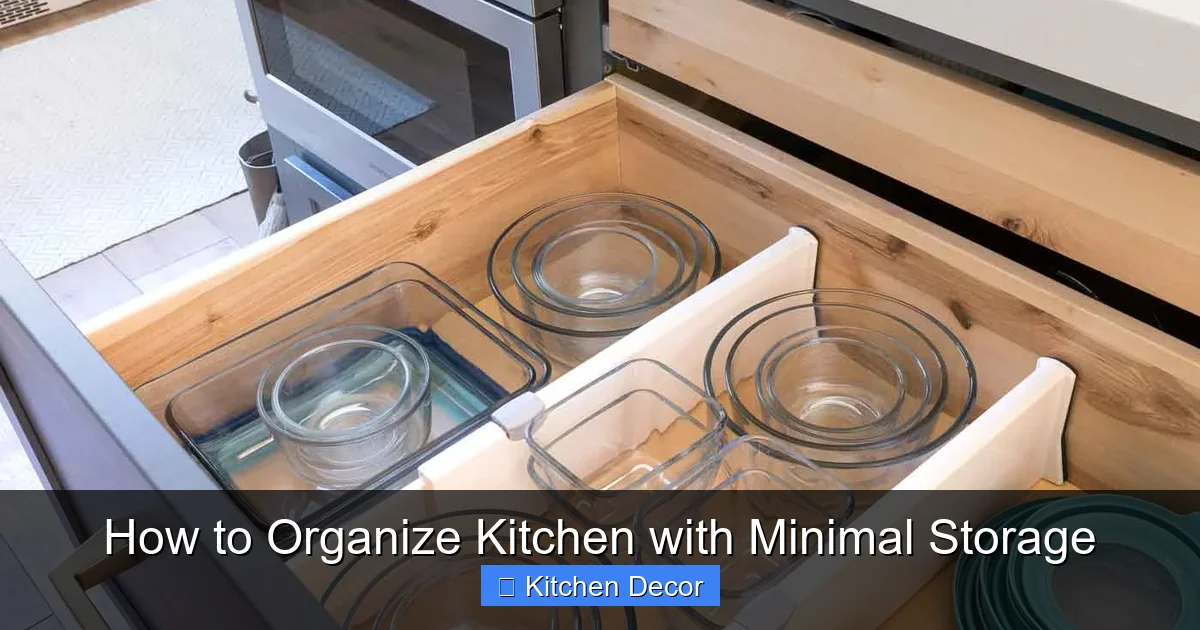
Visual guide about How to Organize Kitchen with Minimal Storage
Image source: drivenbydecor.com
Install Shelves and Floating Shelves
If your walls are bare, consider adding floating shelves. These are fantastic for displaying attractive items like cookbooks, frequently used spices, or even a few decorative pieces. They keep items off your precious countertops and add visual interest. Inside cabinets, you can add extra shelves if there’s vertical clearance that isn’t being used. Adjustable shelves are a lifesaver for customizing space.
Use Wall-Mounted Organizers
Walls are not just for shelves! Think outside the box:
- Magnetic Knife Strips: These are brilliant for freeing up drawer space and keeping knives safely and attractively displayed.
- Pegboards: A pegboard system can be customized with hooks, small shelves, and bins to hold utensils, pots, pans, and even small cooking tools. It’s incredibly versatile and adaptable.
- Pot Racks: If you have high ceilings, a hanging pot rack can be a stylish way to store pots and pans, freeing up significant cabinet space.
- Command Hooks: These removable hooks can be used on the inside of cabinet doors, walls, or even appliance sides for items like oven mitts, dish towels, or measuring spoons.
Stack Smartly (Shelf Risers, Stacking Containers)
Within your cabinets and pantry, vertical space often goes unused between shelves. Don’t just place items side-by-side; stack them! To do this effectively:
- Shelf Risers/Expanders: These simple wire or plastic shelves essentially create an extra “layer” within your existing cabinet shelves. They’re perfect for plates, bowls, mugs, or canned goods, allowing you to utilize the full height.
- Stackable Containers: Opt for square or rectangular containers that fit together snugly. These are ideal for dry goods like pasta, flour, sugar, or snacks. They prevent items from toppling and maximize every cubic inch.
- Pan Organizers: Upright pan organizers allow you to store cutting boards, baking sheets, and shallow pans vertically, saving a huge amount of horizontal space.
By effectively using vertical space, you create an illusion of more storage and make it easier to organize kitchen with minimal storage.
Step 3: Embrace Door Storage – The Hidden Gems
When you’re trying to organize kitchen with minimal storage, every flat surface is an opportunity. The backs of your cabinet and pantry doors are often overlooked, yet they offer prime real estate for small, frequently used items.
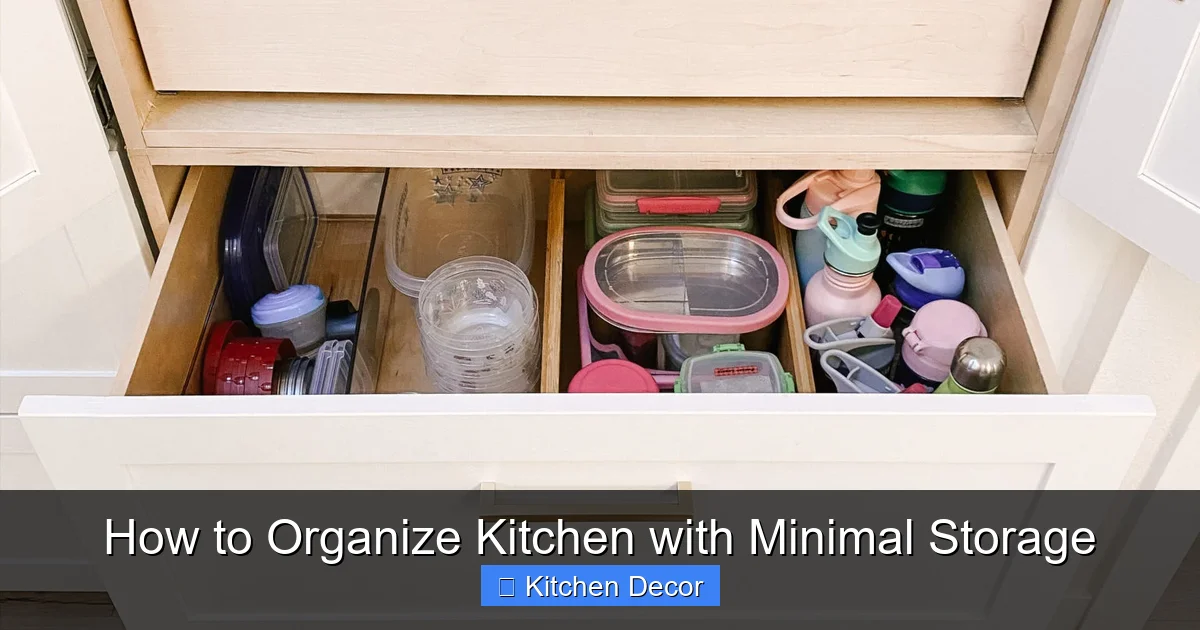
Visual guide about How to Organize Kitchen with Minimal Storage
Image source: modern-glam.com
Over-the-Door Organizers (Pantry, Cabinet Doors)
For pantry doors, a full-length over-the-door organizer with multiple baskets or shelves can be a game-changer. These are perfect for:
- Spices and seasoning packets.
- Foil, cling wrap, and parchment paper boxes.
- Snack bags or small dry goods.
- Cleaning supplies (if suitable for the kitchen).
Ensure the depth of the organizer allows the door to close fully without hitting shelves inside.
Inside Cabinet Door Storage (Hooks, Spice Racks)
Even standard cabinet doors can be utilized:
- Small Wire Racks: Attach these to the inside of cabinet doors to hold smaller spice jars, jar lids, or even cleaning sponges.
- Command Hooks: As mentioned before, these are versatile. Hang measuring spoons and cups, pot holders, or lightweight utensils directly on the inside of cabinet doors.
- Magazine Holders: Surprisingly, these can be mounted horizontally or vertically to store cutting boards or aluminum foil boxes.
Utilizing door space is a smart, often inexpensive way to add significant storage when you aim to organize kitchen with minimal storage.
Step 4: Utilize Every Inch of Drawer and Cabinet Space
Once you’ve decluttered and leveraged vertical and door space, it’s time to make the most of the internal organization of your drawers and cabinets. The goal here is efficiency and accessibility, preventing items from becoming lost in the back.
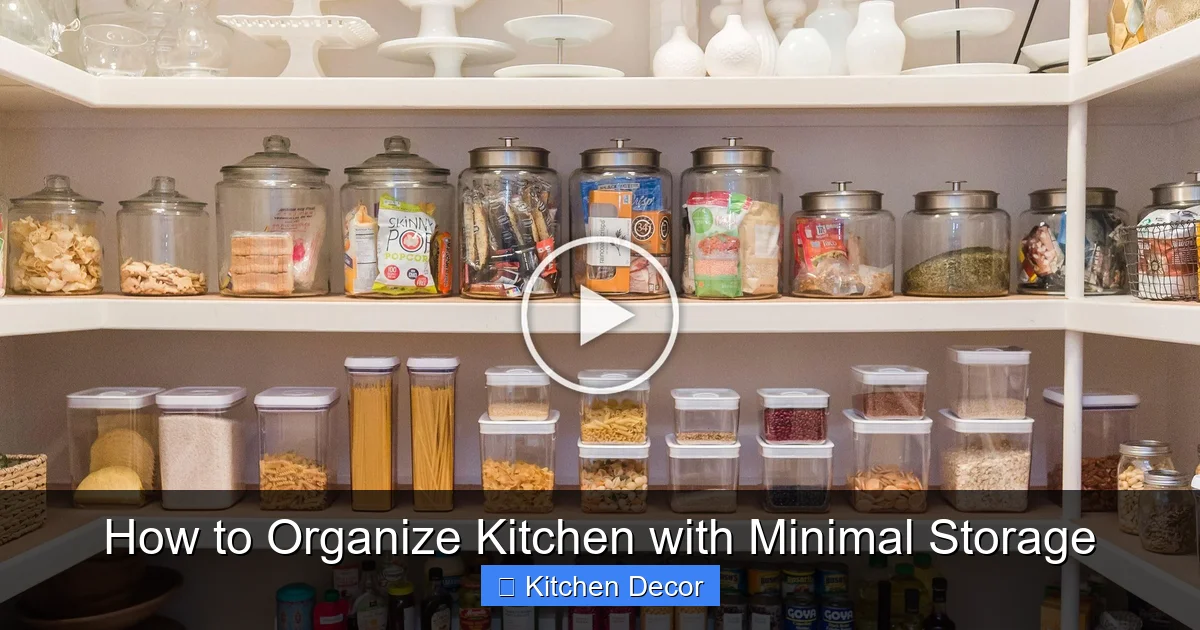
Visual guide about How to Organize Kitchen with Minimal Storage
Image source: i.pinimg.com
Drawer Dividers and Organizers
Messy drawers are a common pain point. Investing in good drawer dividers is essential:
- Adjustable Dividers: These allow you to customize sections for different sizes of utensils, making sure everything has its own designated spot.
- Bamboo or Plastic Trays: Use specific trays for flatware, cooking utensils, or even smaller items like bag clips and twist ties.
- Stackable Drawer Inserts: If your drawers are deep, stackable inserts can create two levels of storage, doubling the capacity for smaller items.
When every item has a home, putting things away becomes second nature, and finding them is effortless.
Lazy Susans and Pull-Outs
These tools are invaluable for making the inaccessible accessible, especially in deep or corner cabinets:
- Lazy Susans (Turntables): Perfect for corner cabinets or deep pantry shelves. Use them for oils, vinegars, spices, condiments, or even canned goods. A quick spin brings everything within reach, eliminating forgotten items at the back.
- Pull-Out Shelves/Baskets: If you can install them, pull-out shelves or baskets in lower cabinets bring the entire contents out to you. This is fantastic for heavy pots, pans, or larger dry goods. It saves your back and ensures no space is wasted in the dark corners.
Under-Sink Solutions
The space under the sink is often awkward due to plumbing pipes, but it’s still valuable. Look for:
- U-shaped Organizers: These are specifically designed to fit around pipes, maximizing the usable area.
- Small Bins/Totes: Use these to corral cleaning supplies, sponges, and dish soap.
- Tension Rods: A small tension rod can be placed across the cabinet opening to hang spray bottles, freeing up the bottom space.
Thoughtful organization of these internal spaces is critical to truly organize kitchen with minimal storage.
Step 5: Smart Countertop Strategies – Keep It Clear
Countertops are often the first casualty in a minimal storage kitchen. They quickly become cluttered, making prep work difficult and the kitchen feel cramped. The goal here is to keep them as clear as possible for functionality.
Keep Only Essentials on Counters
This is a strict rule for minimal storage kitchens. Only items you use daily (or multiple times a day) should live on your countertops. Examples include:
- Coffee maker/kettle
- Toaster (if used daily)
- A single utensil crock
- Salt and pepper shakers
Everything else, even if used frequently but not *daily*, should have a home in a cabinet or drawer.
Vertical Countertop Storage (Tiered Trays, Utensil Crocks)
If you must keep items on the counter, make them work vertically:
- Tiered Trays or Stands: These are great for fruits, vegetables, or even creating a “coffee station” with mugs and pods, using upward space rather than spreading out.
- Utensil Crocks: Instead of a flat tray, a tall crock holds cooking utensils upright, taking up a small footprint but storing many items.
- Small Appliance Garages: If you have an appliance you use often but don’t want visible, a pull-out shelf or a dedicated cabinet nook can act as an “appliance garage” – out of sight, but easy to access.
Mobile Storage (Rolling Carts)
A rolling cart is a minimal storage hero. It can serve multiple purposes:
- Extra Counter Space: Pull it out for food prep, then tuck it away when not needed.
- Appliance Storage: Store a microwave, stand mixer, or air fryer on the cart.
- Pantry Overflow: Use it for extra snacks, beverages, or spices.
The beauty of a rolling cart is its flexibility, allowing you to adapt your kitchen layout as needed. Utilizing these strategies will help you organize kitchen with minimal storage while maintaining a functional workspace.
Step 6: Think Beyond the Kitchen – Borrowing Space
Sometimes, even with the best organization, your kitchen simply can’t hold everything. This is when you need to get creative and think about “borrowing” storage space from adjacent areas.
Pantry Alternatives
If you don’t have a dedicated pantry, consider:
- A freestanding cabinet or bookshelf: A slim bookshelf in a dining area or hallway can become your “pantry” for dry goods, extra dishes, or even small appliances. Add baskets or decorative boxes to conceal items.
- Under-bed storage or closet space: For very seldom-used items like seasonal entertaining ware or bulk non-perishables, a labeled container in another room’s closet or under a bed can be a lifesaver.
- Utility closet: Cleaning supplies, extra paper towels, or infrequently used small kitchen appliances can often find a home in a nearby utility or linen closet.
Multi-purpose Furniture
When selecting furniture, think about its storage potential:
- Ottomans with Storage: If your dining area is part of your kitchen, an ottoman with internal storage can hold seldom-used kitchen linens or bulky serveware.
- Dining Benches with Lift-Up Seats: Similar to ottomans, these provide hidden storage under seating.
- Console Tables: A console table in a nearby entryway or living area can provide an extra surface and potentially a lower shelf for overflow kitchen items.
Expanding your storage horizons beyond the kitchen walls is a crucial step to effectively organize kitchen with minimal storage.
Step 7: Maintain and Adapt Your System
Creating an organized kitchen is an achievement, but maintaining it is an ongoing process. Clutter has a way of creeping back in, especially when you have minimal storage. Here’s how to keep your system working for you.
The “One-In, One-Out” Rule
This is a golden rule for preventing re-cluttering. For every new item you bring into your kitchen (a new mug, a new gadget, a new set of plates), an old, similar item must leave. This ensures your inventory remains consistent with your available storage space. It’s an easy way to continuously organize kitchen with minimal storage.
Regular Mini-Declutters
Don’t wait for your kitchen to become a disaster zone again. Schedule quick, routine declutters:
- Weekly: A 5-minute tidy-up where you put everything back in its place and wipe down surfaces.
- Monthly: A 15-minute check of your pantry for expired items and a quick scan of drawers for anything that has migrated out of place.
- Quarterly/Bi-Annually: A more thorough review of cabinets and drawers, revisiting the “Keep, Donate, Toss” system for items you haven’t used recently.
Adapting to Your Needs
Your kitchen is a living space, and your needs might change. Don’t be afraid to adjust your organization system. If a certain solution isn’t working, or if your cooking habits evolve, re-evaluate and re-organize. The best system is one that truly works for *you* and your lifestyle.
Troubleshooting: Common Minimal Storage Challenges
“I still have too much stuff!”
If, after a ruthless declutter, you still feel overwhelmed, you might need another round. Ask yourself tougher questions:
- Do I use this item at least once a month (or seasonally)?
- Can I borrow this item from a friend or neighbor when needed?
- Is there a more compact, multi-purpose alternative?
- Does this item bring me joy or truly serve a necessary function?
Sometimes, the problem isn’t storage; it’s simply having more than you truly need for your space. Be honest and brave in your choices.
“It looks cluttered even when organized.”
Visual clutter can be as stressful as actual clutter. To combat this:
- Uniform Containers: Use matching containers for dry goods, spices, and cleaning supplies. Clear containers are great because you can see what’s inside, but opaque ones can hide less attractive items.
- Label Everything: Labels create visual order and make it easy to find items, reducing the need to rummage.
- Clear Countertops: As emphasized before, the less on your counters, the cleaner and more spacious your kitchen will feel.
- Color Palette: Stick to a cohesive color palette for your kitchen accessories and organizers to create a harmonious look.
“My small appliances take up too much space.”
Small appliances are notorious space hogs. Here’s how to manage them when you organize kitchen with minimal storage:
- Prioritize: Keep only the appliances you truly use regularly. If your waffle maker comes out once a year, store it elsewhere or consider donating it.
- Vertical Storage: Store appliances vertically when possible. A stand mixer might fit better on a sturdy rolling cart than a counter.
- Multi-purpose Appliances: Consider appliances that do double duty, like an Instant Pot that pressure cooks, slow cooks, and sautés.
- Dedicated Spots: Assign each appliance a specific home, whether it’s a deep cabinet, a rolling cart, or a high shelf.
Conclusion
Organizing a kitchen with minimal storage is undoubtedly a challenge, but it’s one that is entirely conquerable with the right mindset and strategies. By approaching your kitchen with a systematic plan – starting with ruthless decluttering, maximizing every vertical and hidden space, and implementing smart organizational tools – you can transform a chaotic kitchen into a calm, efficient, and enjoyable space.
Remember, the goal isn’t just to make your kitchen look tidy; it’s about creating a functional environment that supports your daily life and reduces stress. Embrace the journey, be patient with the process, and celebrate each small victory. With these practical tips and a little perseverance, you’ll be well on your way to an organized kitchen that feels much larger than it actually is, proving that you truly can organize kitchen with minimal storage effectively and beautifully. Happy organizing!