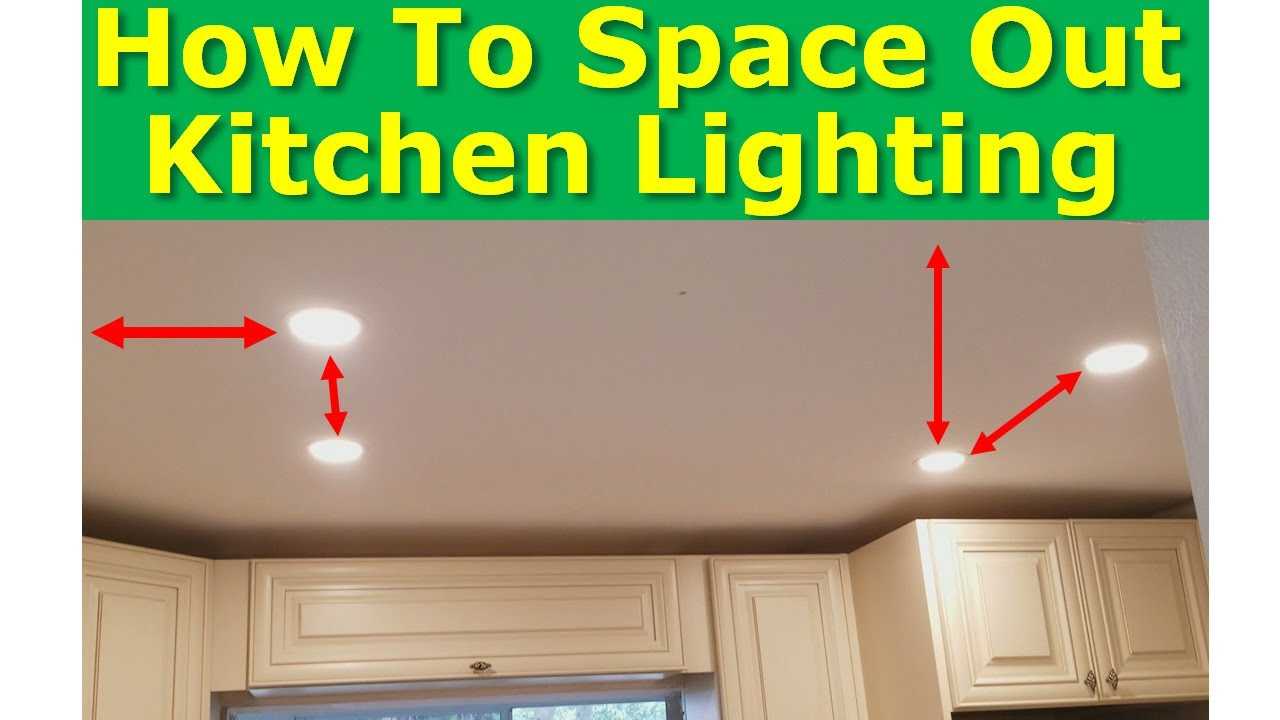
To illuminate a galley kitchen effectively, position ceiling lights along the length of the space to ensure even coverage and reduce shadows. Use a combination of recessed lighting and pendant fixtures to highlight work areas without cluttering the ceiling. Opt for adjustable or layered lighting to create a bright, functional, and inviting environment.
Positioning ceiling lights in a galley kitchen involves placing fixtures along the length of the ceiling, focusing on task zones like countertops and cooking areas. Incorporate layered lighting such as recessed lights and pendant lamps for a balanced, practical setup that enhances both functionality and ambiance.
A galley kitchen’s narrow layout demands smart lighting to make the space feel open and functional. The key is to strategically place ceiling lights along the corridor to evenly distribute light and avoid shadows, especially over work surfaces. Combining different types of fixtures, like recessed lights for overall brightness and accent lights for specific zones, can transform a tight kitchen into a welcoming, efficient space. Proper positioning not only boosts visibility but also adds style, making your kitchen a more enjoyable place to cook and gather.

How to position ceiling lights in a galley kitchen
Understanding the Layout of a Galley Kitchen
A galley kitchen is characterized by two parallel walls with a walkway in between. Its narrow shape makes lighting especially important to avoid dark spots. Proper positioning of ceiling lights can improve visibility and make the space feel more open and inviting.
Assessing Your Space Before Lighting
Before choosing fixtures, measure the length and width of your kitchen. Note areas where tasks like cooking and prep work happen most frequently. This helps determine the amount of lighting needed and the best spots for placement.
Choosing the Right Ceiling Light Type
The most common ceiling lights for galley kitchens are recessed lights, flush mounts, and track lighting. Each has advantages:
- Recessed Lights: unobtrusive and provide even lighting.
- Flush Mounts: suitable for low ceilings, offering bright, general light.
- Track Lighting: flexible, allowing you to direct light exactly where needed.
Planning the Placement of Ceiling Lights
A well-thought-out plan maximizes light coverage. Start by dividing your space into sections based on work zones like the stove, sink, and prep area. Light each zone adequately to avoid shadows that make tasks harder.
Optimal Spacing for Even Illumination
evenly spaced lights ensure no dark corners. For recessed fixtures, follow this guide:
- Spacing fixtures approximately 3 to 4 feet apart
- Positioning lights about 2 to 3 feet away from walls
This creates uniform illumination across the entire kitchen.
Strategic Placement for Task and Ambient Lighting
Combining task and ambient lighting improves functionality. Use brighter task lights directly over work surfaces and softer ambient fixtures for general lighting. This layering adds depth and enhances usability.
Positioning Lights Over Key Work Areas
Over the stove, sink, and countertops, lights should be centered to prevent shadows and give clear visibility. Consider mounting fixtures closer to these zones to ensure bright, direct light.
Implementing Dimmer Controls
Adding dimmer switches allows you to adjust lighting based on needs and mood. Dimming lights over dining or relaxing areas reduces harsh brightness while maintaining overall illumination.
Lighting Techniques for Narrow Spaces
In a galley kitchen, narrowness can cause lighting challenges. Use vertical accent lighting or strip fixtures along the ceiling perimeter to create the illusion of a larger space. Proper placement of fixtures minimizes shadowing and brightens corners effectively.
Choosing the Right Fixtures for Height and Ceiling Type
Ceiling height influences fixture choice. For standard or low ceilings, flush mounts or recessed lights work best. For higher ceilings, consider pendant lights or adjustable track fixtures for better coverage and style.
Considering Lighting Color and Brightness
Select bulbs with neutral or cool white color temperatures (around 3000K to 4000K). These colors mimic daylight and improve visibility for cooking tasks. Brightness should be sufficient but not glaring; aim for 300 to 600 lumens per fixture depending on location.
Using Reflective Surfaces to Maximize Light
Light-colored walls, cabinets, and ceilings reflect light, amplifying brightness. Incorporate reflective surfaces strategically to distribute light evenly and reduce the number of fixtures needed.
Safety and Practical Tips for Installing Ceiling Lights
Ensure fixtures are installed securely following electrical codes. Use heat-resistant bulbs and fixtures suitable for kitchens. Avoid placing fixtures directly above sinks unless they are rated for damp or wet locations.
Designing for Future Flexibility
Plan for adjustable fixtures or add-ons like smart lighting controls. This allows you to change lighting intensity or color in the future without major renovations, keeping your kitchen adaptable.
Maintaining Your Kitchen Lighting System
Regularly clean fixtures and replace bulbs when needed. Check wiring and connections annually to ensure safety and optimal performance. Well-maintained lighting prolongs fixture life and keeps your kitchen well-lit.
Summary
Effective ceiling lighting in a galley kitchen involves understanding the space layout, selecting suitable fixtures, and planning their placement thoughtfully. Emphasizing even coverage, task lighting, and flexibility ensures the kitchen is bright, functional, and aesthetically pleasing. Properly positioned lights will make every culinary activity easier and make your narrow space feel larger and more welcoming.
Kitchen Light Spacing Best Practices, How to Properly Space Ceiling Lights
Frequently Asked Questions
What is the best placement for ceiling lights in a galley kitchen to ensure even illumination?
Position ceiling lights along the length of the kitchen to provide consistent lighting throughout the space. Installing fixtures directly above work areas like countertops and the sink ensures these zones are well-lit, reducing shadows and improving visibility. Using multiple light sources along the corridor helps achieve uniform illumination and minimizes dark spots in tight, narrow kitchens.
How can I optimize lighting to make my galley kitchen appear more spacious?
Use recessed or flush-mounted ceiling lights to keep the ceiling uncluttered, which visually expands the space. Position lights towards the center of the kitchen with additional task lighting near work zones. Incorporate light fixtures that emit bright, white light to create a feeling of openness and prevent the kitchen from feeling cramped.
Should I prioritize general lighting or task lighting when arranging ceiling lights in a galley kitchen?
Both types of lighting play important roles. Prioritize general lighting to illuminate the entire space evenly, ensuring safety and functionality. Complement this with focused task lighting directly over countertops, stove, and sink to improve visibility during food preparation. Combining these approaches ensures a balanced, functional setup tailored to your cooking needs.
Where should I avoid placing ceiling lights to maximize efficiency in a galley kitchen?
Avoid positioning ceiling fixtures directly over the narrow walkway to prevent glare and shadowing in key work areas. Also, steer clear of placing fixtures where they could cause direct reflections into your eyes or cast unhelpful shadows on work surfaces. Keep lights aligned with work zones instead of the center of the space to enhance both safety and convenience.
What type of ceiling lighting fixtures work best in a small galley kitchen?
Opt for fixtures like recessed LED lights or slim-profile flush mounts that blend seamlessly into the ceiling. These fixtures provide bright, energy-efficient illumination without overwhelming the limited space. Adjustable or directional lights can also help focus light precisely where you need it during different tasks.
Final Thoughts
Positioning ceiling lights in a galley kitchen requires strategic placement to ensure even illumination. Place lights along the length of the ceiling, focusing on work zones like the countertops and stove. Use adjustable fixtures to direct light precisely where needed. This approach enhances visibility and makes cooking more comfortable.
In summary, how to position ceiling lights in a galley kitchen influences both functionality and ambiance. Proper placement ensures each corner is well-lit, creating a practical and inviting space. Keep these tips in mind to achieve optimal lighting every time.