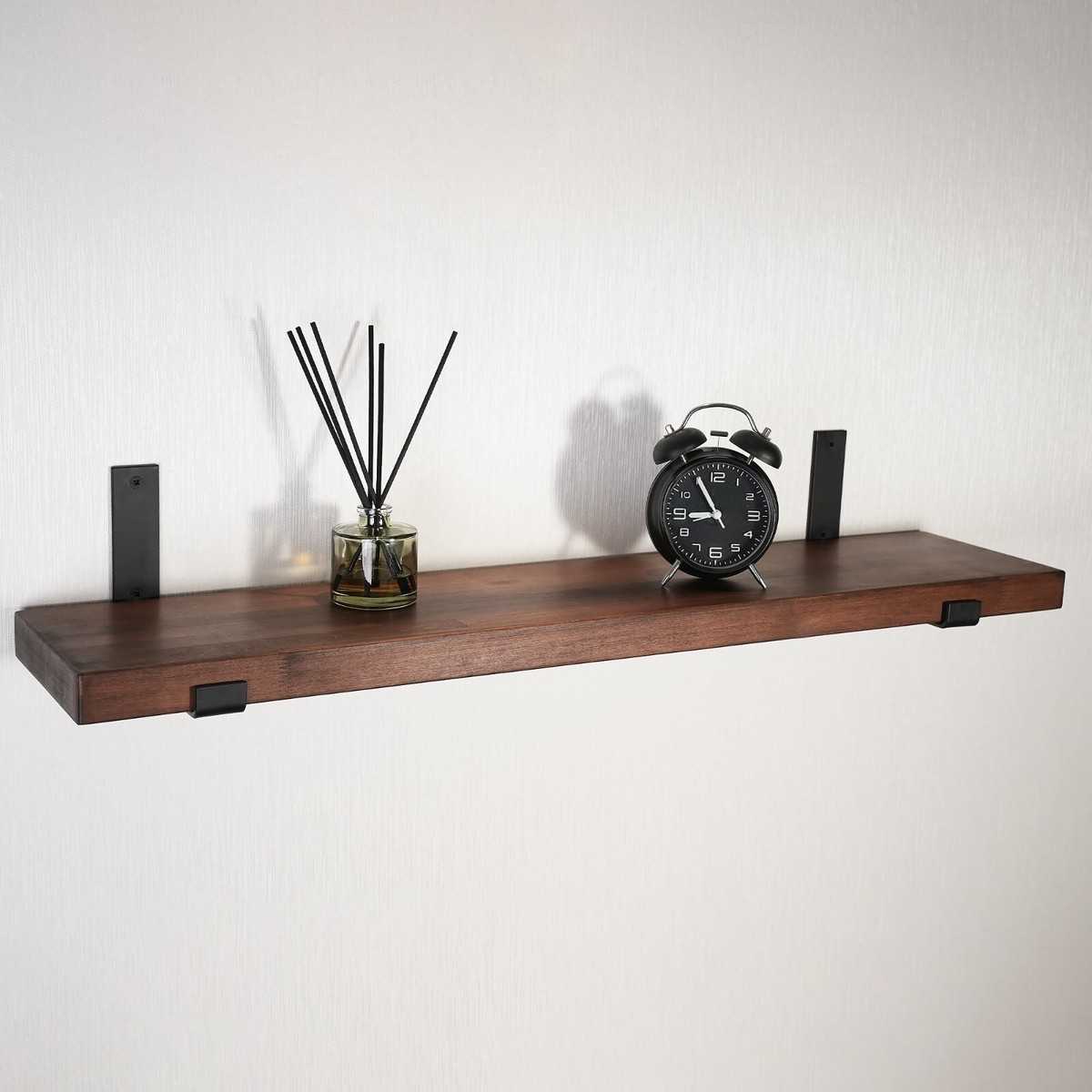
To maximize space and add a stylish touch, floating shelves are a perfect solution for extra storage. They’re easy to install, versatile, and can transform any room into a clutter-free zone. You can use them in the kitchen for spices and utensils, in the living room for books and décor, or in the bathroom for toiletries. Just choose the right size and sturdy brackets, then decide on the best spot to maximize function and space.
Floating shelves are an innovative way to create additional storage without sacrificing style. They are simple to install, adaptable to any room, and help keep your space organized. With a little planning, you can effectively utilize vertical space and display your favorite items all while maintaining a modern, clean look.
Using floating shelves for extra storage is an excellent way to declutter and optimize your space. To do so, select the right type of shelves for your needs, ensure proper installation with sturdy brackets and anchors, and plan the arrangement to suit your room’s layout. This approach not only provides functional storage but also adds a sleek, contemporary aesthetic to your home.

How to use floating shelves for extra storage
Understanding Floating Shelves and Their Benefits
Floating shelves are a popular choice for adding extra storage without cluttering a room. They are designed to be mounted directly onto the wall, creating a sleek and modern look. These shelves are versatile, fitting into various spaces like living rooms, bedrooms, kitchens, and bathrooms.
One major advantage of floating shelves is their ability to maximize space in small areas. They do not take up floor or countertop space, making rooms feel open and less crowded. Additionally, floating shelves are customizable, allowing you to choose sizes, shapes, and finishes that match your decor.
Choosing the Right Floating Shelves for Your Space
Before installing floating shelves, consider the room’s style and your storage needs. Select shelves made from durable materials such as wood, metal, or glass, depending on what you plan to store. For heavy items, opt for sturdy, reinforced shelves that can hold significant weight.
Measure the wall space available to ensure the shelves fit well without overcrowding. Think about the height and depth of each shelf; deeper shelves offer more storage but may look bulky if not proportioned properly.
Selecting Material and Finish
- Wood: Classic and warm, suitable for living rooms and bedrooms.
- Metal: Modern and durable, perfect for kitchens and bathrooms.
- Glass: Elegant and minimalist but best for lightweight items.
For finishes, wood can be painted, stained, or left natural. Metal shelves come powder-coated in various colors, and glass shelves are usually clear or tinted.
Planning Your Floating Shelf Layout
Creating an organized and visually appealing layout requires some planning. Think about what you want to display or store on each shelf. Group similar items together for a tidy look.
Arrange the shelves at different heights to add visual interest and make use of vertical space effectively. Use a level and measuring tape for precise placement, ensuring the shelves are straight and evenly spaced.
Using a Grid Pattern
A grid arrangement of floating shelves creates a structured appearance. Space the shelves equally or vary the distances for a more dynamic setup. This pattern works well in kitchens for spices and utensils or in bedrooms for books and decor.
Installation Tips for Secure and Beautiful Floating Shelves
Proper installation is key to safety and aesthetics. Use a stud finder to locate wall studs, especially when mounting heavy shelves. Secure brackets or mounting hardware into these studs for maximum stability.
Follow the manufacturer’s instructions carefully, and use appropriate tools such as drills, levelers, and measuring tapes. Make sure each shelf is perfectly level before tightening all screws.
Hidden Mounting Hardware
For a truly floating look, consider installing shelves with hidden mounting brackets. These systems conceal wall brackets behind the shelf, giving a sleek, seamless appearance.
Creative Ways to Use Floating Shelves for Storage
Floating shelves can do much more than hold books or decor. They can be repurposed for various storage solutions across your home.
Living Room
Use floating shelves to display family photos, plants, or collectibles. Install a few at different heights to create a gallery wall effect. Combine open shelves with closed cabinets for a balanced look.
Kitchen
Store spices, jars, and utensils on floating shelves above countertops. Use small baskets or containers for organized storage of small items. Install a long shelf near the stove for frequently used cooking essentials.
Bedroom
Place floating shelves above the bed or beside the closet for additional space for books, accessories, or decorative items. Use baskets on shelves to keep smaller items tidy.
Bathroom
Floating shelves are perfect for towels, toiletries, and decorative bathroom accessories. Choose moisture-resistant materials to withstand humidity and water splashes.
Decorative & Functional Combinations
Combine decorative items with practical storage to make your floating shelves look attractive and serve a purpose. Use stylish baskets, boxes, or trays to hold small items, keeping everything organized.
Intermix open shelves with decorative objects like vases, artwork, or small plants. This approach adds personality to your space while keeping it functional.
Maintaining and Upgrading Your Floating Shelves
Keeping your floating shelves in good shape involves regular cleaning and inspection. Wipe them down with a soft cloth to remove dust and fingerprints.
If you notice any loose mounting or wobbling, tighten the screws or check the wall anchors. Over time, consider updating the shelves with new decor or adjusting their placement for a fresh look.
When To Replace or Reconfigure
As your storage needs change, reconfigure your floating shelves by moving or adding new ones. Replace shelves if they become damaged or no longer fit your style.
Adding new shelves can also help expand your storage options, especially in growing spaces like children’s rooms or hobby areas.
Safety Tips for Using Floating Shelves
Ensure all shelves are securely mounted to prevent accidents. Avoid overloading shelves beyond their weight capacity. Use appropriate anchors for drywall or hollow walls.
Keep heavier items on lower shelves to prevent tipping and ensure safety. Regularly inspect the mounting hardware for signs of wear.
Floating shelves are a simple yet effective way to add extra storage to any room without sacrificing style. With careful planning, correct installation, and creative organization, they can help you keep your space tidy and attractive. Experiment with different layouts and items to make the most of this versatile storage solution.
Floating shelves: full mounting process #DIY #woodworking
Frequently Asked Questions
How can I organize small items effectively on floating shelves?
Use baskets or decorative boxes to group small items like keys, remote controls, or stationery. This keeps the shelves tidy and prevents clutter from accumulating. Arrange these containers neatly to make items easy to find and access quickly.
What is the best way to prevent floating shelves from becoming overloaded?
Determine the weight capacity of your shelves before placing items on them. Distribute weight evenly across the surface and avoid placing heavy objects directly at the edges. Regularly check the brackets and wall anchors to ensure they remain secure over time.
How can I optimize the placement of floating shelves in a room?
Position shelves at eye level or above eye level for maximum visibility and accessibility. Consider grouping shelves in asymmetrical arrangements to create visual interest while maintaining functional storage space. Leave enough space between shelves to avoid overcrowding and make it easier to organize items.
What types of items work best for display on floating shelves meant for storage?
Choose items that are lightweight and visually appealing, such as books, decorative boxes, plants, or art pieces. Avoid overcrowding the shelves with bulky or excessively heavy objects, which can compromise stability and aesthetics.
How can I ensure my floating shelves remain stable when storing heavier items?
Use wall anchors and brackets rated for the specific weight you plan to store. Install the shelves into wall studs whenever possible for added strength. Secure all mounting hardware tightly and periodically check for signs of looseness or damage.
Final Thoughts
Using floating shelves for extra storage offers a practical and stylish solution. Choose sturdy shelves that match your space and organize items neatly to maximize efficiency. Install them at varying heights to create visual interest and easy access. With thoughtful placement, floating shelves become functional additions that keep your space tidy and attractive.