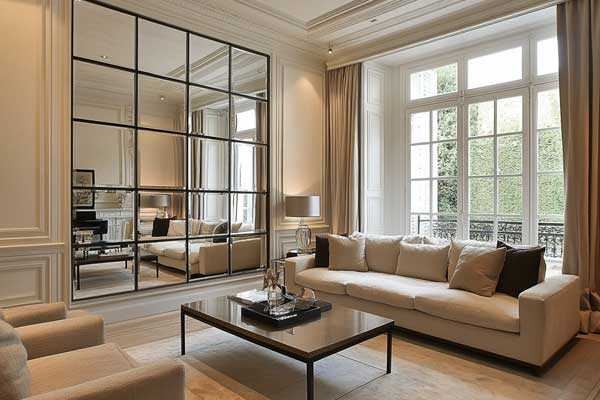
Quick answer: Position large mirrors opposite windows to reflect natural light and create a sense of spaciousness; use multiple smaller mirrors strategically around the room to break up flat walls and add visual depth; choose mirrors with elegant frames or shapes that complement your decor for a layered, inviting look.
Mirrors are a fantastic tool for transforming a bedroom into a more open and inviting space. By thoughtfully placing mirrors, you can make your room feel larger, brighter, and more dynamic. The trick is to reflect light and create illusions of depth, making even a small bedroom feel airy and expansive. Whether you opt for a large statement mirror or a collection of smaller pieces, the right placement can dramatically change the way your space feels. Don’t underestimate the power of mirror shape, frame style, and placement—they all work together to add personality and dimension to your bedroom, turning it into a more relaxing and visually interesting retreat.

How to Use Mirrors to Add Depth in a Bedroom
Understanding How Mirrors Impact Room Space
Mirrors are a powerful tool to create the illusion of more space in a bedroom. They reflect light and expand visual boundaries, making a small room feel larger. Proper placement of mirrors can also add a sense of openness and airiness to your space.
Choosing the Right Mirror Shapes and Sizes
Selecting the appropriate mirror shape and size is essential for maximizing depth. Large, full-length mirrors are excellent for creating the impression of height. For smaller rooms, rectangular or oval mirrors work well by adding softness and elegance, while oversized mirrors can be a statement piece.
Placement Strategies for Mirrors
The placement of mirrors is key to enhancing depth. Position mirrors opposite windows to reflect natural light and views, brightening the room. Additionally, placing a mirror near or across from a door can visually extend the space beyond its physical boundaries.
Using Mirrors to Reflect Light
Mirrors bounce light around the bedroom, making it look brighter and more spacious. To optimize this effect, place a mirror where it can catch sunlight during the day. Consider adding a large mirror across from a window to amplify natural illumination.
Maximizing Visual Depth with Strategic Placement
Place mirrors at angles that reflect key parts of your room. For example, positioning a mirror above a dresser or bed reflects the room’s depth and creates layers of visual interest. This also prevents the space from feeling cramped.
Incorporating Mirrors with Bedroom Decor
Harmonize your mirrors with existing decor for a cohesive look. Choose frames that complement your furniture style, whether modern, rustic, or vintage. Frameless mirrors can offer a sleek, minimalist appeal, while ornate frames add character.
Using Full-Length Mirrors for a Sense of Height
Full-length mirrors give the illusion of tall ceilings and larger floorspace. Place them vertically against walls near entryways or closets. They are also functional for dressing and add an element of elegance to the room.
Decorative Mirror Arrangements
Create visual interest by grouping smaller mirrors in different shapes and sizes. This layout can add a dynamic feel while enhancing depth. Use mirror clusters on a single wall as an artistic feature.
Creative Ideas to Enhance Depth with Mirrors
Experiment with unconventional mirror placements for a unique touch. Mount a mirror on a sliding door or integrate mirrors into furniture pieces like headboards or wardrobes. These ideas cleverly utilize space and reflect the room’s elements.
Using Mirror Walls
A mirror wall instantly enlarges a bedroom’s appearance. Cover an entire wall with mirrors to reflect every corner and light source. This approach works particularly well in small bedrooms or those with limited windows.
Incorporating Mirrors in Bedroom Accessories
Mirrored nightstands, picture frames, and decorative panels can subtly add depth. These accessories reflect light without overwhelming the space, maintaining a balanced and inviting atmosphere.
Managing Clutter and Reflection for Effectiveness
Clear, unobstructed mirrors enhance depth; cluttered or dirty mirrors can detract from this effect. Keep mirrors clean and free of objects that block reflection. Properly maintained mirrors maximize their visual impact.
Choosing Mirrors with Minimal Frames
Minimalist frames or frameless designs prevent visual clutter. These styles blend seamlessly into the decor while effectively expanding the room visually.
Balancing Mirrors with Other Design Elements
Combine mirrors with light-colored walls, soft textiles, and reflective surfaces like glass or metallic accents. This creates a cohesive aesthetic that amplifies the sense of space.
Summary of Key Tips for Using Mirrors to Add Depth
- Opt for large or full-length mirrors to create height and openness
- Place mirrors opposite windows to reflect natural light
- Use mirrors strategically to reflect focal points and add layers
- Incorporate decorative mirrors that complement your style
- Keep mirrors clean and unobstructed for maximum effect
- Experiment with unconventional placements for a unique look
Additional Tips for a Cohesive Look
Combine mirrors with light-colored walls and minimal decor to enhance the feeling of space. Use mirrored furniture or accessories sparingly to maintain balance. Remember, the goal is to create a room that feels open without feeling cluttered.
Related Topics for Further Inspiration
- How to choose the perfect bedroom lighting to complement mirrors
- Decor ideas to match your mirror style and enhance space
- Tips for organizing a small bedroom with mirrors
- Creative ways to use mirrored furniture in your bedroom
By thoughtfully selecting, positioning, and maintaining mirrors, you can significantly increase the perception of depth in your bedroom. These simple yet effective techniques help create a space that feels larger, brighter, and more inviting.
Can you light a whole room with mirrors?
Frequently Asked Questions
What type of mirrors work best for creating a sense of space in a bedroom?
Large, wall-mounted mirrors are most effective for adding depth to a bedroom. They reflect more light and give the illusion of a bigger area. Consider using frameless or minimal-framed mirrors to keep the focus on the reflection and avoid clutter. Placing mirrors at strategic angles can also enhance the perception of space.
How can mirror placement influence the perceived size of a room?
Positioning mirrors opposite windows or light sources reflects natural light, brightening the room and making it feel more open. Placing a mirror behind furniture helps extend the visual space beyond the actual walls. Regularly shifting mirror positions can optimize the sense of depth in different areas of your bedroom.
Are there specific mirror styles that complement bedroom decor while adding depth?
Yes, full-length mirrors or oversized decorative mirrors can blend seamlessly with various decor styles while providing a sense of depth. Decorative frames, such as ornate or minimalist designs, add aesthetic appeal without overwhelming the space. Choosing mirrors that match your room’s color scheme and style helps maintain harmony while expanding the room’s visual dimensions.
Can the use of mirrored furniture impact room depth effectively?
Mirrored furniture, like bedside tables or dressers with reflective surfaces, can significantly enhance the perception of space. These pieces bounce light around the room and create visual continuity, making the space appear larger. Ensure these furniture items balance well with other decor elements for a cohesive look.
How does lighting interact with mirror placement to maximize depth?
Strategic lighting, such as wall-mounted lamps or ambient fixtures, combined with mirror placement, amplifies natural and artificial light. Well-placed mirrors reflect light to brighten darker corners and increase the perception of room size. Regularly adjusting light sources can optimize this effect and make your bedroom feel more expansive.
Final Thoughts
How to use mirrors to add depth in a bedroom enhances the space visually. Place large mirrors opposite windows to reflect natural light and create a sense of openness. Use multiple smaller mirrors to add layers and interest without overwhelming the room.
Positioning mirrors strategically boosts the perception of space and brightness. Experiment with different angles to maximize their depth-enhancing effect. A well-placed mirror can make your bedroom feel larger and more inviting.