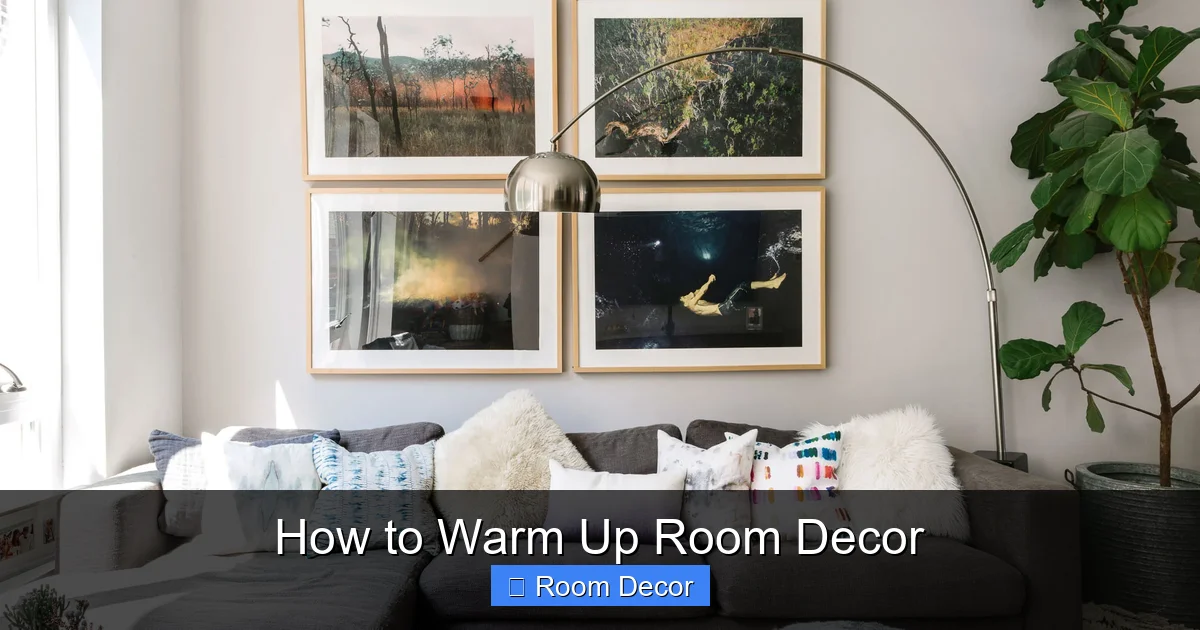
Transform your living space from cold to cozy with this comprehensive guide on how to warm up room decor. We’ll explore how to leverage colors, textures, lighting, and personal touches to create an inviting and comfortable atmosphere. From selecting the right paint to adding plush throws, this guide offers practical, actionable advice to make any room feel like home.
Key Takeaways
- Embrace Warm Color Palettes: Utilize earthy tones, rich jewel tones, and creamy neutrals to instantly infuse warmth and coziness into your decor.
- Layer with Texture: Introduce a variety of textures through fabrics like velvet, chunky knits, faux fur, and natural materials to add depth and tactile appeal.
- Master the Art of Lighting: Layer your lighting with dimmers, accent lamps, and warm-toned bulbs to create a soft, inviting ambiance.
- Incorporate Natural Elements: Bring the outdoors in with plants, wood accents, and natural fiber rugs to foster a sense of calm and organic warmth.
- Personalize Your Space: Display cherished photos, artwork, and meaningful objects to add character and emotional warmth to your room.
- Don’t Forget the Details: Small touches like candles, decorative pillows, and soft throws can make a significant difference in the overall warmth of a room.
How to Warm Up Room Decor
Does your living room feel a little too sterile? Is your bedroom more of a stark sanctuary than a cozy retreat? Don’t worry! Warming up your room decor is all about creating a feeling of comfort, invitation, and personality. It’s about transforming a space from merely functional to a place where you truly want to linger, relax, and feel at ease.
This guide is your roadmap to achieving that sought-after cozy ambiance. We’ll dive deep into the elements that contribute to a warm and inviting atmosphere, offering practical, easy-to-implement strategies. You’ll learn how to use color, texture, lighting, and personal touches to make any room feel like a welcoming embrace. Get ready to say goodbye to cold, impersonal spaces and hello to your new favorite cozy corner.
1. The Power of Color: Painting Your Way to Warmth
Color is one of the most powerful tools in your decorating arsenal. It has the ability to evoke emotions and set the mood for an entire room. To warm up your decor, we’ll focus on colors that are inherently warm and comforting.
Choosing Warm Hues
Think about colors that remind you of sunshine, fire, and nature. These are your go-to shades for creating warmth.
- Earthy Tones: These are your browns, beiges, creams, and terracotta shades. They mimic the natural world and instantly bring a grounding, cozy feeling. A warm beige can be a sophisticated neutral, while a deep terracotta can add a vibrant, earthy energy.
- Rich Jewel Tones: Think deep emerald greens, sapphire blues, amethyst purples, and ruby reds. These colors are luxurious and enveloping, creating a sense of intimacy and comfort. They work particularly well in accent pieces or for a bold statement wall.
- Sunny Yellows and Golds: Even a touch of soft, buttery yellow can brighten a room and bring a cheerful warmth. Deeper golds can add a touch of opulence and warmth, especially when used in metallics or fabric patterns.
- Muted Oranges and Peaches: These are wonderfully welcoming colors. A soft peach can feel gentle and inviting, while a muted rust or burnt orange can create a rich, cozy atmosphere.
When to Use Which Colors
* For Large Spaces: If you have a large, airy room that feels a bit echoey, consider painting the walls in a warm neutral like a creamy beige or a soft greige (a mix of grey and beige). This will make the space feel more intimate.
* For Smaller Rooms: For smaller rooms, you might think lighter colors are best. However, a deep, warm color on all the walls can actually make a small room feel cozier and more enclosed, in a good way. Think a rich charcoal with warm undertones or a deep forest green.
* Accent Walls: If you’re hesitant to commit to a full room of a bold warm color, an accent wall is a fantastic option. Paint one wall a rich terracotta or a deep mustard yellow to add a pop of warmth without overwhelming the space.
Paint Finishes Matter Too!
While color is key, the sheen of your paint also plays a role. Matte or eggshell finishes tend to absorb light and create a softer, warmer look compared to high-gloss finishes, which can feel a bit stark and reflective.
2. The Tactile Appeal: Layering with Texture
Texture is about how something feels to the touch, and it’s crucial for adding depth, visual interest, and, of course, warmth to your decor. A room that is visually appealing but lacks tactile comfort can feel unfinished.
Introducing a Variety of Materials
The goal here is to create a rich tapestry of textures. Mix and match different materials to create a multi-sensory experience.
- Soft and Plush Fabrics: Think velvet, chenille, boucle, faux fur, and chunky knits. These materials are incredibly inviting and instantly make a space feel more comfortable. Consider velvet throw pillows, a chenille blanket draped over the sofa, or a faux fur rug.
- Natural Fibers: Jute, rattan, wicker, linen, and cotton bring an organic warmth. A jute rug under a coffee table, rattan baskets for storage, or linen curtains can add a beautiful, earthy texture.
- Wood Accents: Whether it’s a chunky wooden coffee table, a beautifully grained sideboard, or simple wooden picture frames, wood brings a natural, warm element. The grain and finish of the wood will greatly impact the warmth it adds.
- Metals with Warm Tones: While cool metals like chrome can feel modern and sleek, warm metals like brass, copper, and antique gold can add a sophisticated touch of warmth. Think brass lamps, copper accent bowls, or antique gold picture frames.
Where to Incorporate Texture
* Upholstery: Choose sofas and armchairs in fabrics with inviting textures. Even if your main piece is leather, you can add warmth with textured throw pillows and blankets.
* Rugs: A plush rug underfoot is a game-changer for warmth and comfort. Consider a shag rug for ultimate softness, or a textured wool rug for a more refined feel.
* Window Treatments: Heavy, textured curtains (like velvet or thick linen) can block drafts and add a cozy layer. Even lighter linen curtains can add a soft, natural texture.
* Decorative Accessories: This is where you can really have fun! Think woven baskets, ceramic vases with interesting glazes, wooden bowls, and textured picture frames.
The Art of Layering
Layering is key to maximizing texture. Don’t be afraid to pile on the pillows and throws! Start with your base furniture, then add rugs, curtains, and finally, smaller decorative items. Each layer adds to the overall sensory experience.
3. Lighting the Way: Creating Ambiance with Light
Harsh overhead lighting can kill the cozy vibe instantly. Thoughtful lighting is essential for creating a warm and inviting atmosphere. It’s about controlling the light, not just having it.
Types of Lighting for Warmth
* Ambient Lighting: This is your general, overall lighting. Instead of relying solely on a bright overhead fixture, use multiple sources. Consider a dimmer switch on your main light so you can adjust the brightness.
* Task Lighting: This is lighting for specific activities, like reading or working. Think floor lamps next to a reading chair or desk lamps. Choose lamps with warm-toned shades that diffuse the light softly.
* Accent Lighting: This is used to highlight specific features, like artwork or architectural details. Sconces or picture lights can add a sophisticated glow.
Choosing the Right Light Bulbs
This is a crucial step often overlooked.
- Color Temperature: Look for bulbs with a color temperature measured in Kelvin (K). For a warm and cozy feel, aim for bulbs between 2700K and 3000K. Anything above 4000K starts to feel cool and sterile.
- Brightness (Lumens): You don’t want overly bright bulbs, especially for ambient and accent lighting. Lower lumen counts will provide a softer glow.
- Dimmable Bulbs: Investing in dimmable bulbs and fixtures gives you the most control over the mood of your room.
The Power of Lamps
Lamps are your best friends when it comes to warming up a room. A well-placed table lamp or floor lamp can cast a soft, inviting glow that makes a huge difference.
- Placement: Place lamps at different heights around the room. A tall floor lamp in a corner, a table lamp on an end table, and perhaps a smaller lamp on a console table can create a beautiful, layered light effect.
- Lampshades: The material and color of your lampshade play a big role. Opaque or fabric shades in warm tones will diffuse light softly, while clear or colored glass shades can add a decorative touch.
Candles for Instant Warmth
Nothing says cozy quite like the flicker of candlelight. Use real candles (safely!) or opt for LED flicker candles for a similar effect. Place them on mantels, coffee tables, or side tables to add a gentle, natural warmth.
4. Bringing Nature Indoors: Organic Elements
Integrating elements from nature can instantly make a space feel more grounded, calming, and warm. It connects us to the outdoors and adds a sense of life and serenity.
Plants, Glorious Plants!
Greenery is a fantastic way to add life and a touch of natural warmth.
- Variety is Key: Mix different sizes and types of plants. A large potted plant in a corner can make a statement, while smaller succulents or trailing plants on shelves add pops of green.
- Potting: The pots you choose also contribute to the aesthetic. Terracotta pots, woven baskets, or ceramic planters in warm tones enhance the natural feel.
Wood: The Ultimate Warmth Provider
We’ve touched on wood with texture, but it deserves its own mention.
- Furniture: A solid wood coffee table, dining table, or bookshelf instantly adds warmth and character. The grain and type of wood will influence the feel – think rich walnut or warm oak.
- Decorative Objects: Wooden bowls, carved figures, or even simple driftwood pieces can add subtle but impactful natural warmth.
Natural Fiber Rugs
As mentioned in the texture section, rugs made from jute, sisal, or seagrass offer a beautiful, organic texture and a neutral, warm base for your room.
Stone and Other Natural Materials
Consider accents like marble coasters, slate placemats, or even a simple stone sculpture to bring a grounded, natural element into your decor.
5. Personalization is Key: Adding Your Story
A truly warm room is one that reflects the people who live there. Personal touches are what make a house feel like a home, adding emotional warmth and character.
Photos and Artwork
Displaying cherished memories and art you love is paramount.
- Photo Displays: Instead of a single, sterile gallery wall, mix framed photos with other objects. Use a variety of frame styles and sizes. Consider a digital photo frame for rotating displays.
- Artwork: Choose art that speaks to you. Warm-toned paintings, landscape photography, or even vibrant abstract pieces can contribute to the room’s atmosphere. Don’t be afraid to display pieces you’ve created yourself or that have sentimental value.
Collectibles and Souvenirs
Do you have a collection of vintage teacups, interesting seashells from your travels, or unique souvenirs? Display them proudly! These items tell your story and add personality.
Meaningful Objects
It could be an inherited piece of furniture, a handmade quilt, or even a favorite book. These objects hold memories and add an intangible warmth.
Books, Books, Books!
Bookshelves filled with books not only add visual interest but also a sense of warmth and intellect. Arrange them artfully, perhaps with some decorative objects interspersed.
6. The Finishing Touches: Small Details, Big Impact
Sometimes, it’s the small details that tie everything together and provide that final layer of warmth and coziness.
Decorative Pillows and Throws
These are your best friends for adding instant comfort.
- Mix and Match: Don’t be afraid to combine different textures, colors, and patterns for your throw pillows. A chunky knit pillow next to a velvet one can be incredibly inviting.
- Layering Throws: Drape a soft, cozy throw blanket over the arm of your sofa or the foot of your bed. This invites lounging and adds a tactile element.
Candles and Diffusers
We mentioned candles for light, but their scent also plays a role. Opt for warm, inviting scents like vanilla, cinnamon, sandalwood, or amber. Scented diffusers are a great alternative for continuous fragrance.
Rugs, Rugs, Rugs!
Layering rugs can add significant warmth. Place a smaller, plush rug over a larger, neutral rug (like a jute rug) to create a cozy focal point.
Curtains and Drapes
As mentioned earlier, the right window treatments can frame your windows and add a significant layer of softness and warmth. Opt for heavier fabrics or warmer colors.
Troubleshooting: When Your Room Still Feels Cold
* **Too much white or grey?** Even if you love neutrals, ensure they have warm undertones. A cool grey can feel icy. Try adding warmer accents in pillows, throws, or art.
* **Harsh overhead lighting?** Switch out bulbs for warmer tones, or better yet, rely on lamps for ambient light. Install dimmer switches.
* **Lack of texture?** Introduce more fabrics! Add a textured rug, some plush pillows, and a cozy throw.
* **Too much “stuff” but no personality?** Declutter and curate. Display items that have meaning. A few well-chosen personal items are more impactful than a lot of generic decor.
* **Cold floors?** Area rugs are your solution. Layering them can be even more effective.
Conclusion
Warming up your room decor is an achievable and rewarding process. It’s about creating a space that feels like a hug, a sanctuary, and a true reflection of you. By thoughtfully incorporating warm colors, layering textures, mastering your lighting, bringing in natural elements, and adding those all-important personal touches, you can transform any room into a cozy haven. Remember, it’s the combination of these elements that creates a harmonious and inviting atmosphere. So go ahead, experiment, have fun, and create a space where you can truly relax and feel at home.