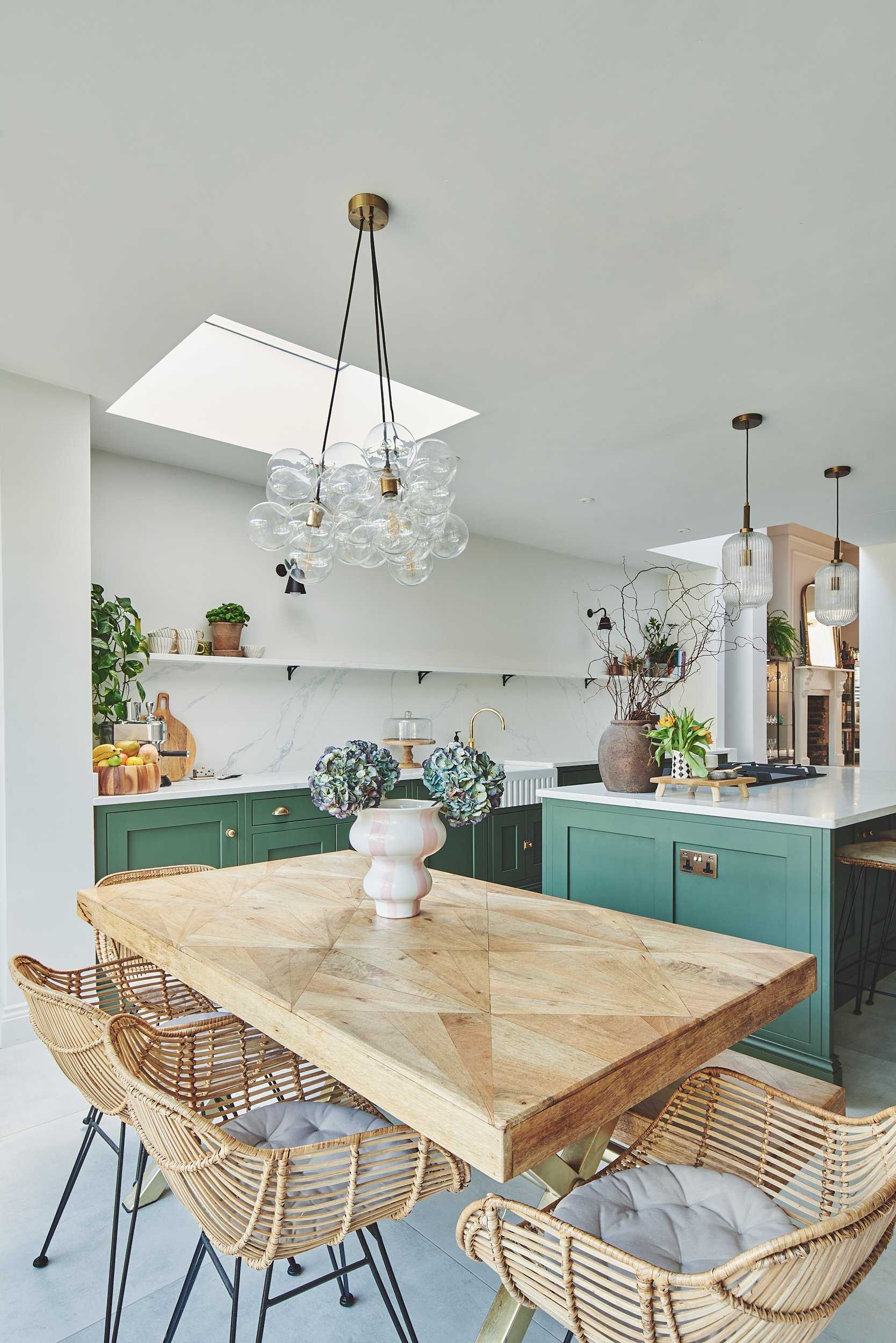
A well-lit kitchen and dining space can transform your daily routine into a seamless experience, making cooking and dining more enjoyable. The key is to combine functional task lighting with warm ambient illumination to create a balanced environment. For an ideal setup, incorporate layered lighting—bright overhead lights for cooking tasks, focused pendant lights over the dining table, and softer accent lighting to add cozy ambiance. This approach not only enhances practicality but also boosts the overall aesthetic of your space. Whether you have a small or large combined area, smart placement and adjustable fixtures can help you achieve the perfect atmosphere for every occasion. With the right lighting design, your kitchen and dining area will become a welcoming, efficient, and stylish hub of your home.

Ideal Lighting Setup for a Combined Kitchen and Dining Area
Understanding the Importance of Proper Lighting
Proper lighting plays a vital role in making your kitchen and dining space both functional and inviting. It helps you see clearly while preparing food and creates a cozy atmosphere for meals. Good lighting also highlights the beauty of your decor and makes the room feel more spacious.
Key Factors to Consider Before Choosing Your Lighting
Before selecting lights, think about the room’s size, layout, and existing natural light. Consider the activities performed in each zone, such as cooking or eating. Your goals should be to maximize visibility while maintaining a warm, welcoming ambiance.
Types of Lighting for a Combined Kitchen and Dining Area
Effective lighting includes three main types: ambient, task, and accent lighting. Each serves a specific purpose and contributes to the overall comfort and style of your space. Combining these types creates a balanced, well-lit environment.
Ambient Lighting: Setting the Overall Mood
Ambient lighting provides the general illumination for the entire room. It helps you move around safely and comfortably. Common sources include ceiling-mounted fixtures, recessed lights, or large pendant lights that spread light evenly.
Task Lighting: Brightening Specific Work Areas
Task lighting ensures you can see clearly when preparing meals or eating. Use under-cabinet lights, pendant lamps over the countertop, or adjustable track lighting. Bright, direct light reduces shadows and improves visibility.
Accent Lighting: Highlighting Features and Creating Atmosphere
Accent lighting adds depth and character to your space. It highlights artwork, open shelving, or architectural details. Use small spotlights or decorative fixtures to draw attention to these features.
Optimal Placement of Lights for Functionality and Style
Positioning your lights correctly enhances both function and visual appeal. For example, hang pendant lights directly above the dining table for focused illumination. Under cabinets should be installed to cast light onto the countertops.
Lighting Over the Kitchen Work Zones
Install task lights directly above countertops, sinks, and cooking areas. Recessed lights work well for overall illumination, while under-cabinet lighting offers targeted brightness. This combination reduces shadows and makes cooking safer and easier.
Lighting for Dining Areas
Place pendant lights or chandeliers centered over the dining table. Adjust the height for comfort and ambiance—about 30 to 36 inches above the table is ideal. Use dimmable fixtures to set the perfect mood during meals.
Choosing the Right Light Fixtures and Bulbs
Select fixtures that complement your decor style—modern, rustic, or traditional. Use energy-efficient LED bulbs with appropriate color temperatures for different zones.
Color Temperature and Brightness
For kitchens, a bright white light around 4000K to 5000K enhances visibility. Dining areas benefit from warmer tones, 2700K to 3000K, creating a cozy atmosphere. Aim for a brightness of 300 to 400 lumens per fixture in task areas.
Fixture Styles and Materials
Pendant lights, chandeliers, flush mounts, or recessed lighting are popular options. Choose durable materials like glass, metal, or high-quality plastics for longevity and style.
Energy Efficiency and Safety Tips
Switch to LED bulbs to save energy and reduce heat output. Use dimmers to adjust lighting levels and save power. Always install fixtures securely and consider child safety, especially around open flames or sharp edges.
Design Tips for a Cohesive Look
Maintain consistency with fixture styles and finishes to create harmony. Use a mixture of lighting types to add layers and depth. Incorporate dimmable fixtures to adapt lighting to different times and activities.
Innovative Ideas for a Bright, Functional Space
Consider smart lighting systems that can be controlled via smartphone or voice commands. Add stylish pendant fixtures with unique designs for visual interest. Incorporate natural light during the day with large windows or skylights, complemented by your artificial lighting plan.
Maintaining and Updating Your Lighting
Regularly clean fixtures and replace bulbs as needed. As your needs change, upgrade to newer, more efficient technology. Keep your lighting design flexible to accommodate future style updates or functional changes.
By carefully planning your lighting setup with a focus on functionality, style, and efficiency, you can create a combined kitchen and dining area that is both practical and inviting. Good lighting enhances your space’s usability and mood, making every meal and gathering pleasant and effortless.
Frequently Asked Questions
How should lighting be layered to create a functional and cozy atmosphere in a combined kitchen and dining area?
Use multiple lighting layers to balance functionality and ambiance. Install bright, focused task lighting above work areas like countertops, stove, and sink to facilitate cooking. Incorporate softer, diffused ambient lighting such as ceiling fixtures or recessed lights to provide overall illumination. Add accent lighting, like pendant lights or under-cabinet LEDs, to highlight specific features and create a warm atmosphere. Combining these layers ensures the space is practical for tasks while remaining inviting for dining and relaxation.
What types of fixtures work best for providing ample lighting without causing glare in a shared kitchen and dining space?
Choose fixtures with diffusers or shades that soften the light and reduce glare. Pendant lights with opaque or frosted glass work well over dining tables, providing focused light without harshness. Recessed or track lighting with adjustable heads help direct light precisely where needed, minimizing direct glare. Incorporate dimmable switches to control brightness levels, allowing you to adapt lighting based on activity and time of day for comfort and practicality.
How can natural light influence the lighting scheme in a combined kitchen and dining area?
Maximize natural light by positioning windows and skylights to flood the space during the day. Use light-colored window treatments that filter sunlight without blocking it entirely. Incorporate reflective surfaces, like glossy cabinets or light-colored walls, to bounce daylight around the room. During evening hours or on cloudy days, supplement with layered artificial lighting that mimics natural light, maintaining a bright and welcoming environment suitable for both cooking and dining.
What considerations should guide the placement of lighting fixtures in a combined kitchen and dining area?
Place task lighting directly above work zones such as countertops, islands, and sinks to ensure sufficient illumination for cooking tasks. Hang pendant lights or chandeliers over the dining table to create focal points and facilitate conversation. Keep fixtures at appropriate heights to avoid obstructing views or causing glare. Ensure that lighting fixtures complement the room’s layout and do not interfere with movement, making the space comfortable and visually balanced.
How can adjustable lighting enhance the versatility of a kitchen and dining area?
Incorporate dimmable switches and adjustable fixtures to tailor lighting levels for different activities, from detailed cooking tasks to relaxed dinners. Use layered lighting with fixtures that can be individually controlled, allowing you to create various atmospheres as needed. This flexibility helps you adapt the space for entertaining, everyday use, or cleaning, improving both functionality and comfort in the combined area.
Final Thoughts
An ideal lighting setup for a combined kitchen and dining area balances functionality and ambiance. Use layered lighting with bright task lights for cooking and softer ambient lights for dining. Incorporate adjustable fixtures to customize brightness based on activity. Proper placement reduces shadows and creates a welcoming atmosphere. Opt for dimmable lights to easily adapt the mood. Ultimately, a well-designed lighting plan enhances both the practicality and comfort of your space.