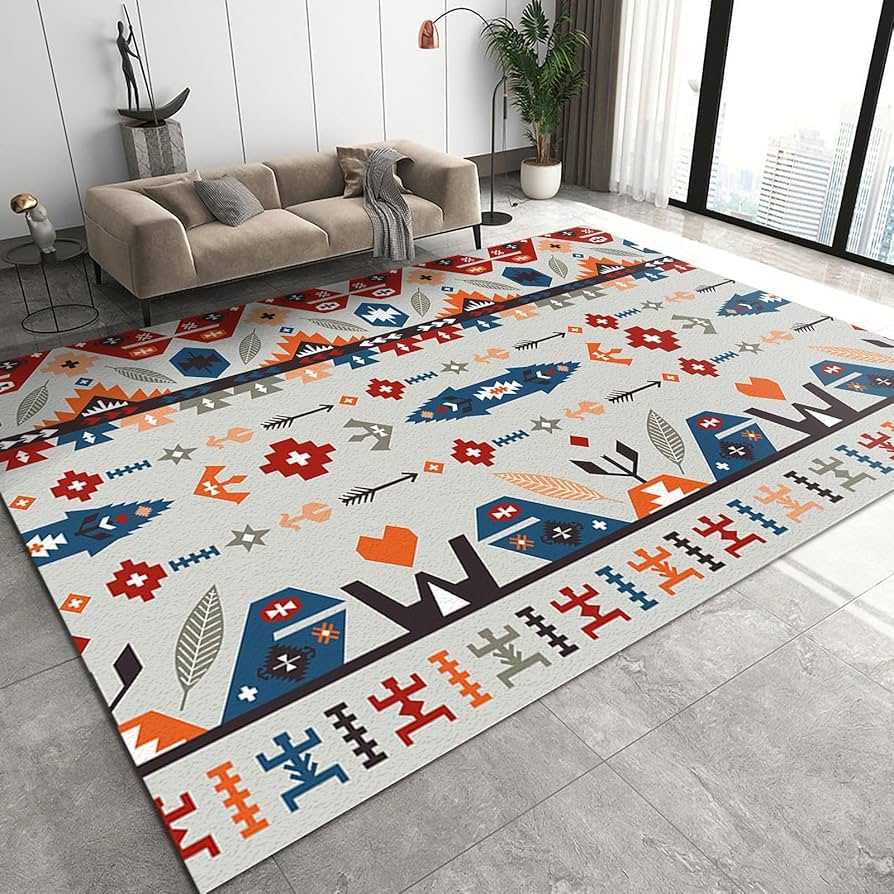
Incorporating ethnic and tribal patterns into your decor is a fantastic way to add warmth and character to your space. These designs not only celebrate cultural heritage but also create a unique atmosphere that reflects your personal style. You don’t have to overhaul your entire home; even small touches can make a big difference! Consider accent pillows, throws, or artwork that showcase vibrant prints. You can mix and match these patterns with neutral tones to create balance and harmony. Embrace a few statement pieces, like a rug or tapestry, to anchor the room. By thoughtfully integrating these elements, you can create a rich, inviting environment that tells a story and connects you to diverse cultures.

Incorporating Ethnic and Tribal Patterns into Your Decor
Ethnic and tribal patterns can add a unique flair to your home decor. They tell stories, represent cultures, and bring an authentic feel to any space. By effectively incorporating these designs, you can create an atmosphere that is both welcoming and visually captivating.
Understanding Ethnic and Tribal Patterns
Ethnic patterns stem from diverse cultures around the world. They often include traditional designs, symbols, and colors that reflect a community’s history and identity. Tribal patterns, meanwhile, tend to emphasize geometric shapes and natural motifs. Each pattern comes with a narrative that enhances the beauty of your decor.
The Significance of Patterns
Patterns hold different meanings across cultures. For instance, some designs signify protection, while others represent fertility or prosperity. Incorporating these patterns into your decor allows you to infuse your space with meaning. It can also serve as a conversation starter for guests.
Choosing the Right Patterns
When selecting ethnic and tribal patterns, think about the overall mood you want to create. Here are a few considerations:
- Color Palette: Select colors that complement existing decor.
- Style: Some patterns are bold, while others are subtle. Choose based on your personal taste.
- Cultural Relevance: Understand the origins of the patterns to ensure respectful use.
Where to Incorporate Ethnic and Tribal Patterns
There are countless areas in your home where you can infuse ethnic and tribal patterns. Here are some popular spots:
Living Room
In the living room, ethnic cushions or patterned rugs can create a vibrant focal point. Consider a large textile wall hanging that adds texture and warmth to your space.
Bedroom
Incorporate tribal patterns into your bedding or curtains. A geometric patterned throw on your bed can enhance the room’s style and make it feel cozy.
Kitchen
For the kitchen, ethnic patterned dishware can add a colorful touch. Consider using patterned textiles for your tablecloth or napkins during meals.
Bathroom
In the bathroom, ethnic accessories like patterned towels or shower curtains can create a spa-like vibe. Mix and match patterns for a fun, eclectic look.
Combining Patterns
Mixing ethnic and tribal patterns can produce exciting results. However, it’s essential to maintain a balance. Here’s how to do it effectively:
Use a Common Color
Choose patterns that share a common color to create harmony. This will ensure that the different designs complement each other rather than clash.
Vary the Scale
Mix large patterns with smaller ones. For example, you might pair a large tribal print with a smaller floral design in a similar color scheme.
Limit the Number of Patterns
Avoid overcrowding your space with too many patterns. Stick to three or four patterns for a cohesive look.
DIY Projects Using Ethnic and Tribal Patterns
Creating decor items with ethnic patterns can be a fun and rewarding DIY project. Here are some ideas:
Pillows
Decorate plain pillows with tribal fabric. Simply sew the fabric over existing pillows or use fabric glue for a no-sew option.
Art Pieces
Create wall art using stencils and paints. Choose tribal motifs and patterns to bring your vision to life.
Furniture Makeover
Revamp old furniture by reupholstering with ethnic patterned fabric. This can breathe new life into dull pieces.
Shopping for Ethnic and Tribal Patterns
When shopping for ethnic and tribal decor, consider the following:
- Local Markets: Explore local art and craft markets for unique finds.
- Online Stores: Websites specializing in global crafts often carry a wide range of products.
- Fair Trade Organizations: Purchase from fair trade shops that support artisans worldwide.
Maintaining Authenticity
While incorporating ethnic patterns, it’s vital to respect the cultures they represent. Learn about the origins and meanings of the patterns to ensure authenticity. This not only enhances your decor but also honors the culture behind it.
Educate Yourself
Read about the symbolic meanings of different designs. Knowing the stories makes your decor even more meaningful.
Use Culturally-Sourced Items
Where possible, buy items directly from artisans or through organizations that support them. This helps sustain cultural heritage.
Creating a Cohesive Look
To achieve a well-coordinated decor with ethnic and tribal patterns, follow these tips:
Balanced Textures
Combine various textures, such as smooth ceramics with soft fabrics. Balance is key to making patterns stand out without overwhelming the eye.
Strategic Placement
Place patterned elements strategically around the room. This prevents any single area from becoming too busy.
Layering Patterns
Use layering to add depth. For instance, place a patterned throw over a solid-colored sofa to create warmth and interest.
Seasonal Decor with Ethnic Patterns
Bring seasonal changes to your home using ethnic and tribal patterns. This adds freshness to your decor with minimal effort. Here’s how:
Spring and Summer
Opt for lighter fabrics and bright colors. Use woven baskets with tribal prints to store summer essentials.
Fall and Winter
Incorporate warmer tones and heavier fabrics. Consider ethnic-patterned throws and pillows for a cozy feel.
Understanding Cultural Appropriation
It’s essential to approach the use of ethnic and tribal patterns thoughtfully. Cultural appropriation occurs when elements of one culture are used by another, often without understanding their significance. To avoid this, take the time to:
- Research: Learn about the culture associated with the patterns you wish to use.
- Support Artists: Whenever possible, purchase items from the culture being represented.
- Promote Respect: Share information about the patterns and their meanings with others.
Incorporating ethnic and tribal patterns into your decor invites history and culture into your home. Whether through textiles, art, or furniture, these designs can transform your space into something truly unique. Always remember to respect the origins of the patterns you choose and enjoy the beautiful tapestry they create in your living environment.
Elegant Living Room & Entryway Reset
Frequently Asked Questions
“`html
How can I incorporate ethnic patterns without overwhelming my space?
To incorporate ethnic patterns without overwhelming your decor, use them as accents rather than main themes. Choose a few statement pieces such as cushions, rugs, or artwork that feature ethnic designs, and pair them with neutral-colored furniture and walls. This approach creates a balanced and harmonious look while allowing the patterns to shine.
What are some popular ethnic patterns to consider when decorating?
Some popular ethnic patterns include Moroccan tiles, tribal prints from African cultures, geometric patterns from Middle Eastern designs, and intricate Indian motifs. Each of these patterns can add a unique touch and a sense of cultural richness to your decor. Mix and match different patterns as long as there is a cohesive color palette.
Can I mix different ethnic patterns in my decor?
Yes, mixing different ethnic patterns can create an eclectic and vibrant look. To achieve this successfully, maintain a consistent color scheme and vary the scale of the patterns. Use larger patterns on larger furniture or walls and smaller patterns on accessories like throws or pillows. This method keeps the overall aesthetic organized and visually appealing.
What materials work best with ethnic patterns?
Fabrics such as cotton, linen, and wool work well with ethnic patterns, as they allow the designs to stand out while providing comfort and durability. You can also consider using natural materials like jute or rattan for a more organic feel. Pairing these materials with ethnic patterns can enhance the overall texture and warmth of your decor.
How do I select a color scheme when using ethnic patterns?
Selecting a color scheme involves choosing colors that complement the ethnic patterns you want to use. Begin by identifying the dominant colors in the patterns and build your palette around them. You can opt for earth tones for a more subdued look or vibrant hues for a lively atmosphere. Ensure that the colors harmonize with each other and the overall decor to create a cohesive environment.
“`
Final Thoughts
Incorporating ethnic and tribal patterns into your decor adds a vibrant touch that reflects cultural depth and history. These patterns bring distinctive aesthetics and create a sense of warmth and individuality in your space.
By mixing and matching these designs with contemporary elements, you can achieve a balanced and inviting atmosphere. Ultimately, incorporating ethnic and tribal patterns into your decor enriches your living environment and showcases your unique style.