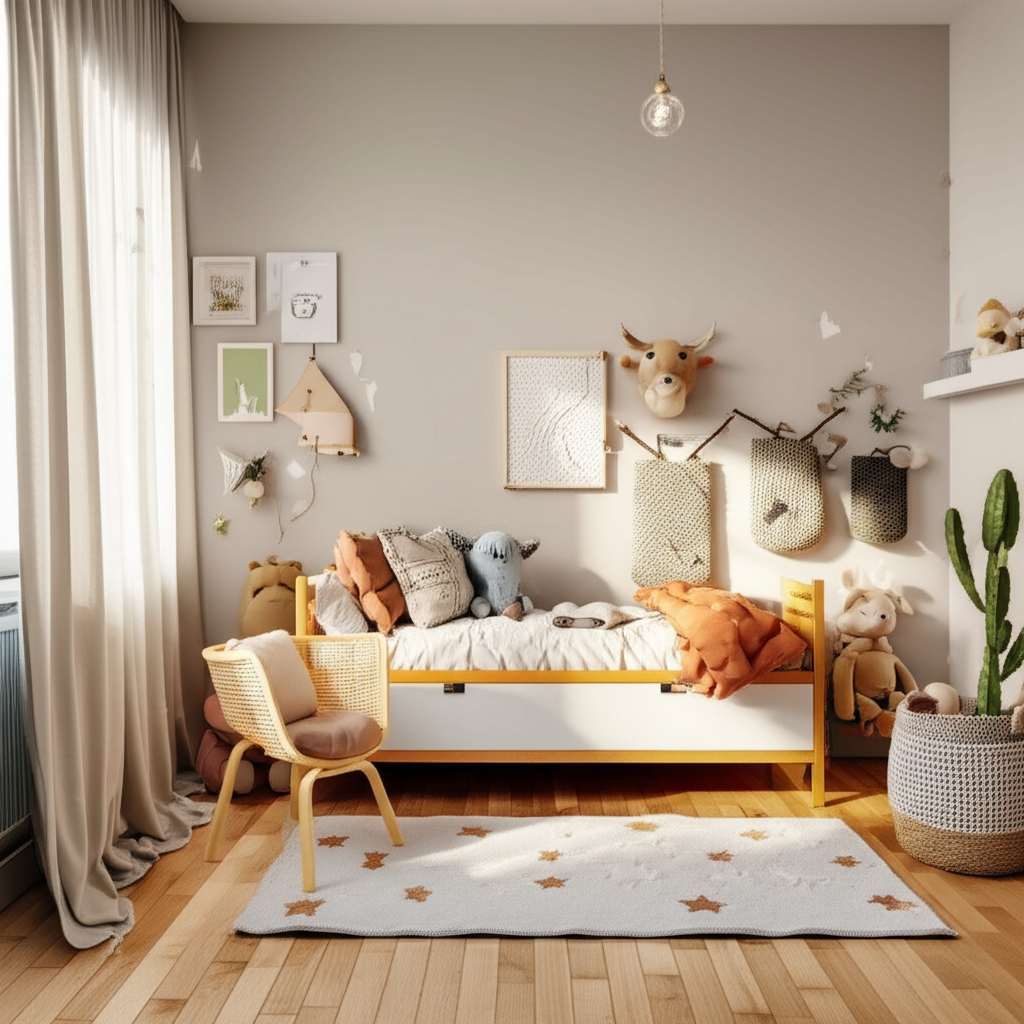
Create amazing kids’ bedroom spaces with these easy design ideas. We’ll show you how to blend fun, function, and affordability to craft a room your child will love, no matter the size or your budget.
Creating a special room for your child can feel like a big project. You want it to be fun and reflect their personality, but also practical for sleep, play, and homework. It’s easy to get lost in all the choices and wonder where to start.
But don’t worry! Designing a fantastic kids’ bedroom doesn’t have to be complicated or expensive. We’re here to guide you through simple steps and creative ideas.
Get ready to discover how to transform your child’s room into an amazing space they’ll adore. Let’s dive into making their room a place for dreams and adventures!

Designing a Kids Bedroom: Your Fun & Functional Guide
Turning a plain room into a vibrant, personalized haven for your child is one of the most rewarding decorating projects. It’s about more than just furniture; it’s about creating a space where they can grow, play, learn, and dream. Whether you have a tiny nook or a spacious room, there are countless ways to make it special.
We’ll explore easy ways to bring personality, comfort, and smart storage solutions into your child’s bedroom. We’ll focus on ideas that are budget-friendly and simple to implement, even if you’ve never decorated before.
1. Start with a Theme (Or Just a Feeling!)
A theme can be a wonderful starting point, giving you a clear direction for colors, decor, and even furniture. But don’t feel pressured to pick a specific character or cartoon! Sometimes, a feeling or a general idea is even better.
Think about your child’s interests. Do they love space? Animals? The ocean? Or perhaps they enjoy bright, bold colors, or maybe a calm, natural feel?

For the Adventurous Spirit: Think mountains, forests, maps, or even a pirate ship theme.
For the Dreamer: Consider stars, clouds, rainbows, or a fairy tale castle.
For the Little Scientist: Planets, dinosaurs, magnifying glasses, or a science lab vibe.
For the Creative Soul: Art supplies, a colorful palette, or a gallery wall.
Even if a full theme feels too much, you can choose a color scheme that inspires a mood. A room painted in calming blues and greens can feel peaceful, while vibrant yellows and oranges can create an energetic and cheerful atmosphere.
2. Color Power: Painting Your Way to Personality
Paint is one of the most affordable and impactful ways to change a room. It sets the mood and can make a small room feel bigger or a large room feel cozier.
When choosing colors, consider the age and personality of your child.
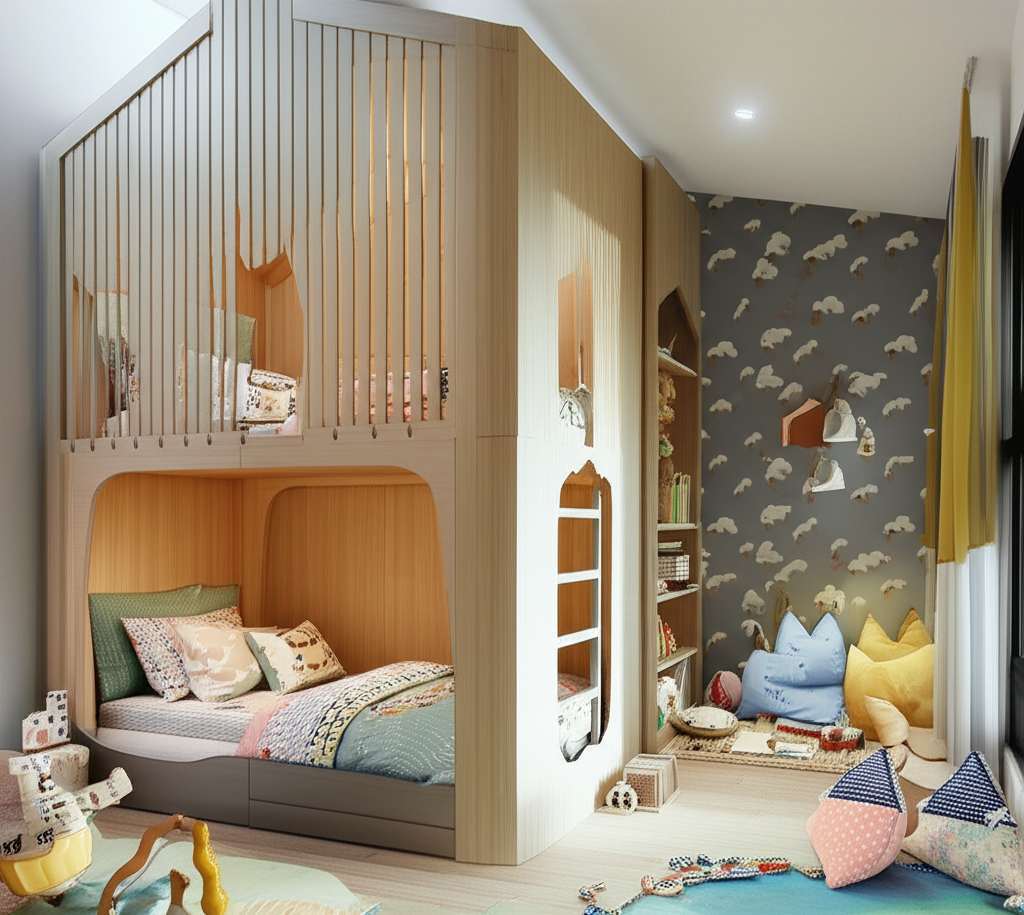
For Younger Kids: Bright, cheerful colors like sunny yellow, sky blue, or a playful pink can be exciting.
For Older Kids: They might prefer more mature or nuanced shades, like a soft grey, a deep teal, or a gentle lavender.
Pro-Tip: If you’re unsure about bold colors on all walls, try an accent wall! Paint one wall a fun color or pattern and keep the others neutral. This adds personality without overwhelming the space. You can also use paint to create fun shapes or murals. For inspiration on paint colors and combinations, check out the Sherwin-Williams Color Visualizer tool.
3. Smart Storage: Taming the Toy Tornado
Kids’ rooms are notorious for clutter. Smart storage solutions are key to keeping the space tidy and functional. The goal is to make it easy for kids to put things away themselves!
Think about different types of storage:

Shelving: Open shelves are great for displaying favorite toys or books. Consider floating shelves for a modern look or cube shelves for versatile storage.
Baskets & Bins: These are perfect for corralling smaller toys, art supplies, or stuffed animals. Look for fabric bins that are soft and safe.
Under-Bed Storage: Rolling drawers or bins that fit neatly under the bed are fantastic for extra linens, seasonal clothes, or less-used toys.
Wall-Mounted Organizers: Pegboards, wall pockets, or small cabinets can free up floor space and keep essentials accessible.
Multi-functional Furniture: A storage ottoman or a bed with built-in drawers can serve a dual purpose.
When planning storage, involve your child! Let them choose some of the baskets or decide where their favorite toys will live. This encourages them to participate in keeping the room tidy.
4. Furniture That Grows with Them
Choosing furniture that can adapt as your child grows is a smart, budget-friendly strategy.
The Bed: A toddler bed can be swapped for a twin or full-size bed. Consider a daybed or a bed with a trundle for sleepovers. A loft bed can be a fantastic space-saver, offering room for a desk or play area underneath.
The Desk: Opt for a desk that isn’t too “kiddie.” A simple, sturdy desk with good storage can be used for homework and hobbies for years.
The Dresser/Storage: A classic dresser can be used for clothes throughout childhood and even into teenage years. You can always update its look with new hardware.
Consider furniture that can be repurposed or easily updated. For instance, a simple wooden dresser can be painted or given new knobs to match changing decor styles.
5. Lighting: Setting the Mood and Function
Good lighting is crucial for a child’s bedroom. It needs to be bright enough for activities but also cozy enough for bedtime.
Overhead Light: A central light fixture is essential for general illumination. Consider a dimmer switch to control the brightness.
Task Lighting: A desk lamp is perfect for homework and reading. Ensure it provides focused light without glare.
Accent & Night Lighting: String lights, a fun night light, or a reading lamp near the bed can create a warm, inviting atmosphere. These are especially helpful for children who are a little nervous in the dark.
Look for fixtures that are safe and durable. Avoid anything with sharp edges or that can easily break. For a whimsical touch, consider fairy lights draped over a headboard or around a window.
6. Textiles: Adding Comfort and Style
Bedding, curtains, rugs, and cushions are easy ways to add color, texture, and personality to the room.
Bedding: This is a prime spot to introduce your chosen theme or color palette. Have a few sets of sheets and a duvet cover that can be easily swapped out.
Curtains: They control light and add a decorative element. Choose fabrics that are durable and easy to clean. Blackout curtains can be great for ensuring a good night’s sleep.
Rugs: A soft rug can make the floor more comfortable for playing and can define different areas within the room.
Cushions & Throws: These add extra comfort and can be used to layer in patterns and colors.
When selecting textiles, think about washability. Kids’ rooms can get messy, so choosing materials that are easy to clean is a practical choice.
7. Personalization: Making It Their Own
The most important part of a kids’ bedroom is making it feel like their space. Encourage your child to be involved in the decorating process.
Artwork Display: Create a gallery wall for their drawings and paintings. This can be done with frames, clips, or even a simple string with clothespins.
Photos: Display favorite family photos or pictures of friends and pets.
Display Shelves: Let them choose a few special toys or collectibles to display on shelves.
DIY Decor: Simple DIY projects, like painting a plain lampshade or decorating a storage box, can be fun and create a unique piece.
Allowing your child to have a say in their room’s design fosters a sense of ownership and pride. It’s a great way to build their confidence and creativity.
Space-Saving Kids Bedroom Design Ideas
If your child’s bedroom is on the smaller side, don’t fret! Smart design choices can make even the coziest room feel spacious and functional. The key is to maximize vertical space and choose furniture that serves multiple purposes.
Vertical Storage Solutions
Tall Bookshelves: Instead of wide, bulky units, opt for taller, narrower bookshelves. Anchor them securely to the wall for safety.
Wall-Mounted Shelves: These take up no floor space and are perfect for displaying books, toys, or decorative items.
Pegboards: These are incredibly versatile. You can hang baskets, shelves, and hooks to store everything from art supplies to small toys.
Loft Beds: This is the ultimate space-saver! A loft bed frees up floor space underneath for a desk, a play area, or additional storage.
Multi-Functional Furniture
Storage Beds: Beds with built-in drawers or a lift-up mattress are invaluable for stashing away linens, out-of-season clothes, or toys.
Ottomans with Storage: These can serve as extra seating, a footrest, and a hidden storage spot.
Fold-Down Desks: For very small rooms, a desk that folds up against the wall when not in use can be a game-changer.
Layout Tricks
Keep the Floor Clear: The more floor space you can see, the larger the room will feel. Try to keep the floor as clutter-free as possible.
Corner Furniture: Utilize corners with corner shelves or a small corner desk.
Light Colors: Lighter paint colors on the walls and ceiling can make a room feel more open and airy.
Budget-Friendly Kids Bedroom Makeover Tips
You don’t need a huge budget to create an amazing kids’ bedroom. With a little creativity and smart shopping, you can achieve a fantastic transformation.
1. Shop Secondhand and DIY
Thrift Stores & Flea Markets: You can find great deals on furniture, lamps, and decorative items at thrift stores. Look for pieces with good bones that you can repaint or update.
Online Marketplaces: Websites like Facebook Marketplace or Craigslist can be treasure troves for affordable furniture.
DIY Projects: Painting old furniture, creating your own wall art, or sewing simple cushion covers are great ways to save money and add a personal touch.
2. Paint is Your Best Friend
As mentioned earlier, paint is one of the most cost-effective ways to transform a room. A fresh coat of paint can completely change the look and feel of the space. Consider sample pots to test colors before committing to a larger purchase.
3. Focus on Key Pieces
Instead of buying a whole new matching set of furniture, focus your budget on one or two key pieces that will make a big impact, like a cool bed or a fun rug. You can then fill in the rest with more affordable options.
4. Textiles Can Make a Big Difference
New bedding, curtains, or a colorful rug can instantly update a room without breaking the bank. Look for sales or consider less expensive retailers.
5. Declutter and Organize First
Before you buy anything new, take time to declutter. Getting rid of items you no longer need can make the room feel refreshed and might reveal that you have more usable space than you thought. Use affordable storage solutions like fabric bins or cardboard boxes you can decorate.
6. Get Creative with Lighting
Instead of expensive designer lamps, look for budget-friendly options and update them with new lampshades or a coat of spray paint. String lights are a very affordable way to add a magical ambiance.
Designing for Different Ages
What works for a toddler won’t necessarily work for a pre-teen. Here are some age-specific considerations:
Toddler & Preschooler (Ages 2-5)
Focus: Safety, fun, and easy access.
Key Features: Low beds, soft furnishings, bright colors, accessible toy storage, and themes that spark imagination (e.g., animals, vehicles, fairies). Ensure all furniture is stable and free of hazards. Use furniture safety guidelines from the CPSC.
Decor: Large, engaging wall art, play rugs, and plenty of cushions.
Early Elementary (Ages 6-9)
Focus: Play, learning, and early independence.
Key Features: A small desk for drawing or homework, more organized storage for school supplies and toys, and themes that reflect developing interests (e.g., superheroes, space, nature).
Decor: Introduce more personalized elements like a bulletin board for artwork, a reading nook, and bedding that reflects their current passions.
Late Elementary & Pre-Teen (Ages 10-13)
Focus: Hobbies, socializing, and personal expression.
Key Features: A more functional desk area, ample storage for books and electronics, comfortable seating for friends, and a style that reflects their growing individuality.
* Decor: They might prefer a more sophisticated color palette, a space for displaying collections, and a room that feels more like a hangout zone. Involve them heavily in the design choices at this age.
Table: Kids Bedroom Design Elements & Considerations
| Design Element | Toddler/Preschooler (2-5) | Early Elementary (6-9) | Pre-Teen (10-13) |
| :————- | :———————— | :——————— | :————— |
| Bed | Low, accessible toddler bed | Twin bed, possibly with storage | Twin or Full bed, loft bed option |
| Storage | Open bins, low shelves for easy access | Cube storage, desk with drawers | More organized drawers, shelves for collections, wall units |
| Desk/Study | Small play table | Small desk for drawing/homework | Functional desk for schoolwork and tech |
| Color Palette | Bright, primary colors, pastels | Bold colors, theme-based colors | More mature colors, personal preferences (neutrals, deeper tones) |
| Decor | Large, playful wall decals, soft rugs | Themed bedding, bulletin board, reading corner | Personal artwork, posters, tech-friendly setup, comfort seating |
| Safety | Rounded edges, secure furniture, non-toxic materials | Secure furniture, electrical outlet covers | Secure furniture, clear pathways |
FAQ: Your Kids Bedroom Design Questions Answered
Q1: How do I choose a theme for my child’s bedroom?
A1: Talk to your child about their favorite colors, animals, characters, or activities. Look at their current toys and books for inspiration. Don’t feel pressured to pick something too specific; a general vibe like “space explorer” or “cozy forest” can work just as well as a single character.
Q2: My child’s room is very small. What are the best space-saving ideas?
A2: Utilize vertical space with tall shelves and wall-mounted storage. Opt for multi-functional furniture like a bed with drawers or a loft bed. Keeping the floor clear will also make the room feel larger. Light colors can also help.
Q3: How can I make the room fun without being overwhelming?
A3: Use a neutral base for walls and large furniture, then add pops of fun color and personality through bedding, rugs, and accessories. An accent wall with a fun color or decal is a great way to add personality without overdoing it.
Q4: What are the safest furniture options for a young child’s room?
A4: Choose furniture with rounded edges and avoid items with small, detachable parts that could be a choking hazard. Always anchor tall furniture like bookshelves and dressers to the wall to prevent tipping. Look for non-toxic finishes and materials. You can find more safety tips at HealthyChildren.org.
Q5: How can I involve my child in the design process?
A5: Let them choose colors, bedding patterns, or help pick out new decorative items. Display their artwork prominently. Even small choices can give them a sense of ownership and make them feel more connected to their room.
Q6: What’s the best way to organize toys in a kids’ bedroom?
A6: Use a combination of open shelving for display, closed bins or baskets for hiding clutter, and under-bed storage. Labeling bins can help children (and you!) know where things go. Make it easy for them to put toys away.
Conclusion
Designing an amazing kids’ bedroom is all about creating a space that sparks joy, fosters creativity, and functions beautifully for your child. By focusing on a theme or color palette, incorporating smart storage, choosing adaptable furniture, and adding personal touches, you can transform any room into a dream space.
Remember, it doesn’t require a huge budget or extensive design experience. Simple, budget-friendly ideas like painting an accent wall, shopping secondhand, or creating DIY decor can make a world of difference. Most importantly, involve your child in the process – their input is what will truly make the room special and uniquely theirs.
So, take these ideas and start creating! With a little planning and a lot of love, you can build a room where your child will make wonderful memories for years to come. Happy decorating!