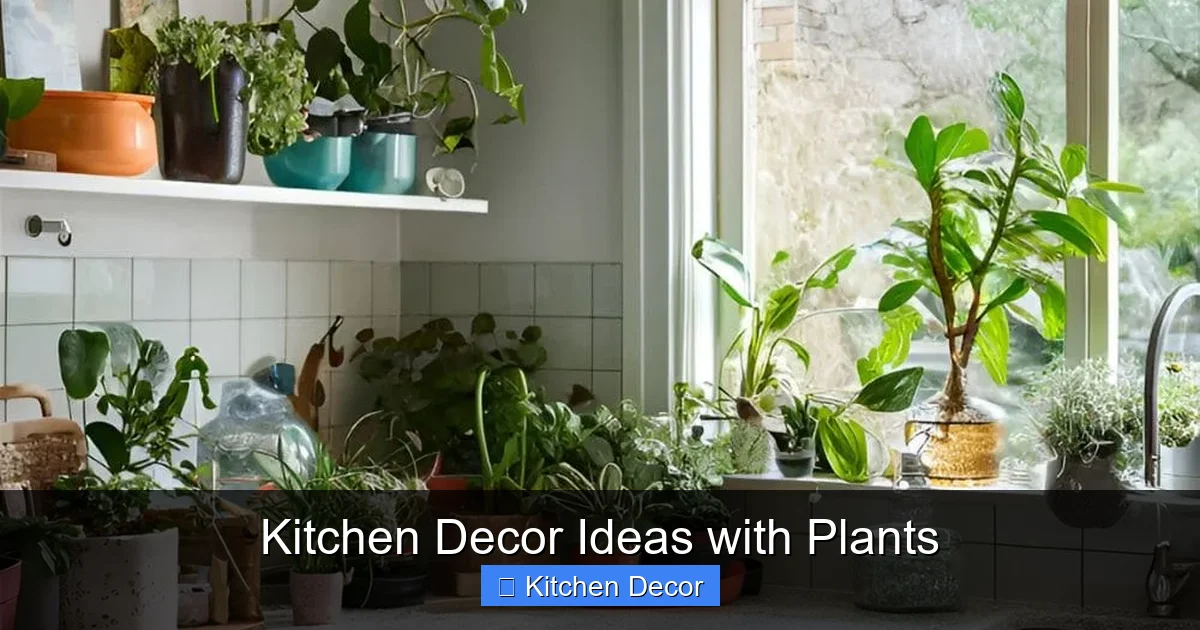
Revitalize your kitchen with the beauty and benefits of living plants! This guide offers a complete roadmap to incorporating stylish kitchen decor ideas with plants, from selecting the perfect green companions to creative placement and essential care tips. Learn how to create a fresh, inviting atmosphere, purify your air, and even grow your own culinary herbs, transforming your kitchen into a vibrant oasis.
Kitchen Decor Ideas with Plants
Your kitchen is often the heart of your home. It’s where meals are made, coffee is brewed, and conversations flow. What better way to add life, freshness, and a touch of serenity to this essential space than with plants? Incorporating plants into your kitchen decor is a wonderful way to brighten the room, purify the air, and even add fresh ingredients to your cooking.
This comprehensive guide will walk you through everything you need to know about transforming your kitchen into a vibrant, green oasis. We’ll explore the best plants for your kitchen, clever placement ideas, stylish container choices, and essential care tips to keep your green friends thriving. Get ready to discover countless kitchen decor ideas with plants that are both beautiful and practical!
Key Takeaways
- Choose Plants Wisely: Select plants that thrive in typical kitchen conditions, considering light, humidity, and available space. Herbs, succulents, Pothos, and Snake Plants are excellent choices for kitchen decor ideas with plants.
- Strategic Placement Matters: Utilize various spots like windowsills, countertops, open shelving, hanging planters, and even kitchen islands to integrate greenery effectively and enhance your kitchen’s aesthetic.
- Embrace Creative Containers: Don’t just pick pots; choose decorative containers that complement your kitchen’s style. Terracotta, ceramic, woven baskets, and unique propagation stations can elevate your plant displays.
- Style for Impact: Group plants of varying heights and textures, incorporate decorative elements, and consider color schemes to create visually appealing arrangements that blend seamlessly with your existing kitchen decor.
- Master Essential Care: Understand the specific watering, light, and humidity needs of your kitchen plants. Regular observation and simple care routines are key to keeping your green decor healthy and vibrant.
- Consider Functionality: Beyond aesthetics, select plants that offer practical benefits, like fresh herbs for cooking or air-purifying varieties, making your kitchen not only beautiful but also more functional.
- Troubleshoot Common Issues: Be prepared for minor plant challenges. Learn to identify and address common problems like yellowing leaves, pests, or wilting to maintain the health and beauty of your plant decor.
Understanding Your Kitchen Environment
Before you start filling your cart with plants, it’s smart to assess your kitchen’s unique conditions. Not all plants are happy everywhere, and understanding your space will help you choose the right companions.
Light Levels
This is perhaps the most crucial factor. Look at your kitchen windows.
- Bright, Direct Light: Does sunlight stream directly through your windows for several hours a day? South-facing or west-facing windows often provide this. Many herbs and succulents love this.
- Bright, Indirect Light: Is the room bright, but the sun doesn’t directly hit the plants? This is ideal for many common houseplants. East-facing windows or windows with sheer curtains often offer this.
- Low Light: Is your kitchen generally dim, with minimal natural light? Some plants can tolerate this, but your options will be more limited.
Humidity and Temperature
Kitchens can be a bit more humid than other rooms, especially when you’re cooking. This can be a good thing for many plants that prefer a tropical environment. Most kitchens maintain comfortable room temperatures, which is suitable for the majority of houseplants. Avoid placing plants too close to direct heat sources like stoves or drafty windows in winter.
Available Space
Do you have wide windowsills, empty shelves, or a spacious countertop? Thinking about where plants will go will guide your selection. Don’t worry if your kitchen is small; there are still plenty of fantastic kitchen decor ideas with plants for every size.
Choosing the Perfect Plants for Your Kitchen
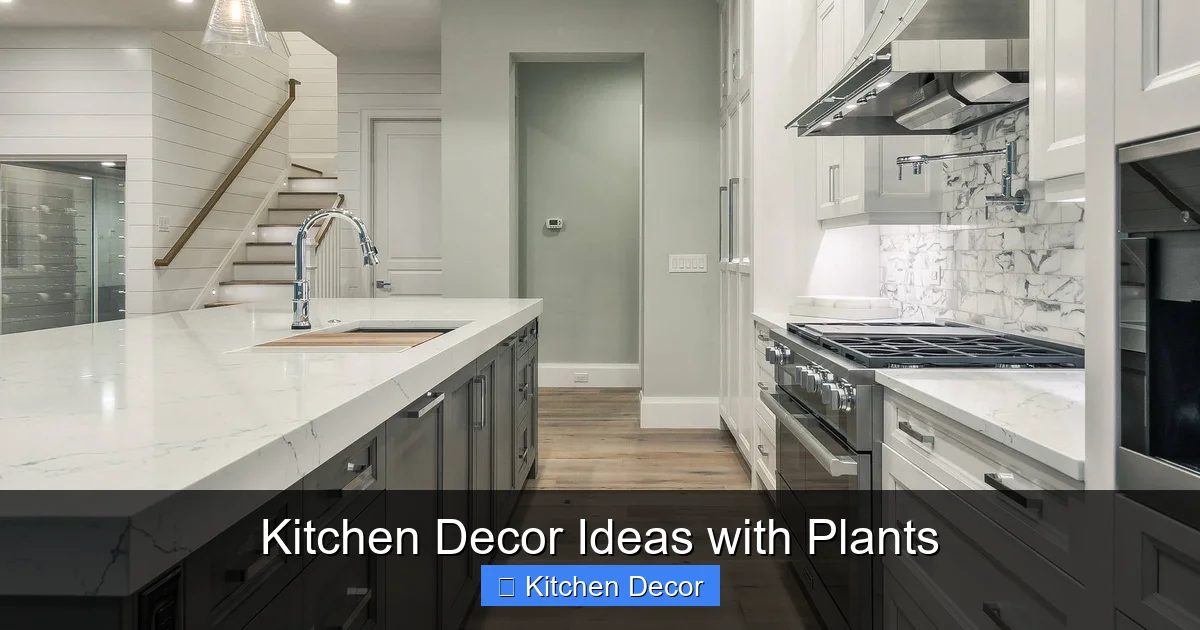
Visual guide about Kitchen Decor Ideas with Plants
Image source: mydecorative.com
Now that you know your kitchen’s personality, let’s explore some fantastic plant options. We’ll focus on varieties that generally do well in kitchen environments and offer great aesthetic appeal.
Herbs for Freshness and Flavor
Herbs are perhaps the most functional and delightful kitchen decor ideas with plants. They smell amazing and are incredibly useful for cooking!
- Basil: Loves bright, direct light. Keep its soil consistently moist.
- Mint: Grows quickly! Keep it in its own pot as it can be invasive. Tolerates a range of light but prefers bright indirect.
- Rosemary: Needs lots of bright light and well-draining soil. Don’t overwater.
- Thyme: Prefers bright light and slightly drier soil.
- Chives: Easy to grow, needs good light and consistent moisture.
- Oregano: Similar to thyme, enjoys bright light and letting its soil dry out between waterings.
Place your herbs close to a window where they can soak up the sun.
Hardy and Low-Maintenance Houseplants
For those who want beautiful greenery without a lot of fuss, these are excellent choices.
- Pothos (Epipremnum aureum): Incredibly forgiving, tolerates various light conditions from low to bright indirect. Its trailing vines are perfect for shelves or hanging baskets.
- Snake Plant (Sansevieria trifasciata): Almost indestructible. Thrives on neglect and tolerates low light, though it does best in bright indirect light. Great for adding vertical interest.
- Spider Plant (Chlorophytum comosum): Easy to care for, produces “spiderettes” that can be propagated. Prefers bright, indirect light. Wonderful in hanging baskets.
- ZZ Plant (Zamioculcas zamiifolia): Extremely drought-tolerant and can handle very low light. It has a sleek, architectural look.
- Philodendron (Heart-Leaf Philodendron): Similar to Pothos with trailing vines and heart-shaped leaves. Tolerates medium to low light.
Succulents and Cacti for Sunny Spots
If your kitchen gets a lot of direct sun, succulents and cacti are fantastic kitchen decor ideas with plants. They’re striking and require very little watering.
- Aloe Vera: Not just pretty, but functional! Its gel can soothe minor burns. Needs bright, direct light and infrequent watering.
- Echeveria: Beautiful rosette shapes, comes in various colors. Needs bright, direct light.
- Haworthia: Resembles a miniature aloe. Tolerates slightly lower light than other succulents but still prefers bright conditions.
- Cacti: Choose smaller, decorative varieties for windowsills or shelves. Ensure they get ample sun.
Remember that all succulents and cacti need well-draining soil and pots with drainage holes to prevent root rot.
Creative Placement Ideas for Your Kitchen Plants
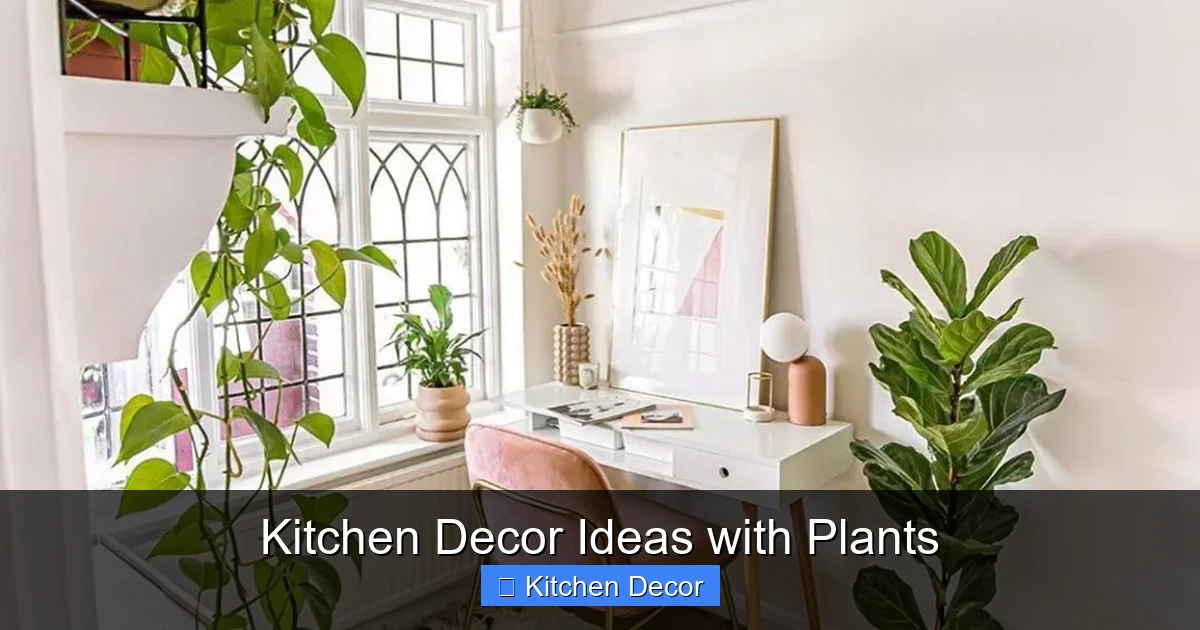
Visual guide about Kitchen Decor Ideas with Plants
Image source: cdn.homedit.com
Once you’ve chosen your plants, it’s time to find them the perfect home. The right placement can transform your kitchen’s aesthetic and make your plants truly shine.
Windowsill Wonders
This is the classic spot for kitchen plants, and for good reason!
- Herb Garden: Line up several small pots of your favorite herbs. It’s convenient for cooking and looks charming.
- Succulent Collection: A row of small, varied succulents adds texture and interest to a sunny windowsill.
- Propagation Station: Display small glass jars with plant cuttings rooting in water. It’s beautiful and fascinating.
Make sure plants on windowsills don’t block too much light from entering the kitchen.
Countertop Greenery
Even limited counter space can accommodate a plant or two.
- Single Statement Plant: A medium-sized Snake Plant or a lush Pothos in a stylish pot can anchor a corner or add height.
- Small Grouping: Arrange two or three small plants of varying heights on a decorative tray. This creates a cohesive display and protects your counters from water.
- Fruit Bowl Alternative: Place a small, decorative plant next to your fruit bowl for a fresh, organic look.
Keep plants away from areas where they might get splashed during food prep.
Open Shelving Displays
Open shelves are fantastic for showing off your kitchen decor ideas with plants.
- Trailing Plants: Pothos, Philodendron, or Ivy look incredible cascading down from a high shelf.
- Vertical Interest: Mix in smaller upright plants like Haworthia or ZZ Plants alongside cookbooks and kitchenware.
- Vary Heights and Textures: Don’t just line up plants. Group them, use different sized pots, and mix foliage types for a dynamic display.
Hanging Planters and Hooks
Utilize vertical space, especially if your kitchen is short on counter or shelf room.
- Macrame Hangers: Add a bohemian touch with Pothos, Spider Plants, or ferns suspended from the ceiling or near a window.
- Wall-Mounted Planters: Create a living wall effect with small individual planters or a vertical garden system. This is an excellent way to grow herbs in a small kitchen.
- Pot Racks: If you have an overhead pot rack, consider hanging a small plant from it, ensuring it won’t drip onto your cookware.
Kitchen Island or Cart Decor
A kitchen island can serve as a focal point.
- Centerpiece Plant: A large, impressive plant in a statement pot can be a stunning centerpiece for a spacious island.
- Tiered Cart: A rolling utility cart can become a mobile plant display, perfect for moving plants to catch more light or get out of the way during busy times.
Styling Your Kitchen Plants with Containers and Accessories
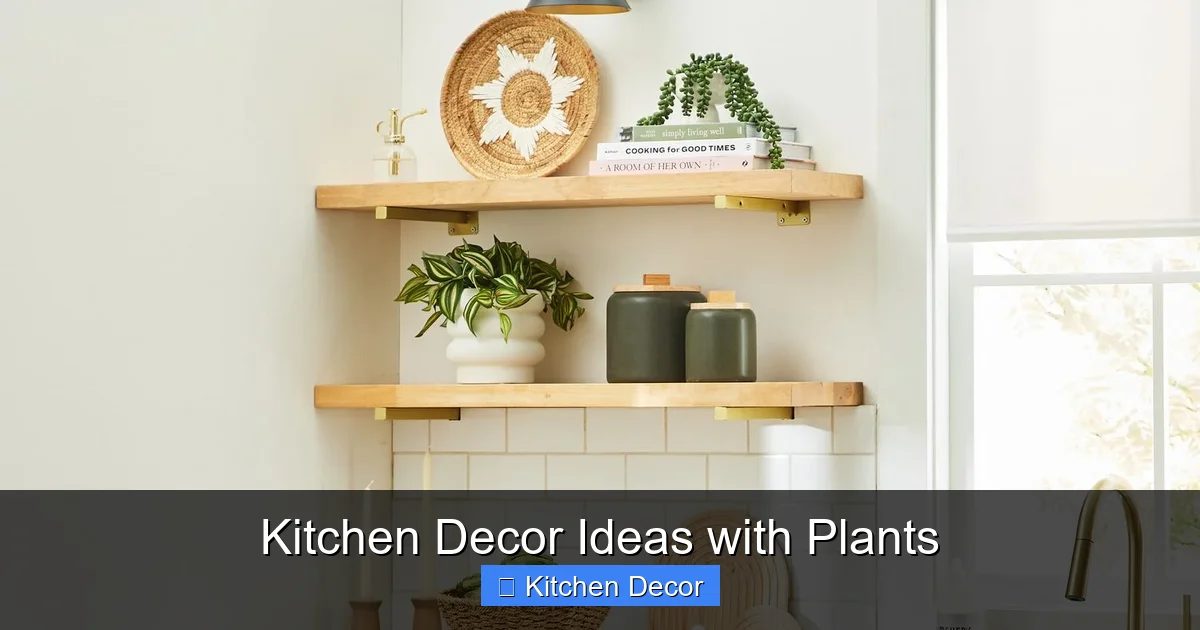
Visual guide about Kitchen Decor Ideas with Plants
Image source: thespruce.com
The pot you choose is just as important as the plant itself. It contributes significantly to the overall kitchen decor ideas with plants.
Choosing the Right Containers
- Material Matters:
- Terracotta: Classic, porous, great for succulents and plants that prefer drier soil.
- Ceramic: Comes in endless colors and glazes. Less porous, good for plants that like consistent moisture.
- Concrete: Modern, industrial look.
- Woven Baskets: Great as decorative cachepots (pots that hold another pot inside) to add texture and warmth.
- Metal: Sleek and contemporary, but be mindful of rust.
- Size and Drainage: Always choose a pot that is appropriately sized for your plant’s root ball and, ideally, has drainage holes. If your decorative pot doesn’t have holes, plant in a nursery pot and place it inside the decorative one.
- Match Your Decor: Select pots that complement your kitchen’s existing style. Bright ceramic pots for a cheerful kitchen, rustic terracotta for a farmhouse feel, or minimalist white pots for a modern look.
Accessorizing Your Green Displays
- Trays and Stands: Place groups of plants on decorative trays to protect surfaces and create a cohesive look. Plant stands add height and visual interest.
- Pebble Trays: For plants that love humidity, a tray filled with pebbles and water can create a microclimate around the plant.
- Labels for Herbs: Use small, stylish labels for your culinary herbs so you know exactly what you’re snipping.
- Decorative Misters: Not just functional for humidity-loving plants, a beautiful brass or glass mister can be part of your display.
Caring for Your Kitchen Plants
Keeping your kitchen plants healthy is key to maintaining beautiful kitchen decor ideas with plants. It’s simpler than you might think!
Watering Wisely
This is where most people go wrong.
- Check the Soil: Don’t just water on a schedule. Stick your finger about an inch or two into the soil. If it feels dry, it’s time to water.
- Thoroughly Soak: When you do water, water thoroughly until it drains out the bottom. This ensures all roots get moisture.
- Empty Saucers: Don’t let plants sit in standing water; it can lead to root rot.
Light Requirements Revisited
Ensure your plants are getting the light they need. If a plant isn’t thriving, light is often the first thing to check. Yellowing leaves can mean too much or too little light, while stretched-out, “leggy” growth often indicates not enough light.
Humidity Boost
Kitchens can be humid, but some plants might need more.
- Misting: Lightly mist plants with a spray bottle, especially those with thin leaves like ferns or tropicals.
- Pebble Trays: As mentioned, a tray of pebbles and water can increase local humidity.
- Grouping Plants: Plants release moisture, so grouping them together can slightly raise humidity.
Feeding Your Plants
Most houseplants benefit from a diluted, balanced liquid fertilizer during their active growing season (spring and summer). Follow package directions, and don’t over-fertilize.
Pest Watch
Kitchens, with their food and warmth, can sometimes attract pests.
- Inspect Regularly: Look under leaves and in soil for tiny bugs like spider mites, aphids, or fungus gnats.
- Isolate Affected Plants: If you find pests, immediately move the plant away from others.
- Natural Remedies: Often, a wipe-down with neem oil spray or insecticidal soap can manage common pests.
Troubleshooting Common Plant Issues
Even with the best intentions, plants can sometimes show signs of distress. Here are quick fixes for common problems:
Yellowing Leaves
- Overwatering: Most common cause. Check soil moisture. Let it dry out more between waterings.
- Underwatering: Leaves might also look crispy. Water thoroughly.
- Nutrient Deficiency: Less common, but consider fertilizing if other causes are ruled out.
- Natural Aging: Lower leaves yellowing and falling off can be normal for older growth.
Drooping or Wilting Leaves
- Underwatering: Often, the plant just needs a good drink. It should perk up within hours.
- Overwatering (Root Rot): If the soil is wet but the plant is drooping, root rot might be occurring. This is more serious. Check for mushy roots and repot if necessary.
- Temperature Shock: Sudden drafts or extreme temperatures can cause temporary drooping.
Brown, Crispy Leaf Tips
- Low Humidity: Common in dry indoor environments. Mist more often, use a pebble tray.
- Underwatering: Ensure thorough watering.
- Excess Fertilizer: Too much salt build-up in the soil. Flush the soil with plain water.
Conclusion
Bringing plants into your kitchen is more than just adding greenery; it’s about creating a living, breathing space that promotes well-being, freshness, and beauty. From the vibrant flavors of fresh herbs to the serene presence of a leafy houseplant, these kitchen decor ideas with plants offer endless possibilities to personalize and enhance your home.
Start small, choose plants you love, and don’t be afraid to experiment. With the tips and guidance in this guide, you’re well-equipped to cultivate a thriving collection of kitchen plants that will make your cooking space truly come alive. Enjoy the journey of transforming your kitchen into a botanical haven!