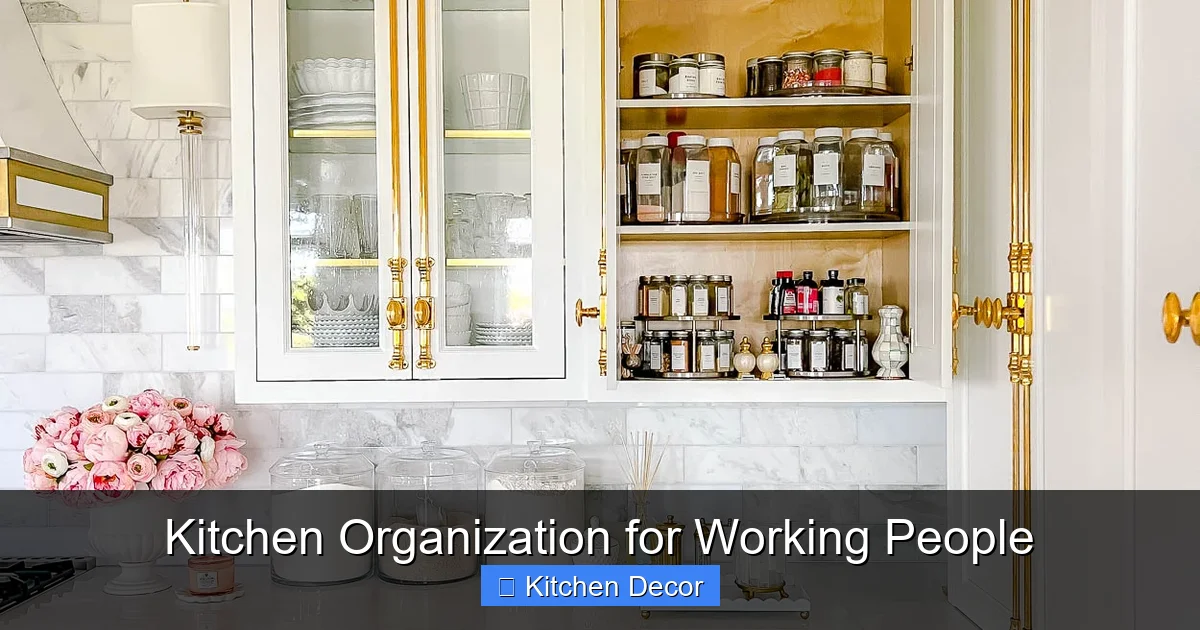
This comprehensive guide provides busy individuals with practical strategies for kitchen organization for working people. Learn how to declutter, categorize, zone, and maintain an efficient kitchen, saving valuable time and reducing daily stress. Discover smart storage solutions and meal prep tips to create a functional culinary space that supports your busy lifestyle.
Kitchen Organization for Working People
Life as a working professional is busy. Your days are packed with meetings, deadlines, and responsibilities. The last thing you need is a chaotic kitchen adding to your stress. Imagine walking into a clean, organized space where everything has a home. Picture finding ingredients quickly, preparing meals efficiently, and even enjoying the cooking process. This isn’t just a dream; it’s entirely achievable with smart kitchen organization for working people.
This comprehensive guide will help you transform your kitchen into an efficient, stress-free hub. We will walk you through practical, step-by-step instructions designed specifically for busy individuals. You will learn how to declutter, categorize, and set up your kitchen to save precious time, reduce mental load, and make healthy eating easier. Get ready to reclaim your kitchen and, in turn, a bit more peace in your daily life!
Key Takeaways
- Declutter Ruthlessly for Clarity: Remove all unused, expired, or redundant items to create a clean slate and free up valuable space in your kitchen.
- Zone Your Kitchen for Efficiency: Assign specific areas for different activities (cooking, prep, cleaning, pantry) to streamline workflow and save time during meal preparation.
- Utilize Smart Storage Solutions: Invest in vertical storage, drawer organizers, clear containers, and lazy Susans to maximize space and keep items easily accessible.
- Master Pantry and Fridge Organization: Implement the “First-In, First-Out” (FIFO) rule, use clear bins, and label everything to reduce food waste and quickly find ingredients.
- Integrate Organization with Meal Prep: A well-organized kitchen is the foundation for efficient meal planning and batch cooking, essential for working people to eat healthier.
- Establish Simple Maintenance Routines: Implement daily tidies, weekly resets, and monthly purges to ensure your kitchen remains organized and functional over time.
Step 1: Declutter Your Kitchen Ruthlessly
This is the foundational step for any successful kitchen organization project. For working people, it’s even more critical to get rid of items that waste space or time. You cannot organize clutter; you can only move it around. Be prepared to make tough decisions about what stays and what goes.
Empty Every Cabinet and Drawer
Start by completely emptying one section of your kitchen at a time. This might be a single drawer, a cabinet, or even a countertop. Take everything out. Seeing everything laid out helps you visualize what you truly own. It also shows you what you might have forgotten about.
Sort, Keep, Donate, or Toss
As you empty items, create four distinct piles:
- Keep: Items you use regularly, are in good condition, and serve a purpose.
- Donate/Sell: Items that are still functional but you no longer need or use (e.g., duplicate gadgets, unused small appliances).
- Toss/Recycle: Broken items, expired food, worn-out utensils, or anything beyond repair.
- Relocate: Items that don’t belong in the kitchen but found their way there (e.g., mail, remote controls, tools).
Be honest with yourself during this process. Do you really need five spatulas? Is that broken blender ever going to get fixed? For effective kitchen organization for working people, efficiency is key, and excess is the enemy.
Be Honest About Usage
A good rule of thumb: if you haven’t used an item in the past year, strongly consider getting rid of it. This applies to specialty gadgets, rarely used serving dishes, or extra sets of cookware. Space is a premium, especially in a busy household. Keep only what genuinely supports your daily cooking and eating habits.
Step 2: Deep Clean and Sanitize Your Space
Once your cabinets and drawers are empty, and you have decided what stays, it is the perfect time for a thorough clean. This step is often overlooked but provides a fresh start for your newly organized kitchen.
Visual guide about Kitchen Organization for Working People
Image source: randigarrettdesign.com
Wipe Down All Surfaces
Clean the inside and outside of all cabinets, drawers, and pantry shelves. Use a general all-purpose cleaner or a mixture of warm water and dish soap. Pay attention to corners where crumbs and dust might accumulate. This creates a hygienic and inviting space for your organized items.
Address Appliances and Countertops
Don’t forget to clean your refrigerator and freezer interiors. Wipe down countertops, backsplash, and the exterior of major appliances like the microwave and oven. A sparkling clean kitchen feels more functional and less overwhelming, which is a big win for working people.
Step 3: Create Functional Zones in Your Kitchen
Zoning your kitchen means creating dedicated areas for specific tasks or categories of items. This concept is incredibly helpful for kitchen organization for working people because it streamlines your workflow. You won’t be hunting for ingredients or tools; everything will be where you expect it to be.

Visual guide about Kitchen Organization for Working People
Image source: thumbs.dreamstime.com
The Cooking Zone
This area should be around your stove and oven. Store pots, pans, lids, cooking utensils (spatulas, ladles), cooking oils, and frequently used spices here. Keep oven mitts and trivets close by as well. The goal is to minimize steps while cooking.
The Prep Zone
Designate a main countertop area as your prep zone. This is where you’ll chop vegetables, mix ingredients, and do most of your food preparation. Store cutting boards, knives, mixing bowls, measuring cups, and prep bowls in cabinets or drawers closest to this area.
The Dishwashing/Drying Zone
This zone is typically around your sink. Keep dish soap, sponges, dishcloths, and a dish rack (if you use one) here. Store cleaning supplies for the kitchen under the sink, ensuring they are easily accessible but safely out of reach of children or pets.
The Pantry/Food Storage Zone
Your pantry or designated food storage cabinet should house dry goods, canned goods, pasta, rice, and snacks. Group similar items together for easy identification. We will dive deeper into this in Step 5.
The Breakfast/Beverage Station
If space allows, create a small station for morning routines. Keep your coffee maker, coffee beans/grounds, tea bags, sugar, mugs, and perhaps a toaster or kettle in this area. This prevents clutter from spreading across other zones and makes your mornings smoother.
The Baking Zone (Optional)
If you bake frequently, dedicate a cabinet or drawer to baking supplies. Store flours, sugars, baking powder, vanilla, baking pans, cookie sheets, and cooling racks together. This keeps all your baking essentials in one convenient location.
Step 4: Implement Smart Storage Solutions
Once you know what you’re keeping and where it should generally live, it’s time to optimize your storage. Smart solutions are crucial for maximizing space and maintaining kitchen organization for working people.

Visual guide about Kitchen Organization for Working People
Image source: img.freepik.com
Go Vertical with Shelf Risers and Stackable Containers
Don’t let vertical space go to waste. Use shelf risers in cabinets to create extra levels for plates, bowls, or spices. Stackable, airtight containers are excellent for pantry items like cereals, pasta, and flour. This not only saves space but also keeps food fresh and visible.
Utilize Drawer Dividers and Organizers
Drawer dividers are game-changers for keeping utensils, gadgets, and small tools tidy. No more rummaging through a jumbled drawer for a can opener. Consider custom inserts or adjustable dividers to fit your specific items.
Choose Clear, Airtight Containers for Pantry Staples
For dry goods like flour, sugar, rice, pasta, and oats, clear containers are a must. They allow you to see at a glance what you have and how much is left. This prevents duplicate purchases and ensures you’re never caught off guard when cooking. Make sure they are airtight to keep pests out and food fresh.
Employ Lazy Susans (Turntables)
These rotating trays are perfect for corner cabinets, spice racks, or under the sink. A lazy Susan makes it easy to access items that would otherwise get lost in the back. Use them for oils, vinegars, condiments, cleaning supplies, or even small pantry items.
Consider Wall-Mounted Solutions
If counter or cabinet space is limited, look to your walls. A magnetic knife strip frees up drawer space and keeps knives safely stored and easily accessible. Pot racks can hang above an island or stove. Pegboards with hooks are versatile for hanging utensils, small pans, or even small shelves for spices. This is especially helpful for small kitchen organization for working people.
Add Door Organizers
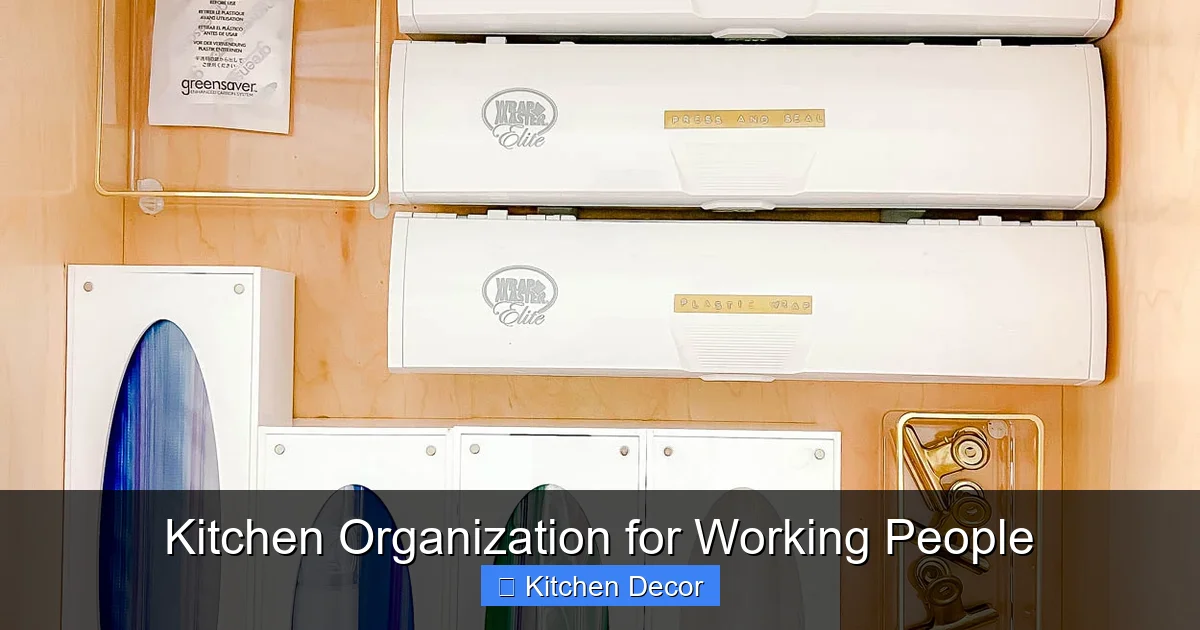
The back of cabinet or pantry doors offers untapped storage potential. Mount shallow shelves or wire racks on the inside of doors for spices, foil, plastic wrap, cleaning supplies, or even small snacks. This is an ingenious way to utilize every inch of space.
Step 5: Master Your Pantry and Refrigerator
For working people, an organized pantry and fridge are vital. They ensure you can quickly find ingredients, prevent food waste, and make meal prep a breeze.
Apply the “First-In, First-Out” (FIFO) Rule
When you buy new groceries, move older items to the front and place new ones behind them. This simple rule helps ensure you use items before they expire, significantly reducing food waste. This is a core principle of efficient kitchen organization for working people.
Use Designated Bins and Baskets
In both your pantry and fridge, use bins and baskets to group similar items. Examples:
- Pantry: “Breakfast items” (oatmeal, granola), “Baking supplies,” “Snacks,” “Canned goods.”
- Fridge: “Dairy,” “Drinks,” “Meal Prep Containers,” “Produce” (use clear bins for veggies).
This containment strategy prevents items from getting lost or creating general chaos.
Label Everything (Especially Non-Transparent Containers)
Even if you have clear containers, labels are your friend. They clearly state what’s inside and, for pantry items, can include the purchase date or expiration date. This saves time guessing and prevents spoilage. Use a label maker or even painter’s tape and a marker for a quick solution.
Maximize Refrigerator Space with Zones and Clear Bins
Dedicate shelves for specific categories. For example, top shelf for leftovers, middle for dairy and ready-to-eat foods, bottom for raw meats (to prevent cross-contamination), and drawers for fruits and vegetables. Clear bins help to keep smaller items from rolling around and make it easy to pull out a whole category at once.
Create a “Use Me First” Bin
Designate a special bin or shelf in your fridge for items that need to be consumed soon. This could be leftover ingredients from a recipe, opened condiments nearing expiration, or produce that’s about to go bad. Make it visible and make a point to check it daily.
Step 6: Integrate Organization with Meal Prep and Planning
The ultimate goal of kitchen organization for working people is to support a healthier, less stressful lifestyle. An organized kitchen is the perfect foundation for efficient meal planning and prep.
Plan Your Meals for the Week
Before you even step foot in the grocery store, plan out your meals for the next few days or the entire week. This gives you a clear idea of what ingredients you need. Write a list, stick to it, and avoid impulse buys that can quickly create clutter.
Shop with a Specific List
A well-planned grocery list saves time and ensures you buy only what you need. This prevents overstocking your pantry and fridge, which directly contributes to a less cluttered, more organized kitchen. Shop once a week if possible to reduce trips.
Dedicate a Meal Prep Time
Choose one or two days a week (often Sunday) to dedicate a few hours to meal prep. This might involve chopping vegetables, cooking grains, batch-cooking proteins, or assembling grab-and-go snacks. Your organized kitchen will make this process much faster and more enjoyable.
Utilize Stackable Meal Prep Containers
Invest in good quality, stackable, microwave-safe meal prep containers. They will keep your prepped meals fresh and make fridge organization easier. Having meals ready to go is a huge time-saver for busy workdays.
Keep Frequently Used Ingredients Accessible
Ensure your go-to spices, oils, vinegars, and cooking utensils are within easy reach in your cooking zone. When you’re tired after a long day, quick access to essentials makes a big difference.
Step 7: Establish Simple Maintenance Routines
The biggest challenge with kitchen organization for working people is maintaining it. Consistency is key. Establish small, manageable routines to prevent clutter from accumulating again.
Daily Tidy-Up
Spend 5-10 minutes each evening after dinner:
- Wipe down countertops.
- Put away clean dishes from the dishwasher or drying rack.
- Load dirty dishes into the dishwasher.
- Quickly put away any items that are out of place.
This small habit prevents things from piling up and keeps your kitchen ready for the next day.
Weekly Reset
Once a week (perhaps before your grocery run), do a slightly deeper clean and reset:
- Quickly check your “Use Me First” bin.
- Do a quick scan of the fridge and pantry for anything nearing expiration.
- Wipe down the sink and stovetop.
- Straighten up any disarray in drawers or cabinets.
Monthly Mini-Declutter
Once a month, take about 30 minutes to do a deeper dive. Check one or two cabinets or drawers that tend to get messy. Look for expired items, adjust storage solutions if something isn’t working, and reassess your needs. This regular check-in is vital for long-term kitchen organization for working people.
Troubleshooting Common Kitchen Organization Challenges
Even with the best intentions, you might run into a few hurdles. Here are solutions to common problems:
“My kitchen is too small!”
Small kitchens require extra creativity. Focus heavily on vertical storage (shelf risers, wall mounts), multi-functional items (e.g., cutting board that fits over the sink), and extreme decluttering. Only keep items that serve multiple purposes or are used daily.
“I feel overwhelmed and don’t know where to start.”
Don’t try to do it all at once. Start small. Pick one drawer or one cabinet. Finish that one area completely before moving to the next. Even organizing just your spice rack can give you the momentum to keep going.
“I can’t seem to maintain the organization.”
Habits take time to build. Be patient with yourself. Reinforce your daily and weekly routines. If an organization system isn’t working, don’t be afraid to adjust it. The best system is one that you can realistically stick to. Also, involve other family members in maintaining the order.
Conclusion
Achieving effective kitchen organization for working people is not about perfection; it’s about creating a functional, stress-reducing space that supports your busy life. By decluttering, zoning, using smart storage, mastering your pantry and fridge, and establishing simple routines, you can transform your kitchen into an efficiency hub.
Imagine saving minutes every day because you know exactly where everything is. Think about the peace of mind that comes from a clean, orderly space. Embrace these strategies, and you will not only conquer your kitchen but also gain valuable time and reduce daily stress. Your future self, enjoying a healthy, home-cooked meal, will thank you!