
Transform your cooking space into an efficient, enjoyable hub with our comprehensive guide to kitchen workflow improvement ideas. Discover practical strategies for decluttering, organizing, and optimizing every step from prep to cleanup. By implementing these tips, you’ll reduce stress, save time, and make cooking a truly delightful experience in your home. Get ready to enhance your kitchen workflow and love your kitchen more than ever before!
Kitchen Workflow Improvement Ideas
Do you ever feel like your kitchen is a chaotic mess, especially when you’re trying to cook a meal? Do you spend more time searching for ingredients or tools than actually cooking? If so, you’re not alone! Many home cooks struggle with an inefficient kitchen setup.
But imagine a kitchen where everything flows smoothly. A space where you can prepare, cook, and clean up with ease and enjoyment. That’s the power of optimizing your kitchen workflow. It’s about designing your space and habits to make every culinary task simpler, faster, and more enjoyable.
In this comprehensive guide, we’ll walk you through practical kitchen workflow improvement ideas. You’ll learn how to declutter, organize, and create systems that transform your kitchen into a highly efficient and stress-free zone. Get ready to revolutionize your cooking experience and fall in love with your kitchen all over again!
Key Takeaways
- Declutter Ruthlessly & Zone Your Kitchen: Remove unused items and organize your kitchen into logical zones (prep, cooking, cleaning) to ensure everything has a place and is easily accessible where it’s needed most, significantly boosting your kitchen workflow.
- Optimize Your Prep Station: Create a dedicated, clutter-free area for food preparation with essential tools close at hand. Adopting a “mise en place” mindset will streamline your cooking process and enhance your overall kitchen workflow.
- Streamline Cooking & Cleaning Zones: Keep cookware, spices, and oils within easy reach near your stove. Develop habits like “clean as you go” and establish efficient dishwasher loading strategies to maintain tidiness and improve flow during and after meals.
- Embrace Smart Tools & Technology: Utilize smart appliances, time-saving gadgets, and digital meal planning apps to automate tasks, simplify meal preparation, and further optimize your kitchen workflow.
- Cultivate Efficient Habits: Implement regular meal planning, dedicate time for batch cooking or prep ahead, and establish a daily kitchen reset routine. These consistent habits are crucial for maintaining an improved kitchen workflow long-term.
- Address Space Challenges Proactively: Don’t let limited space hinder your progress. Employ vertical storage solutions, utilize multi-functional items, and regularly re-evaluate your essentials to make the most of what you have, ensuring a functional kitchen workflow even in small areas.
- Involve Family & Start Small: Communicate new systems with household members to ensure everyone understands and contributes. Break down large tasks into smaller, manageable steps to avoid feeling overwhelmed, making the journey to an improved kitchen workflow achievable and sustainable.
Step 1: Declutter and Optimize Storage
The first and most crucial step in any kitchen workflow improvement is to clear out the clutter. An organized space is the foundation of an efficient one. You can’t improve your kitchen workflow if you’re constantly tripping over unnecessary items.
Start with a Big Purge
Begin by taking everything out of your cabinets, drawers, and pantry. Yes, everything! This might seem daunting, but it’s essential. As you go, create three piles: Keep, Donate/Sell, and Trash. Be ruthless. Ask yourself:
- Have I used this in the last year?
- Do I have duplicates?
- Is it broken or expired?
- Does it truly serve a purpose in my kitchen workflow?
Get rid of anything that doesn’t fit your current needs or isn’t regularly used. This instantly frees up valuable space and makes your kitchen workflow more direct.
Zone Your Kitchen for Efficiency
Think about how you move around your kitchen when you cook. A well-designed kitchen workflow follows a natural path. We often talk about the “kitchen triangle” (fridge, sink, stove), but let’s expand on that. Divide your kitchen into logical zones:
- Prep Zone: Near the sink, with cutting boards, knives, mixing bowls.
- Cooking Zone: Around the stove/oven, with pots, pans, utensils, spices, oils.
- Pantry Zone: For food storage.
- Dish/Cleaning Zone: Around the sink and dishwasher, with cleaning supplies, dishware.
- Baking Zone: If you bake often, a dedicated area with baking sheets, measuring cups, ingredients.
Placing items where they are first used makes a huge difference to your kitchen workflow. For example, store your coffee maker and mugs together in a “coffee station.”
Maximize Vertical Space
Don’t forget about upward potential! Shelves, racks, and wall organizers can significantly improve your kitchen workflow, especially in smaller kitchens. Consider:
- Wall-mounted pot racks: Keep frequently used pots and pans easily accessible.
- Magnetic knife strips: Free up drawer space and keep knives safe.
- Tiered shelves or risers: Double your cabinet space for plates, spices, or cans.
- Over-the-door organizers: Great for pantry doors to store wraps, foils, or cleaning supplies.
Smart Drawer and Cabinet Organization
Once you’ve decluttered and zoned, it’s time to organize the remaining items. This is where the magic happens for your kitchen workflow:
- Drawer dividers: Keep utensils, cutlery, and kitchen gadgets neatly separated. No more rummaging!
- Pull-out shelves: Perfect for deep lower cabinets, making items at the back easily reachable.
- Stackable containers: Ideal for pantry items like flour, sugar, pasta. They keep things fresh and create a uniform look, aiding in visual kitchen workflow.
- Label everything: Especially in your pantry or storage containers. This saves time and prevents you from buying duplicates.
Step 2: Streamline Your Prep Station
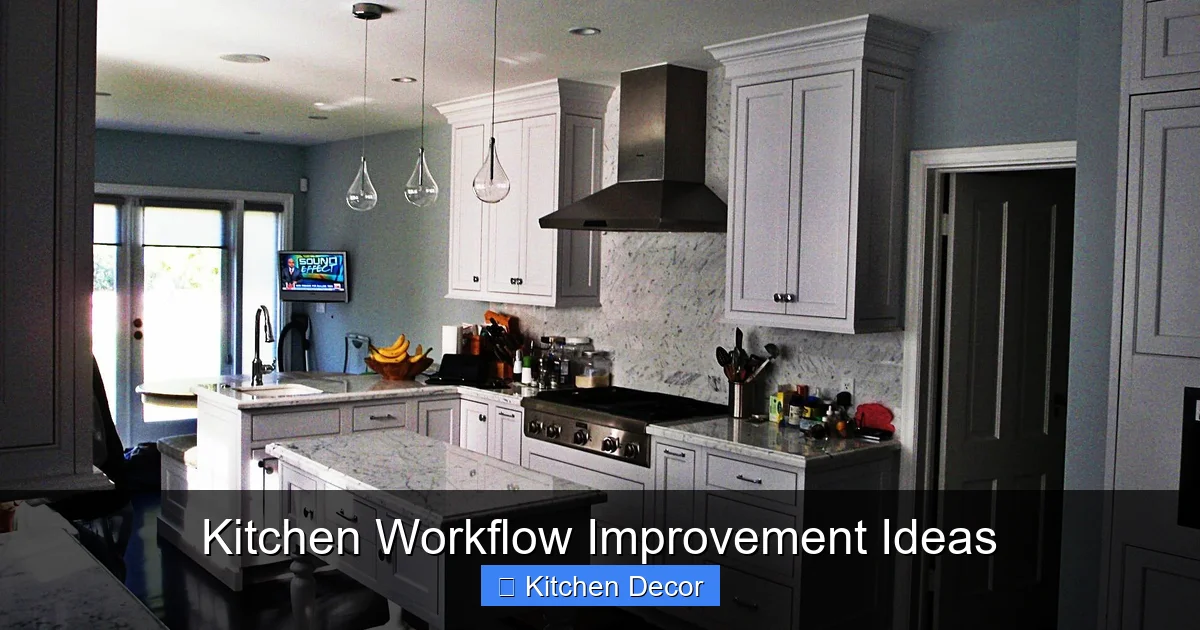
Food preparation is often the most time-consuming part of cooking. Optimizing this area is key to improving your kitchen workflow.
Visual guide about Kitchen Workflow Improvement Ideas
Image source: bradcokitchen.com
Create a Dedicated Prep Zone
Identify the prime countertop real estate near your sink. This is your prep zone. Keep it clear of non-essential items. Ensure you have a sturdy cutting board, good lighting, and ample space to work. The clearer this space, the smoother your kitchen workflow will be.
Essential Tools at Hand
What do you use most often for prepping? Knives, cutting boards, vegetable peelers, mixing bowls, measuring cups? Store these items in the drawers or cabinets directly below or next to your prep zone. This minimizes steps and interruption to your kitchen workflow.
- Store knives in a block or on a magnetic strip near the prep area.
- Keep your most used mixing bowls and measuring tools in an easily accessible lower cabinet or deep drawer.
- A small bin for food scraps can be kept on the counter during prep, then easily emptied into the compost or trash, further streamlining your kitchen workflow.
The “Mise en Place” Mindset
This French culinary term means “everything in its place.” It’s a game-changer for kitchen workflow. Before you even turn on the stove, gather and prepare all your ingredients: chop vegetables, measure spices, open cans. Place them in small bowls or on a tray near your cooking zone. This way, when it’s time to cook, you’re not scrambling, and your kitchen workflow is seamless.
Step 3: Master the Cooking Zone
Once prep is done, it’s time to cook. Your cooking zone should be equally optimized to maintain that efficient kitchen workflow.

Visual guide about Kitchen Workflow Improvement Ideas
Image source: thumbs.dreamstime.com
Keep Cookware Accessible
Store your most frequently used pots, pans, and baking sheets in cabinets or drawers closest to your stove and oven. Heavy cast-iron skillets might be best stored in a lower cabinet or even hanging on a pot rack if space allows. This prevents you from having to walk across the kitchen mid-recipe, improving your kitchen workflow.
Spices and Oils Within Reach
These are the flavor enhancers you reach for constantly. Keep your most used spices in a rack or drawer right next to your stove. Similarly, cooking oils, vinegars, and salt/pepper should be immediately accessible. A small tray near the stove can hold these essentials, keeping them neat and close by for an uninterrupted kitchen workflow.
Efficient Cleanup While Cooking
Don’t wait until the end to clean up. This tip significantly impacts your overall kitchen workflow. As you cook, rinse dishes, wipe down counters, and put away ingredients as soon as you’re done with them. This “clean as you go” method prevents a huge mess from piling up and reduces stress at the end of the meal.
Step 4: Optimize Your Cleaning Workflow
A good kitchen workflow doesn’t end when the meal is cooked; it extends to cleanup. Efficient cleaning is vital for maintaining a pristine and ready-to-use kitchen.
Visual guide about Kitchen Workflow Improvement Ideas
Image source: slideteam.net
Designated Cleaning Supplies Spot
Store all your cleaning supplies (dish soap, sponges, spray cleaners, paper towels) under the sink or in a cabinet right next to the dishwasher. Use caddies or small bins to keep them organized and easy to grab. This focused approach greatly enhances your kitchen workflow during cleanup.
The Dishwasher Loading Strategy
If you have a dishwasher, learn how to load it efficiently. Scrape plates, but don’t pre-rinse excessively (modern dishwashers are very capable). Place similar items together, ensure water can reach all surfaces, and save space for larger items. Knowing exactly how to load it quickly reduces post-meal friction in your kitchen workflow.
Implement a “Clean As You Go” Rule
We touched on this in the cooking zone, but it bears repeating for overall kitchen workflow. Make it a habit. While something is simmering or baking, take a moment to wash a few small items by hand, wipe down a surface, or load items into the dishwasher. This proactive approach ensures your kitchen is mostly clean by the time dinner is served, making the final cleanup a breeze.
Step 5: Embrace Technology and Smart Tools
The right gadgets and technology can significantly improve your kitchen workflow, saving time and effort.
Smart Appliances
Consider appliances that offer convenience. Slow cookers and instant pots can handle cooking while you’re busy with other tasks. Smart ovens can be preheated from your phone. These tools allow for more passive cooking, freeing up your hands and mind for other aspects of your kitchen workflow.
Time-Saving Gadgets
Look for tools that automate tedious tasks:
- Food processors: For chopping, slicing, grating large quantities quickly.
- Immersion blenders: For pureeing soups directly in the pot.
- Stand mixers: Essential for baking, but also for shredding chicken or mashing potatoes.
- Mandoline slicers: For perfectly even slices of vegetables in seconds (use with caution!).
These specialized tools, if used frequently, are excellent kitchen workflow improvement ideas.
Digital Meal Planning
Apps like Paprika, Mealime, or simple digital spreadsheets can revolutionize your kitchen workflow. They help you plan meals, generate shopping lists, and store recipes. This reduces decision fatigue and ensures you have all the ingredients you need, preventing last-minute trips to the store.
Step 6: Develop Efficient Habits and Routines
Organization and tools are great, but consistent habits are what truly sustain an improved kitchen workflow.
Plan Your Meals
Dedicate a specific time each week to plan your meals. This prevents the “what’s for dinner?” scramble. Knowing what you’re cooking each day allows you to prepare ingredients in advance and ensures a smoother kitchen workflow throughout the week.
Prep Ahead (Batch Cooking)
On a day with more free time (e.g., Sunday afternoon), dedicate an hour or two to meal prep. This could involve:
- Chopping vegetables for several meals.
- Cooking a large batch of grains (rice, quinoa) or protein (chicken, ground beef).
- Making a dressing or sauce that can be used throughout the week.
This “mise en place” for the week dramatically enhances your kitchen workflow during busy weekdays.
Daily Reset Routine
Before you go to bed, take 5-10 minutes to “reset” your kitchen. Wipe down counters, clear the sink, load the dishwasher, and put away any remaining items. Waking up to a clean, organized kitchen sets a positive tone for the day and maintains your efficient kitchen workflow.
Troubleshooting Common Kitchen Workflow Challenges
Even with the best intentions, you might run into obstacles. Here’s how to tackle them and keep your kitchen workflow on track.
“I Don’t Have Enough Space!”
This is a common lament. If decluttering hasn’t created enough space, focus on multi-functional items and smart storage:
- Nesting bowls/pots: Save cabinet space.
- Folding cutting boards or dish drying racks: Can be tucked away when not in use.
- Roll-out pantry carts: Great for narrow gaps or between appliances.
- Regular re-evaluation: Periodically revisit your items. Do you *really* need that rarely used gadget? Less stuff always means better kitchen workflow in small spaces.
“My Family Doesn’t Follow the System.”
Getting everyone on board is crucial for sustained kitchen workflow improvement. Communication is key:
- Explain the “why”: Help them understand how an organized kitchen benefits everyone (less stress, faster meals).
- Lead by example: Consistently follow the systems yourself.
- Assign roles: Give specific, age-appropriate tasks (e.g., “unload the dishwasher,” “put away your snacks”).
- Make it easy: Ensure your systems are intuitive and simple. If it’s too complicated, people won’t follow.
“It Feels Overwhelming to Start.”
A complete kitchen overhaul can feel massive. Break it down into small, manageable steps:
- Start with one drawer: Just tackle your utensil drawer today.
- Focus on one zone: Only organize your pantry this weekend.
- Implement one habit: Commit to “clean as you go” for a week.
Small wins build momentum and confidence. Remember, any step you take towards better kitchen workflow is a positive one.
Conclusion
Transforming your kitchen workflow isn’t just about tidiness; it’s about reclaiming your time, reducing stress, and making cooking a more enjoyable and creative part of your life. By implementing these kitchen workflow improvement ideas – from ruthless decluttering and smart organization to efficient habits and utilizing helpful tools – you’ll create a kitchen that truly works for you.
Start small, be patient with yourself, and celebrate every little victory. Before you know it, you’ll be navigating your kitchen with grace and efficiency, wondering how you ever managed without your optimized kitchen workflow. Happy cooking!