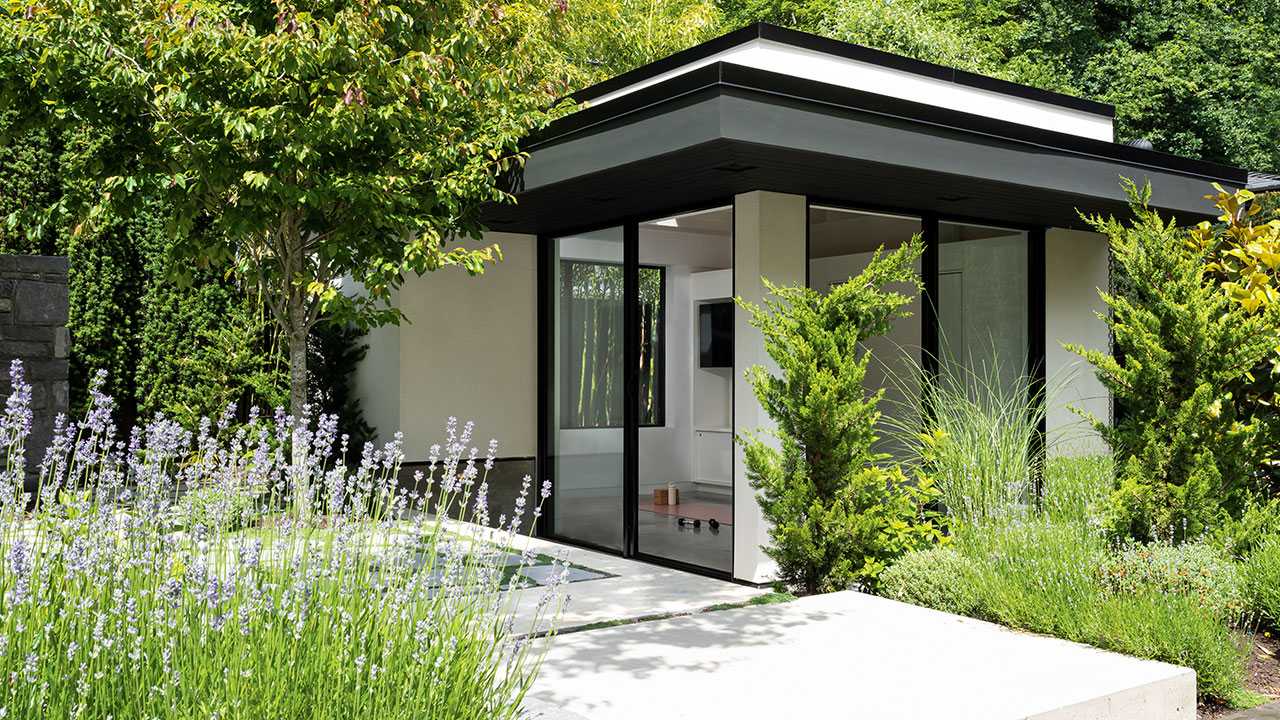
Layering textures is the secret ingredient to creating the ultimate green oasis in your home or garden. By mixing various materials like lush foliage, smooth stones, and soft fabrics, you can craft a visually appealing and serene environment. Think about combining different plant shapes and sizes, incorporating decorative elements, and playing with natural and synthetic materials. This harmonious blend not only adds depth and interest but also enhances the overall ambiance. Whether you’re sprucing up a small balcony or a spacious backyard, mastering the art of layering textures can transform your space into a tranquil retreat. Let’s explore how you can effortlessly achieve this lush, inviting atmosphere right in your own backyard!

“`html
Layering Textures to Hack the Ultimate Green Oasis
Creating a stunning green oasis in your outdoor space is all about layering textures. This concept involves blending different materials, colors, and plant varieties to create harmony and depth. A well-layered garden can provide visual interest and a peaceful atmosphere. Let’s dive into the various elements that contribute to building this perfect oasis.
Understanding Textures in Your Garden
Texture refers to the surface quality of different materials. In gardening, this can range from the roughness of bark to the softness of foliage. Incorporating varied textures creates a rich environment.
- Smooth textures: think of glossy leaves or polished stones.
- Rough textures: consider coarse burlap or rugged tree trunks.
- Soft textures: this includes fluffy flowers or soft moss.
By mixing these textures, you can create an inviting space that feels alive. Let’s take a closer look at how to achieve this.
Choosing the Right Plants
When selecting plants for your green oasis, consider their textures. Plants can vary widely in their leaf shapes and structures. Here are some popular options:
- Ferns: soft and feathery, perfect for layering with sturdier plants.
- Succulents: smooth and fleshy, they add a unique touch.
- Grasses: crisp and grassy textures bring movement.
Combine these with flowering plants that have different petal textures. This diverse plant selection will enhance the visual appeal and create depth.
Incorporating Hardscapes
Hardscapes are the non-plant elements of your oasis. These include pathways, rocks, and garden furniture. They can establish structure and support the layering of textures.
Choosing Pathways
Opt for materials like:
- Natural stone: adds warmth and organic feel.
- Gravel: creates a soft crunch underfoot.
- Wooden planks: offer a natural, rustic touch.
Each material will alter the texture of your space and invite exploration.
Using Decorative Rocks
Rocks can provide an earthy element. They can be arranged in clusters or as individual accents, showcasing their rough texture against softer plants. Consider:
- River stones: smooth and polished, they add elegance.
- Lava rocks: bring a dramatic, jagged texture.
Mixing these options can create a striking contrast in your garden.
Layering Heights for Depth
Layering is key to achieving a beautiful green oasis. Vary the heights of your plants and structures to create depth. Taller plants like sunflowers can stand proudly at the back, while shorter ferns can fill in the front.
Creating Focal Points
Focal points draw the eye and anchor the garden. Consider a large sculpture or a unique tree. Surround it with textures that complement its presence. Use contrasting plants or hardscapes to emphasize the focal point.
Using Vertical Space
Don’t forget about vertical gardening! Adding trellises or hanging planters can introduce new layers without taking up much ground space.
- Climbing vines: these can create soft drapes of greenery.
- Hanging flowers: bring bursts of color and movement.
Utilizing vertical space will enhance your oasis even more.
Utilizing Color to Enhance Texture
Colors can change how we perceive texture. Dark shades can make surfaces seem rougher, while light tones can soften even the most rugged materials.
- Warm colors: reds, oranges, and yellows evoke warmth.
- Cool colors: blues and greens often feel calming.
Mixing colors with different textures can create layers that are visually appealing. Select plant colors that complement each other for a well-rounded look.
Adding Soft Furnishings
Incorporate soft furnishings like cushions and throws to soften hard surfaces. Choose fabrics that are durable enough for outdoor use yet bring comfort to your oasis.
- Throw pillows: add pops of color and comfort to seating areas.
- Outdoor rugs: define spaces while offering a soft area to sit.
These elements can significantly contribute to the overall texture of your space.
Building a Sense of Privacy
Creating a secluded oasis can enhance the experience of your garden. Use plants with varied textures to create natural barriers.
- Hedges: dense and tall, they provide privacy.
- Climbing plants: grow them on trellises for added coverage.
Think about how these layers can work together to create a peaceful retreat.
Maintenance of Your Textured Garden
To keep your green oasis thriving, regular maintenance is essential. This includes watering, pruning, and checking for pests. Layered gardens can require different care based on the textures you select.
- Watering schedules: understand the needs of each plant.
- Pruning: helps maintain the distinct shapes and structures.
- Pest control: check for signs of trouble to keep plants healthy.
Taking the time to maintain your garden will ensure it remains vibrant and inviting.
Seasonal Considerations
Your oasis will change with the seasons. This offers an opportunity to refresh your garden’s textures. Look for seasonal plants that can provide variety.
- Spring blooms: bring color and excitement to awakening gardens.
- Winter elements: evergreen plants maintain texture year-round.
Consider how each season can change the atmosphere of your green oasis.
Creating a Sustainable Oasis
Think about sustainability in your textured oasis. Choose native plants that can thrive in your area without excessive care.
- Native grasses: require less water and offer unique textures.
- Perennials: return every year, providing lasting texture.
This approach helps to sustain the environment while enhancing your oasis.
By focusing on layering textures, you can create a stunning green oasis that is not only beautiful but also inviting. From selecting the right plants to enhancing your space with hardscapes and furnishings, each element plays a crucial role.
Incorporating a variety of textures, colors, and heights creates depth and visual interest. Remember to keep maintenance a priority to ensure your oasis remains a peaceful retreat. With thoughtfulness and creativity, you can build a space that feels like a serene escape in your own backyard.
“`
Do you want to better your life? #philippines #angelescity #expat #pampanga #travelvlog
Frequently Asked Questions
What are the benefits of layering textures in a garden?
Layering textures in a garden enhances visual interest and creates a more dynamic landscape. Different textures can complement each other, adding depth and richness to your outdoor space. By combining smooth leaves, coarse bark, and spiky plants, you create a more inviting and complex environment that draws the eye and engages the senses.
How can I choose the right plants for texture layering?
Selecting a variety of plants with different foliage shapes, sizes, and colors is essential for effective texture layering. Look for plants that have smooth, glossy leaves alongside those with rough or hairy surfaces. Consider adding plants with unique forms, such as upright grasses or sprawling groundcovers, to create a balanced and diverse textural palette.
What should I consider when planning the layout for texture layering?
When planning your layout, think about the height and growth habits of your plants. Place taller plants at the back or center of the garden bed, and gradually work down to shorter varieties at the edges. Also, consider how the plants will interact with sunlight and shade, ensuring that each plant receives adequate light while still allowing others to flourish.
Can I use non-plant elements to enhance texture in my garden?
Yes, incorporating non-plant elements can significantly enhance the textural experience in your garden. Use materials like stone, gravel, wood, and metal for hardscaping. Decorative features such as trellises, sculptures, or water features add additional dimensions and create focal points that enrich the overall atmosphere.
How do seasonal changes affect the textures in my garden?
Seasonal changes bring a natural variety to your garden’s textures. Different plants will showcase unique features at various times of the year, with some blooming while others may provide colorful foliage. By selecting both evergreen and seasonal plants, you maintain interest and texture throughout the year, making your space feel alive and dynamic regardless of the season.
Final Thoughts
Layering textures to hack the ultimate green oasis creates a visually appealing and tranquil environment. By combining various materials like plants, stones, and water features, you achieve a harmonious balance that invites relaxation.
Incorporating diverse elements not only adds depth but also enhances the overall aesthetic of your space. Embrace the art of layering textures to hack the ultimate green oasis and cultivate a serene retreat in your home.