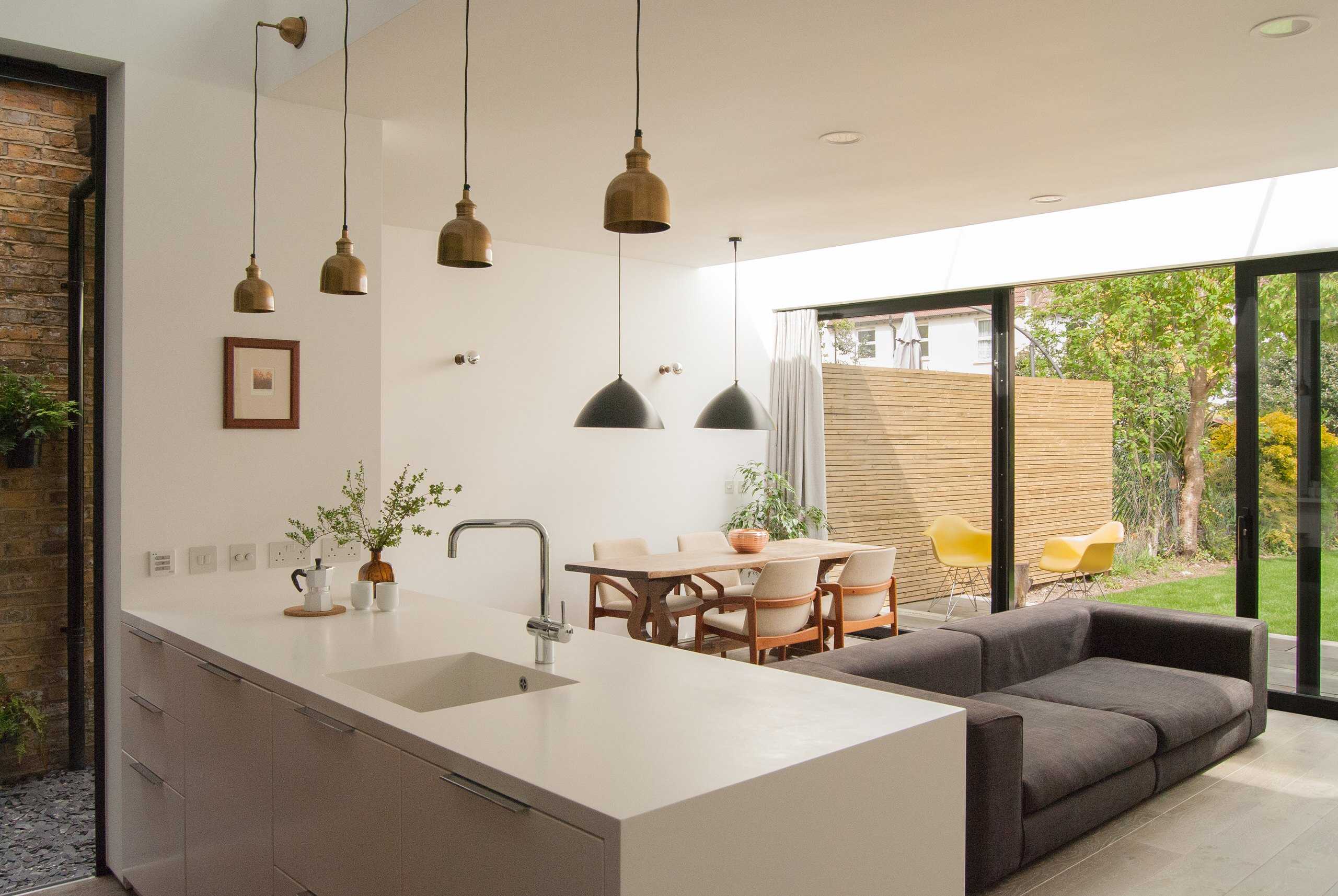
Looking to transform your open concept kitchen into a bright, inviting space? The right lighting can do wonders, creating zones for cooking, dining, and entertaining while enhancing the overall ambiance. The key is layering different types of lighting—like pendant lights over the island, under-cabinet fixtures for task lighting, and warm ambient lights to set the mood. Thoughtfully chosen fixtures not only improve functionality but also add style and personality to your space. When well-planned, lighting can make your open kitchen feel cozy and welcoming, even in large, airy layouts. From modern pendant styles to subtle recessed lighting, there are countless ideas to illuminate your space beautifully. Keep reading for creative lighting tips that will make your open concept kitchen shine.
A great lighting plan for open concept kitchens combines task, ambient, and accent lighting to create a balanced and versatile environment. By layering different light sources and choosing fixtures that complement your decor, you can enhance both the utility and aesthetic appeal of your space in a seamless way.
If you want your open concept kitchen to be both functional and stylish, start with a well-thought-out lighting scheme that divides the space into comfortable zones, adds visual interest, and ensures proper illumination for everyday tasks.

Lighting Ideas for Open Concept Kitchens
Understanding the Importance of Lighting in Open Concept Kitchens
Lighting plays a crucial role in making your open space functional and inviting. Proper lighting not only improves visibility but also sets the mood of the entire area. Since open kitchens combine cooking, dining, and living spaces, each area needs tailored lighting solutions. Well-planned lighting creates a harmonious flow and highlights different zones for maximum convenience.
Layered Lighting: The Key to a Well-Designed Open Kitchen
Layered lighting involves combining different types of light sources to achieve a balanced and adaptable space. This approach includes ambient, task, and accent lighting, each serving a specific purpose.
Ambient Lighting
Ambient lighting provides overall illumination for the entire kitchen. It ensures the space is bright enough for everyday activities and creates a welcoming atmosphere. Common options include ceiling-mounted fixtures, recessed lights, or LED panels.
Task Lighting
Task lighting focuses on specific work areas where detailed activities take place. Think under-cabinet lights over countertops, pendant lights above islands, or track lighting over the sink. Bright, focused lights help prevent eye strain during cooking or food prep.
Accent Lighting
Accent lighting adds visual interest by highlighting certain features such as a decorative backsplash or open shelving. Use small spotlights or LED strip lights for a subtle glow. This type of lighting enhances the aesthetic appeal and creates depth within the space.
Choosing the Right Fixtures for Open Concept Kitchens
Selecting fixtures that match your style and functional needs is essential. The right fixtures can blend seamlessly into your space, making it look cohesive and stylish.
Pendant Lights
Pendant lights are ideal over kitchen islands or breakfast bars. They come in various styles, from modern glass globes to rustic metal designs. Consider adjustable pendants to customize the height and illumination.
Recessed Lighting
Recessed lights, also known as can lights, provide a clean and uncluttered look. They distribute light evenly across the ceiling without obstructing sightlines. Use dimmable recessed fixtures to control brightness during different times of the day.
Chandeliers and Unique Fixtures
A statement chandelier can add elegance and personality to your open kitchen. Choose a fixture that complements your decor style, whether modern, farmhouse, or rustic. Unique fixtures serve as focal points and can bring a touch of personality to your space.
Maximizing Natural Light in Open Concept Kitchens
Natural light helps make the space feel larger and more inviting. Maximize the light coming through windows by keeping window areas clear and using light-colored window treatments. Consider adding skylights or solar tubes if possible for increased daylight.
Strategic Placement of Windows and Openings
Position windows to allow the maximum amount of sunlight to enter the space. Using glass doors or partial walls with large openings can improve light flow between areas. This creates a bright, airy environment during daytime hours.
Using Light-Colored Surfaces and Reflective Materials
Opt for light-colored countertops, cabinets, and backsplashes to reflect natural light. Incorporate reflective surfaces like glossy tiles or metallic fixtures to bounce light around the room, enhancing the overall brightness.
Smart Lighting Solutions for Flexibility and Efficiency
Smart lighting systems allow you to control brightness and color temperature easily. Use dimmers and remote controls to adjust lighting based on activity or mood.
Installing Dimmable Lights
Adding dimmers provides flexibility, enabling brighter lighting for cooking and softer lighting for evening relaxation. Dimmable LED fixtures are energy-efficient and easy to install.
Using Voice-Controlled and App-Enabled Lighting
Connect your lighting system to a smart home platform for voice commands or app control. This setup allows you to turn lights on or off, adjust brightness, or change colors without moving from the couch.
Color Temperature and Brightness for Different Zones
The right light color and brightness help define different areas within your open plan kitchen.
Warm White Light (2700K-3000K)
Creates a cozy and inviting atmosphere, perfect for dining areas and living zones. It also softens shadows and makes the space feel welcoming.
Cool White Light (3500K-4100K)
Ideal for task areas like countertops and workstations. It provides clear, bright illumination that helps with food prep and cooking.
Adjusting Brightness
Use dimmable fixtures to control the intensity depending on the time of day or activity. For example, bright light during cooking and softer lighting during dinner or relaxing.
Creative Lighting Ideas to Add Style and Functionality
Adding decorative and functional lighting elements gives your open kitchen a unique touch while boosting practicality.
String and Fairy Lights
Use delicate string lights along open shelves or under cabinets to add ambiance. They create a warm, inviting glow during evenings.
LED Strip Lights
Install LED strips under cabinets, along ceiling coves, or within open shelving for a modern look. They’re energy-efficient and customizable in color and brightness.
Pendant Clusters and Multiple Fixtures
Group pendant lights in clusters or arrange them at varying heights for visual interest. Different styles and sizes can add depth and personality to your space.
Maintaining a Cohesive Design with Your Lighting Choices
Choose fixtures and bulbs that complement your overall interior style. Consistency in finishes, colors, and shapes helps create harmony across your open area.
Matching Fixtures to Decor Style
Modern kitchens often favor sleek, minimal lighting fixtures, while rustic spaces benefit from warm metal or wood accents. Match your lighting with your cabinetry and furniture for a cohesive look.
Creating Focal Points with Statement Lighting
Use eye-catching fixtures—such as a bold chandelier or colorful pendant lights—as focal points. They add personality and draw attention to specific areas like the dining table or kitchen island.
Lighting in an open concept kitchen requires balancing function with style. Thoughtful placement and selection of fixtures create a space that is bright, inviting, and easy to use. Incorporate layered lighting, maximize natural sunlight, and add decorative touches to make your kitchen both beautiful and practical. With the right lighting plan, your open space will become a warm hub for cooking, dining, and relaxing.
Interior Design Tips: Dining & Kitchen LIGHTING Do’s and Don’ts!
Frequently Asked Questions
How can pendant lighting enhance the open feel of my kitchen?
Pendant lighting adds visual interest and helps define specific areas within an open-concept layout. Installing pendant lights over an island or breakfast bar creates a focal point and provides targeted illumination. Choosing fixtures that complement your overall design enhances the space’s aesthetic and makes cooking and socializing more comfortable.
What are the best types of lighting layers to use in an open kitchen?
In an open kitchen, combining ambient, task, and accent lighting creates a balanced environment. Overhead ceiling lights or chandeliers provide general illumination, task lighting such as under-cabinet lights brightens work surfaces, and accent lights highlight architectural features or decorative elements. Layering these lighting types ensures versatility and functionality.
How can I incorporate natural light into my open-concept kitchen design?
Maximize natural light by choosing window treatments that allow sunlight to flow freely, such as sheer curtains or blinds. Strategically placing mirrors and reflective surfaces can also bounce daylight around the space. Incorporating glass doors or large windows enhances the connection with outdoor areas and makes the kitchen feel brighter and more inviting.
What should I consider when selecting dimmable lighting for my kitchen?
Dimmable lights give you control over the ambiance and help set the mood for various activities. When choosing dimmable fixtures, ensure they are compatible with your existing switches and dimmer switches. This feature allows you to adjust brightness levels based on the time of day or specific tasks, increasing both comfort and energy efficiency.
Are there specific lighting ideas to define different zones in an open-plan kitchen?
Yes, using different lighting styles and intensities helps visually separate areas such as cooking, dining, and lounging zones. For example, install brighter task lighting over the cooking area, pendant lights or a chandelier over the dining space, and softer, ambient lighting for lounging corners. This approach creates a sense of structure without losing the open feel.
Final Thoughts
Lighting ideas for open concept kitchens enhance both functionality and style. Use layered lighting, combining pendant lights, recessed fixtures, and under-cabinet LEDs to create a balanced ambiance. Incorporate dimmable options to adjust brightness easily for different activities. Focus on fixtures that complement your overall decor, adding warmth and character to the space. Well-planned lighting makes your open kitchen inviting and practical, ensuring every corner is well-lit and comfortable.