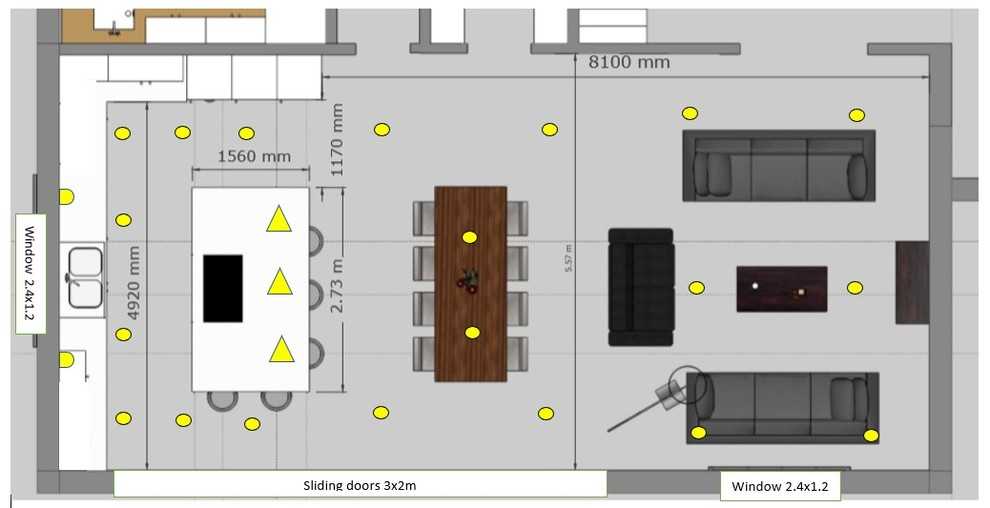
Proper lighting placement in open concept kitchens can transform the space from functional to fabulous, creating a warm, inviting atmosphere while ensuring every corner is well-lit. The key is layering different types of lighting—ambient, task, and accent—to define zones and add depth. Strategically placing pendant lights over islands, recessed lighting in the ceiling, and under-cabinet lights for workspaces helps achieve a balanced, stylish glow. By focusing on both functionality and aesthetics, you can highlight architectural features and make the open space feel cozy yet practical.
In this article, you’ll discover smart tips for placing lighting fixtures in an open-concept kitchen to enhance its design and usability. Learn how to layer various lighting styles for maximum effect and create a harmonious, well-lit environment that suits your lifestyle. Proper placement not only improves visibility but also elevates the overall ambiance of your kitchen.

Lighting Placement for Open Concept Kitchens
Understanding the Importance of Proper Lighting Placement
Proper lighting placement is key to creating a functional and inviting open concept kitchen. Well-placed lights ensure every corner is bright enough for cooking, cleaning, and socializing. It also helps define different zones within your open space, making it feel organized and visually appealing.
Types of Lighting Used in Open Concept Kitchens
Open kitchens typically employ three main types of lighting:
- Ambient lighting provides overall brightness, making the space comfortable and lively.
- Task lighting focuses on specific work areas like countertops and islands.
- Accent lighting adds decorative touches and highlights architectural features or artwork.
Using a combination of these creates a balanced and layered lighting scheme.
Strategic Placement of Main Light Sources
The primary source of ambient light often comes from ceiling fixtures. These can include flush mounts, semi-flush mounts, or recessed lights depending on your ceiling height and style. Position fixtures centrally to evenly distribute light across the entire area, avoiding dark spots.
Choosing the Right Ceiling Fixtures
Select ceiling fixtures that suit your kitchen’s size and ceiling height. For high ceilings, consider pendant lights or chandeliers that add visual interest. For lower ceilings, flush mounts offer a sleek, unobtrusive look that provides ample illumination.
Task Lighting Placement for Work Zones
Proper task lighting is essential for areas where precise work occurs, like countertops, stove, and sink.
Under-Cabinet Lighting
- Install LED strips or puck lights beneath upper cabinets to illuminate the counters.
- Place lights evenly to avoid shadows that could hinder food prep.
Pendant Lights Over Islands and Breakfast Bars
- Hang pendant lights approximately 30 to 36 inches above the island surface.
- Space multiple pendants evenly to avoid clutter and maintain balance.
Over the Stove and Sink
- Use adjustable spotlights or dedicated task fixtures directly focused on these areas.
- Ensure lights are positioned to minimize glare and shadows.
Accent Lighting for Aesthetic Appeal
Accent lights enhance the beauty of your open kitchen by highlighting features like glass cabinets or artwork.
Cabinet and Shelf Lighting
- Install strip lights inside glass-front cabinets to showcase dishes or decor.
- Place small spotlights on open shelves for added dimension.
Wall and Ceiling Washers
- Use wall-mounted fixtures or recessed lights aimed at architectural walls or artwork.
- Ensure the lighting is directed to create a soft glow without causing glare.
Achieving Balance in Lighting Placement
Balance is essential for creating harmony in your open space. Too much light can cause glare, while too little leaves the area dim and uninviting.
Layering Light Sources
- Combine ambient, task, and accent lighting for a layered effect.
- Adjust brightness levels using dimmers to create different moods and functions.
Lighting Zones and Flexibility
- Divide your kitchen into different zones, each with independent lighting controls.
- Use smart lighting systems for easy adjustments based on activity or time of day.
Consideration for Ceiling Height and Room Size
The placement of fixtures varies with ceiling height and room size.
High Ceilings
- Use larger pendant fixtures or chandelier-style lighting for visual balance.
- Layer lighting with multiple fixtures at different heights.
Low Ceilings
- Choose flush mounts or small pendant lights close to the ceiling.
- Avoid fixtures that hang too low to prevent obstruction and improve flow.
Large Open Spaces
- Increase the number of lighting fixtures to ensure even illumination.
- Use wide-field recessed lighting to cover broad areas without cluttering the ceiling.
Color Temperature and Its Effect on Lighting Placement
The color temperature of your lights influences the mood and functionality.
Warm White (2700K-3000K)
Creates a cozy, inviting atmosphere perfect for dining and relaxing. Place warm lights near seating areas for comfort.
Neutral White (3500K-4100K)
Provides clear visibility ideal for cooking and food prep areas. Use in task lighting for better focus.
Cool White (5000K-6500K)
Gives a bright, energetic feel suitable for work zones. Perfect for under-cabinet and overhead lighting.
Safety and Practical Tips for Lighting Placement
Always consider safety when planning lighting placement.
- Ensure all fixtures are rated for kitchen use and moisture-resistant.
- Place switches for different zones within easy reach.
- Use adequate illumination to prevent accidents, especially around the stove and sink.
Proper lighting placement in an open concept kitchen creates a space that is both functional and welcoming. Layering different types of lighting and paying attention to how fixtures are positioned can make a big difference. Focus on balance, safety, and aesthetics to ensure your kitchen is perfectly illuminated for every activity.
Lighting for an Open Concept Kitchen Living Room – Home Lighting Design Ideas – Interior Design
Frequently Asked Questions
How can pendant lighting be used to define different areas within an open kitchen?
Pendant lighting can serve as visual markers that differentiate zones such as the cooking area, dining space, and prep stations. Placing pendants over specific work areas provides functional illumination while adding a decorative element. Varying the sizes and styles of pendants helps emphasize each zone’s purpose, making the open layout more organized and visually appealing.
Where should I position ambient lighting to ensure consistent brightness throughout my open kitchen?
Install ambient lighting fixtures, like recessed lights or ceiling-mounted fixtures, evenly across the entire ceiling to distribute light uniformly. Position these fixtures to minimize shadows and avoid dark corners. Using dimmable options allows you to adjust the brightness based on your needs, creating a comfortable atmosphere for cooking, dining, and socializing.
What lighting strategies can I use to prevent glare while working in an open-concept kitchen?
Choose task lighting that directs light precisely where you need it, such as under-cabinet lights or focused pendants over the countertops. Avoid placing bright light sources directly in your line of sight and opt for fixtures with diffusers or shades that soften the light. Combining different layers of lighting ensures a well-lit workspace without harsh glare.
How does the height of ceiling-mounted fixtures affect lighting in an open kitchen?
The height at which you hang ceiling-mounted fixtures influences the spread and focus of light. Installing fixtures at appropriate heights ensures the light effectively covers work surfaces or dining areas without creating clutter or distracting shadows. For higher ceilings, longer suspension chains help bring fixtures closer to the work areas, enhancing both style and functionality.
Should I consider color temperature when planning lighting placement in my open kitchen?
Yes, selecting the right color temperature enhances the functionality and ambiance of your space. Cooler temperatures (around 4000K-5000K) provide bright, energetic light suitable for cooking and task areas. Warmer temperatures (2700K-3000K) create a cozy atmosphere for dining and relaxing zones. Proper placement combined with suitable color temperatures ensures a balanced and inviting environment.
Final Thoughts
Lighting placement for open concept kitchens plays a crucial role in creating a balanced and inviting space. Use layered lighting with pendant fixtures over islands and task lighting under cabinets to highlight specific areas. Incorporate ambient lighting to ensure the whole room feels warm and welcoming. Properly positioned lighting not only enhances functionality but also adds visual harmony to your design.