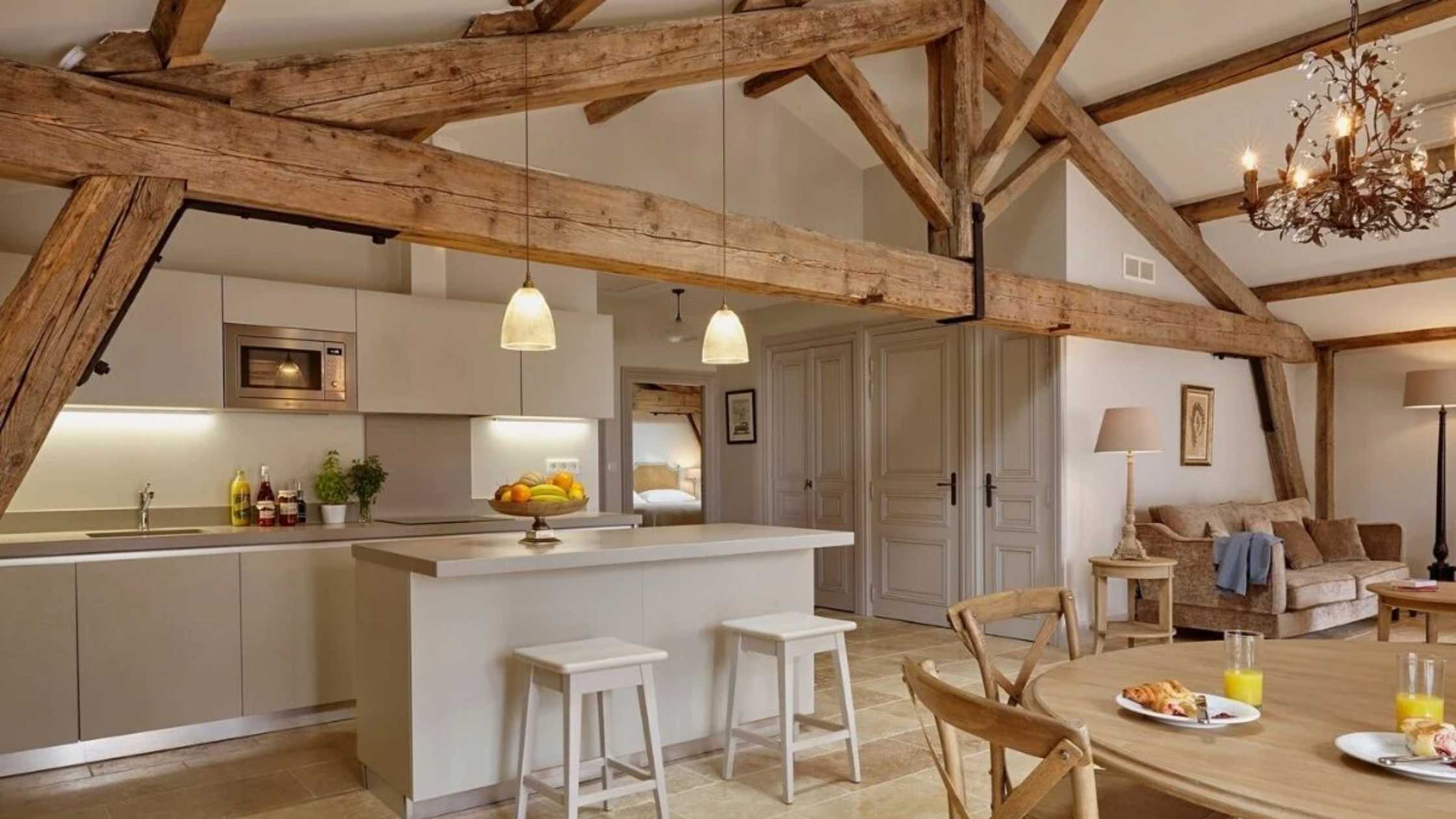
Achieving the perfect lighting for vaulted kitchen ceilings is all about balancing style and functionality to highlight the room’s architectural beauty while providing ample illumination. The key is to avoid dark corners and create a warm, inviting atmosphere that makes cooking and socializing a breeze.
For vaulted ceilings, the best approach is a combination of ambient, task, and accent lighting placed thoughtfully to enhance the space’s height and openness. Use hanging fixtures or pendant lights centered over key areas like the island or dining table, and incorporate recessed or track lighting along the ceiling’s slope to evenly distribute light. Layering different types of lighting ensures the kitchen remains bright and cozy, showcasing its impressive ceiling design without overwhelming it. With the right placement, your vaulted ceiling can become a stunning focal point that elevates the entire kitchen experience.

Lighting Placement for Vaulted Kitchen Ceilings
Lighting plays a crucial role in highlighting the beauty and functionality of a kitchen with vaulted ceilings. Proper placement of lights can make the space feel more open and inviting. It also helps to ensure all areas are well-lit for cooking, cleaning, and gathering.
Understanding Vaulted Ceilings and Their Impact on Lighting
Vaulted ceilings are taller and often have unique angles that add architectural interest. Their height allows for more dramatic lighting options but also presents challenges in achieving even illumination. Choosing the right lighting placement helps balance aesthetics with practicality.
Types of Lighting Suitable for Vaulted Kitchen Ceilings
- Recessed Lights: Perfect for a clean look, these lights sit flush with the ceiling. They provide ambient lighting and can be strategically placed to avoid dark spots.
- Pendant Lights: These are great for adding style and focused lighting over islands or tables. Hanging pendants at different heights adds depth to the space.
- Track Lighting: Flexible and adjustable, track lights can be directed where needed. They are ideal for highlighting specific areas like countertops or artwork.
- Chandeliers: Larger fixtures or multiple smaller chandeliers add elegance and become focal points in the room.
- Wall Washers or Sconces: These can brighten up vertical walls and enhance the verticality of the vaulted ceiling.
Planning the Lighting Layout
Considering the Ceiling’s Height and Pitch
The height of the vaulted ceiling influences the type and placement of your lighting. Higher ceilings often require longer hanging fixtures or more recessed lights to fill the space evenly. The angle or pitch of the ceiling can also dictate how lights are positioned to avoid glare or shadows.
Creating a Layered Lighting Scheme
A layered approach combines ambient, task, and accent lighting. Ambient lights provide general illumination, task lights focus on work areas, and accent lights highlight architectural features. Proper layering ensures the space is functional and visually appealing.
Placement Patterns for Even Light Distribution
- Perimeter Lighting: Install recessed lights along the edges of the vaulted ceiling to fill corners and add warmth.
- Center Fixture: Hang a chandelier or pendant centrally to draw attention and provide key illumination.
- Task Areas: Use adjustable track lights or directional pendants over countertops and islands.
- Vertical Walls: Mount sconces or wall washers to brighten vertical surfaces and add depth.
Height and Spacing Considerations
The distance between lights impacts how evenly the space is lit. Recessed lights should be spaced about 3 to 4 feet apart on large ceilings for uniform coverage. Pendants should be hung at heights that do not obstruct sightlines or hinder conversation.
Choosing the Right Fixtures
Size and Scale
Fixtures should be proportionate to the ceiling height and room size. Large chandeliers suit expansive spaces, while smaller pendants work well in more compact areas.
Design and Style
Select fixtures that complement the kitchen’s decor. Modern minimalism favors sleek, simple designs, while traditional styles may opt for ornate chandeliers or pendant clusters.
Lighting Controls and Smart Technology
Incorporating dimmers and smart controls allows flexibility in lighting levels and ambiance. Voice-activated or remote-controlled lights can adjust the atmosphere easily, especially when multiple fixtures are involved.
Safety and Maintenance Tips
- Ensure proper wiring: Consult a professional electrician to handle complex wiring needs for vaulted ceilings.
- Use appropriate bulbs: Choose bulbs with suitable wattage and color temperature to prevent overheating and create a pleasant environment.
- Regular cleaning: Dust and clean fixtures regularly to maintain brightness and hygiene.
Integrating Natural Light
Maximize the use of skylights or large windows to bring in daylight. Combining natural and artificial lighting creates a bright, cheerful kitchen and reduces energy consumption during the day.
Examples of Effective Lighting Placement
| Area | Best Lighting Solution | Placement Tips |
|---|---|---|
| Kitchen Island | Pendants | Hang at least 30 inches above the surface, spaced evenly across the length of the island. |
| Perimeter Walls | Recessed lights | Place approximately 4 feet apart along the perimeter for even distribution. |
| Cooking Area | Task lighting, such as adjustable track lights | Position directly over countertops and stove for focused illumination. |
| Vertical Walls | Sconces or wall washers | Mount at eye level to add brightness and accentuate height. |
Final Tips for Perfect Lighting Placement
Always prioritize a mix of lighting types to avoid dark or overly bright spots. Test different fixtures and placements during daytime and night to find the best balance. Remember, good lighting enhances not just visibility but also the overall feel of your vaulted kitchen.
Frequently Asked Questions
How should the placement of pendant lights be optimized in a vaulted kitchen ceiling?
To effectively illuminate a vaulted ceiling, hang pendant lights at varying heights to create visual interest and ensure even lighting. Position these fixtures near work areas like the island or countertops, maintaining a balance between filling the volume of the ceiling and providing task lighting. Avoid clustering lights directly under the highest points; instead, stagger their placement to accentuate the ceiling’s architecture and provide ample illumination.
What is the best way to highlight architectural features with lighting in vaulted ceilings?
Use strategically positioned accent or wall-mounted lighting to draw attention to the ceiling’s architectural elements, such as exposed beams or vaulted curves. Installing directional track lighting or adjustable spotlights along the ceiling’s edges allows you to create focal points and highlight specific features, adding depth and character to the space.
How many light fixtures should I install to ensure proper lighting in a vaulted kitchen?
The number of fixtures depends on the size of your kitchen and its layout. For a vaulted ceiling, plan for layered lighting by combining ambient, task, and accent lights. Typically, installing multiple ceiling-mounted fixtures, such as recessed lights spaced evenly, along with pendant or chandelier lighting over key areas, ensures comprehensive illumination that preserves the openness of the space.
What types of lighting are most effective for vaulted ceilings in kitchens?
LED recessed lights work well for general illumination since they can be evenly spaced for a clean look. Pendant lights add style and task lighting, especially over islands or breakfast bars. Additionally, wall sconces or adjustable spotlights can provide accent lighting, highlighting architectural features and creating a warm atmosphere within the space.
How can I ensure balanced lighting without causing glare on my vaulted ceiling?
Use dimmable fixtures and diffuse light sources to create a comfortable ambiance while reducing glare. Position fixtures to avoid direct reflection off shiny surfaces and ensure light is evenly distributed across the room. Combining various lighting layers—ambient, task, and accent—helps achieve a balanced, visually appealing environment.
Final Thoughts
Lighting placement for vaulted kitchen ceilings plays a crucial role in creating a well-lit, inviting space. Use a combination of recessed lights and pendant fixtures to highlight the room’s height and architectural features. Position the lights evenly across the ceiling to avoid shadows and ensure consistent illumination. Proper lighting placement emphasizes the vaulted design while providing functional lighting for cooking and gathering. Ultimately, thoughtful lighting placement enhances both the aesthetic appeal and practicality of your vaulted kitchen ceiling.