
Make your bedroom a cozy, stylish sanctuary with these essential design tips! Learn how to create a personalized space that reflects your style, enhances relaxation, and maximizes functionality, even on a budget.
Creating a bedroom you love doesn’t have to be complicated or expensive. Many of us dream of a beautifully designed bedroom, but staring at a blank canvas can feel overwhelming. Where do you even begin?
Don’t worry! You don’t need to be an interior designer to craft a space that feels like a retreat. We’ll break down the process into simple, actionable steps.
Get ready to transform your bedroom into your favorite room in the house. We’ll cover everything from choosing a style to picking the perfect decor.
How to Make Bedroom Design: Essential Tips for Beginners
Transforming your bedroom into a personal haven is an exciting project. It’s more than just picking out a bedspread; it’s about creating a space that supports your well-being, reflects your personality, and functions beautifully for your everyday life. Whether you’re working with a small apartment nook or a spacious master suite, these essential tips will guide you through making bedroom design simple, stylish, and stress-free.
1. Discover Your Bedroom Style
Before you pick out any paint colors or furniture, take some time to figure out what look and feel you want for your bedroom. Think about what makes you feel relaxed and happy. Do you love the clean, minimalist look, or are you drawn to cozy, rustic vibes?
Consider your lifestyle and how you use your bedroom. Is it purely for sleep and relaxation, or do you also read, work, or get ready there? Your style should support these activities.
Here are a few popular bedroom styles to get your inspiration flowing:
- Minimalist: Clean lines, neutral colors, uncluttered surfaces, and functional furniture. Think simplicity and order.
- Bohemian (Boho): Eclectic, free-spirited, and colorful. It often features natural textures, layered patterns, and a mix of vintage and global-inspired pieces.
- Scandinavian: Bright, airy, and functional. Characterized by light wood tones, white walls, cozy textiles, and simple, practical furniture.
- Modern Farmhouse: A blend of rustic charm and contemporary clean lines. Often includes natural wood, metal accents, shiplap, and a neutral color palette.
- Coastal: Light, breezy, and serene. Uses soft blues, greens, and sandy neutrals, with natural materials like rattan and linen.
Take a peek at Pinterest boards, interior design magazines, or even Instagram for inspiration. Save images that catch your eye. You might start to see a pattern in the colors, textures, and overall mood you’re drawn to.
2. Create a Bedroom Mood Board
Once you have an idea of your preferred style, it’s time to bring those ideas together visually. A mood board is a fantastic tool for consolidating your inspiration and ensuring all your design elements work harmoniously.
You can create a physical mood board by cutting out images from magazines and pasting them onto a large sheet of paper or corkboard. Alternatively, use digital tools like Pinterest, Canva, or even a simple document to gather images of furniture, color palettes, textures, and decor items you love.
Your mood board should include:
- Inspirational room photos
- Color swatches or paint chips
- Examples of furniture styles
- Fabric textures (e.g., linen, velvet, chunky knits)
- Accessory ideas (e.g., artwork, plants, lighting)
This visual collection will be your design blueprint, helping you make consistent choices and avoid impulse buys that don’t fit your vision.
3. Plan Your Bedroom Layout and Functionality
A well-designed bedroom is as practical as it is beautiful. Before buying anything, think about how you’ll use the space and plan the layout accordingly. Measure your room and any existing furniture you plan to keep.
Consider the focal point of your room. Often, this is the bed, but it could also be a window with a great view or a beautiful piece of art. Arrange your furniture to complement this focal point.
Key considerations for your layout:
- Bed Placement: Ideally, the bed should be placed against a wall where you can see the door without being directly in line with it. This creates a sense of security.
- Traffic Flow: Ensure there’s enough space to walk comfortably around the bed and other furniture. Aim for at least 2-3 feet of clearance.
- Functionality: If you have space, consider adding zones for reading, dressing, or working. A small desk in a corner or a comfortable armchair can enhance the room’s utility.
- Scale of Furniture: Choose furniture that is appropriately sized for your room. Oversized pieces can make a small room feel cramped, while tiny furniture can look lost in a large space.
A simple floor plan sketch can be incredibly helpful. You can use graph paper or even free online room planner tools to experiment with different arrangements before moving heavy furniture.
4. Choose Your Color Palette
Color has a powerful impact on mood and perception. For bedrooms, soft, calming colors are often the best choice to promote relaxation and sleep. However, you can also incorporate bolder hues strategically to add personality.
Start with a base color for your walls. Neutrals like white, cream, beige, or soft grays are versatile and create a serene backdrop. You can then add accent colors through bedding, curtains, rugs, and decor.
A common and effective approach is the 60-30-10 rule:
- 60% Primary Color: This is usually your wall color.
- 30% Secondary Color: Used for furniture, curtains, or a rug.
- 10% Accent Color: Sprinkled in through accessories like pillows, artwork, or small decorative items.
Think about the psychological effects of colors. Blues and greens are known for their calming properties, while warmer tones like soft yellows or muted oranges can add a cozy, welcoming feel.
For a comprehensive guide on color psychology in interior design, resources like the Color Psychology website offer valuable insights into how colors affect our emotions and behavior.
5. Select Your Bedding and Textiles
Bedding is one of the easiest and most impactful ways to change the look and feel of your bedroom. It’s also a key element in creating a comfortable and inviting space.
When choosing bedding, consider both aesthetics and comfort. Think about:
- Material: Opt for breathable, soft fabrics like cotton, linen, or bamboo for sheets. For duvets and blankets, consider materials that suit your climate and preference for warmth.
- Color and Pattern: This is where you can really inject your personality. Whether you prefer solid colors, subtle patterns, or bold prints, choose something that complements your overall color scheme.
- Layering: Layering different textures and weights of blankets, throws, and pillows adds depth, visual interest, and coziness.
Don’t forget other textiles like curtains, rugs, and throw pillows. These elements add warmth, absorb sound, and complete the layered look of your room. A plush rug can make stepping out of bed in the morning much more pleasant.
6. Lighting is Key
Good lighting can completely transform the ambiance of your bedroom. It’s not just about having one overhead light; it’s about creating layers of light that serve different purposes and moods.
Consider these types of lighting:
- Ambient Lighting: This is the general illumination of the room, typically from an overhead fixture. Choose a fixture that matches your style and provides soft, diffused light. A dimmer switch is a great addition to control the intensity.
- Task Lighting: This includes lights for specific activities, such as reading. Bedside lamps or wall-mounted reading lights are perfect for this.
- Accent Lighting: This is used to highlight specific features, like artwork or architectural details. Small lamps on a dresser or a string of fairy lights can add a cozy touch.
When choosing light bulbs, consider their color temperature. Warm white (around 2700K) is generally best for bedrooms as it creates a cozy and relaxing atmosphere. For more information on light bulb types and their uses, consult resources like Energy.gov’s lighting guide.
7. Add Personal Touches and Decor
This is where your bedroom truly becomes yours! Decor and personal touches are what make a space feel unique and lived-in.
Think about what makes you happy and bring those elements into your room:
- Artwork: Choose pieces that resonate with you. It could be a single large statement piece or a gallery wall of smaller prints.
- Plants: Greenery adds life, color, and can improve air quality. Choose low-maintenance plants suitable for indoor environments.
- Mirrors: Mirrors can make a room feel larger and brighter by reflecting light. Place them strategically to maximize their effect.
- Photos: Displaying cherished photos adds a personal and sentimental touch.
- Decorative Objects: Curate a few items that you love, such as sculptures, vases, or candles. Avoid clutter; less is often more.
Remember to tie your decor back to your overall style and color palette. Even small items can make a big difference in creating a cohesive and inviting atmosphere.
8. Storage Solutions for a Tidy Room
A beautiful bedroom can quickly lose its appeal if it’s cluttered. Effective storage is crucial for maintaining a peaceful and organized space.
Consider smart storage solutions that blend seamlessly with your decor:
- Under-Bed Storage: Utilize drawers or bins that slide neatly under your bed for stashing extra linens, seasonal clothing, or shoes.
- Nightstands with Drawers: Choose nightstands that offer storage space to keep essentials like books, chargers, and lotions out of sight.
- Wardrobe or Dresser: Invest in furniture that provides ample storage for your clothes and accessories. If space is limited, consider vertical storage solutions.
- Wall Shelves: Floating shelves are a stylish way to store books, display decor, or keep frequently used items within reach without taking up floor space.
- Decorative Baskets and Boxes: These are excellent for organizing smaller items like remotes, mail, or personal care products.
Keeping your bedroom tidy will not only make it look better but also contribute to a more relaxed state of mind.
9. Consider the Senses: Beyond Visuals
A truly serene bedroom engages more than just sight. Think about how you can appeal to other senses to enhance the overall experience.
- Scent: A subtle, pleasant aroma can be very calming. Consider a diffuser with essential oils like lavender or chamomile, or a lightly scented candle.
- Sound: Minimize disruptive noise with good insulation or by using soft furnishings like rugs and curtains that absorb sound. White noise machines or calming playlists can also be beneficial.
- Touch: Focus on soft, comfortable textures in your bedding, rugs, and any upholstery. The feel of materials contributes significantly to the sense of comfort.
Engaging multiple senses can elevate your bedroom from just a place to sleep to a true sanctuary for rest and rejuvenation.
Bedroom Design Essentials: A Quick Reference
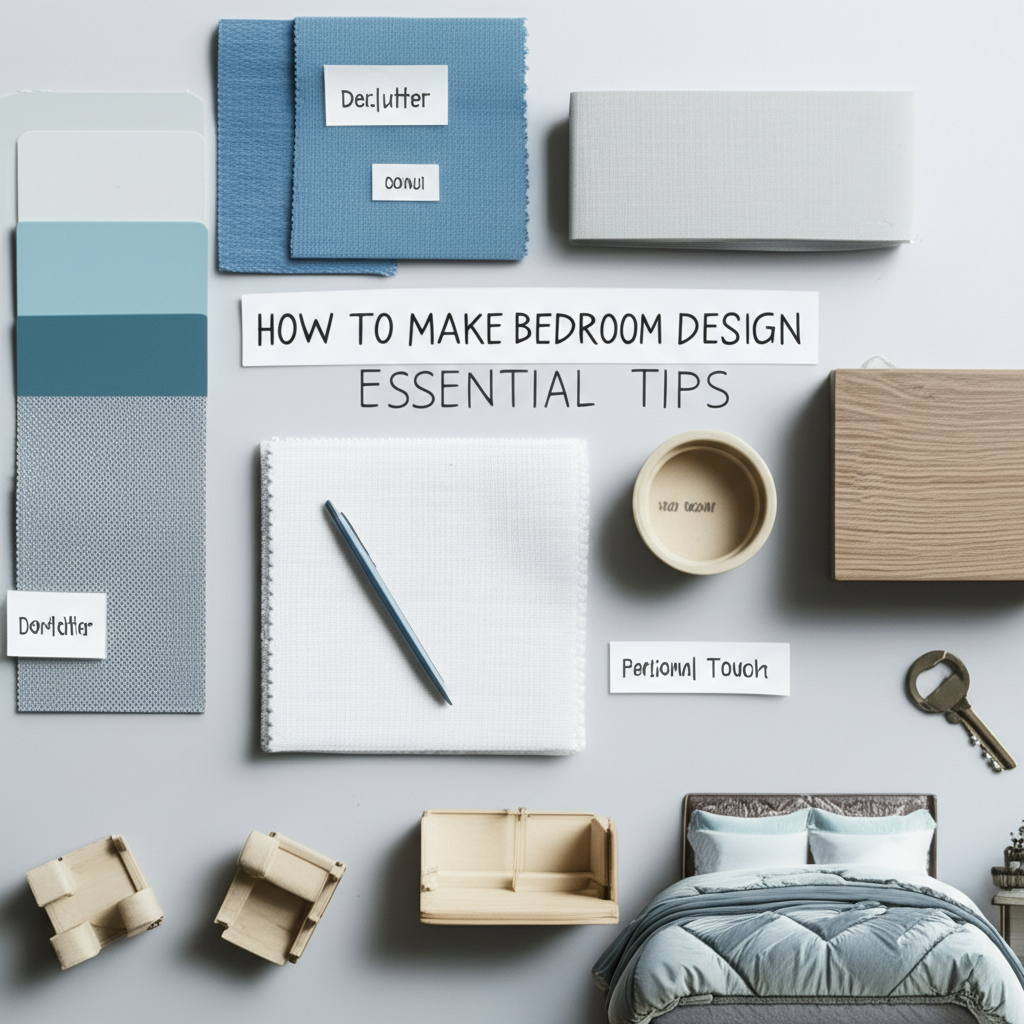
To help you visualize how these elements come together, here’s a table outlining essential components and considerations for bedroom design:
| Element | Key Considerations | Beginner Tips |
|---|---|---|
| Style | Personal preference, desired mood (calm, cozy, energetic) | Start with 1-2 styles you love; use mood board. |
| Color Palette | Wall color, accent colors, mood impact | Use neutrals as a base; add color with accessories. |
| Furniture | Bed, nightstands, dresser, seating (if space allows) | Measure space; choose proportionate sizes; prioritize function. |
| Bedding & Textiles | Sheets, duvet, pillows, curtains, rug | Focus on comfort and texture; layer for coziness. |
| Lighting | Ambient, task, accent lighting; dimmer switches | Layer lighting; use warm bulbs for a cozy feel. |
| Decor & Accessories | Artwork, plants, mirrors, personal items | Choose items that bring joy; avoid clutter. |
| Storage | Under-bed, drawers, shelves, baskets | Keep surfaces clear; use hidden storage for tidiness. |
Budget-Friendly Bedroom Design Hacks
You don’t need a huge budget to create a stylish bedroom. Many transformations can be achieved with a little creativity and smart shopping.
- DIY Projects: Paint an old dresser, create your own artwork, or build simple shelves.
- Thrift Stores and Flea Markets: Hunt for unique furniture pieces and decor items at bargain prices.
- Sales and Discounts: Keep an eye out for seasonal sales on bedding, furniture, and decor.
- Rearrange Existing Furniture: Sometimes, a fresh layout can make your room feel entirely new.
- Focus on Key Pieces: Invest in a few high-quality items that make a big impact, like a comfortable mattress or a stylish rug, and save on smaller accessories.
- Swap Out Accessories: Changing throw pillows, a duvet cover, or curtains is a relatively inexpensive way to update your room’s look.
Frequently Asked Questions About Bedroom Design
Q1: What is the most important element in bedroom design?
A1: The most important element is creating a space that promotes rest and relaxation. This involves comfortable bedding, calming colors, and a layout that feels serene and functional for your needs.
Q2: How do I choose the right size furniture for my bedroom?
A2: Measure your room carefully and consider the scale of the furniture. Leave ample walking space (at least 2-3 feet) around the bed and other major pieces. Furniture should feel proportionate to the room’s size.
Q3: What colors are best for a relaxing bedroom?
A3: Soft, muted, and cool tones are generally best for relaxation. Think light blues, greens, grays, lavenders, and warm neutrals like beige or cream.
Q4: How can I make a small bedroom feel bigger?
A4: Use light colors on walls and furniture, incorporate mirrors to reflect light, choose furniture with legs to create an open feel, and keep clutter to a minimum with smart storage solutions.
Q5: Is it okay to mix patterns in my bedroom?
A5: Absolutely! Mixing patterns can add personality and depth, but it’s best to stick to a consistent color palette across the patterns and vary their scale (e.g., a large floral with a smaller geometric).
Q6: How much should I spend on bedroom decor?
A6: This varies greatly depending on your budget and priorities. Prioritize key items like a good mattress and bedding for comfort. For decor, start small with accessories and gradually add pieces as your budget allows, focusing on items you truly love.
Conclusion
Designing your bedroom should be an enjoyable process, not a daunting one. By following these essential tips, you can create a space that is both beautiful and functional, a true reflection of your personal style and a sanctuary for rest. Remember to start with your vision, plan your layout, choose calming colors, and layer in textures and personal touches.
Don’t be afraid to experiment and have fun with it! Your bedroom is your personal retreat, so make it a place you love to come home to. With these practical steps and creative ideas, you’re well on your way to crafting the bedroom of your dreams, no matter your space or budget. Happy decorating!