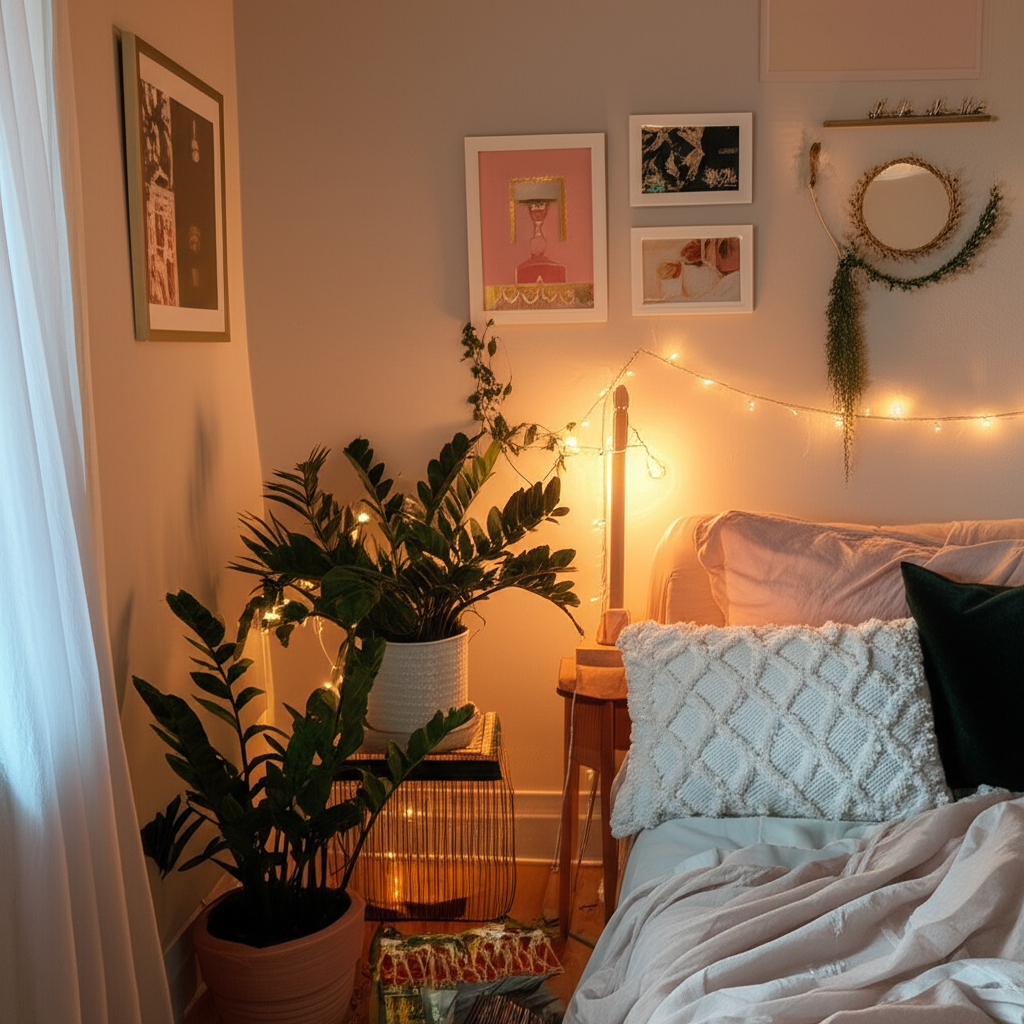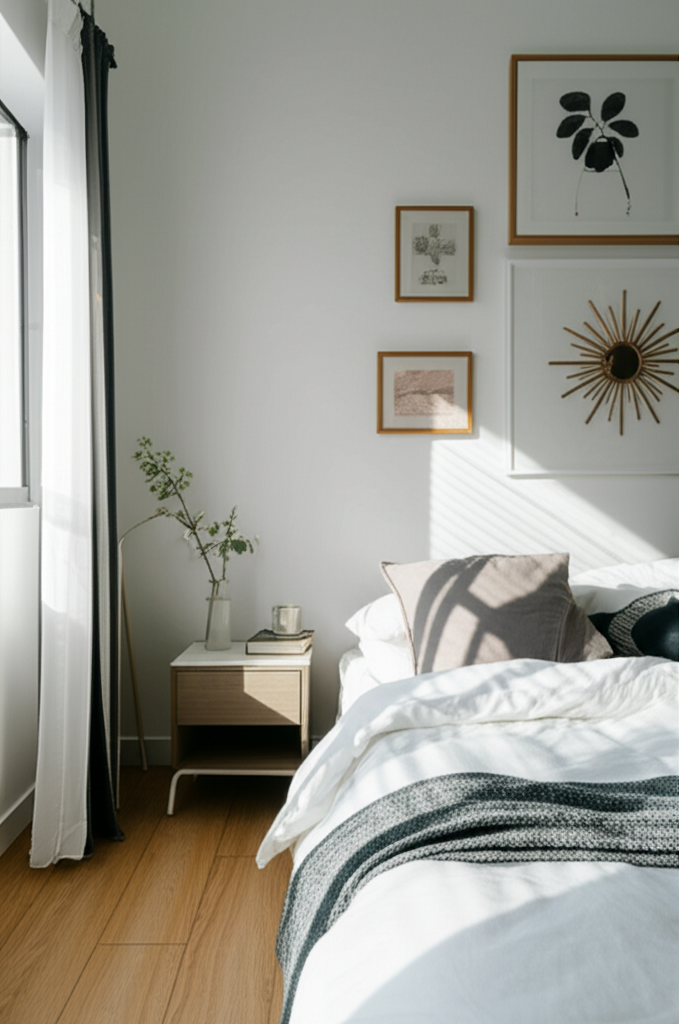
Make your room aesthetic by decluttering, choosing a cohesive color palette, strategically arranging furniture, and adding decorative elements like plants, art, and soft lighting. This guide breaks down each step to create a stylish and inviting space you’ll love.
Feeling like your room is a bit… blah? You’re not alone! Many of us dream of a space that feels like a cozy sanctuary or a vibrant hub, but don’t know where to start. It’s easy to feel overwhelmed by all the inspiration out there, wondering how to make it happen in your own home, especially on a budget or with limited space.
But creating an aesthetic room doesn’t require a massive budget or professional design skills. It’s all about making smart choices and adding personal touches. We’ll walk through simple, actionable steps to transform your room into a stylish haven that reflects your personality.
Get ready to discover how easy it can be to make your room look amazing, step by step!
How to Make Your Room Aesthetic: Essential Steps
Creating an aesthetic room is about more than just throwing pretty things around. It’s about crafting an atmosphere that feels good to you. Whether you’re aiming for a minimalist vibe, a cozy bohemian feel, or a sleek modern look, the core principles are the same. Let’s dive into the essential steps to make your room aesthetic, step by step.
Step 1: Declutter and Deep Clean
Before you even think about new decor, the most crucial step is to declutter. A cluttered room can make any space feel chaotic and less appealing, no matter how stylish the items are. Think of this as creating a blank canvas for your aesthetic vision.
- Assess Everything: Go through your belongings with a critical eye. Ask yourself if you truly need, use, or love each item.
- Sort into Piles: Create categories like “Keep,” “Donate,” “Sell,” and “Trash.” Be honest with yourself about what you can let go of.
- Organize What Remains: Use storage solutions like baskets, bins, and drawer organizers to keep your essentials tidy and out of sight. This is key for maintaining a serene environment.
- Deep Clean: Once decluttered, give your room a thorough cleaning. Dust surfaces, vacuum or mop floors, clean windows, and refresh textiles like curtains and bedding. A clean space instantly feels more inviting and aesthetically pleasing.
A tidy room not only looks better but also makes you feel more relaxed and in control. It’s the foundation upon which all other aesthetic choices will be built.
Step 2: Choose Your Aesthetic and Color Palette
What “aesthetic” are you going for? This is where you define the mood and style of your room. Think about what inspires you – nature, vintage finds, modern art, or a specific color scheme. This will guide your decor choices.
Once you have a general idea, narrow down your color palette. A cohesive color scheme is one of the easiest ways to make a room feel intentional and stylish. Aim for 2-3 main colors and 1-2 accent colors.
Popular Aesthetic Styles to Consider:
- Minimalist: Clean lines, neutral colors, uncluttered surfaces, functional pieces. Think whites, grays, and natural wood tones.
- Bohemian (Boho): Eclectic, layered, and relaxed. Features natural textures, vibrant colors, plants, and global-inspired patterns.
- Mid-Century Modern: Organic shapes, clean lines, and a mix of natural and man-made materials. Often uses teak, walnut, and pops of color like mustard yellow or teal.
- Scandinavian: Bright, airy, and functional. Focuses on simplicity, light wood, white, and cozy textures.
- Industrial: Raw materials like exposed brick, metal, and wood. Often features a darker, moodier palette with functional, utilitarian pieces.
For beginners, picking a palette from an existing room you love or using online tools like Coolors.co can be incredibly helpful. These tools allow you to generate and explore color combinations easily. If you’re drawn to minimalist styles, you might also enjoy exploring minimal decor ideas for kitchens to see how simplicity translates across rooms.
Step 3: Furniture Placement and Functionality
How you arrange your furniture significantly impacts the flow and feel of your room. The goal is to create a space that is both functional and visually appealing.
- Define Zones: If your room serves multiple purposes (e.g., sleeping and working), arrange furniture to create distinct zones. Use rugs or furniture placement to visually separate areas.
- Focal Point: Identify a focal point in your room – this could be a window with a view, a fireplace, or even a statement piece of furniture. Arrange other items to draw attention to it.
- Traffic Flow: Ensure there’s enough space to move around comfortably. Avoid blocking doorways or creating awkward pathways. A good rule of thumb is to leave at least 2-3 feet for main walkways.
- Scale and Proportion: Make sure your furniture pieces are appropriately sized for your room. Oversized furniture can make a small room feel cramped, while too-small pieces can get lost in a large space.
Consider the “conversation areas” in your living space. Arrange seating so that people can easily talk to each other without shouting. For bedrooms, prioritize a comfortable and inviting bed as the central piece.
Step 4: Wall Decor and Art
Walls are prime real estate for expressing your style and adding personality. Don’t leave them bare!
- Gallery Wall: A popular choice for an aesthetic look. Mix and match prints, photos, and even small objects. Vary frame sizes and styles for an eclectic feel, or keep them uniform for a more curated look.
- Large Statement Piece: A single, large piece of art or a mirror can make a significant impact and serve as a focal point.
- Tapestries or Macrame: These add texture and a bohemian or cozy vibe.
- Shelving: Floating shelves or decorative bookshelves can display books, plants, and decorative items, adding visual interest and storage.
- Color and Texture: Consider painting an accent wall in a bold color or using textured wallpaper to add depth and character.
When hanging art, remember the rule of thumb: the center of the artwork should be at eye level (around 57-60 inches from the floor). For gallery walls, start with your largest piece and build around it. For more inspiration on wall styling, check out these kitchen wall art ideas that prove even small spaces can make a big visual impact.
Step 5: Lighting is Key
Lighting can completely transform the mood of a room. Harsh overhead lighting can feel sterile, while layered lighting creates warmth and ambiance.
- Ambient Lighting: This is the general illumination of the room, usually provided by overhead fixtures or floor lamps.
- Task Lighting: Focused light for specific activities, like a reading lamp next to a chair or a desk lamp.
- Accent Lighting: Used to highlight artwork, architectural features, or plants. Think small spotlights or picture lights.
- Dimmers: Installing dimmers on your main lights allows you to control the intensity and mood of the room throughout the day.
- Warm Bulbs: Opt for light bulbs with a warmer color temperature (around 2700K-3000K) for a cozier feel.
Consider adding string lights or fairy lights for a touch of magic and a soft glow, especially in bedrooms or cozy nooks. Smart bulbs are also a great option, allowing you to change colors and brightness from your phone.
Step 6: Textiles and Soft Furnishings
Soft furnishings are where you can really inject comfort and personality into your room. They add texture, color, and warmth.
- Rugs: A rug can anchor a space, define zones, and add significant visual interest and comfort underfoot. Choose a size that fits your space well – it should be large enough to have the front legs of your main furniture pieces resting on it.
- Cushions and Throws: Layering cushions on sofas, chairs, or your bed adds comfort and allows you to play with patterns and textures. Throws can drape over furniture for an extra touch of coziness.
- Curtains: Window treatments aren’t just for privacy; they add softness, color, and can influence how light enters the room. Consider lighter fabrics for a breezy feel or heavier drapes for a more luxurious look.
- Bedding: For bedrooms, beautiful bedding is paramount to an aesthetic feel. Choose sheets, duvet covers, and pillows that align with your color palette and desired comfort level.
Mixing textures is a great way to add depth. Think about combining a chunky knit throw with a velvet cushion, or a natural fiber rug with smooth linen curtains.
Step 7: Add Greenery and Natural Elements
Plants are a game-changer for any room. They bring life, color, and a sense of calm. Even if you don’t have a green thumb, there are low-maintenance options.
- Choose the Right Plants: For beginners, consider low-maintenance plants like snake plants, ZZ plants, pothos, or spider plants. They tolerate a range of conditions and don’t require constant attention.
- Potting and Placement: Select attractive pots that complement your decor. Place plants where they can receive appropriate light and add visual interest – on shelves, tables, or the floor.
- Other Natural Elements: Incorporate other natural touches like wooden bowls, stone accents, or dried flowers for added texture and organic beauty.
According to the Environmental Protection Agency (EPA), plants can also help improve indoor air quality, making your space healthier as well as more beautiful. If you’re inspired to bring greenery into other areas of your home, explore these kitchen plant decor ideas for stylish and functional inspiration.
Step 8: Personal Touches and Accessories
This is where your room truly becomes yours. Accessories are the finishing touches that tie everything together and reflect your personality.
- Curated Collections: Display items you love – books, souvenirs from travels, ceramics, or photography. Group them artfully on shelves or surfaces.
- Candles and Diffusers: These add a sensory element with both visual appeal and pleasant scents, enhancing the overall atmosphere.
- Mirrors: Strategically placed mirrors can make a room feel larger and brighter by reflecting light.
- Trays: Use decorative trays on coffee tables, bedside tables, or dressers to corral smaller items and create a polished look.
- Personal Photos: Frame your favorite photos in stylish frames that match your decor.
Don’t overdo it! The key is to select a few meaningful items rather than cluttering surfaces. Think “less is more” when it comes to accessories to maintain an aesthetic feel.
Making Your Room Aesthetic on a Budget
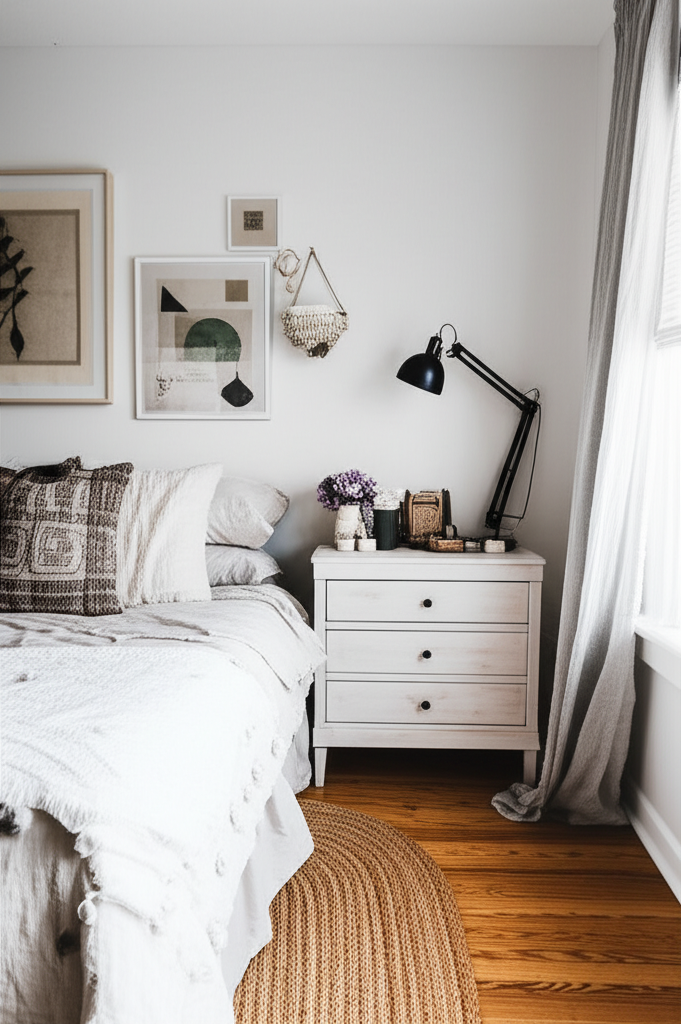
Achieving an aesthetic room doesn’t have to break the bank. Here are some budget-friendly tips:
- DIY Projects: Repaint old furniture, create your own art, or update thrift store finds.
- Thrift Stores and Flea Markets: These are treasure troves for unique decor items, frames, and furniture that can be upcycled.
- Shop Sales and Discount Stores: Keep an eye out for sales at home decor stores or explore affordable options at places like IKEA, Target, or HomeGoods.
- Rearrange What You Have: Sometimes, simply moving furniture around or repurposing items you already own can give your room a fresh, new aesthetic.
- Focus on Key Pieces: Invest in a few impactful items that make a big difference, like a new rug or a statement lamp, and keep other decor affordable.
Aesthetic Room Ideas by Room Type
Let’s look at how these principles apply to different rooms:
Bedroom Aesthetic
Your bedroom should be a sanctuary. Focus on soft, calming colors, comfortable bedding, and personal touches.
- Color Palette: Soft neutrals, pastels, or muted earth tones.
- Key Elements: Layered bedding, plush rug, ambient lighting (fairy lights or a bedside lamp), personal photos, and perhaps a small plant.
- Furniture: A comfortable bed is the centerpiece. Consider a cozy reading nook with an armchair.
Living Room Aesthetic
This is often the heart of the home. Aim for a balance of comfort, style, and functionality.
- Color Palette: Can be more varied depending on your chosen aesthetic.
- Key Elements: A comfortable sofa, a statement rug, layered lighting, artwork, cushions, and throws.
- Furniture: Arrange seating for conversation. A coffee table and side tables are essential.
Small Room Aesthetic
Making a small room feel aesthetic is about maximizing space and light.
- Color Palette: Light and bright colors (whites, creams, pastels) to make the space feel larger.
- Key Elements: Mirrors, multi-functional furniture, vertical storage (tall bookshelves, wall-mounted shelves), and minimal clutter.
- Furniture: Opt for furniture with legs to create a sense of openness. Consider a sofa bed or ottoman with storage.
Common Mistakes to Avoid When Creating an Aesthetic Room
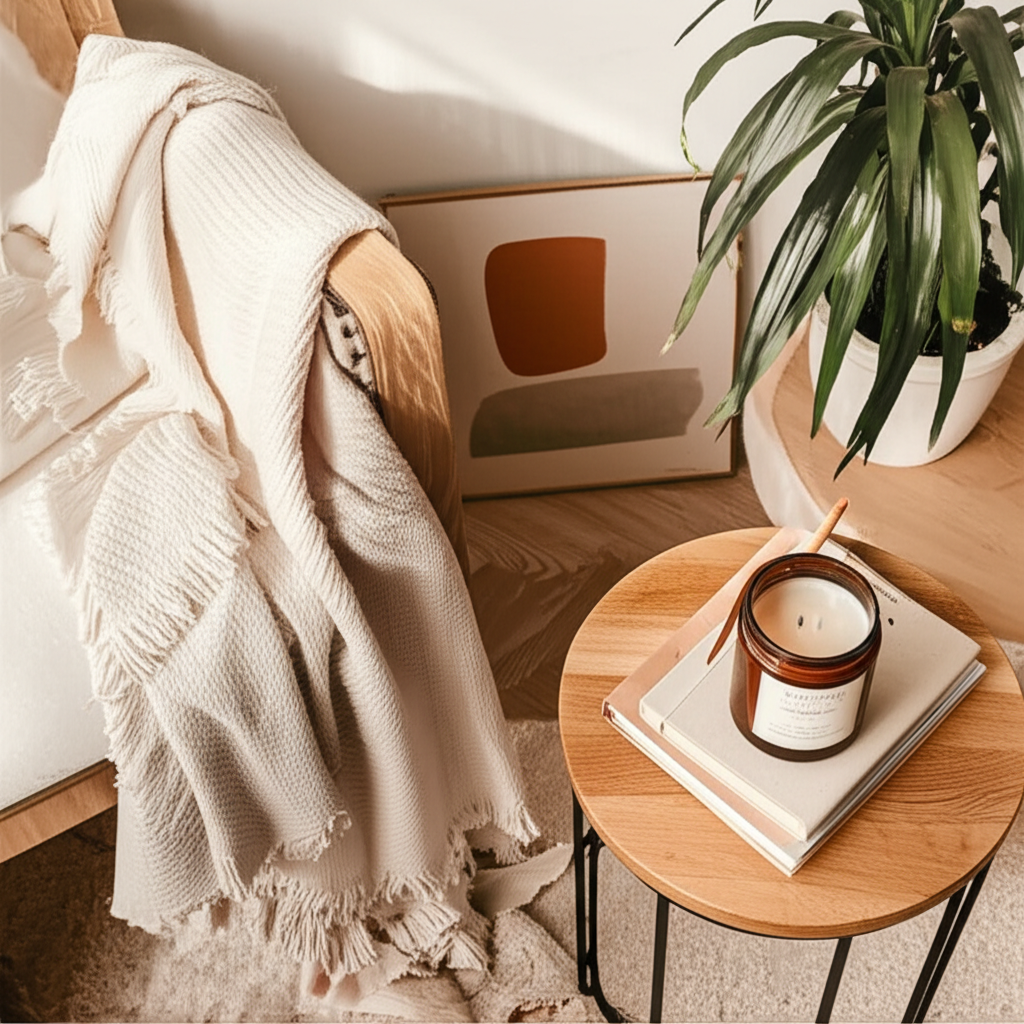
Even with the best intentions, it’s easy to fall into a few decorating traps. Here are some common mistakes and how to avoid them:
| Mistake | Why It’s an Issue | How to Fix It |
|---|---|---|
| Too Much Clutter | Makes a space feel chaotic and less inviting. | Regular decluttering and smart storage solutions. |
| Inconsistent Color Palette | Leads to a visually jarring and unfocused room. | Stick to a pre-defined color scheme of 2-3 main colors. |
| Ignoring Lighting | Harsh or insufficient lighting can kill the mood. | Layer lighting: ambient, task, and accent. Use warm bulbs. |
| Overcrowding with Furniture | Restricts movement and makes the room feel smaller. | Ensure adequate walkways and choose furniture that fits the room’s scale. |
| Bare Walls | Leaves a room feeling unfinished and impersonal. | Add art, photos, mirrors, or shelves. |
| Forgetting Texture | Can make a room feel flat and uninteresting. | Incorporate different textures through rugs, cushions, throws, and plants. |
Frequently Asked Questions (FAQ)
Q1: What is an “aesthetic” room?
An “aesthetic” room is one that has been intentionally designed to evoke a particular mood, style, or feeling. It’s about creating a visually pleasing and harmonious space that reflects your personal taste and preferences.
Q2: How do I choose an aesthetic for my room?
Start by looking at inspiration online (Pinterest, Instagram), in magazines, or even from places you’ve visited. Think about colors, textures, and moods you’re drawn to. Consider your lifestyle and what you want the room to feel like – cozy, energetic, calm, etc.
Q3: Do I need to spend a lot of money to make my room aesthetic?
No! You can achieve an aesthetic room on a budget by decluttering, rearranging, DIYing, and shopping smart at thrift stores or sales. Focus on a cohesive color palette and thoughtful styling rather than expensive items.
Q4: What are the most important elements for an aesthetic room?
Key elements include a cohesive color palette, strategic furniture placement, good lighting, thoughtful wall decor, and the addition of soft textiles and personal touches like plants or art.
Q5: How can I make a small room feel more aesthetic?
Use light colors, mirrors to reflect light, multi-functional furniture, and vertical storage. Keep clutter to a minimum and ensure good traffic flow. Light and airy is the goal.
Q6: What’s the best way to start decorating an aesthetic room?
The best starting point is to declutter and clean your room thoroughly. This creates a fresh foundation. Then, decide on your desired aesthetic and color palette before buying any new decor.
Conclusion
Transforming your room into an aesthetic space is an exciting journey, and with these essential steps, it’s more achievable than you might think. Remember that the most important element of an aesthetic room is that it feels good to you. It’s a reflection of your personality and a space where you can relax, recharge, and feel inspired.
By focusing on decluttering, choosing a cohesive color scheme, arranging furniture thoughtfully, and adding layers of lighting, textiles, and personal touches, you can create a beautiful and functional room. Don’t be afraid to experiment, mix and match, and most importantly, have fun with the process!
Your dream aesthetic room is within reach. Start with one step today, and enjoy watching your space come to life!