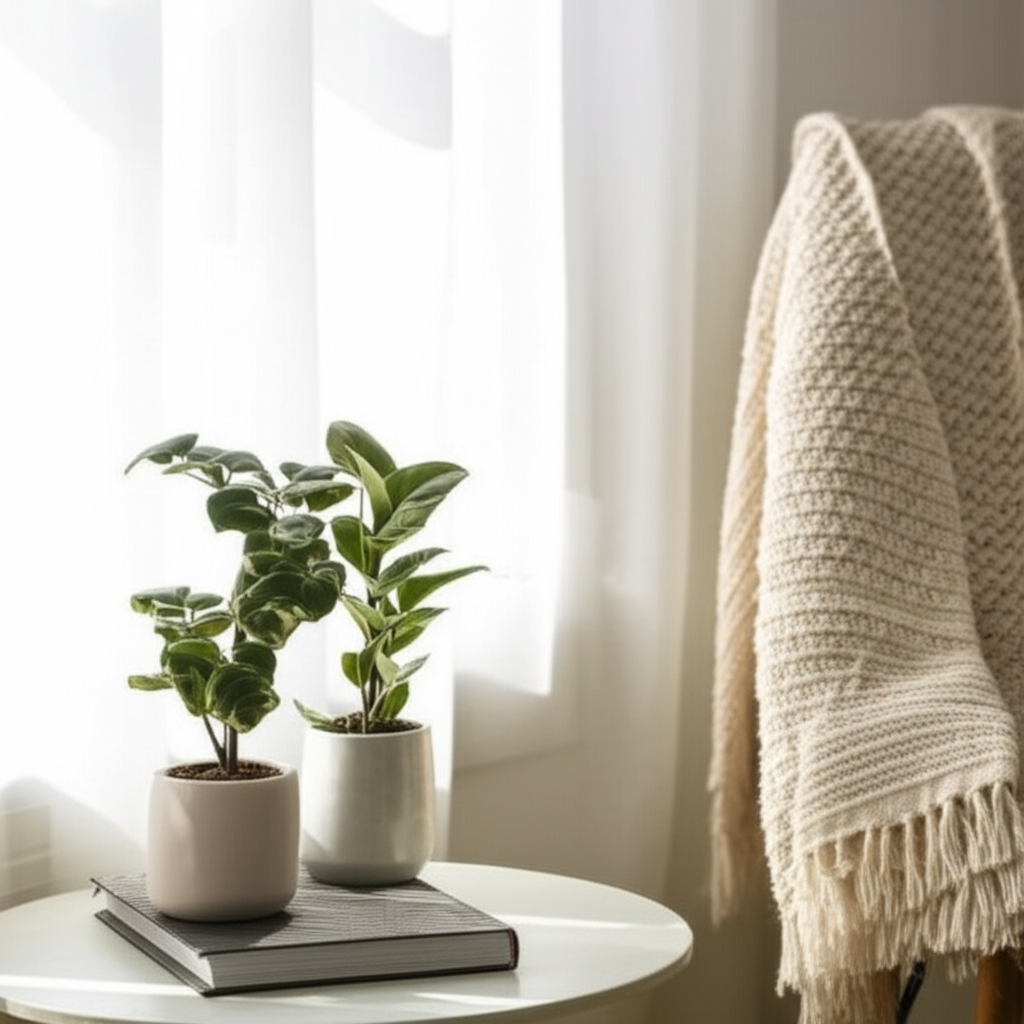
Make your room look aesthetic for free with these effortless tricks! Discover smart styling, DIY decor, and clever arrangement ideas to elevate your space without spending a dime. Transform your room into a beautiful sanctuary using what you already have.
Dreaming of a beautiful, stylish room but worried about the cost? You’re not alone! Many of us wish our living spaces felt more like a cozy haven or a chic retreat, but the thought of buying new decor can quickly add up.
It can be frustrating when Pinterest boards overflow with inspiration, but your budget says “no.” But what if I told you that creating an aesthetic room doesn’t require a big budget at all?
Get ready to unlock the secrets to a stylish space using simple, free methods. We’ll explore how to rearrange, repurpose, and refresh your room to make it look amazing without spending a single cent. Let’s dive into how to make your room look aesthetic for free!
The Power of Arrangement: Your Room’s Foundation
Before you even think about adding or removing anything, the most powerful aesthetic tool you have is already in your room: your furniture! How you arrange it can dramatically change the feel and flow of your space.
Clearing the Clutter: The Ultimate Free Decorator
This is step one, and arguably the most impactful. A cluttered room instantly looks less appealing, no matter how stylish the items within it are. Think of decluttering not as a chore, but as a free interior design service.
Start Small: Don’t try to tackle your whole room at once. Pick one surface – a desk, a dresser, a bookshelf – and declutter it thoroughly.
The “One In, One Out” Rule: For every new item that comes into your room, an old one must go. This helps prevent future clutter buildup.
Categorize and Conquer: Group similar items together. This makes it easier to see what you have and what you can let go of. Think: books, stationery, toiletries, knick-knacks.
The Donation Box: Keep a box handy for items you no longer need but are still in good condition. When it’s full, take it to a local donation center.
Strategic Furniture Placement: Creating Flow and Focus
Where you place your furniture affects everything from how easily you can move around to where your eye is drawn first. Experimenting with different layouts is completely free and can completely transform your room’s vibe.
Define Zones: Even in a small room, you can create different areas. For example, designate a “reading nook” with a comfy chair and a small side table, or a “workspace” area.
Consider Sightlines: What do you see when you first walk into the room? Arrange your main pieces, like your bed or desk, to create an inviting focal point.
Embrace Symmetry (or Asymmetry): Sometimes, placing two matching items on either side of a bed or sofa creates a sense of balance and calm. Other times, a more asymmetrical arrangement can feel dynamic and interesting.
Don’t Push Everything Against the Walls: Pulling furniture slightly away from the walls can actually make a room feel larger and more sophisticated. Try pulling your sofa or bed just a few inches out.
The “Floating” Bed Trick: In smaller rooms, placing your bed away from the wall and towards the center can create a luxurious hotel-room feel.
The Art of the Vignette: Styling Surfaces
Once decluttered and arranged, your surfaces (like nightstands, dressers, and shelves) are prime real estate for aesthetic appeal. Creating small, intentional groupings of items, known as vignettes, adds personality and charm.
The Rule of Three: Group items in odd numbers, typically three. This is visually more appealing than even numbers.
Vary Heights and Textures: Combine a tall item (like a vase or book) with a medium-height item (like a candle) and a smaller item (like a decorative stone or small plant). Mix materials like wood, metal, and ceramic.
Tell a Story: Arrange items that have meaning to you – a favorite book, a framed photo, a travel souvenir. This makes your space uniquely yours.
Leave Some Breathing Room: Don’t cram too many items onto one surface. Negative space (empty space) is just as important as the objects themselves.
Leveraging Light: Your Room’s Natural Glow-Up
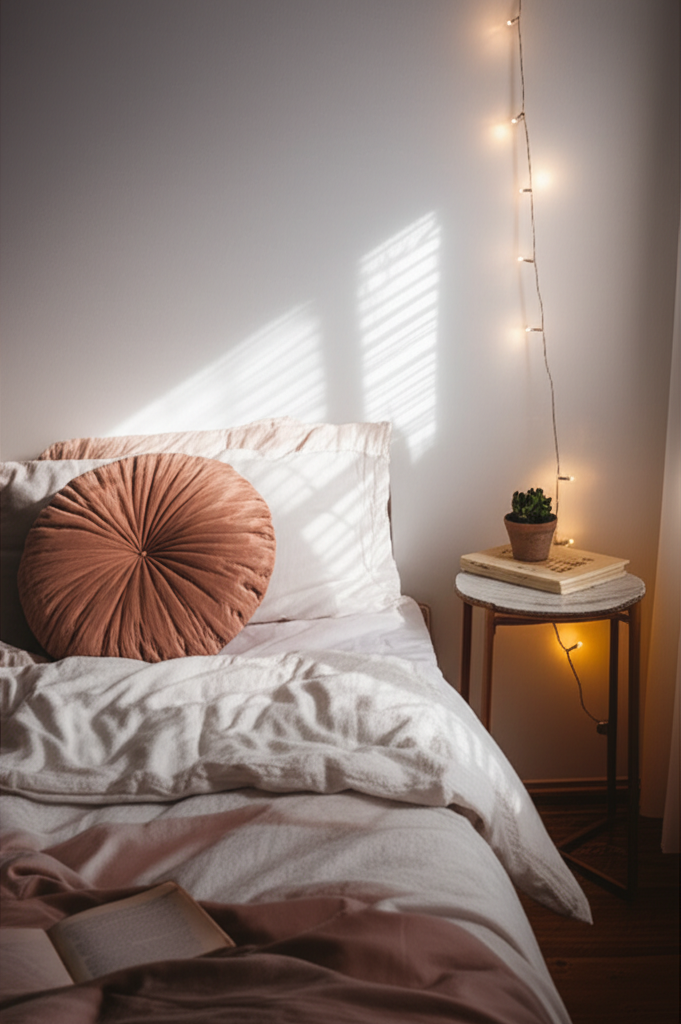
Light is one of the most powerful elements in interior design, and harnessing it can make a huge difference in how your room looks and feels – and it’s completely free!
Maximize Natural Light
The more natural light, the better. It makes spaces feel larger, brighter, and more inviting.
Keep Windows Clear: Ensure curtains or blinds are pulled back fully during the day. If you have heavy curtains, consider storing them away for a lighter feel.
Clean Your Windows: It sounds simple, but clean windows let in significantly more light.
Strategic Mirror Placement: Mirrors are fantastic for reflecting light and making a room feel bigger. Place a mirror opposite a window to bounce natural light around the room.
Clever Artificial Lighting
Even without buying new lamps, you can improve your room’s ambiance with the lighting you already have.
Layer Your Lighting: Instead of relying on one harsh overhead light, use multiple light sources. This could be a desk lamp, a bedside lamp, or even fairy lights you might already own.
Warm vs. Cool Bulbs: If you have the option to swap bulbs, opt for warmer-toned bulbs (around 2700K) for a cozier, more aesthetic feel. Cooler, bluer tones can feel sterile.
Dimmer Switches (if applicable): If your room has dimmer switches, use them! Lowering the light level in the evening creates a relaxing mood.
Color & Texture: Adding Depth and Interest
Color and texture are key to making a room feel dynamic and visually interesting. You can achieve this without buying paint or new fabrics.
The Magic of Textiles You Already Own
Blankets, throws, pillows, and even rugs can be rearranged or repurposed to add color and texture.
Drape Strategically: Drape a cozy throw blanket over the back of your sofa, the foot of your bed, or an accent chair.
Pillow Power: Arrange throw pillows on your bed or seating for an instant upgrade. Mix and match textures and colors from different items in your home.
Repurpose Scarves or Shawls: A beautifully patterned scarf or a soft shawl can be draped over furniture or even framed as wall art.
Rethink Your Rug: If you have a rug, ensure it’s positioned well. If you have smaller rugs, layer them for added depth and interest.
Bring in Natural Elements
Plants and natural materials add life, color, and texture to any space.
Houseplants: If you have houseplants, arrange them strategically. Group smaller plants together, or place a larger one in a corner to add a natural focal point. If you don’t have any, consider propagating a cutting from a friend’s plant! For more greenery inspiration, check out our guide on kitchen plant decor ideas.
Branches and Leaves: In the right season, a few attractive branches or interesting leaves can be placed in a vase for a simple, elegant display. Ensure they are dry and free of pests.
Pinecones, Shells, and Stones: Natural objects gathered from walks or holidays can be placed in bowls or arranged on shelves to add texture and a connection to nature.
DIY Decor & Upcycling: Your Creative Toolkit
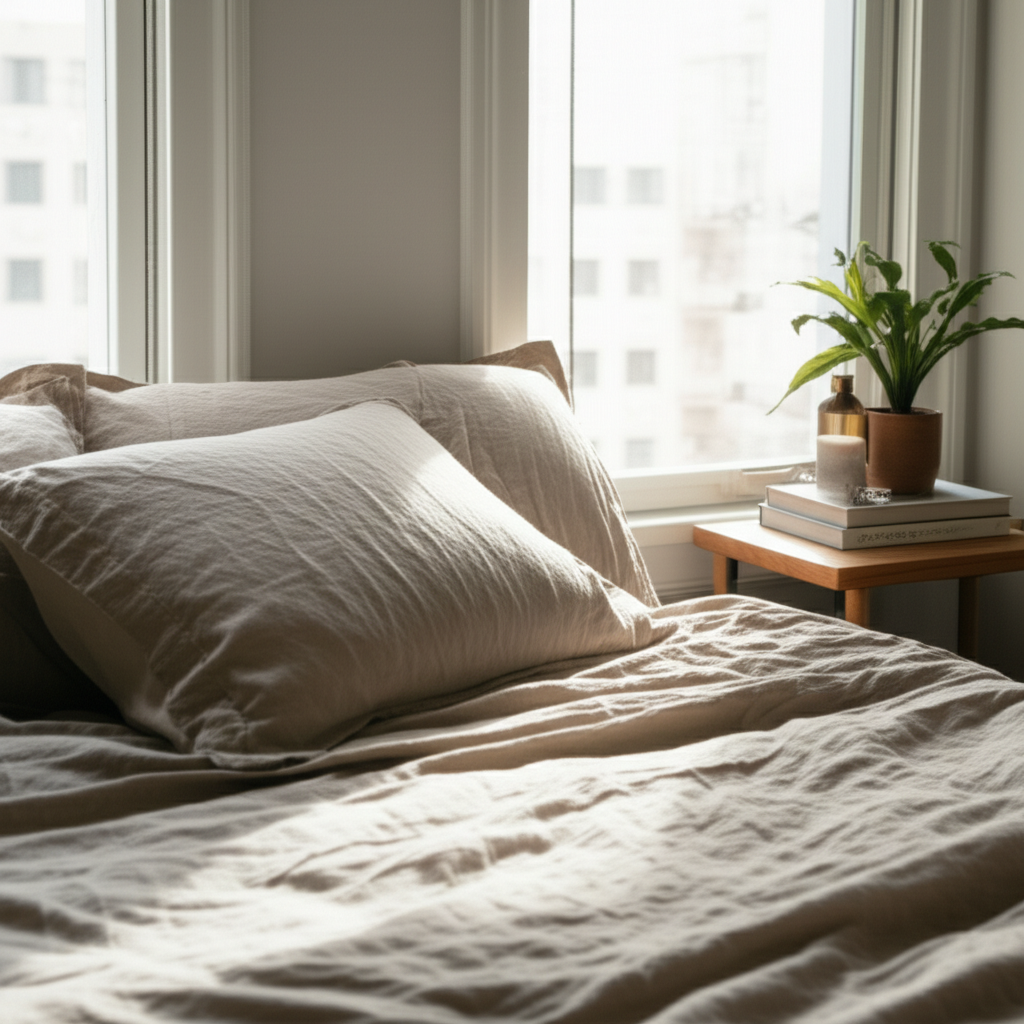
The most satisfying aesthetic upgrades are often the ones you create yourself. This is where your creativity shines, and the cost is zero!
Repurpose and Reimagine Everyday Items
Look at what you already have with fresh eyes. Many common household items can be transformed into decorative pieces.
Mason Jars & Glass Bottles: Cleaned and grouped together, these can serve as vases, candle holders, or storage for small items. Tie a ribbon or twine around them for an extra touch.
Old Books: Stack them to create height on shelves, or open them to display interesting pages. Vintage book covers can also add a lovely color pop.
Empty Picture Frames: Even without photos, empty frames can be hung on the wall for a minimalist art installation. You can also place interesting fabric swatches or pages from magazines inside them.
Fabric Scraps: Use colorful fabric scraps to cover old boxes, create simple wall hangings, or even tie them onto curtain rods for a decorative accent.
DIY Wall Art
The walls are a blank canvas! Don’t let them stay bare.
Magazine Collage: Tear out beautiful images, interesting text, or colorful pages from old magazines and arrange them into a collage. You can tape them directly to the wall, or arrange them on a piece of cardboard you might have lying around.
Pressed Flowers/Leaves: Gently press flowers or leaves between the pages of heavy books. Once dried, arrange them in empty picture frames or even directly onto cardstock to create delicate, natural art.
Quote Art: Find inspiring quotes online, hand-write them on plain paper or cardstock, and frame them using an existing frame. For more creative wall ideas, explore our collection of kitchen wall art ideas.
Transforming Furniture with What You Have
You can give existing furniture a mini-makeover without paint.
Fabric or Scarves: Drape an attractive fabric or scarf over a plain side table or the back of a chair for a new look.
Contact Paper/Wallpaper Scraps: If you have leftover contact paper or wallpaper scraps, you can use them to line the back of shelves, cover the surface of a small table, or even create drawer liners. (Ensure you have permission if renting).
Painter’s Tape Designs: Create geometric patterns on a plain wall or piece of furniture using painter’s tape. This is a temporary and free way to add visual interest.
The Finishing Touches: Small Details, Big Impact
Sometimes, it’s the smallest changes that make the biggest difference in achieving an aesthetic look.
Personalize Your Space with Photos and Mementos
Your room should reflect you. Displaying personal items adds warmth and character.
Photo Displays: Instead of just tacking photos up, try arranging them in a grid on a shelf, or clipping them to a string of fairy lights you already own.
Souvenir Showcase: Display meaningful souvenirs from trips or events in a curated way on a shelf or mantle.
Meaningful Objects: Group small items that hold sentimental value – a special stone, a vintage button, a dried flower – on a tray or shelf.
Create Ambiance with Scent
A pleasant scent can make a room feel more welcoming and luxurious.
Simmer Pots: Simmer water on the stove with natural ingredients like citrus peels, cinnamon sticks, cloves, or vanilla extract for a natural, room-filling fragrance. (Always supervise).
Essential Oils: If you have an essential oil diffuser, use it with calming scents like lavender or uplifting scents like citrus.
Open Windows: Fresh air is the best and most natural way to make a room smell clean and inviting.
Mirror Magic: Beyond Reflection
Mirrors are not just for checking your outfit; they’re powerful design tools.
Strategic Placement: As mentioned earlier, place mirrors opposite windows to maximize light and the illusion of space.
Group Smaller Mirrors: If you have several small mirrors, group them together on a wall to create a unique art piece.
Full-Length Mirror: If you have a full-length mirror, lean it against a wall in a corner to make the space feel more open and grand.
Aesthetic Room Inspiration: Examples & Ideas
Let’s look at how these principles can be applied in different room types:
Student Dorm Room Makeover
Declutter: Clear out old notes, unused stationery, and duplicate items.
Rearrange: Position the bed to create a cozy nook or a more open feel. Use the space under the bed for organized storage.
Wall Art: Create a mood board with magazine clippings and personal photos. Use washi tape for a temporary, stylish display.
Textiles: Drape a colorful throw over a plain chair or the bed.
Lighting: Use fairy lights (often available cheaply or already owned) to create a cozy atmosphere.
Small Apartment Living Room
Declutter: Remove excess decorative items that make the space feel cramped.
Furniture Arrangement: Pull furniture slightly away from walls. Create a conversation area by angling sofas or chairs.
Mirrors: Place a large mirror on the wall to create a sense of depth and light.
Greenery: Add a potted plant in a corner to bring life and color.
Textiles: Use throw pillows and blankets to add texture and color.
Bedroom Refresh
Declutter: Organize your closet and dresser drawers. Clear nightstands and dressers.
Bedding: Make your bed neatly every day. If you have decorative pillows from another room, use them here.
Wall Decor: Arrange framed photos or a DIY art piece above the bed.
Lighting: Use a bedside lamp for softer evening light.
Personal Touches: Display a few favorite books or a meaningful object on your nightstand.
Maintaining Your Aesthetic: Simple Habits
Keeping your room looking aesthetic is all about consistency.
Daily Tidy-Up: Spend 5-10 minutes each day putting things back in their place.
Weekly Refresh: Take a moment each week to dust surfaces, rearrange a vignette, or change the drape of a throw.
* Mindful Purchases: Before buying anything new, ask yourself if it truly adds to your aesthetic and if you have a place for it. For minimalist inspiration, see our post on minimal decor ideas for kitchens.
FAQ: Your Aesthetic Room Questions Answered
- Q1: How can I make my room look more expensive without buying anything?
- Focus on decluttering and strategic arrangement. Clean surfaces, neatly folded blankets, and well-organized shelves can make a huge difference. Proper lighting and the strategic placement of mirrors also create a more polished look.
- Q2: What are the easiest ways to add color to my room for free?
- Use textiles you already own! Drape colorful throws or scarves over furniture, arrange brightly colored throw pillows, or display colorful books. Even arranging vibrant magazine pages can add a pop of color.
- Q3: How do I make a small room feel bigger and more aesthetic?
- Maximize natural light by keeping windows clear and using mirrors to reflect light. Avoid overcrowding with furniture; instead, opt for strategic placement that creates flow. Decluttering is crucial for making a small space feel open and airy.
- Q4: Can I make my walls look good without hanging anything?
- Yes! You can create temporary wall art using painter’s tape to make geometric patterns. Arranging items like pressed flowers or magazine pages in a cluster can also act as a focal point. Ensure your walls are clean and free of clutter.
- Q5: What are some common mistakes beginners make when trying to make their room aesthetic for free?
- Overcrowding surfaces, ignoring decluttering, and not experimenting with furniture layout are common mistakes. Also, focusing too much on “stuff” rather than arrangement and light. Remember, less is often more!
- Q6: How can I use books to make my room look more aesthetic?
- Stack them artfully on shelves or tables, varying heights. Display them with their spines facing out, or even turn some backward for a neutral texture. Books can add color, height, and personality to vignettes.
Conclusion: Your Aesthetic Sanctuary Awaits
Transforming your room into an aesthetic haven doesn’t require a magic wand or a hefty bank account. By embracing the power of arrangement, light, and the treasures you already possess, you can create a space that feels both beautiful and uniquely yours.
Remember, the most stylish rooms are those that feel personal and inviting. Start with decluttering, experiment with your furniture layout, and let your creativity guide you in repurposing everyday items. Small, thoughtful touches can elevate your space significantly.
Your room is a reflection of you, and with these effortless, free tricks, you can make it a sanctuary you’ll love spending time in. Happy decorating!