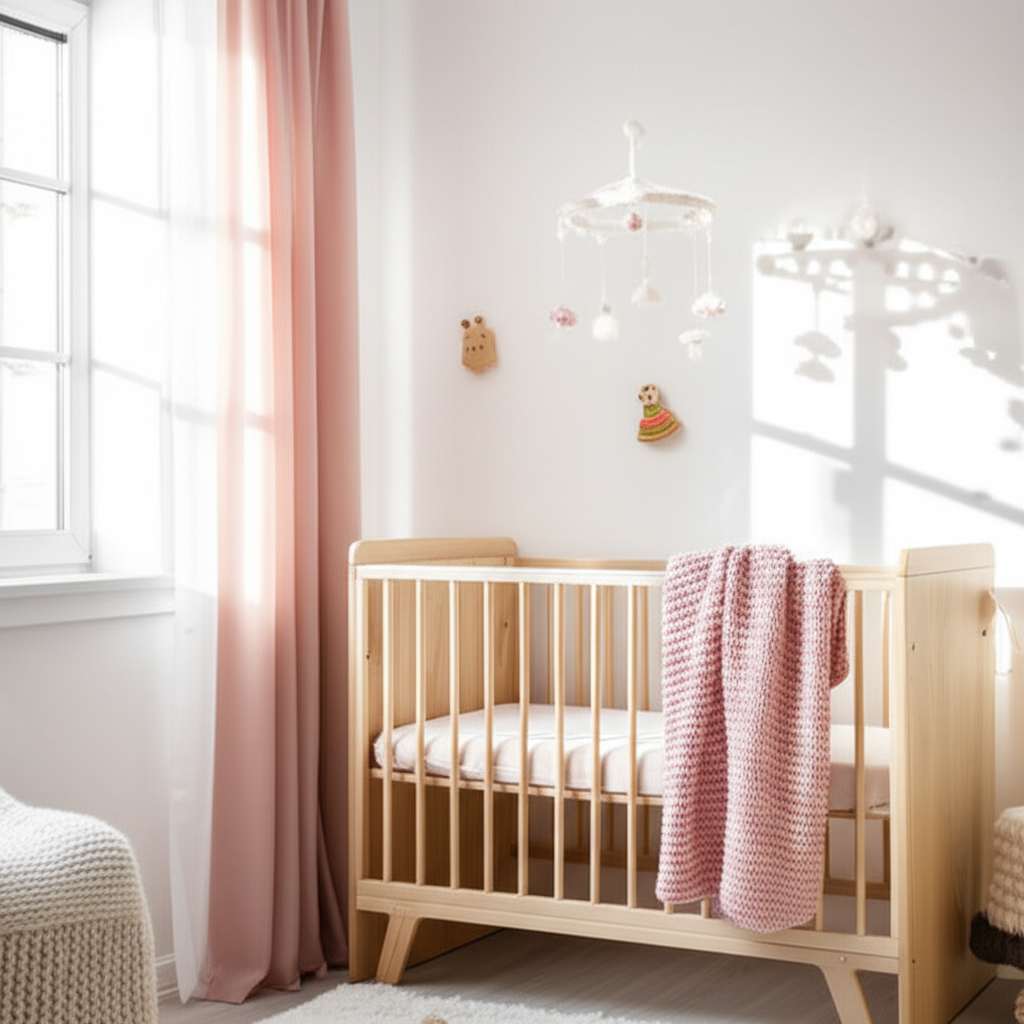
Create a serene and stylish minimalist baby girl nursery with simple, intentional design choices. Focus on a calm color palette, essential furniture, and clutter-free organization for a peaceful haven for your little one.
Welcoming a baby girl is such a special time! You’re probably dreaming up the perfect nursery, a cozy and beautiful space for your little one.
But sometimes, looking at all the adorable baby stuff can feel a bit overwhelming, right? It’s easy to get caught up in trends and end up with a room that feels cluttered instead of calming.
Don’t worry! Creating a minimalist nursery for your baby girl can be incredibly simple and deeply rewarding.
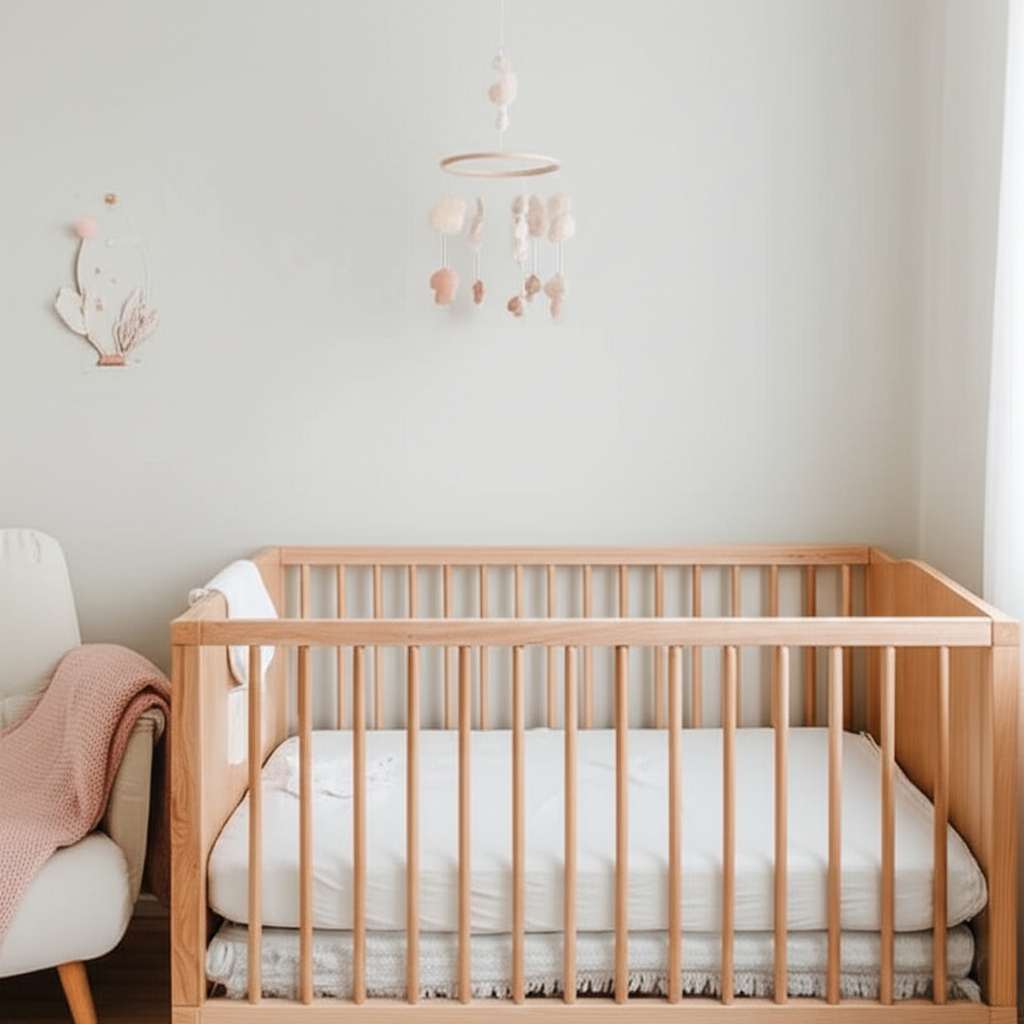
This guide will walk you through creating a blissful, clutter-free space that’s both stylish and functional, making decorating easy and fun.
Let’s transform a simple room into a serene sanctuary for your baby!
Why Choose a Minimalist Baby Girl Nursery?
A minimalist nursery is more than just a design trend; it’s a philosophy that brings calm and intention to a space. For a baby’s room, this means creating an environment that’s peaceful, safe, and free from unnecessary distractions.
Think about it: a simple, organized room can help reduce stress for both you and your baby. Less clutter means an easier time finding what you need, and a calmer atmosphere can contribute to better sleep for everyone.
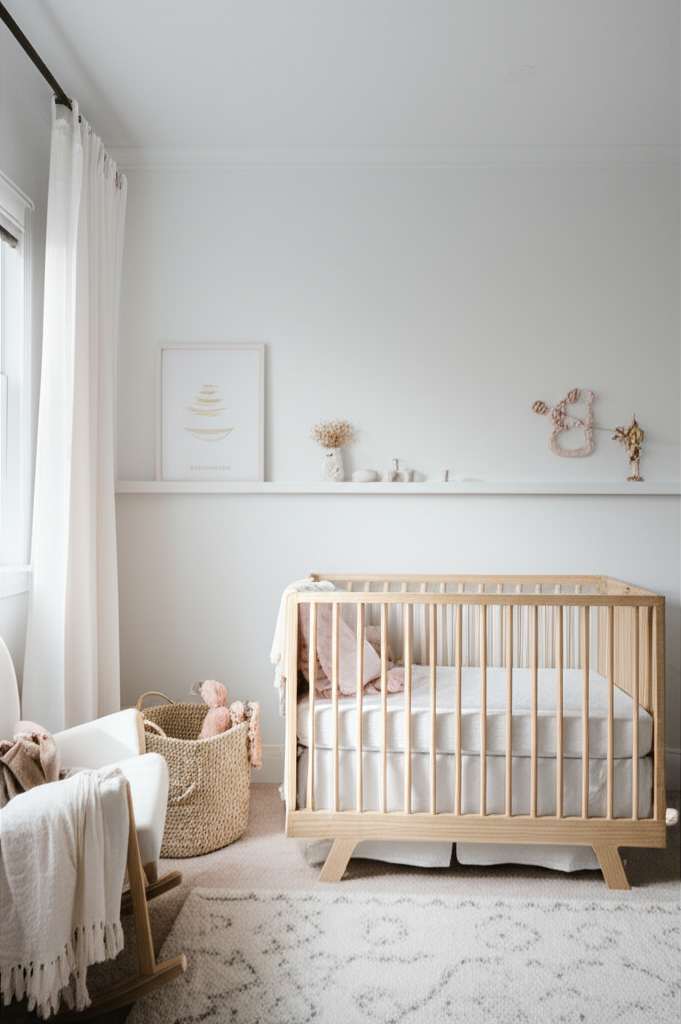
It’s about creating a beautiful, functional space that supports your baby’s development and your well-being. Plus, it often means saving money and time by focusing on what truly matters.
Key Elements of a Minimalist Nursery Design
The beauty of minimalism lies in its simplicity. It’s about making intentional choices that serve a purpose. For a baby girl’s nursery, this translates into a few core elements that create a harmonious and serene environment.
1. A Calming Color Palette
The foundation of a minimalist nursery is its color scheme. Soft, muted tones promote tranquility and create a peaceful backdrop.
Neutrals: Think soft whites, warm grays, creamy beiges, and light taupes. These create a sophisticated and timeless feel.
Pastels: Gentle shades of blush pink, pale lavender, soft mint green, or baby blue can add a touch of sweetness without being overwhelming.
Monochromatic: Using varying shades of a single color can be very chic and calming. For example, different tones of soft grey or muted rose.
Natural Tones: Earthy colors like terracotta, muted greens, and sandy beiges bring a natural, grounded feel to the room.
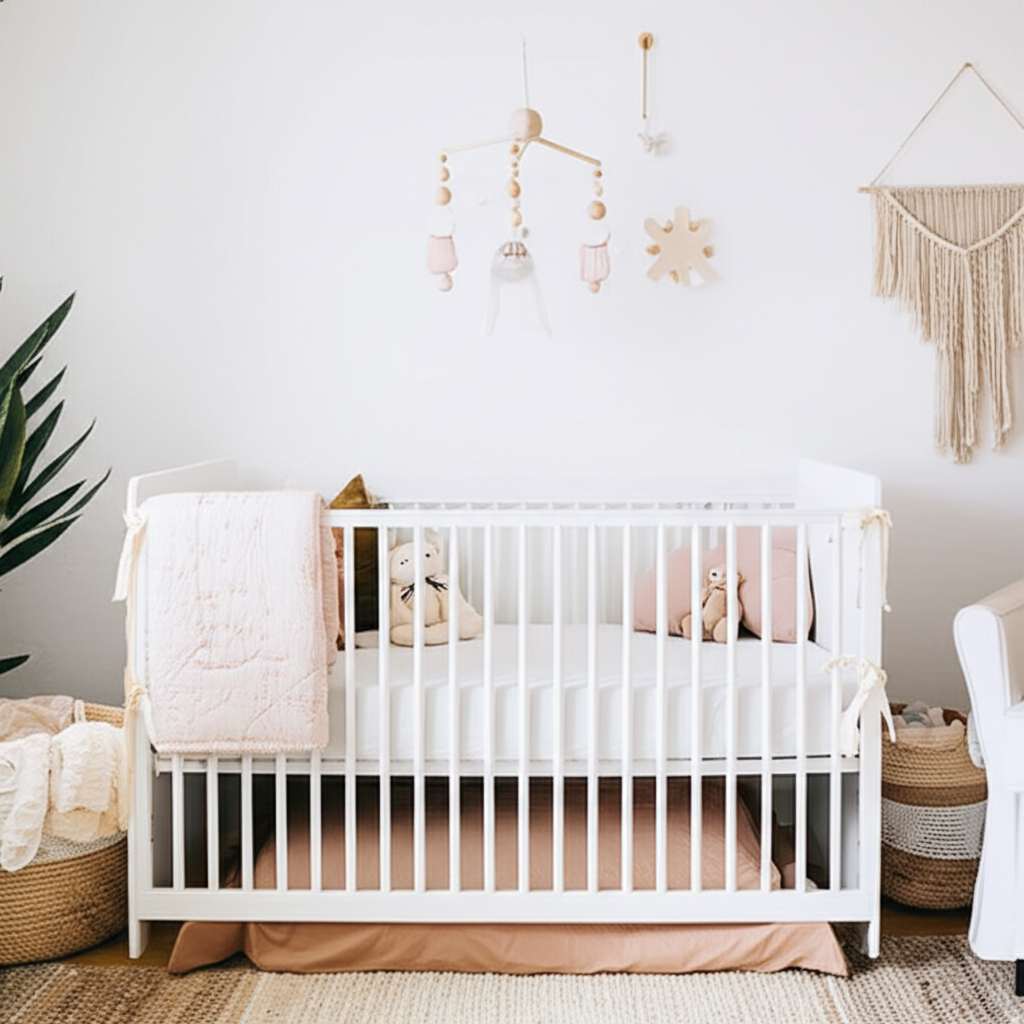
Avoid overly bright or jarring colors. The goal is a serene space where your baby can relax and explore.
2. Essential Furniture Only
In a minimalist design, every piece of furniture should be functional and thoughtfully chosen. You don’t need a lot; just the essentials.
Crib: A safe and comfortable crib is the centerpiece. Opt for clean lines and a simple design.
Dresser/Changing Table: A functional dresser with ample storage is key. You can often find pieces that double as a changing station with a topper.
Comfortable Chair: A cozy armchair or glider for feeding and rocking your baby is a must. Choose one with a simple silhouette.
Storage: Smart storage solutions are crucial for keeping clutter at bay. Think about shelves, baskets, or a small bookcase.
When selecting furniture, consider pieces that can grow with your child or have multiple uses. This aligns with the minimalist principle of intentionality.
3. Smart Storage Solutions
Clutter is the enemy of minimalism. Effective storage is essential to keep the nursery tidy and serene.
Baskets and Bins: Woven baskets, fabric bins, and clear containers are perfect for organizing toys, blankets, diapers, and more. They keep items hidden but accessible.
Shelving: Wall shelves are great for displaying a few cherished items, books, or small storage containers. Keep them organized and not overfilled.
Closet Organization: Utilize closet organizers, shelves, and drawer dividers to maximize space and keep clothes neatly stored.
Multi-functional Furniture: As mentioned, a dresser with deep drawers or a crib with under-bed storage can make a big difference.
The idea is to have a place for everything, making tidying up quick and easy. This keeps the visual noise of the room to a minimum.
4. Thoughtful Decor Accents
Minimalism doesn’t mean bare. It means intentional beauty. Decor accents should add personality without overwhelming the space.
Wall Art: One or two carefully chosen pieces of art can add a focal point. Consider soft prints, abstract art, or even a beautiful mobile.
Textiles: Soft rugs, cozy blankets, and simple curtains add warmth and texture. Choose natural materials like cotton, linen, or wool.
Plants: A few well-placed, baby-safe plants can bring life and a touch of nature into the room. Ensure they are out of reach.
Personal Touches: A few meaningful items, like a special stuffed animal or a framed baby photo, can make the space feel personal and loved.
Each decorative element should add to the overall sense of calm and beauty.
Step-by-Step Guide to Creating Your Minimalist Nursery
Ready to dive in? Here’s a simple, step-by-step approach to designing your minimalist baby girl nursery.
Step 1: Declutter and Plan
Before you buy anything, take stock of the room. What’s already there? What do you really need?
Assess the Space: Measure your room and consider the layout. Where will the crib go? Where is the best spot for the changing station?
Identify Essentials: Make a list of the absolute must-have items: crib, dresser/changing table, comfortable chair, essential storage.
Set a Budget: Knowing your budget will help you make intentional purchasing decisions and avoid impulse buys.
This initial planning phase is crucial for a successful minimalist design. It helps you focus on your needs and avoid unnecessary purchases.
Step 2: Choose Your Color Palette
Select a calming and cohesive color scheme. This will guide all your other design choices.
Start with Neutrals: Decide on your base neutral colors for walls and larger furniture.
Add Soft Accents: Choose 1-2 soft pastel or natural accent colors for textiles and decor.
Consider Natural Light: Think about how the colors will look in the natural light of the room.
A good resource for understanding color psychology in nurseries can be found on parenting and child development sites, which often discuss how colors affect mood and development. For instance, sites like HealthyChildren.org offer great advice on creating safe and healthy environments for babies.
Step 3: Select Essential Furniture
Focus on quality and function. Choose pieces that are safe, durable, and fit the minimalist aesthetic.
Crib: Look for a crib that meets current safety standards and has a simple, clean design.
Dresser/Changing Table: A sturdy dresser with good drawer space is ideal. Consider adding a changing pad with a secure cover.
Glider/Rocking Chair: Prioritize comfort and a style that complements your room’s palette.
When buying furniture, think about longevity. Can it be used in other rooms later on, or will it adapt as your child grows?
Step 4: Implement Smart Storage
This is where you keep things tidy and organized.
Install Shelving: Add floating shelves or a simple bookcase.
Gather Baskets and Bins: Choose natural materials like wicker or fabric in your chosen color palette.
Organize Drawers: Use drawer dividers for clothes, diapers, and wipes.
A well-organized nursery makes daily routines smoother and promotes a sense of calm.
Step 5: Add Thoughtful Decor
Now for the finishing touches that make the space special.
Curate Wall Art: Select one or two pieces that bring joy or a sense of peace.
Layer Textiles: Add a soft rug, a cozy throw blanket, and simple window treatments.
Incorporate Natural Elements: Consider a safe plant or wooden accents.
Remember, less is more. Each item should have a purpose or bring a unique charm to the room.
Step 6: Focus on Safety
Safety is paramount in any nursery, especially a minimalist one where fewer items might mean less to “child-proof.”
Crib Safety: Ensure the crib meets current safety standards and has a firm mattress. Avoid bumpers, loose bedding, and stuffed animals in the crib for newborns.
Furniture Anchoring: Anchor all dressers and shelves to the wall to prevent tipping. This is a crucial step recommended by safety organizations like the U.S. Consumer Product Safety Commission.
Cord Safety: Keep blind cords and electrical cords out of reach.
Non-Toxic Materials: Choose paints, finishes, and fabrics that are low in VOCs (Volatile Organic Compounds) and safe for your baby.
A minimalist approach can actually enhance safety by reducing potential hazards and making it easier to monitor the room.
Minimalist Nursery Furniture & Decor Ideas
Let’s explore some specific ideas to bring your minimalist baby girl nursery to life.
Cribs with Clean Lines
Opt for cribs that are simple, sturdy, and free from excessive ornamentation.
| Crib Style | Key Features | Best For |
| :——————– | :————————————————- | :——————————————- |
| Slat Crib | Classic design, sturdy, good visibility | Traditionalists, adaptable to various styles |
| Panel Crib | Solid side panels, modern look, can be cozier | Modern aesthetics, parents wanting less visibility |
| Convertible Crib | Grows with child (crib to toddler/daybed) | Long-term investment, budget-conscious |
| Round Crib | Unique, modern, often open feel | Statement piece, larger rooms |
When choosing, always check that it meets current safety standards, such as those outlined by the CPSC.
Dresser & Changing Station Combos
Maximize space and functionality with a dresser that serves dual purposes.
Simple Dresser with Changing Topper: A classic choice. A flat-top dresser with a secure changing pad placed on top.
Convertible Changing Table: Some tables have shelves below for storage and a changing surface on top, often converting to a regular dresser later.
Wall-Mounted Changing Station: For very small spaces, a fold-down wall-mounted unit can be an excellent space-saving solution.
Ensure any changing topper or pad has raised edges for safety and is securely fastened.
Comfortable Seating Options
Your feeding chair is a crucial piece for comfort and bonding.
Classic Glider: These offer a smooth, gentle rocking motion. Look for models with a modern, minimalist design.
Wingback Chair: Provides a cozy, enveloping feel. Choose one in a neutral or soft pastel fabric.
Modern Rocking Chair: Often features clean lines and Scandinavian-inspired designs.
Consider a chair with a comfortable back support and armrests. Swiveling or reclining options can add extra convenience.
Storage That Blends In
Functional storage doesn’t have to be an eyesore.
Woven Baskets: Natural materials like seagrass, rattan, or jute add texture and warmth.
Fabric Bins: Soft fabric bins in neutral tones are great for shelves and can be easily tucked away.
Wooden Crates: For a rustic or modern farmhouse feel, simple wooden crates can be stacked or placed on shelves.
Drawer Dividers: Essential for keeping the dresser tidy. Use them for socks, onesies, burp cloths, and more.
The key is to keep items out of sight but easily accessible.
Minimalist Decor Accents
These touches add personality without clutter.
Soft Wall Art: Think watercolor prints, simple line drawings, or abstract pieces in muted colors.
Textured Rug: A plush rug in a neutral color or a subtle pattern adds warmth and comfort underfoot.
Sheer Curtains: Allow natural light to filter in while providing privacy.
Aesthetic Mobiles: Choose a mobile with natural elements like felt balls, wooden shapes, or simple fabric designs.
One or Two Keepsake Items: A special plush toy or a framed print of a nursery rhyme can add a personal touch.
The goal is to create a visually restful environment.
Creating a Peaceful Atmosphere
Beyond the physical elements, the atmosphere of the nursery is key to a blissful experience.
Lighting is Key
Soft, adjustable lighting is essential for a calming nursery.
Natural Light: Maximize natural light by using sheer curtains.
Ambient Lighting: A dimmable ceiling fixture or a soft table lamp provides gentle light for nighttime feedings and changes.
Night Light: A subtle, warm-toned night light can be helpful as your baby grows.
Avoid harsh overhead lighting. The goal is to create a serene glow.
Sound and Sensory Experience
Consider how sound and texture contribute to the atmosphere.
White Noise Machine: A gentle white noise machine can help soothe your baby and mask sudden noises.
Soft Textures: Incorporate soft blankets, plush toys, and a comfortable rug to create a tactilely pleasing environment.
Natural Scents: Consider a diffuser with a very mild, baby-safe essential oil like lavender (used sparingly and with caution, ensuring it’s suitable for infants).
A calm sensory environment supports a baby’s developing senses.
Keeping it Clean and Safe
A minimalist nursery is often easier to keep clean.
Easy-to-Clean Surfaces: Opt for washable paint and furniture materials that can be easily wiped down.
Regular Decluttering: Schedule quick daily tidy-ups to maintain the minimalist aesthetic.
Air Quality: Ensure good ventilation and consider an air purifier.
A clean and safe space is the foundation of a peaceful nursery.
Minimalist Nursery vs. Cluttered Nursery: A Quick Comparison
To highlight the benefits, let’s look at how a minimalist nursery differs from a more traditional, potentially cluttered one.
| Feature | Minimalist Baby Girl Nursery | Cluttered Nursery |
| :—————- | :———————————————————— | :——————————————————— |
| Color Palette | Soft, neutral, calming tones; limited bright colors | Wide range of colors, potentially bright and stimulating |
| Furniture | Essential, functional, clean-lined pieces | Abundant furniture, decorative items, multiple storage units |
| Decor | Sparse, intentional, high-quality accent pieces | Many decorative items, toys, stuffed animals, wall hangings |
| Storage | Integrated, hidden, efficient; focus on decluttering | Overflowing; items often visible and unorganized |
| Atmosphere | Serene, peaceful, organized, restful | Busy, stimulating, potentially chaotic, overwhelming |
| Functionality | Easy to navigate, quick to clean, promotes calm | Can be difficult to move around, harder to keep tidy |
| Impact | Supports relaxation, easier routines, less parental stress | Can lead to overstimulation, harder to find things, more stress |
Choosing minimalism is about creating a sanctuary, not just a room filled with baby things.
FAQs About Minimalist Baby Girl Nurseries
Here are some common questions beginners have about creating a minimalist nursery.
Q1: What are the main colors for a minimalist baby girl nursery?
A1: Soft neutrals like white, beige, and gray are excellent bases. You can then add gentle pastels such as blush pink, pale lavender, or soft mint green for accents. The focus is on calming, muted tones.
Q2: How much furniture do I really need in a minimalist nursery?
A2: You primarily need the essentials: a safe crib, a functional dresser/changing station, and a comfortable chair for feeding and bonding. Beyond that, focus on smart storage solutions.
Q3: Is it okay to have toys in a minimalist nursery?
A3: Absolutely! The key is intentionality. Choose a few favorite, beautiful toys that can be displayed or stored neatly in baskets. Rotate toys to keep the space feeling fresh and uncluttered.
Q4: How can I make a minimalist nursery feel warm and cozy, not sterile?
A4: Incorporate soft textures through rugs, blankets, and cushions. Use natural materials like wood and woven baskets. Add a few personal touches and ensure the lighting is warm and dimmable.
Q5: What if I have a small nursery space? Can I still do minimalist?
A5: Yes! Minimalism is perfect for small spaces. Focus on multi-functional furniture, vertical storage (like wall shelves), and keeping surfaces clear. A well-organized, clutter-free small room feels much larger and more peaceful.
Q6: How do I balance minimalism with having enough baby essentials?
A6: The key is smart storage and regular decluttering. Have designated spots for everything, and don’t be afraid to store out-of-season baby clothes or items you aren’t currently using elsewhere. Focus on what you need now*.
Q7: Are there specific safety considerations for a minimalist nursery?
A7: Yes, always prioritize safety. Ensure furniture is anchored to walls, cords are out of reach, and the crib meets all current safety standards. Minimalist design can actually make safety checks easier due to less clutter.
Conclusion
Creating a minimalist baby girl nursery is a beautiful journey toward a peaceful and intentional space. By focusing on a calming color palette, essential furniture, smart storage, and thoughtful decor, you can design a room that is both stylish and serene.
Remember, minimalism isn’t about deprivation; it’s about making conscious choices that bring more calm and joy into your life and your baby’s. This approach not only creates a beautiful haven for your little one but also simplifies your life as a new parent.
Embrace the simplicity, enjoy the process, and get ready to welcome your baby girl into a blissful, clutter-free sanctuary that you’ve created with love and intention. Happy decorating!