
Minimalist kids bedroom design is all about creating a calm, organized, and functional space that sparks creativity without the clutter. Focus on quality over quantity, smart storage, and a neutral color palette with pops of personality. This approach fosters a peaceful environment for play and rest.
Are you dreaming of a kid’s room that’s tidy, stylish, and a joy to be in? Sometimes, the thought of decorating can feel a bit overwhelming, especially when you want a space that’s both practical and fun for your little ones. You might be wondering how to achieve that clean, serene look without making the room feel sterile or boring.
It’s totally possible to create a beautiful and functional minimalist bedroom for kids! We’ll walk through simple, brilliant ideas that make design easy and stress-free. Get ready to transform your child’s room into a peaceful haven that inspires imagination.
Why Embrace Minimalist Kids Bedroom Design?
Minimalism in a child’s room isn’t about deprivation; it’s about intention. It’s about creating a space that supports their development by reducing distractions and promoting focus. Think of it as clearing the canvas so their imagination can truly shine!
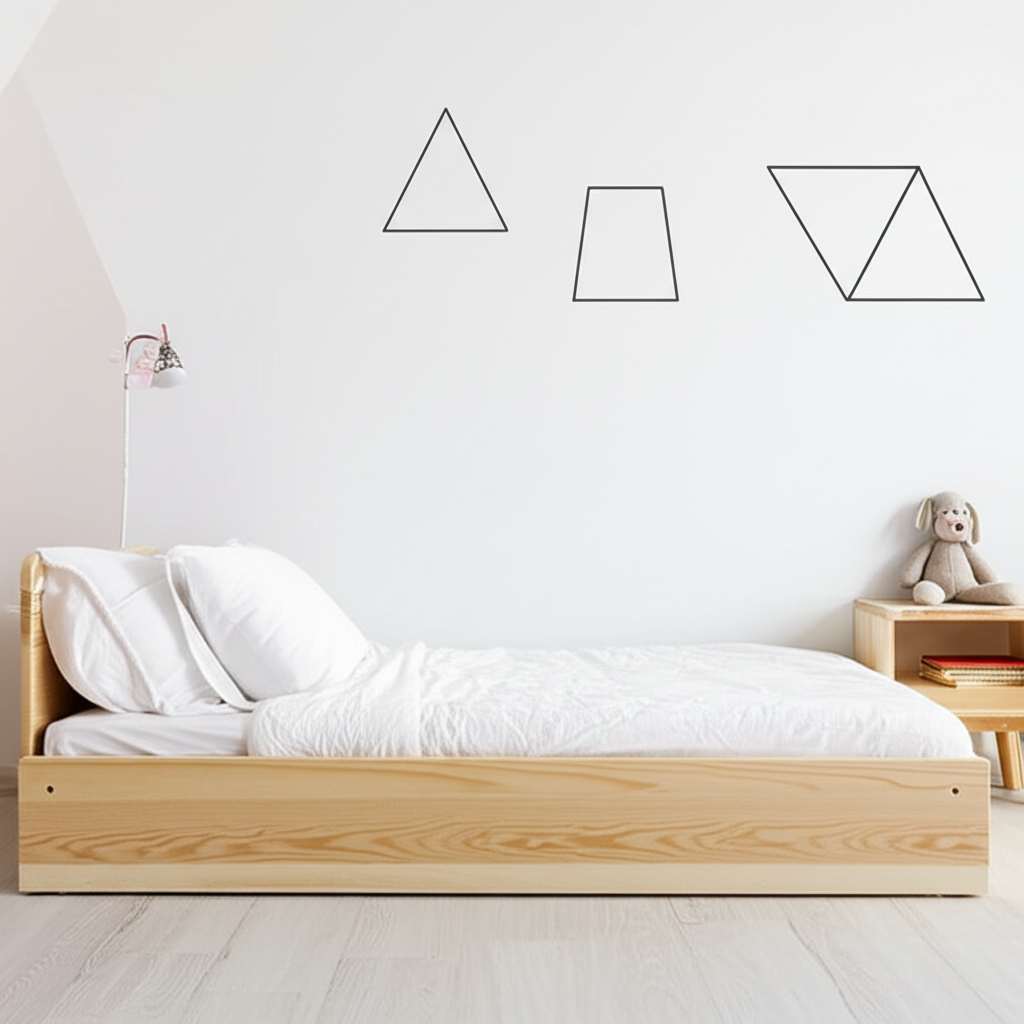
A minimalist approach can actually be a game-changer for kids. It helps them learn organization from a young age, fosters creativity by providing a less cluttered environment, and can even lead to better sleep by reducing visual stimulation. Plus, it often means less to clean for you – a win-win!
Benefits of a Clutter-Free Kids Room
- Improved Focus: Fewer toys and distractions mean more concentration on play, homework, or reading.
- Enhanced Creativity: A minimalist space allows a child’s imagination to fill the void, rather than being dictated by excessive items.
- Better Organization Skills: When there are fewer items, it’s easier for children to learn where things belong and keep their space tidy.
- Calmer Environment: A less cluttered room often translates to a more peaceful atmosphere, which can be beneficial for sleep and overall well-being.
- Easier Cleaning: Less stuff equals less to pick up and dust around, making cleaning sessions quicker and simpler.
- Cost-Effectiveness: Focusing on quality over quantity can save money in the long run.
Key Principles of Minimalist Kids Bedroom Design
Designing a minimalist kids’ room is all about making thoughtful choices. We’re aiming for a space that feels open, airy, and functional, where every item has a purpose and a place. It’s a balance of simplicity and personality.
The core idea is to declutter ruthlessly and then select pieces that are both beautiful and practical. We want to create a calm backdrop that allows your child’s personality and creativity to take center stage. Let’s break down the essentials.
1. Color Palette: The Foundation of Calm
For a minimalist kids’ room, a neutral color palette is your best friend. Think soft whites, gentle grays, muted beiges, or even pale blues and greens. These colors create a serene backdrop that makes the room feel larger and more tranquil.

Don’t worry, neutral doesn’t mean boring! You can introduce pops of color through carefully chosen accessories like throw pillows, artwork, or a single vibrant rug. This keeps the space from feeling too stark while maintaining that calming essence.
2. Furniture: Less is More, Smart is Key
When choosing furniture, opt for pieces with clean lines and simple designs. Multifunctional furniture is a minimalist’s secret weapon, especially in kids’ rooms. Think beds with built-in storage, desks that can double as play tables, or ottomans that offer seating and hidden storage.
Prioritize quality over quantity. Instead of having several small, decorative items, invest in one or two well-made, versatile pieces that will stand the test of time and play. Look for furniture that is durable and easy to clean.
3. Storage Solutions: Conquer the Clutter
Effective storage is non-negotiable in a minimalist kids’ room. The goal is to keep as much off the floor and surfaces as possible. Think about closed storage options like drawers and cabinets, which hide away toys and clutter, maintaining that streamlined look.
Open shelving can be used sparingly for displaying a few favorite books or decorative items. Using baskets and bins on shelves or in closets is a fantastic way to group similar toys, making them easy for kids to find and put away. Labels can also be incredibly helpful!
4. Decluttering: The Essential First Step
Before you buy a single new item, the most crucial step is decluttering. Get your child involved in this process! Go through toys, books, and clothes together. Ask yourselves: Is it loved? Is it used? Is it broken?
Be brave! Donate or sell items that are no longer played with or outgrown. This not only reduces clutter but also teaches children about generosity and letting go. A good rule of thumb is the “one in, one out” policy for new toys.
5. Decor: Intentional & Inspiring
In a minimalist room, decor should be intentional. Instead of many small knick-knacks, choose a few larger, impactful pieces. This could be a beautiful piece of art, a stylish rug, or a unique lighting fixture. These items add personality without overwhelming the space.
Consider elements that encourage play or learning, like a small chalkboard wall or a reading nook with a comfy cushion. The aim is to add warmth and character in a thoughtful, curated way.
Brilliant Minimalist Kids Bedroom Design Ideas
Ready for some practical magic? Let’s dive into specific ideas that bring minimalist principles to life in a child’s room. These are designed to be achievable, stylish, and totally kid-friendly!
1. The Serene Sleeping Zone
The bed is often the focal point of a bedroom, so make it a peaceful anchor. Opt for a simple bed frame, perhaps a platform bed with under-bed drawers for extra storage. Keep bedding simple with neutral tones or soft patterns.
Add a couple of comfortable, solid-colored pillows and a lightweight throw. Avoid excessive decorative pillows that just add to clutter. A minimalist nightstand with just a lamp and a book is all you need.
2. Smart Storage That Hides the Mess
When it comes to storage, think smart and hidden. Built-in wardrobes or a large dresser with clean fronts can conceal a multitude of toys and clothes. For open spaces, consider stylish bins and baskets that fit seamlessly into the decor.
Consider a toy rotation system. Keep only a selection of toys accessible at any given time, storing the rest away. Swap them out every few weeks to keep things fresh and exciting, and to manage the sheer volume of toys.
For more on managing children’s belongings, the U.S. Environmental Protection Agency (EPA) offers great tips on reducing waste, which can be applied to toy management.
3. A Dedicated Play & Study Nook
Even in a minimalist room, a designated area for play or study is important. This could be a small, uncluttered desk with a comfortable chair, or a cozy corner with a soft rug and a few select books or art supplies.
Keep this area tidy by providing specific storage for its items. For instance, a wall-mounted shelf above the desk for books and a small drawer for pencils. This helps children understand that different activities have their own organized spaces.
4. Wall Art That Inspires, Not Overwhelms
Walls are a great place to add personality without adding clutter. Instead of many small pictures, choose one or two larger pieces of art. These could be abstract prints, whimsical illustrations, or even your child’s own artwork displayed thoughtfully.
Consider a wall decal of a simple shape or a motivational quote. A minimalist gallery wall with a few framed pieces in matching frames can also look very chic. The key is to curate, not cover.
5. Lighting for Ambiance
Good lighting can make a huge difference in a minimalist room. Opt for soft, ambient lighting. A ceiling fixture with a simple shade, a bedside lamp, and perhaps a floor lamp in a corner can create a warm and inviting atmosphere.
Consider dimmers if possible, allowing you to adjust the light level for different activities – brighter for playtime, softer for bedtime stories. Natural light is also your best friend; keep window treatments simple and light-filtering.
6. The Power of a Reading Nook
A cozy reading nook is a wonderful addition to any child’s room, especially a minimalist one. It provides a quiet, dedicated space for imagination and learning. You don’t need much: a comfortable floor cushion, a small side table for a book, and perhaps a soft blanket.
This nook can be enhanced with a simple string of fairy lights or a small, adjustable reading lamp. It’s a space that encourages calm engagement with books, a perfect fit for minimalist principles.
7. Incorporating Natural Elements
To bring warmth and life into a minimalist space, consider incorporating natural elements. This could be a simple wooden toy, a small potted plant (if your child is old enough and you can ensure safety), or decor featuring natural textures like wood, cotton, or linen.
These elements add subtle visual interest and connect the room to the outdoors, creating a more grounded and calming environment. Avoid anything too fussy or artificial.
Minimalist Bedroom Layout Ideas
The layout of a minimalist kids’ room is crucial for creating that sense of calm and spaciousness. It’s about arranging furniture and defining zones effectively.
Let’s look at how you can arrange your furniture to maximize the feeling of openness and functionality.
Small Room Layout Strategies
For smaller rooms, vertical space is your best friend. Consider a loft bed to free up floor space underneath for a desk, play area, or storage. Wall-mounted shelves are also excellent for keeping items off the floor.
Keep furniture to a minimum. A simple bed, a small dresser, and a compact desk are often all that’s needed. Ensure there’s enough space to move around freely. A lighter color palette will also make a small room feel much larger.
Large Room Layout Strategies
In a larger room, the challenge is to avoid making the space feel empty or echoey. Define different zones clearly: a sleeping zone, a play zone, and a study zone. Use rugs to delineate these areas.
You can afford to have slightly larger or more substantial furniture pieces, but still keep the designs simple and clean. Ensure that the layout encourages flow and doesn’t create awkward empty spaces. Grouping furniture can create cozy ‘nooks’ within a larger room.
Budget-Friendly Minimalist Finds
Creating a minimalist space doesn’t have to break the bank! The philosophy of quality over quantity often leads to saving money in the long run, but here are some tips for budget-friendly finds:
- DIY Projects: Repaint old furniture with a fresh coat of neutral paint. Create simple wall art by framing children’s drawings.
- Secondhand Treasures: Look for quality wooden furniture at thrift stores or online marketplaces. A little sanding and a new finish can transform a piece.
- Essential Storage: Basic fabric bins, sturdy cardboard boxes, and simple shelving units from stores like IKEA or Target can be very affordable.
- Focus on Textiles: A new rug or some simple bedding can refresh a room without expensive furniture. Look for sales or choose natural, durable fabrics.
- Declutter First: The less you need to buy, the more you save!
Table: Minimalist vs. Maximalist Kids Room Elements
To truly grasp the essence of minimalist design, it helps to see it contrasted with its opposite. Here’s a quick comparison:
| Element | Minimalist Approach | Maximalist Approach |
|---|---|---|
| Color Palette | Neutral, muted, calm tones (whites, grays, soft pastels) | Bold, bright, diverse colors, often with strong contrasts |
| Furniture | Simple, clean lines, multifunctional, essential pieces only | Ornate, varied styles, decorative, potentially more pieces |
| Decor | Few, impactful statement pieces; intentional and curated | Abundant decorative items, collections, layering of patterns and textures |
| Storage | Hidden, integrated, streamlined, keeps surfaces clear | Open shelving, display cabinets, decorative boxes |
| Toys & Items | Curated selection, rotated, emphasis on quality over quantity | Large collections, displayed openly, variety of types and sizes |
| Overall Feel | Calm, serene, spacious, organized, focused | Energetic, vibrant, playful, stimulating, eclectic |
FAQ: Your Minimalist Kids Room Questions Answered
Here are some common questions beginners have about creating a minimalist haven for kids:
Q1: Will a minimalist room be boring for my child?
Not at all! A minimalist room provides a calm backdrop that allows a child’s imagination to flourish. Instead of being overwhelmed by toys, they can focus on creative play. You can add personality through their own artwork, a few favorite books, and colorful, but limited, accessories.
Q2: How do I get my child to cooperate with decluttering?
Make it a game! Turn decluttering into an activity. You can set a timer and see how many items can be put away or sorted into “keep,” “donate,” or “trash” piles. Involve them in choosing what to keep and what to give away, empowering them to make decisions about their space.
Q3: Is minimalist design expensive?
It doesn’t have to be. The core principle is buying less and choosing quality. Focus on essential, well-made pieces. Budget-friendly options include DIY, secondhand finds, and affordable storage solutions. The long-term benefit is often saving money by avoiding impulse buys and focusing on durable items.
Q4: What are some good minimalist color palettes for kids’ rooms?
Start with a base of neutrals like soft white, light gray, or warm beige. You can then add gentle accent colors such as pale blue, mint green, or a soft blush pink. For pops of excitement, use these accent colors in small doses through bedding, rugs, or artwork.
Q5: How much clutter is too much for a minimalist room?
In a minimalist room, the goal is to have only items that are useful, loved, or bring joy. Surfaces should be relatively clear, and items should have a designated storage spot. If you can’t easily see the floor or surfaces, it might be time for another decluttering session.
Q6: How do I incorporate toys into a minimalist design without it looking messy?
The key is smart storage and curation. Use attractive bins or baskets on shelves or in cabinets. Rotate toys so only a select few are out at a time. Display only a few favorite or aesthetically pleasing toys. The U.S. General Services Administration’s Public Buildings Service offers guidelines on creating functional and aesthetically pleasing spaces, which can inspire organizational strategies for toy display.
Conclusion: Creating a Calm, Creative Space
Embracing minimalist kids bedroom design is a journey towards creating a more peaceful, organized, and inspiring environment for your child. It’s not about rigid rules, but about making intentional choices that simplify life and foster creativity.
By focusing on a calm color palette, smart furniture, effective storage, and curated decor, you can transform any room into a haven. Remember, the goal is to provide a space where your child can thrive, play, learn, and rest without the distraction of clutter.
Start small, involve your child, and enjoy the process of creating a beautiful, functional space that you’ll both love. A minimalist room is an investment in your child’s well-being and development, proving that sometimes, less truly is more.