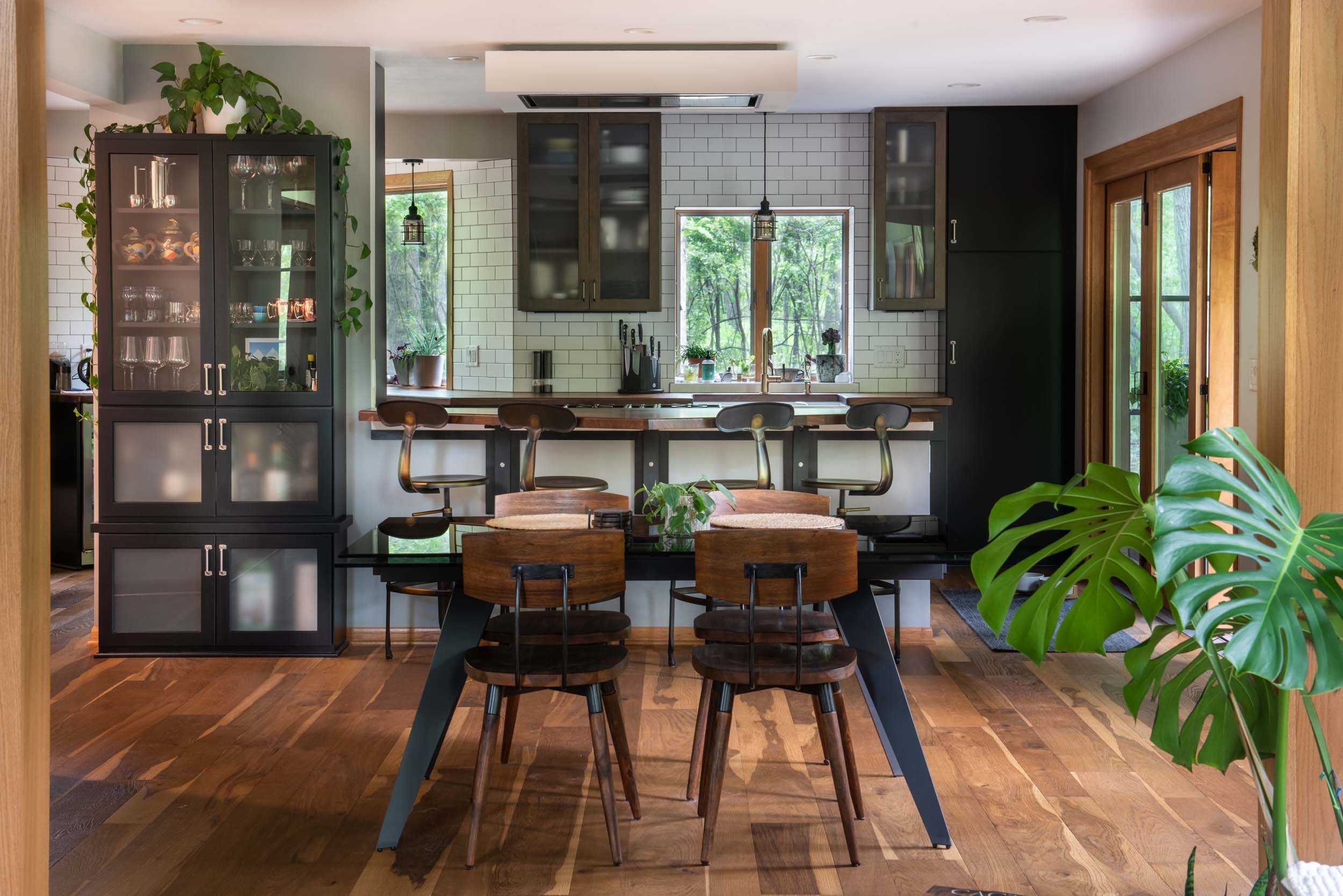
Blending rustic charm with sleek modern touches creates a kitchen that’s both inviting and stylish. The key is to find the perfect balance so that neither style overpowers the other, resulting in a space that feels warm yet contemporary. To achieve this, combine raw, natural materials like wood or stone with clean-lined cabinetry and minimalist fixtures. Layering textures and contrasting elements adds depth and character, making your kitchen a true reflection of your personality. Whether you’re renovating or designing from scratch, mixing rustic and modern styles can turn your kitchen into a functional, beautiful centerpiece that’s both timeless and trendy.
A quick solution to mixing rustic and modern elements in your kitchen is to start with a neutral palette, then incorporate rustic textures through features like wood beams or vintage accessories, while maintaining sleek, modern appliances and fixtures. Keep the balance by using modern design principles for layout and clean lines, and add rustic accents for warmth and personality.
To beautifully mix rustic and modern elements in your kitchen design, you need a thoughtful approach that combines the comfort of rustic charm with the sleekness of modern aesthetics. Imagine warm wooden cabinets paired with stainless steel appliances or vintage-inspired lighting fixtures alongside minimalist countertops. The goal is to create a space that feels lived-in and welcoming, yet uncluttered and sophisticated. This fusion not only adds visual interest but also makes your kitchen more personalized and versatile. Whether you prefer a more subtle blend or a bolder contrast, combining these styles allows you to craft a kitchen that’s both functional and full of character, perfectly suited to your lifestyle and taste.

Mixing rustic and modern elements in kitchen design
Understanding the blend of rustic and modern styles
Mixing rustic and modern elements creates a unique kitchen look that feels warm and inviting while staying sleek and functional. Rustic design features natural materials, rough textures, and a cozy vibe. Modern design emphasizes clean lines, minimalism, and innovative materials. Combining these styles can result in a balanced space that is both charming and contemporary.
Why integrate rustic and modern styles?
People choose to blend these styles because they want a kitchen that feels personal and comfortable yet stylish. Rustic elements add character and warmth, while modern touches bring elegance and efficiency. This mix appeals to homeowners who seek a space that is both timeless and up-to-date.
Key features of rustic kitchen design
Rustic kitchens often showcase:
- Exposed wooden beams and reclaimed wood cabinets
- Natural stone countertops and backsplashes
- Vintage or farmhouse-inspired fixtures
- Warm color palettes such as earth tones and neutrals
- Worn or distressed finishes for furniture and decor
Essential elements of modern kitchen design
Modern kitchens focus on:
- Streamlined cabinetry with flat fronts
- Minimalistic hardware and fixtures
- Quartz or sleek granite countertops
- Open floor plans with clean, uncluttered spaces
- High-tech appliances and smart home features
Strategies for blending rustic and modern styles
Successfully mixing these elements involves balancing their contrasts. Here are some strategies to achieve harmony:
1. Use a neutral color palette
Soft whites, grays, and beiges act as a backdrop that allows rustic and modern features to coexist seamlessly. Bright accent colors can add vibrancy without overpowering the balance.
2. Combine materials thoughtfully
Pair rustic materials like reclaimed wood or stone with sleek, modern surfaces such as stainless steel or glass. This contrast highlights both styles without clashing.
3. Mix vintage and contemporary fixtures
Install vintage-style light fixtures or hardware alongside modern appliances. This pairing adds personality and visual interest.
4. Keep clutter minimal
A modern approach to organization maintains the kitchen’s streamlined appearance, making rustic elements stand out more effectively.
Choosing the right furniture and fixtures
Furniture plays a vital role in setting the style tone. Consider:
- Open shelving using reclaimed wood combined with simple, modern cabinetry
- Farmhouse sinks paired with sleek, minimalist faucets
- Light fixtures that combine rustic metal finishes with modern shapes
Balance is key when selecting furniture to ensure neither style overpowers the other.
Color schemes that complement both styles
Colors are fundamental in uniting rustic and modern looks. Popular options include:
- Warm neutrals like beige, taupe, and soft browns
- Charcoal gray or black for contrast and sophistication
- Bright whites for a clean, modern feel
- Accent colors such as navy blue or forest green for depth
These palettes create a comfortable and cohesive space.
Lighting ideas for a harmonious look
Lighting enhances the blend by highlighting textures and materials. Consider:
Pendant lights with rustic metal finishes over modern islands
Recessed lighting for a clean ceiling look
Vintage-inspired chandeliers paired with sleek under-cabinet LED lighting
Effective lighting brings warmth and functionality to the kitchen.
Decor and accessories to enhance the fusion
Decorative choices add character and tie the styles together.
- Vintage jars and rustic baskets combined with modern art pieces
- Textured textiles like linen or burlap mixed with smooth, contemporary fabrics
- Open shelving displays of rustic ceramics alongside minimalist glassware
Keep clutter minimal to retain a modern sleekness while showcasing rustic charm.
Integrating technology with rustic charm
Modern appliances and smart home features can be seamlessly incorporated into rustic settings by choosing designs that complement natural finishes. For example:
- Black or stainless steel appliances with simple lines
- Smart lighting that mimics warm, natural light
- Touchless faucets in matte black or brushed nickel
This approach keeps the kitchen functional and up-to-date without losing its rustic soul.
Maintaining balance and avoiding overstatement
The key to a successful rustic and modern kitchen blend is moderation. Limit rustic elements to certain areas or features to prevent overcrowding.
- Use modern cabinetry with rustic countertop accents
- Reserve rustic wall treatments for feature walls or backsplashes
- Choose a few statement fixtures to highlight rustic charm or modern sleekness
This balance prevents the space from feeling too busy or mismatched.
Examples of successful rustic-modern kitchen designs
Some examples include:
- A kitchen with a reclaimed wood island paired with minimalist white cabinets
- A space featuring exposed brick walls with sleek stainless steel appliances
- Open shelving with vintage jars and modern pendant lighting
These designs prove that blending styles can create truly inviting and stylish kitchens.
Final tips for blending rustic and modern styles
– Start with a neutral base to keep the space cohesive
– Incorporate rustic materials thoughtfully to avoid overwhelming the modern elements
– Use lighting to highlight textures and materials
– Select furniture and decor that bridge both worlds
– Keep the overall design uncluttered to maintain a sleek look
Creating a kitchen that combines rustic warmth and modern sophistication offers a space that is both charming and functional. Thoughtful pairing of materials, colors, and fixtures ensures that the blend feels natural and welcoming. With attention to balance and detail, you can craft a kitchen that truly reflects your personal style while remaining practical and timeless.
Modern Rustic Kitchen Design Ideas You Plan kitchen Dream Space
Frequently Asked Questions
How can I balance rustic and modern elements without making the kitchen look cluttered?
To achieve a balanced look, choose a few key rustic features such as exposed wood beams or vintage fixtures and pair them with sleek, contemporary cabinets or countertops. Keep the color palette cohesive, using neutral tones to tie the design together. Limit the number of statement pieces to prevent the space from feeling overwhelmed, and ensure that modern and rustic accents complement each other rather than compete for attention.
What materials work best for mixing rustic and modern styles in a kitchen?
Natural materials like reclaimed wood, stone, and metal work well for rustic touches. For modern elements, incorporate smooth surfaces such as quartz countertops, glass, or high-gloss cabinets. Combining these materials creates a dynamic contrast that highlights both styles. For example, pairing a wooden island with sleek metal hardware adds visual interest while maintaining harmony.
How can lighting enhance a rustic-modern kitchen design?
Use lighting fixtures that blend rustic charm with contemporary design, such as industrial pendant lights or vintage-inspired bulbs paired with minimalist fixtures. Strategically placed lighting can emphasize textures like wood grain or stone while providing ample illumination for practical tasks. Layered lighting, including under-cabinet LEDs and statement fixtures, helps create a warm yet stylish ambiance.
What color schemes complement the mix of rustic and modern styles?
Neutral tones like whites, grays, and beiges serve as a versatile foundation that allows both rustic and modern elements to shine. Incorporate accent colors inspired by nature, such as earthy greens or warm browns, to enhance the rustic feel. Keep the overall palette restrained to maintain a cohesive and inviting space that balances warmth with sophistication.
Are there specific layouts that suit a rustic-modern kitchen best?
Open-concept layouts work particularly well, providing flexibility for mixing styles and creating a spacious, inviting environment. Consider functional zones for cooking, dining, and socializing, and use rustic elements to define each area. For example, a wooden dining table paired with modern bar stools creates a seamless flow between different sections of the kitchen.
How can accessories and decor enhance the fusion of rustic and modern styles?
Select decorative items that showcase rustic craftsmanship, such as vintage pottery or woven textiles, alongside sleek, minimalist accessories like metal or glass decor pieces. Incorporate statement art or vintage signage to add personality. The key is to balance these elements so they complement each other, creating a space that feels curated and cohesive without cluttering the overall design.
Final Thoughts
Mixing rustic and modern elements in kitchen design creates a balanced space that feels both warm and stylish. Incorporating exposed wooden beams or vintage accents alongside sleek countertops and contemporary appliances adds character. This blend fosters a welcoming environment while maintaining a fresh aesthetic. Ultimately, integrating rustic and modern elements in kitchen design offers a unique and functional space that reflects personal style.