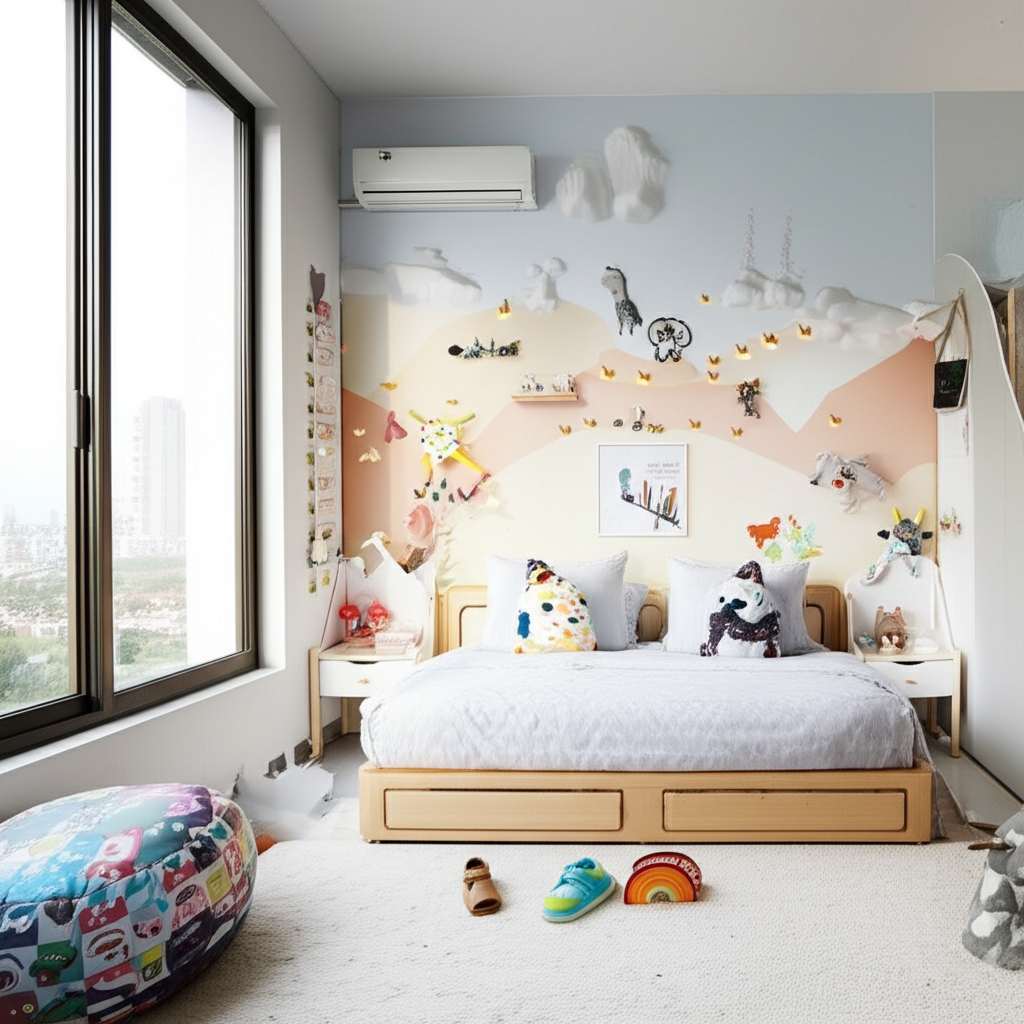
Creating a modern kids’ bedroom that’s both stylish and functional is easier than you think! Focus on smart storage, adaptable furniture, and playful yet sophisticated decor. This guide offers simple, budget-friendly ideas to transform your child’s space into an amazing, inspiring haven they’ll love for years.
Does your child’s room feel a bit chaotic, or maybe just a little… blah? You’re not alone! Many parents struggle to balance what kids love with what looks good and works practically. It can feel like a puzzle, trying to fit in storage, play areas, and sleeping space without making it look cluttered.
But designing a modern, amazing kids’ bedroom doesn’t have to be overwhelming or expensive. With a few clever ideas and a touch of creativity, you can craft a space that sparks joy and supports your child’s growth.
This guide is here to walk you through it, step by step. We’ll explore fun, easy-to-implement design ideas that are perfect for any budget. Get ready to discover how to transform your child’s room into a space that’s both a sanctuary and a source of endless inspiration!
Why Modern Design Works for Kids’ Rooms
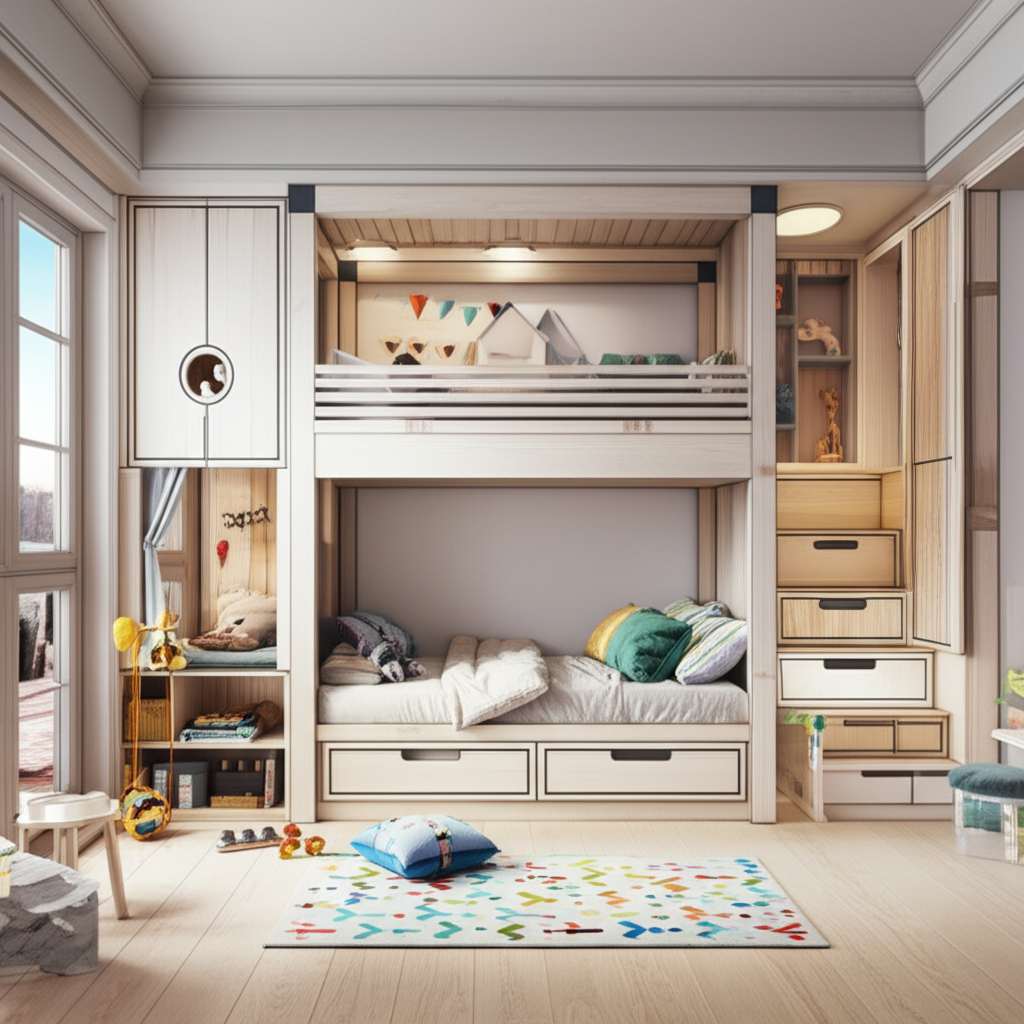
Modern design often emphasizes clean lines, functional spaces, and a less-is-more approach. For kids’ rooms, this translates into a calming, organized environment that’s easy to manage and adapt as your child grows. It’s not about stark minimalism; it’s about creating a smart, beautiful, and adaptable space.
Think of it as building a foundation that can evolve. Instead of trendy themes that might be outgrown quickly, modern design focuses on timeless elements that can be personalized with accessories. This makes it a sustainable and cost-effective choice for busy families.
Key Elements of Modern Kids’ Bedroom Design
What makes a kids’ room feel “modern” yet still kid-friendly? It’s a blend of thoughtful choices. We’re talking about furniture that’s both stylish and practical, colors that are engaging but not overwhelming, and storage solutions that keep clutter at bay.
The goal is to create a space that feels open, airy, and conducive to both play and rest. It’s about smart choices that make the room feel bigger, brighter, and more organized, no matter the size of your space.
1. Color Palette: Calming Neutrals with Pops of Playfulness
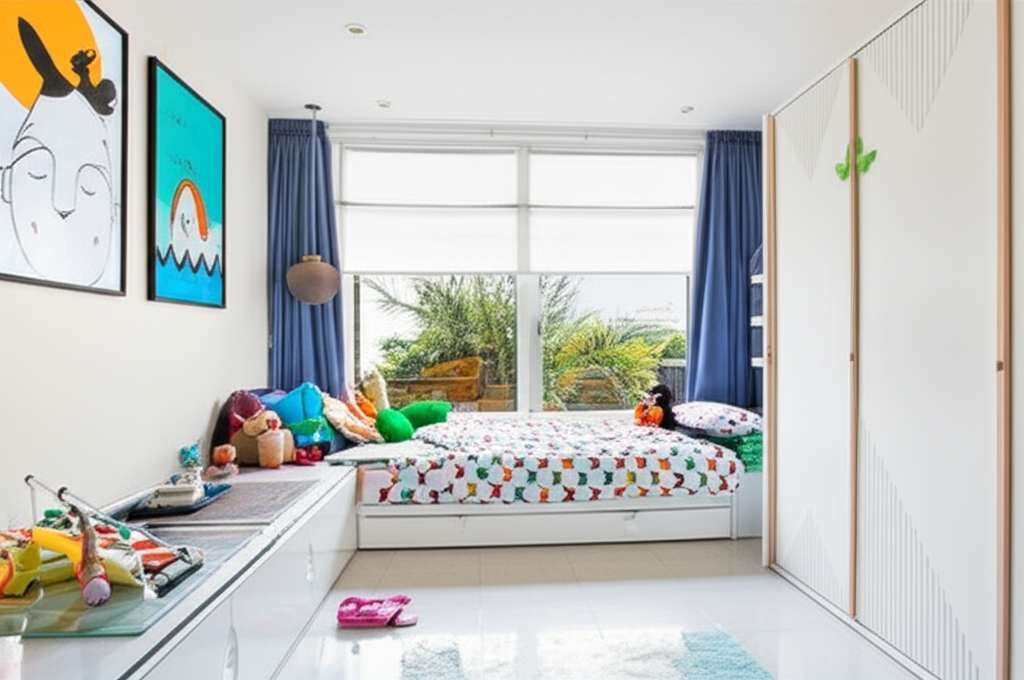
Modern design often leans towards neutral bases like whites, grays, beiges, and soft blues or greens. These create a serene backdrop that makes other elements stand out. For a child’s room, this means avoiding overly stimulating bright colors everywhere.
Instead, use these calming neutrals on walls and larger furniture pieces. Then, inject personality and fun with vibrant pops of color through bedding, rugs, artwork, and accessories. This approach keeps the room feeling sophisticated while still being cheerful and engaging for kids.
Consider these popular modern color pairings:
- Soft Gray walls with mustard yellow and teal accents.
- Crisp White walls with blush pink and mint green touches.
- Light Beige walls with navy blue and burnt orange details.
- Pale Blue walls with coral and soft gray accents.
2. Furniture: Smart, Multi-Functional, and Scalable
In modern kids’ rooms, furniture is chosen for its purpose and longevity. Think pieces that can grow with your child. Convertible cribs that turn into toddler beds, or desks that can be adjusted in height, are excellent examples.
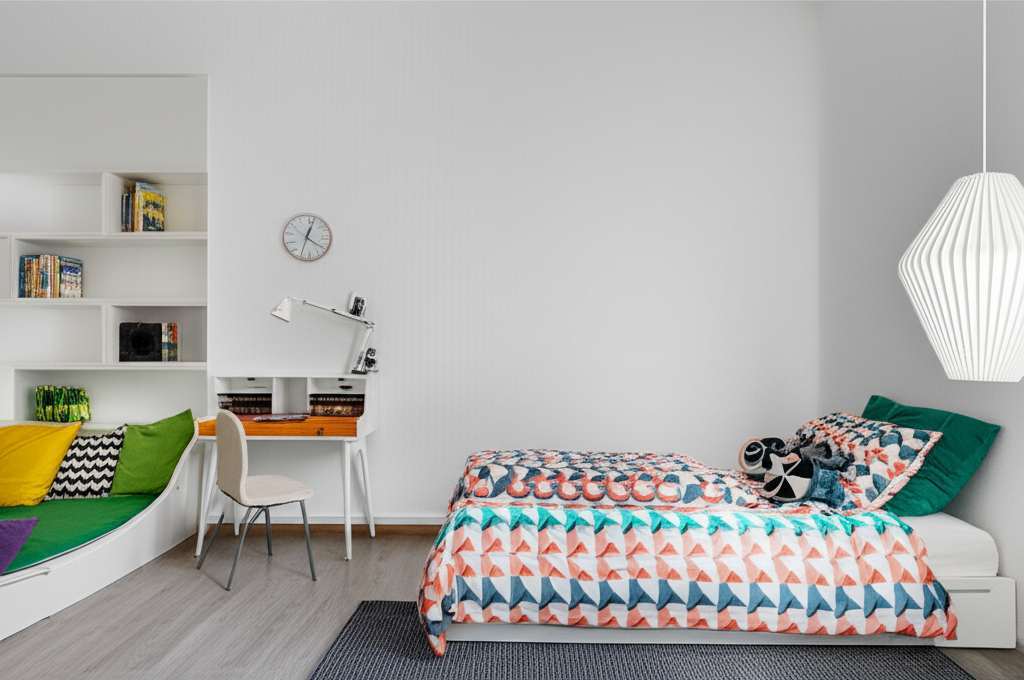
Multi-functional furniture is a game-changer, especially in smaller rooms. A bed with built-in drawers, a storage ottoman, or a desk that doubles as a nightstand can save a lot of space. Opt for clean, simple designs that won’t go out of style.
3. Storage Solutions: The Backbone of an Organized Room
Clutter is the enemy of modern design. Smart storage is crucial for keeping a kids’ room tidy and functional. Look for integrated storage solutions, modular shelving, and attractive bins or baskets.
Vertical storage is your best friend. Tall, narrow bookshelves or wall-mounted shelves can hold books, toys, and decorative items without taking up much floor space. Under-bed storage bins are perfect for stashing extra bedding, out-of-season clothes, or less-used toys.
Here are some effective storage ideas:
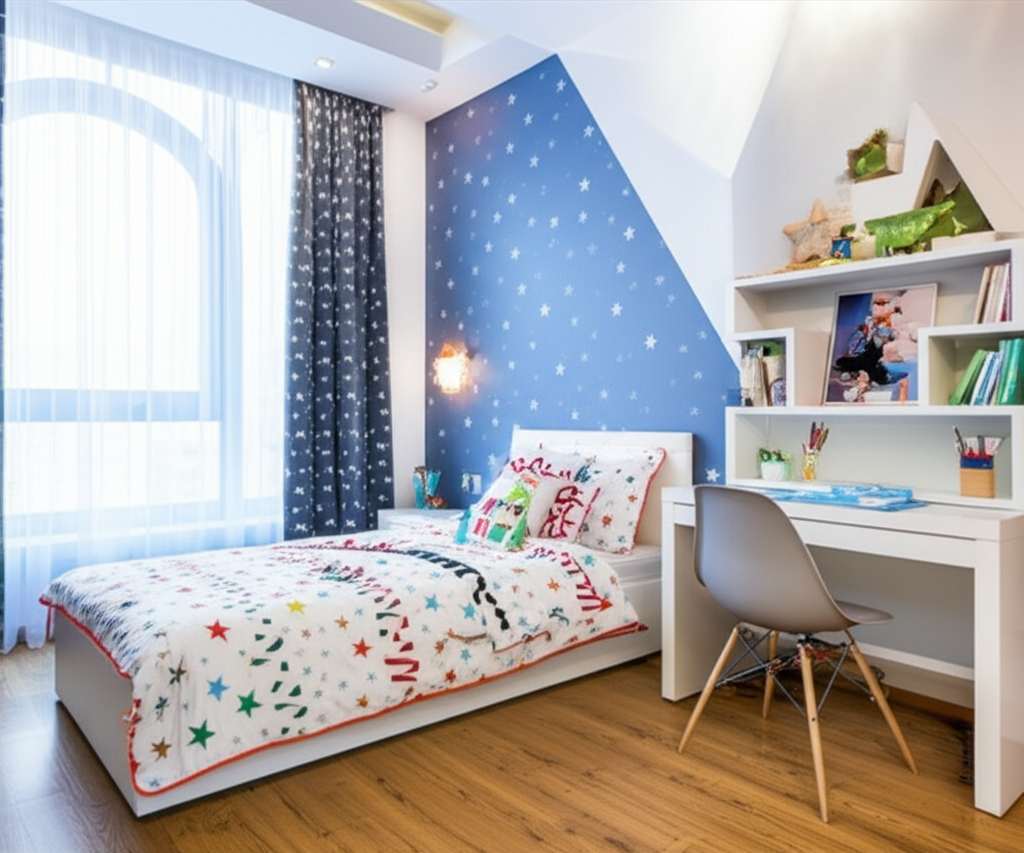
- Modular Shelving Units: These can be reconfigured as needs change.
- Built-in Storage: If possible, consider built-in wardrobes or shelves.
- Cube Storage Organizers: Versatile and come with fabric bins.
- Wall-Mounted Shelves: Great for displaying books and treasures.
- Baskets and Bins: Use stylish ones to hide away smaller items.
- Under-Bed Drawers/Bins: Maximize unused space.
4. Lighting: Layered and Functional
Good lighting can completely transform a room. Modern design utilizes layered lighting to create different moods and serve various functions. This means combining ambient, task, and accent lighting.
Ambient lighting provides overall illumination, often from a ceiling fixture. Task lighting, like a desk lamp or a reading light near the bed, is essential for activities. Accent lighting can highlight artwork or shelves.
Consider smart lighting options that can be controlled remotely or set on timers. Dimmers are also fantastic for adjusting the mood from playtime to bedtime.
5. Flooring: Durable and Comfortable
Flooring in a kids’ room needs to be durable, easy to clean, and comfortable. While hardwood floors are a modern staple, they can be cold and hard for little ones. Adding a soft, washable rug is a great solution.
For a modern look, consider neutral-toned rugs with subtle geometric patterns or textures. Area rugs can define play zones or add warmth to the sleeping area. Natural materials like wool or jute can offer a sophisticated touch, but ensure they are easy to spot-clean.
Modern Kids Bedroom Design Ideas: Bringing it to Life
Now, let’s get to the fun part! Here are some inspiring ideas to get you started on creating your child’s amazing modern bedroom.
Idea 1: The Minimalist Haven with a Playful Twist
Start with a neutral base. Think soft gray walls, a simple white bed frame, and light wood furniture. This creates a calm, uncluttered foundation.
To add the playful twist, introduce vibrant bedding in a fun geometric pattern. Hang a collection of colorful, abstract art prints. Use playful storage bins in bright colors on shelves. A fun, chunky knit rug can add texture and warmth.
Idea 2: The Adventure Zone
This design is perfect for energetic kids. Use a bolder accent color on one wall, like a deep teal or a forest green. Incorporate natural wood elements for a touch of warmth and texture.
Furniture can include a loft bed to maximize floor space for a play area underneath. Consider a climbing wall feature or a rope ladder for an adventurous touch. Storage can be inspired by natural elements, like woven baskets or wooden crates.
For a touch of modern sophistication, balance the adventure with clean-lined furniture and a muted rug. You can find great inspiration for durable, kid-friendly climbing structures at resources like REI’s guide to indoor climbing walls, which often translate to home-friendly ideas.
Idea 3: The Creative Studio
This concept focuses on a space that inspires creativity. A large chalkboard or whiteboard wall is a fantastic focal point. Keep the rest of the room neutral and organized to let the artwork shine.
Invest in a good-sized desk with ample storage for art supplies. Wall-mounted shelves are perfect for displaying finished projects and keeping supplies accessible. Consider a comfortable reading nook with soft cushions and good lighting.
A rug with a subtle, inspiring pattern can tie the space together. Think about incorporating a pegboard for displaying artwork and organizing tools.
Idea 4: The Cozy Reading Nook Retreat
Even small rooms can have a dedicated cozy corner. Use soft textures, comfortable seating, and warm lighting to create an inviting space for reading and quiet time.
A comfortable beanbag chair, a floor cushion, or a small armchair can work well. Add a soft throw blanket and a stack of favorite books. Wall-mounted shelves or a small bookcase nearby are essential.
Consider a string of fairy lights or a stylish floor lamp for soft, ambient light. This area can be a calming contrast to a more active play space within the same room.
Idea 5: The Adaptable Teen Space
As kids get older, their needs change. A modern teen room focuses on functionality, personal style, and a more mature aesthetic. Think about modular furniture that can be reconfigured, and a color palette that’s sophisticated yet still youthful.
A desk that can accommodate a computer, comfortable seating, and ample storage for books, electronics, and personal items are key. Consider adding a comfortable seating area, like a small sofa or a trendy accent chair.
Personalization is important here. Allow your teen to express themselves through artwork, posters, and decorative accessories. Smart lighting, like adjustable desk lamps and ambient mood lighting, can also make a big difference.
DIY Modern Touches for Kids’ Rooms
You don’t need to spend a fortune to achieve a modern look. Many stylish updates can be done yourself!
- Paint Accent Walls: A fresh coat of paint can dramatically change a room’s feel.
- Update Hardware: Swap out old drawer pulls on dressers or desks for modern ones.
- Create DIY Art: Frame children’s artwork in clean, simple frames for a gallery wall.
- Decoupage Furniture: Add a modern pattern to drawer fronts or shelves with wallpaper or fabric.
- Install Floating Shelves: These offer a sleek, modern storage solution.
Choosing the Right Bed for a Modern Kids’ Room
The bed is often the focal point of a child’s room. For a modern design, consider these options:
Platform Beds: These have a low profile and clean lines, fitting perfectly with a modern aesthetic. Many come with built-in storage drawers, maximizing functionality.
Loft Beds: Ideal for saving space, loft beds free up floor area underneath for a desk, play space, or additional storage. Choose one with a simple, sturdy frame.
Bunk Beds: A classic space-saver for shared rooms, modern bunk beds often feature sleek designs and safety features. Some can even be separated into two twin beds later on.
Convertible Beds: For younger children, a convertible crib that transforms into a toddler bed or even a daybed offers long-term value and a consistent modern look.
When selecting a bed, prioritize safety, durability, and a design that aligns with your chosen color palette and overall room style. Materials like natural wood, white, or gray finishes tend to work best for a modern look.
Table: Comparing Modern Bed Types for Kids’ Rooms
| Bed Type | Pros | Cons | Best For |
|---|---|---|---|
| Platform Bed | Modern aesthetic, often includes storage, no box spring needed. | Can be low to the ground (consider if this is an issue). | Older toddlers, kids, teens who want a clean look. |
| Loft Bed | Maximizes floor space, creates distinct zones (sleep/play/study). | Requires climbing, may not be suitable for very young children, can feel high. | Kids who need to save space, enjoy creating play areas. |
| Bunk Bed | Space-saving for siblings, fun for sleepovers. | Safety concerns (guardrails are crucial), requires adult supervision for younger kids. | Shared rooms, families with multiple children. |
| Convertible Bed | Long-term value, adapts to child’s growth, consistent style. | Can be more expensive upfront, requires assembly/disassembly for changes. | Infants and toddlers transitioning to bigger beds. |
Decor and Accessories: Personalizing the Space
This is where your child’s personality truly shines! Modern accessories are about curated choices that add character without overwhelming the space.
Textiles: Think beyond basic bedding. Introduce textured throws, decorative pillows with fun patterns, and soft rugs. Geometric prints, subtle stripes, or abstract designs work well.
Wall Art: Create a gallery wall with a mix of framed prints, photos, and your child’s own artwork. Consider large-scale pieces for a bold statement or a collection of smaller pieces for a curated look.
Lighting Fixtures: Swap out a plain ceiling light for something more stylish, like a modern pendant light or a geometric fixture. Add a fun desk lamp or a wall sconce for reading.
Plants: A few low-maintenance, child-safe plants can add a touch of life and color. Ensure they are placed out of reach if your child is prone to touching or tasting things.
Storage Baskets and Boxes: Opt for stylish options in materials like woven seagrass, felt, or painted metal that complement your color scheme. Labeling them can help with organization.
The key is to choose a few impactful pieces rather than cluttering the room with too many small items. This keeps the modern, streamlined feel intact.
Creating Zones within the Room
Even in a small room, you can create distinct zones for sleeping, playing, and studying. This makes the space more functional and organized.
- Sleeping Zone: This is usually centered around the bed. Use a comfortable rug to define this area and add soft lighting for bedtime.
- Play Zone: If space allows, dedicate a corner or area for toys and games. A soft rug here can make it comfortable for floor play. Storage bins are essential for keeping toys tidy.
- Study/Creative Zone: A desk with good lighting and nearby storage for books and art supplies is crucial for homework and creative projects.
You can visually separate these zones using rugs, furniture placement, or even different paint colors on accent walls. For instance, a brightly colored rug can define the play area, while a more muted one anchors the sleeping space.
Safety First in Modern Kids’ Rooms
Modern design principles often align with safety. Clean lines mean fewer sharp corners to bump into. However, always prioritize safety in a child’s room:
- Secure Furniture: Anchor tall furniture like bookshelves and dressers to the wall to prevent tipping. This is crucial for preventing accidents. The Consumer Product Safety Commission (CPSC) provides excellent resources on furniture tip-over prevention.
- Cord Management: Keep electrical cords tidy and out of reach to prevent strangulation hazards.
- Non-Toxic Materials: Choose paints, finishes, and furnishings made with low or zero VOCs (Volatile Organic Compounds) for better air quality.
- Safe Bedding: Ensure cribs and beds meet current safety standards. For older children, use guardrails on loft or bunk beds if recommended.
- Rounded Edges: If possible, opt for furniture with rounded edges, especially for younger children.
Frequently Asked Questions (FAQ)
Q1: How do I make a small kids’ room look modern and feel spacious?
Focus on a light color palette for walls and large furniture. Utilize vertical storage, such as tall bookshelves and wall-mounted shelves, to keep the floor clear. Opt for multi-functional furniture like beds with built-in drawers and keep decor minimal but impactful.
Q2: What are the best colors for a modern kids’ bedroom?
Start with a neutral base like white, gray, or beige. Then, add pops of color through bedding, rugs, artwork, and accessories. Popular accent colors include teal, mustard yellow, blush pink, mint green, and navy blue.
Q3: Is it okay to use themed decor in a modern kids’ room?
Modern design favors timeless elements, so avoid overly specific, trendy themes. Instead, incorporate a child’s interests through subtle touches like character-themed bedding, themed artwork, or decorative accessories that can be easily swapped out as tastes change.
Q4: How much storage do kids really need?
Kids often have more toys and belongings than we realize! Aim for a combination of open shelving for display and easy access to frequently used items, and closed storage (like bins, baskets, or drawers) for hiding away clutter. Vertical storage is key to maximizing space.
Q5: How can I involve my child in the design process?
Let them choose their favorite colors for accents, pick out bedding or artwork, and decide where certain toys should be stored. Giving them a sense of ownership makes them more likely to love and care for their room.
Q6: What kind of flooring is best for a modern kids’ room?
Durable, easy-to-clean flooring like laminate or vinyl planks can work well. If you have hardwood, adding a soft, washable area rug is essential for comfort and defining zones. Ensure rugs are non-slip.
Conclusion
Designing a modern kids’ bedroom is all about creating a space that is both beautiful and functional, a place where your child can grow, play, and dream. By focusing on a calm color palette, smart, multi-functional furniture, and clever storage solutions, you can transform any room into an amazing haven.
Remember, modern doesn’t mean sterile. It’s about clean lines, thoughtful organization, and injecting personality through carefully chosen details. Whether you’re working with a small space or a large one, these ideas provide a framework for creating a stylish, inspiring, and practical bedroom that your child will love for years to come.
Don’t be afraid to involve your child in the process and let their unique personality shine through. With a little planning and creativity, you can craft a truly amazing space that nurtures their imagination and provides a comforting retreat.