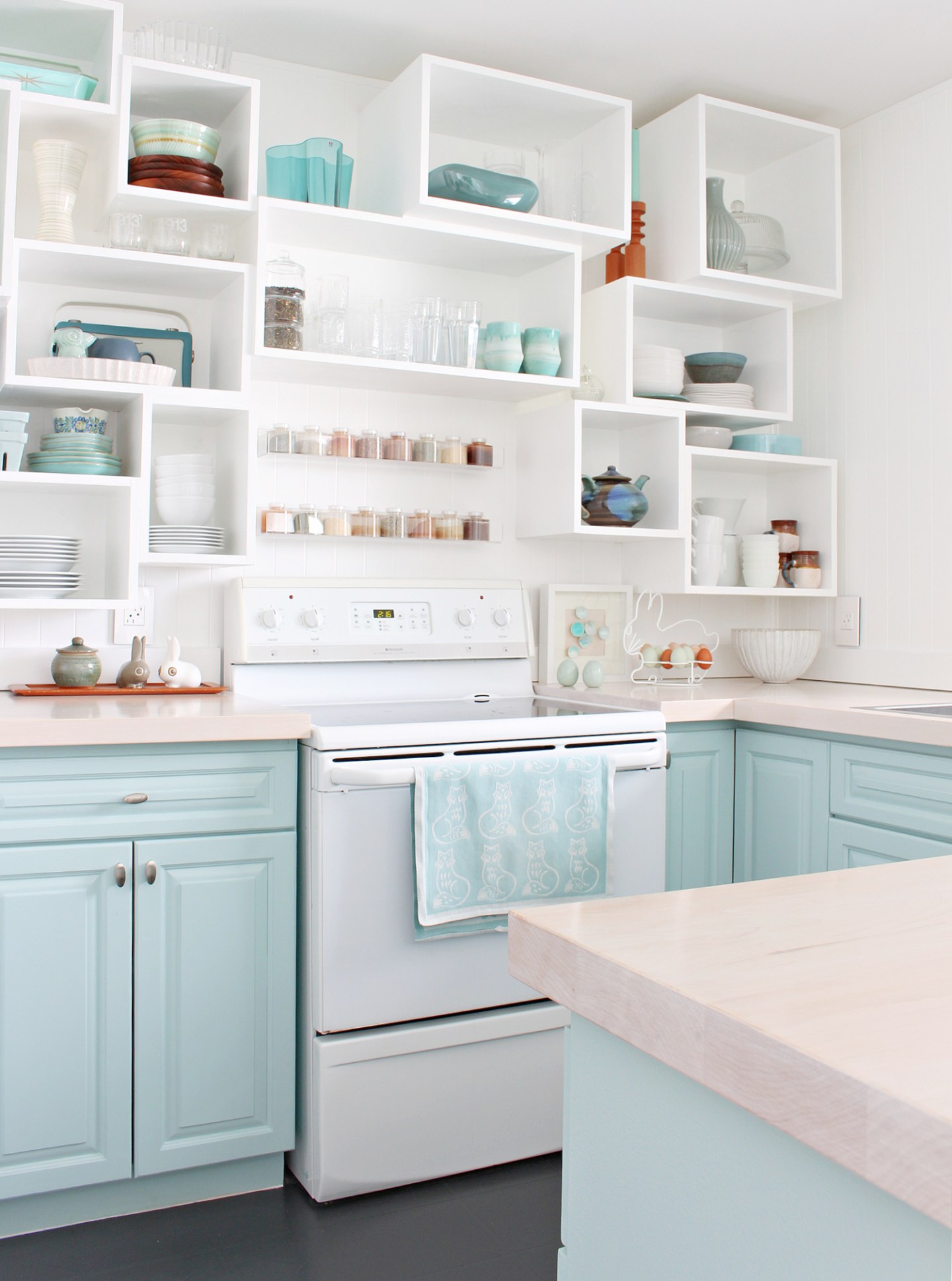
Open shelving offers easy access and a stylish look. Closed cabinets provide better storage and hide clutter.
Small kitchens need smart storage solutions. Choosing between open shelving and closed cabinets can shape your space. Open shelves display your dishes and decor, making the kitchen feel larger. They invite creativity and personalization. On the other hand, closed cabinets help keep items out of sight.
They create a clean and organized look. Think about your cooking style and how you use your kitchen. Both options have benefits and drawbacks. Consider your storage needs and design preferences. This choice can affect your kitchen’s functionality and aesthetic. For more inspiration on maximizing small spaces, check out our guide to cozy small kitchen ideas. Ultimately, the right decision enhances your cooking experience while maximizing space.
Introduction To Space-saving Storage Solutions
Small kitchens often face a storage dilemma. The choice between open shelving and closed cabinets impacts both style and space. Open shelving can make a kitchen feel larger. It displays items and keeps them easily accessible. However, it requires constant organization and cleaning.
Closed cabinets offer a sleek appearance. They hide clutter and protect items from dust. This option can make a kitchen feel cozy. Yet, closed cabinets can limit visibility and accessibility.
Consider both aesthetic and functional aspects. Open shelves allow for creativity and personalization. Closed cabinets provide a clean, uniform look. Finding the right balance is key for small spaces.
The Appeal Of Open Shelving
Open shelving offers a sense of visual spaciousness in small kitchens. It creates an airy feel, making the room appear larger. This design choice allows for easy display of dishes and decor.</p
Items on open shelves are easy to access. Home cooks can quickly grab what they need while cooking. It encourages organization and can save time during meal prep. Open shelving invites creativity in kitchen decor.
Pros Of Open Shelving
Open shelving offers a great way to save money</strong. No doors mean lower costs. You can find stylish shelves at affordable prices. This option allows for easy access to kitchen items.
Versatile display options make open shelving attractive. Show off beautiful dishes and cookbooks. Change the arrangement easily to refresh the look. Friends and family can admire your collection.
Open shelves create a sense of space. Small kitchens feel larger without bulky cabinets. Bright colors on dishes can add joy to the kitchen.
Challenges With Open Shelving
Open shelving can create a visual clutter in small kitchens. Items on display may seem messy. This can make the kitchen feel smaller and less organized.
Dust and grease can accumulate on open shelves. Regular cleaning is necessary to keep them tidy. This demands more time and effort compared to closed cabinets.
Without doors, every item is visible. This can lead to disorganization if not maintained properly. It is essential to have a system for displaying only what is needed.
The Case For Closed Cabinets
Closed cabinets offer excellent clutter concealment. They hide dishes, pots, and pans away from view. This creates a cleaner look in small kitchens. No one wants to see a messy countertop.
The streamlined design of closed cabinets enhances a kitchen’s overall appearance. They can be sleek and modern or warm and traditional. Choosing the right color and style adds to the kitchen’s charm. Closed cabinets also protect items from dust and damage.
For small kitchens, every inch matters. Closed cabinets maximize storage while maintaining a tidy space. They provide a sense of order and calm in a busy kitchen.
Credit: debanddanelle.com
Benefits Of Closed Cabinets
Closed cabinets offer great organizational efficiency. They help hide clutter and keep items out of sight. This makes small kitchens look tidy and spacious. With closed cabinets, it’s easier to find what you need quickly.
Aesthetic uniformity is another benefit. Closed cabinets create a clean and cohesive look. They can match the kitchen’s overall design. This adds a sense of style and elegance to the space.
Using closed cabinets can also protect dishes and food from dust. They help keep everything clean and ready to use. This is especially important in small kitchens where space is limited.
Downsides To Closed Cabinets
Closed cabinets can take up a lot of space in small kitchens. They often extend from the floor to the ceiling, which can make a room feel crowded. This design limits the visual openness of the kitchen.
Accessibility can be a major trade-off. Items stored in high cabinets are hard to reach. This means you may need a step stool to grab everyday items. It can be frustrating and time-consuming to find what you need.
Closed cabinets may hide your kitchenware, but they also limit display options. Open shelving allows for easy access and showcasing of favorite items. This can make cooking and entertaining more enjoyable.
:max_bytes(150000):strip_icc()/pr_7311_hmwals101219103-2000-0a4c174c659a44b2aba37e240e8d78ca-4c9cb72381484ababefa81cb9ae52476.jpeg)
Credit: www.southernliving.com
Combining Open Shelving With Closed Cabinets
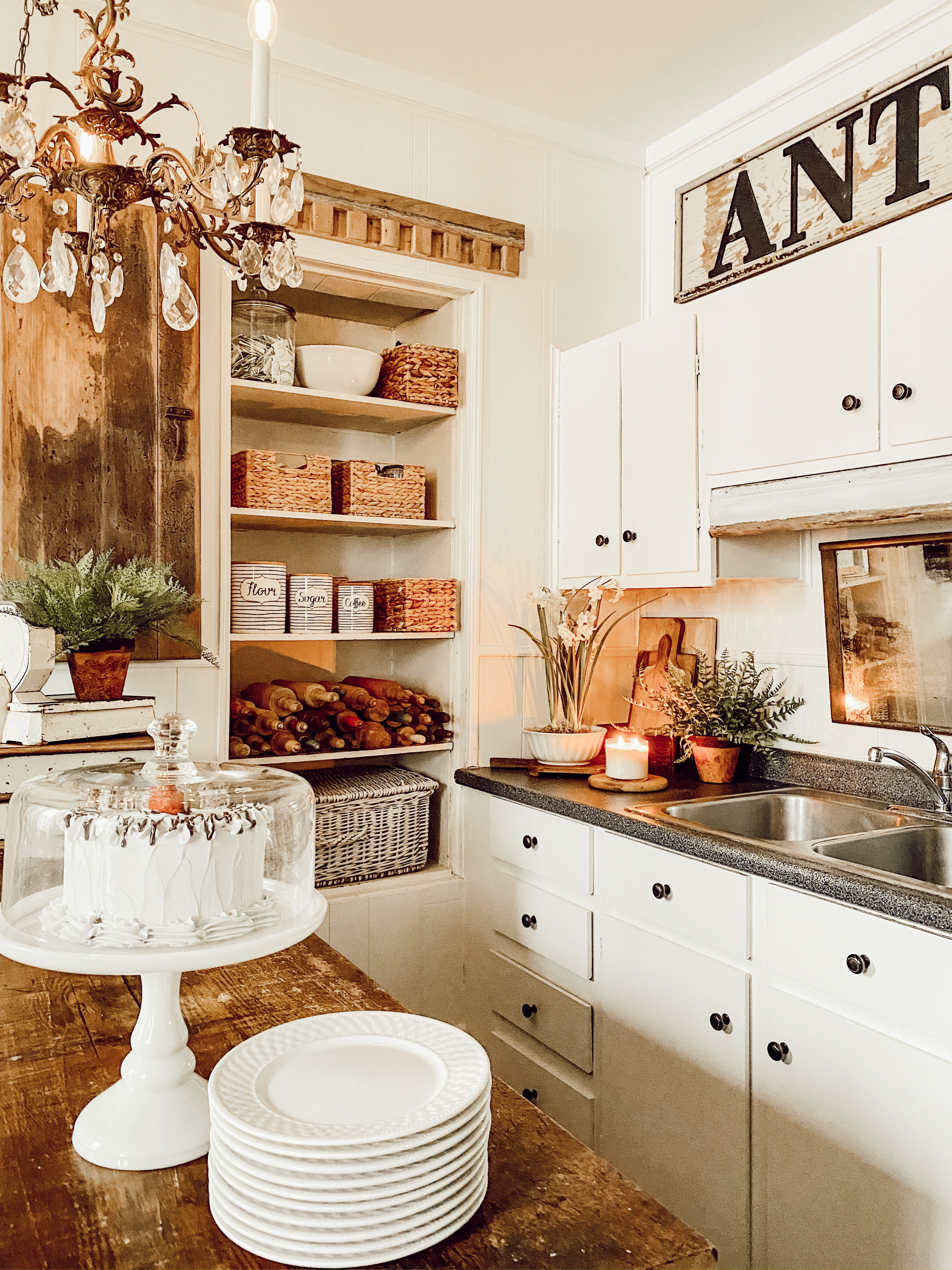
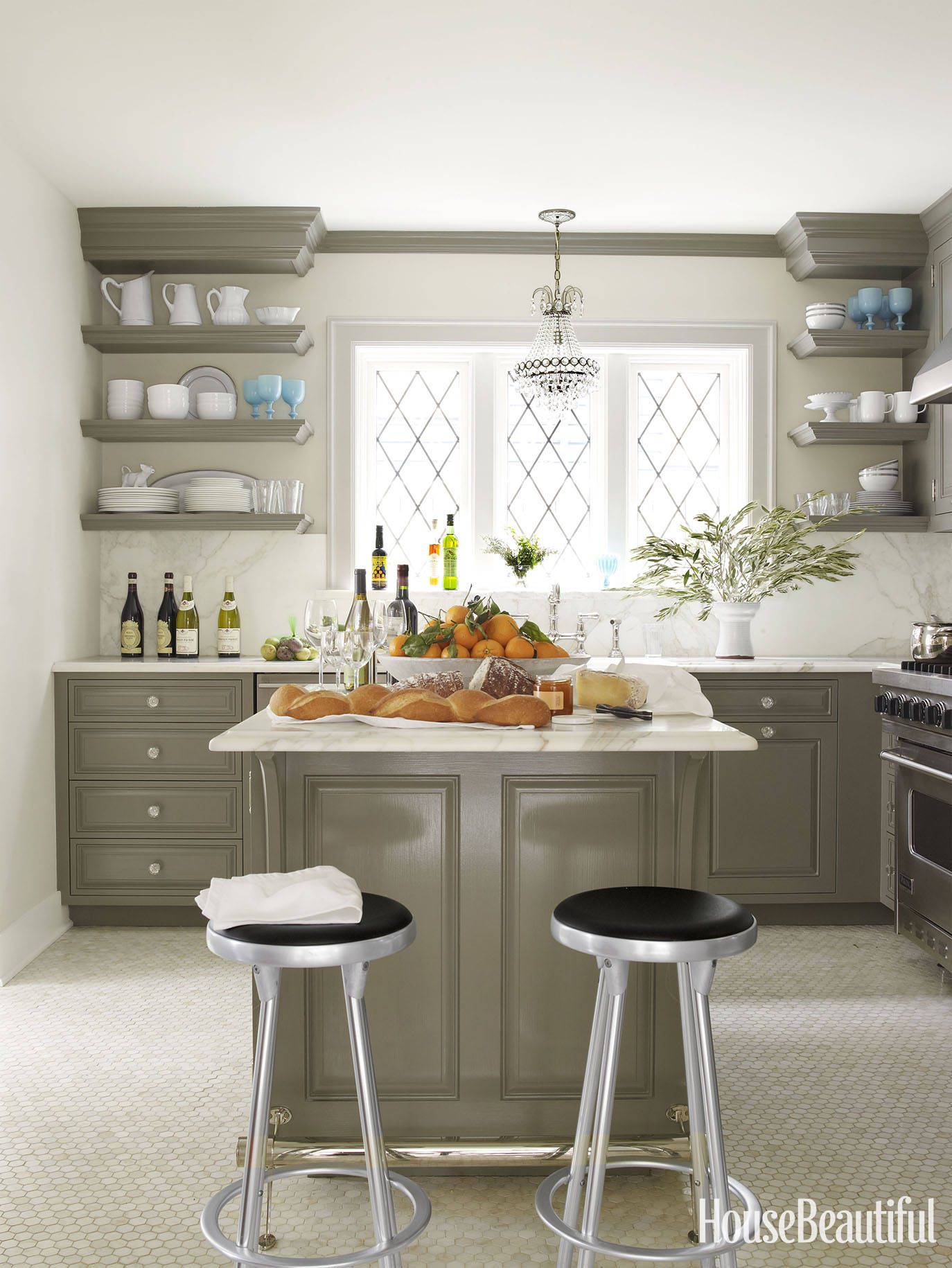
Combining open shelving with closed cabinets creates a stylish kitchen. This mix offers balanced functionality. Open shelves display beautiful dishes and decor. Closed cabinets hide clutter and keep items organized.
Design integration techniques can enhance the look of small kitchens. Use open shelves above counters for easy access. Place closed cabinets below for storage. Choose similar materials and colors for a cohesive feel.
Consider the use of lighting to highlight open shelves. This adds charm and makes items stand out. Use decorative boxes in closed cabinets for a neat appearance.
Mixing these two styles maximizes space and efficiency. It allows for personal expression while keeping the kitchen functional. For additional storage inspiration, explore our roundup of stylish kitchen storage accessories.
Design Tips For Small Spaces
Choosing the right shelf placement is key in small kitchens. Use walls wisely to add shelves. Place them above the counter for easy access. Consider open shelving to display decorative items. This choice can create an illusion of space.
Cabinet customizations can maximize storage. Think about pull-out shelves for easier access. Lazy Susans can help store corner items. Use vertical dividers for baking sheets or trays. Choose lighter colors to make the kitchen feel larger.
Real-life Examples
Many small kitchens benefit from open shelving. It makes spaces feel larger and brighter. An after comparison shows how open shelves can transform a cramped area.
For instance, one kitchen changed from closed cabinets to open shelves. This change created a more inviting atmosphere. The owners displayed colorful dishes and plants, making the kitchen lively.
Another example features a small kitchen with dark cabinets. After switching to open shelving, the kitchen appeared airier and more organized. It allowed for easy access to essentials while adding a personal touch.
These success stories highlight the impact of design choices in small kitchens. Open shelving often results in a more functional and stylish space.
Conclusion: Making The Right Choice
Choosing between open shelving and closed cabinets depends on personal preference and lifestyle. Open shelves offer easy access to items and can create a spacious feel. They allow for displaying beautiful dishes or decor. However, they require regular cleaning to avoid dust buildup.
Closed cabinets provide a neat appearance and keep items out of sight. This option is great for hiding clutter and maintaining an organized look. Consider how often you cook and entertain. If you frequently use items, open shelving might be best. For those who prefer a tidy space, closed cabinets work well.
Maximizing space in a small kitchen means finding a balance. Use open shelving for frequently used items. Reserve closed cabinets for less-used dishes and appliances. Ultimately, the choice reflects your style and needs.
Credit: www.housebeautiful.com
Frequently Asked Questions
What Are The Benefits Of Open Shelving?
Open shelving offers easy access to dishes and decor. It creates an illusion of more space, making small kitchens feel larger. Additionally, it allows for personal expression through display. However, it requires regular cleaning to avoid dust accumulation.
Are Closed Cabinets Better For Small Kitchens?
Closed cabinets provide a clean, streamlined look. They hide clutter, making kitchens appear more organized. They also protect items from dust and grease. However, they can make a small kitchen feel more confined compared to open shelving.
How Do I Choose Between Open Shelving And Cabinets?
Consider your kitchen’s layout and storage needs. Open shelving works well for displaying items you use frequently. Closed cabinets are ideal for hiding less attractive kitchenware. Ultimately, your personal style and maintenance preference should guide your decision. For minimalist-minded homeowners, our guide on minimal decor ideas for kitchens offers helpful insights.
Can I Combine Open Shelving And Closed Cabinets?
Yes, combining both can enhance functionality and aesthetics. Use open shelves for frequently used items and decorative pieces. Closed cabinets can store less attractive items, keeping the kitchen organized. This balance maximizes storage while creating visual interest.
Conclusion
Choosing between open shelving and closed cabinets affects your kitchen’s style and function. Open shelving offers easy access and a modern look. Closed cabinets provide more storage and keep things hidden. Consider your needs and space. Both options can work well in small kitchens with the right planning.
Make your choice wisely!