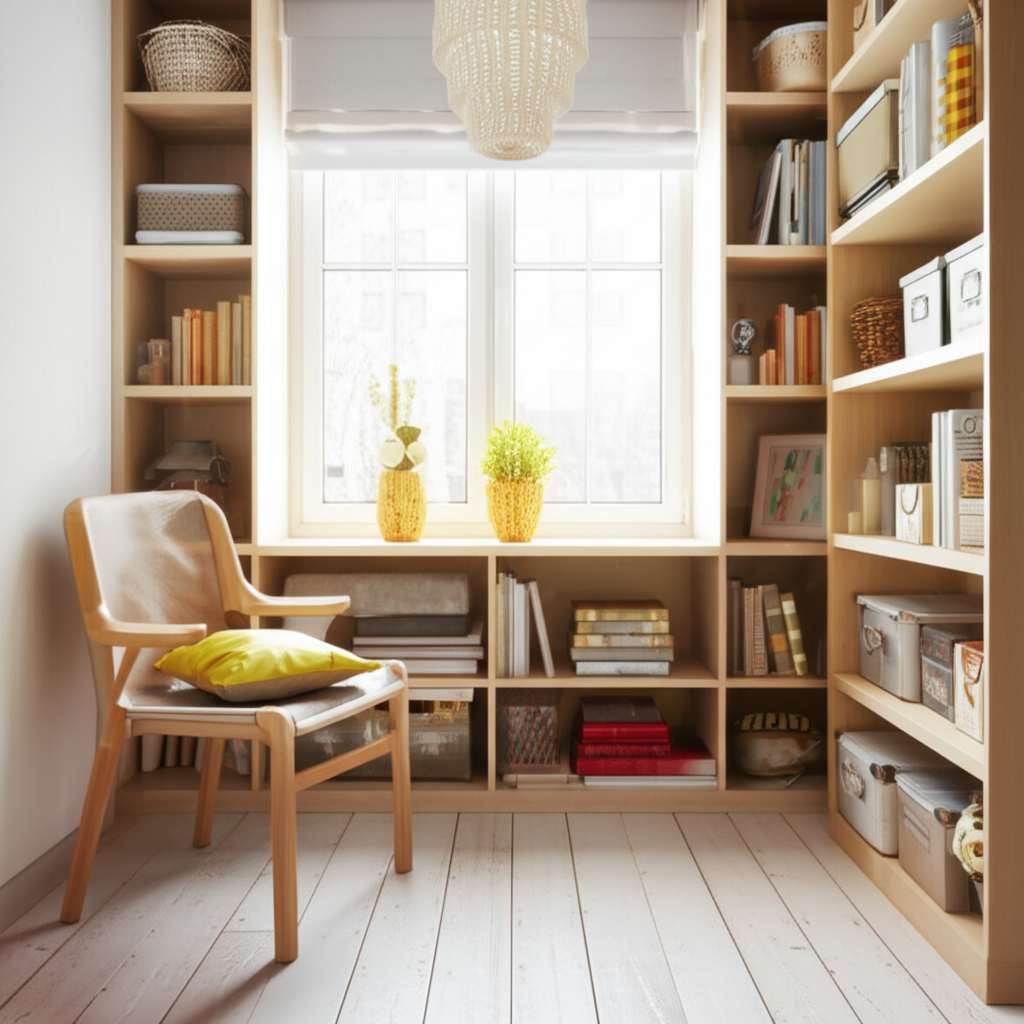
Struggling with a small room? Brilliant space solutions are totally achievable! This guide offers clever room design ideas for small rooms, focusing on smart furniture, multi-functional pieces, and visual tricks to make your space feel bigger, brighter, and more stylish. Get ready to transform your cozy corner into a functional and fabulous haven!
Does your room feel a little… cramped? You’re not alone! Many of us dream of spacious interiors, but reality often means making the most of a smaller footprint. It can feel frustrating when your beautiful decor ideas seem to bump into each other, or when you just can’t seem to fit everything you need.
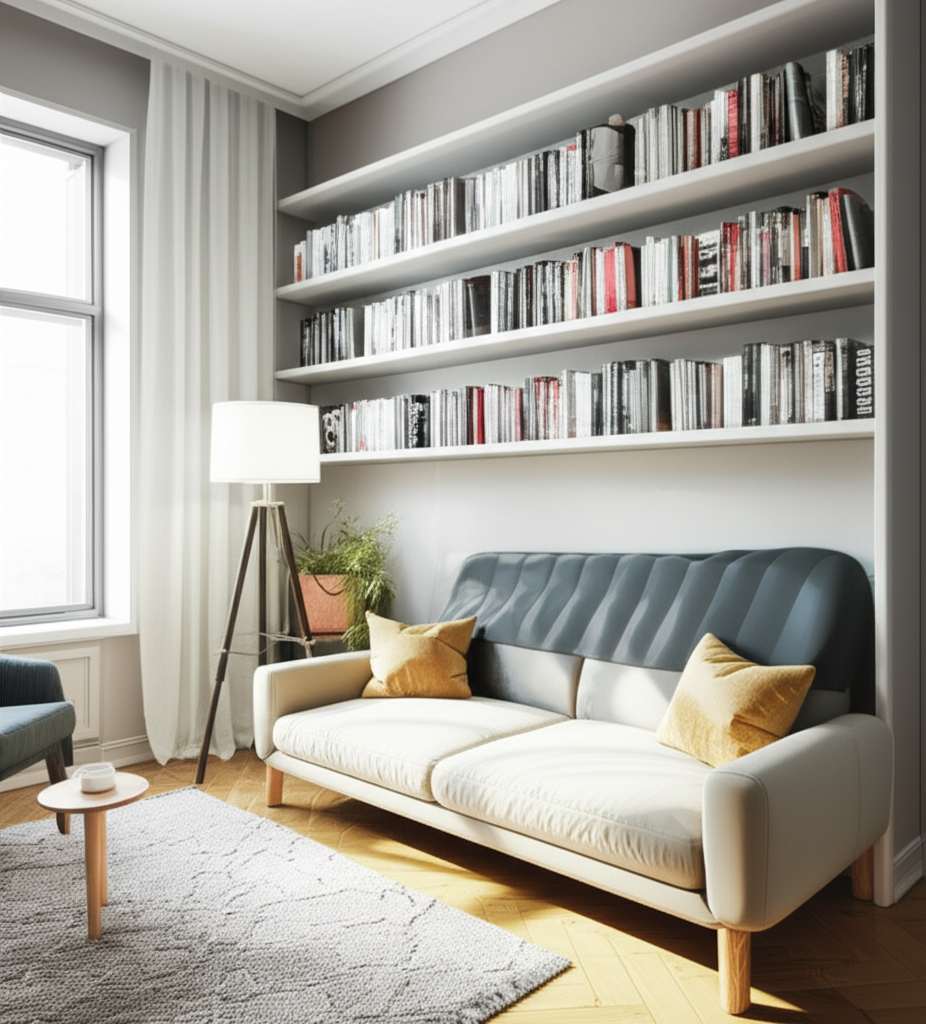
But don’t worry! Designing a small room doesn’t mean sacrificing style or comfort. It’s all about working with what you have and employing some clever tricks.
This guide is packed with easy-to-follow, beginner-friendly room design ideas for small rooms. We’ll explore practical solutions and inspiring tips to help you maximize every inch of your space. Get ready to discover how to make your small room feel wonderfully expansive!
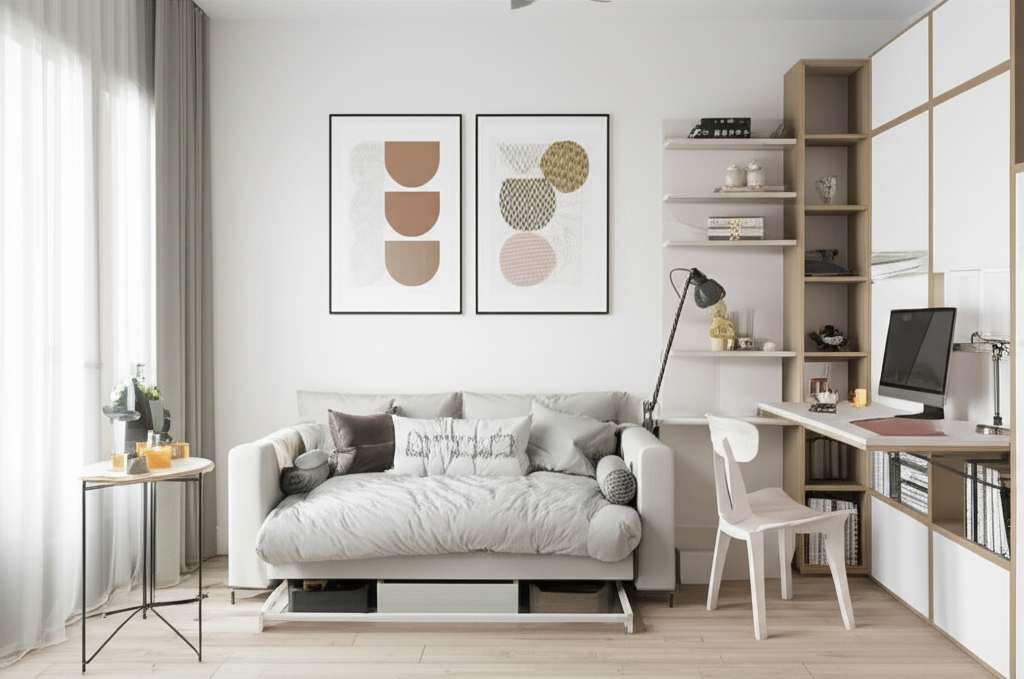
Mastering Small Room Design: Your Step-by-Step Guide
Designing a small room can feel like a puzzle, but with the right approach, you can create a space that feels open, organized, and perfectly you. Let’s break down the process into simple, actionable steps.
Step 1: Assess Your Needs and Prioritize
Before you buy a single piece of furniture, take a good look at your room and think about how you use it. What are the absolute must-haves? What functions does the room need to serve? Is it a bedroom, a home office, a living area, or a combination?
Understanding your primary needs will help you make smart choices. For example, if your small room needs to double as a workspace, a comfortable desk and good lighting will be top priorities. If it’s primarily a relaxation zone, focus on a cozy seating area and calming decor.
Step 2: Embrace Light and Color
Light and color are your best friends when it comes to making a small room feel larger. Light colors reflect light, making walls appear to recede and creating a sense of openness. Think whites, creams, soft grays, pastels, and light blues.
Consider painting your walls a light, neutral color. You can add pops of color with accessories like cushions, throws, or artwork. Another trick is to paint the ceiling a slightly lighter shade than the walls, or even a soft white, to draw the eye upward and create an illusion of height.
Natural light is also crucial. Keep window treatments simple and light. Sheer curtains or blinds that can be easily opened fully will allow maximum sunlight to enter the room. Avoid heavy, dark drapes that can make a space feel closed off.
Step 3: Choose Furniture Wisely: Size and Scale Matter
This is where many beginners get stuck. It’s tempting to fill a small room with lots of small furniture, but this can actually make it feel cluttered. Instead, opt for a few well-chosen, appropriately scaled pieces.
Look for furniture with clean lines and a slim profile. Avoid bulky, overstuffed items. Furniture with legs, like sofas and chairs, can make the room feel more open because you can see the floor underneath. This visual continuity creates an illusion of more space.
Multi-Functional Furniture is Your Secret Weapon
In a small room, every piece of furniture should ideally serve more than one purpose. This is key to maximizing your square footage without feeling overwhelmed by clutter.
- Ottomans with Storage: Perfect for stashing blankets, books, or remotes. They can also double as extra seating or a coffee table (with a tray on top).
- Sofa Beds or Daybeds: Ideal for guest rooms or studios, offering a comfortable seating area by day and a bed by night.
- Nesting Tables: These can be stacked away when not in use or spread out to provide surface area when needed.
- Wall-Mounted Desks or Shelves: Free up floor space by bringing storage and work surfaces up the wall.
- Storage Benches: Great for entryways or at the foot of a bed, providing seating and hidden storage.
Step 4: Smart Storage Solutions: Declutter and Organize
Clutter is the enemy of small spaces. Implementing smart storage solutions is non-negotiable for making a small room functional and visually appealing. Think vertically!
Utilize wall space for storage. Tall, narrow bookshelves can hold a surprising amount of items without taking up much floor space. Floating shelves are excellent for displaying decor or storing frequently used items, keeping surfaces clear.
Consider built-in storage if possible, or look for furniture that incorporates storage, like beds with drawers underneath or coffee tables with hidden compartments. Don’t forget corners! Corner shelves or cabinets can make use of often-underutilized space.
Organize what you have with bins, baskets, and drawer dividers. This keeps things tidy and easy to find, preventing that feeling of chaos that can overwhelm a small room.
Step 5: Create Zones for Different Activities
Even in a small room, you can define different areas for different activities. This makes the space feel more organized and functional, preventing it from feeling like one big jumbled mess.
Use rugs to visually separate areas. A rug under a seating area can define the living space, while another in a corner can designate a reading nook. Furniture placement can also help. Position a sofa to act as a divider between a living area and a dining or sleeping area.
Consider using screens or open shelving units to create subtle divisions without completely blocking light or sightlines. This helps maintain the feeling of openness while still providing definition.
Step 6: Tricks to Enhance the Illusion of Space
Beyond furniture and color, several visual tricks can make your small room feel significantly larger. These are simple but incredibly effective.
- Mirrors, Mirrors Everywhere: Strategically placed mirrors can bounce light around the room and create the illusion of depth. A large mirror opposite a window is particularly effective.
- Vertical Lines: Use elements that draw the eye upward, such as tall lamps, floor-to-ceiling curtains, or vertical striped wallpaper on one accent wall.
- Clear or Mirrored Furniture: Acrylic or glass furniture, like a coffee table or desk, can almost disappear, making the room feel less crowded. Mirrored furniture can also add a touch of glam while enhancing light.
- Keep it Tidy: A clean, clutter-free space always feels bigger. Regularly declutter and put things away.
- Wall-Mounted Everything: Wall-mounted TVs, shelves, and even bedside tables free up precious floor space.
Room Design Ideas Small Room: Furniture & Layout Hacks
Let’s dive into some specific furniture and layout ideas that are perfect for small spaces. These hacks are designed to be practical and stylish, ensuring your room feels both functional and inviting.
The Power of a Loveseat or Compact Sofa
In a living area, a full-sized sofa can dominate the room. Instead, consider a loveseat or a sofa with a slimmer profile. Look for designs with clean lines and raised legs to maintain a sense of airiness.
Pro Tip: A sofa that’s deep enough to comfortably sit on but not so deep that it encroaches on walking space is ideal. Measure your room carefully before buying!
Multipurpose Coffee Tables
Your coffee table can do more than just hold magazines. Opt for one with storage drawers or a lift-top that can double as a desk or dining surface. Alternatively, a set of nesting tables offers flexibility – use them all when you need the space, or tuck them away when you don’t.
Here’s a quick look at some versatile coffee table options:
| Type of Coffee Table | Benefits for Small Rooms | Best For |
|---|---|---|
| Storage Ottoman | Hidden storage, extra seating, footrest, can act as a table with a tray. | Living rooms, dens, bedrooms. |
| Lift-Top Coffee Table | Converts to a workspace or dining surface, often with internal storage. | Studio apartments, multi-use living rooms. |
| Nesting Tables | Flexible surface area, can be stored away compactly. | Living rooms, small dining areas, alongside chairs. |
| Glass or Acrylic Coffee Table | Visually light, creates an illusion of more space. | Any small room where you want to maintain an open feel. |
Vertical Bed Storage
If your bedroom is tiny, a bed with built-in drawers or a platform bed designed for under-bed storage can be a game-changer. This is a fantastic way to store linens, out-of-season clothing, or extra blankets without sacrificing valuable closet space.
For a more budget-friendly option, simply use attractive storage bins or boxes that slide neatly under a standard bed frame. Elevating your bed slightly with risers can also create space for these bins.
Wall-Mounted Everything
Think up! Wall-mounted shelves, bedside tables, and even entertainment units can free up floor space and make your room feel significantly larger and more organized. This is especially effective for creating a functional workspace without a bulky desk.
Consider a floating desk that folds up when not in use. For a media center, a wall-mounted TV with a sleek, floating media console underneath keeps the area looking clean and uncluttered.
The Right Rug Placement
Rugs can anchor a space and define zones, but in a small room, placement is key. Avoid a rug that’s too small, as it can make the room feel even smaller. Ideally, a rug should be large enough for at least the front legs of your main furniture pieces (like a sofa and coffee table) to rest on it.
This creates a cohesive seating area and prevents the room from feeling choppy. If you’re using multiple rugs to define zones, ensure they complement each other in color and style.
Sliding Doors or Pocket Doors
If you have the option, consider replacing traditional swinging doors with sliding doors or pocket doors. These don’t require any swing space, which can be a significant advantage in a small room, allowing you to place furniture closer to doorways.
For more information on door types and their space-saving benefits, you can explore resources from architectural and home improvement organizations. For example, the National Park Service’s Architecture section provides insights into historical and functional interior design elements, which can indirectly inform modern space-saving choices.
Small Room Decorating Ideas: Style & Illusion
Now that we’ve covered the functional aspects, let’s talk about making your small room look and feel amazing. These decorating ideas focus on creating visual interest and the illusion of more space.
The Magic of Mirrors
Mirrors are a small room’s best friend. They reflect light, making the room feel brighter and larger. They also create the illusion of depth, making walls seem to disappear.
- Large Statement Mirror: Place a large mirror above a sofa, fireplace, or console table to create a focal point and instantly expand the space.
- Gallery Wall of Mirrors: A collection of smaller mirrors can also be effective, especially if they are of varying shapes and sizes.
- Mirrored Furniture: A mirrored dresser or side table can add a touch of glamour while also contributing to the illusion of space.
Consider placing a mirror directly opposite a window. This will reflect the natural light and the view outside, effectively doubling the perceived light and visual space.
Strategic Use of Color and Texture
While light colors are generally best for small spaces, don’t be afraid of color. You can introduce bold hues through accents.
- Accent Wall: Paint one wall a deeper or brighter color to add personality without overwhelming the room.
- Textiles: Use throw pillows, blankets, and curtains in vibrant colors or interesting textures to add depth and warmth.
- Artwork: A well-chosen piece of art can be a great way to introduce color and a focal point.
Texture adds richness and interest. Think about incorporating different materials like soft throws, woven baskets, a plush rug, or a wooden accent piece. This layering makes a small room feel cozy and inviting, rather than stark.
Lighting is Key
Good lighting can transform a small room. Relying solely on overhead lighting can create shadows and make a space feel smaller. Layer your lighting for a warm and inviting atmosphere.
- Ambient Lighting: This is your general lighting, usually from a ceiling fixture. Opt for a stylish flush mount or semi-flush mount light that doesn’t hang too low.
- Task Lighting: This includes lamps for reading or working. Floor lamps and desk lamps are excellent choices.
- Accent Lighting: Use small lamps on side tables or wall sconces to highlight specific areas or artwork.
Consider wall-mounted sconces or slim floor lamps to save on table or floor space. Dimmers are also a great addition, allowing you to adjust the mood of the room.
Window Treatments: Keep it Light and Airy
As mentioned earlier, light and airy window treatments are essential. Sheer curtains, light-colored blinds (like cellular or roller blinds), or Roman shades in a neutral fabric will maximize natural light and give the impression of larger windows.
Hang curtain rods higher and wider than the actual window frame. This technique can make your windows appear larger and ceilings taller, drawing the eye upward.
Decluttering and Organization – The Ultimate Decor Trick
The most stylish small room is a tidy one. Regularly decluttering and having designated homes for everything is the most impactful decorating trick you can employ. A minimalist approach often works best.
Invest in attractive storage solutions that blend with your decor, like decorative baskets, stylish boxes, or furniture with built-in storage. Keeping surfaces clear will make the room feel much more spacious and serene.
Room Design Ideas Small Room: Specific Examples
Let’s look at how these ideas can be applied to specific types of small rooms.
Small Living Room Ideas
Focus on a compact sofa or loveseat, a multi-functional coffee table, and smart storage solutions like floating shelves or a slim console table.
- Layout: Arrange furniture to create a clear walkway. Don’t push everything against the walls; sometimes pulling furniture slightly away can create a more intimate feel.
- Color: Use light, neutral colors on walls and larger furniture pieces. Add personality with colorful throw pillows or artwork.
- Mirrors: A large mirror above the sofa or on a prominent wall is a must.
Small Bedroom Ideas
Prioritize a comfortable bed with under-bed storage. Wall-mounted bedside tables or slim consoles can save space. Maximize vertical space with tall dressers or wardrobes.
- Bed: Opt for a bed frame with built-in drawers or one that allows for storage bins underneath.
- Nightstands: Consider floating shelves or small wall-mounted units instead of traditional nightstands.
- Lighting: Wall sconces can provide bedside lighting without taking up surface space.
- Mirrors: A full-length mirror on a closet door or wall can make the room feel larger.
Small Home Office Ideas
A compact, wall-mounted desk is ideal. Utilize vertical space for shelving and storage. Ensure good lighting and a comfortable, ergonomic chair.
- Desk: A folding wall-mounted desk or a slim writing desk will save valuable floor space.
- Storage: Tall, narrow bookshelves or wall-mounted cabinets keep supplies organized and out of sight.
- Chair: Choose a chair that is comfortable but not overly bulky.
Small Dining Area Ideas
If you have a small dining nook, consider a round table, which can be more space-efficient and easier to navigate around than a rectangular one. A banquette with built-in storage can also be a brilliant solution.
- Table: A round or pedestal table often fits better in tight spaces.
- Seating: Consider bench seating against a wall, especially if it has storage.
- Lighting: A pendant light hung low over the table can define the dining zone.
Frequently Asked Questions (FAQ)
Q1: How can I make a small room feel bigger?
A1: Use light paint colors on walls and ceilings, incorporate large mirrors, choose furniture with legs that allow you to see the floor underneath, and keep the space decluttered. Maximizing natural light is also crucial.
Q2: What kind of furniture should I avoid in a small room?
A2: Avoid bulky, oversized furniture, dark or heavy pieces, and furniture with solid bases that block the floor. Overly ornate or heavily patterned furniture can also make a small room feel busy and cramped.
Q3: Is it okay to use dark colors in a small room?
A3: Yes, but use them strategically. A dark accent wall can add depth and drama. However, it’s best to keep the majority of the room in lighter, brighter tones to maintain a sense of spaciousness.
Q4: How can I maximize storage in a tiny room?
A4: Think vertically! Use tall bookshelves, wall-mounted shelves, and storage units that go up to the ceiling. Furniture with built-in storage, like ottomans or beds with drawers, is also very effective.
Q5: Should I use a rug in a small room?
A5: Yes, a rug can help define a space and make it feel more cohesive. Choose a rug that is appropriately sized for the area you want to anchor, ideally large enough for the front legs of your furniture to rest on it.
Q6: What is the best layout for a small room?
A6: There’s no single “best” layout, as it depends on the room’s shape and your needs. Generally, arrange furniture to create clear pathways and define different zones. Consider pulling furniture slightly away from walls to create a more intimate and intentional feel.
Q7: How can I make a small room feel cozy and not sterile?
A7: Incorporate different textures through soft throws, plush rugs, and woven baskets. Add personal touches with artwork and plants. Layering lighting with ambient, task, and accent lights will create a warm and inviting atmosphere.
Conclusion
Designing a small room doesn’t have to be a challenge; it can be an exciting opportunity to get creative and make your space truly shine. By focusing on smart furniture choices, clever storage solutions, and strategic decorating techniques, you can transform even the tiniest of rooms into functional, stylish, and inviting havens.
Remember, the key is to work with your space, not against it. Embrace light colors, utilize vertical space, and choose multi-functional pieces that serve your needs without overwhelming the room. Don’t underestimate the power of mirrors, well-placed lighting, and a good decluttering session – these simple tricks can make a world of difference.
With these room design ideas for small rooms, you have the tools to create a space that feels bigger, brighter, and more comfortable than you ever thought possible. Happy decorating!