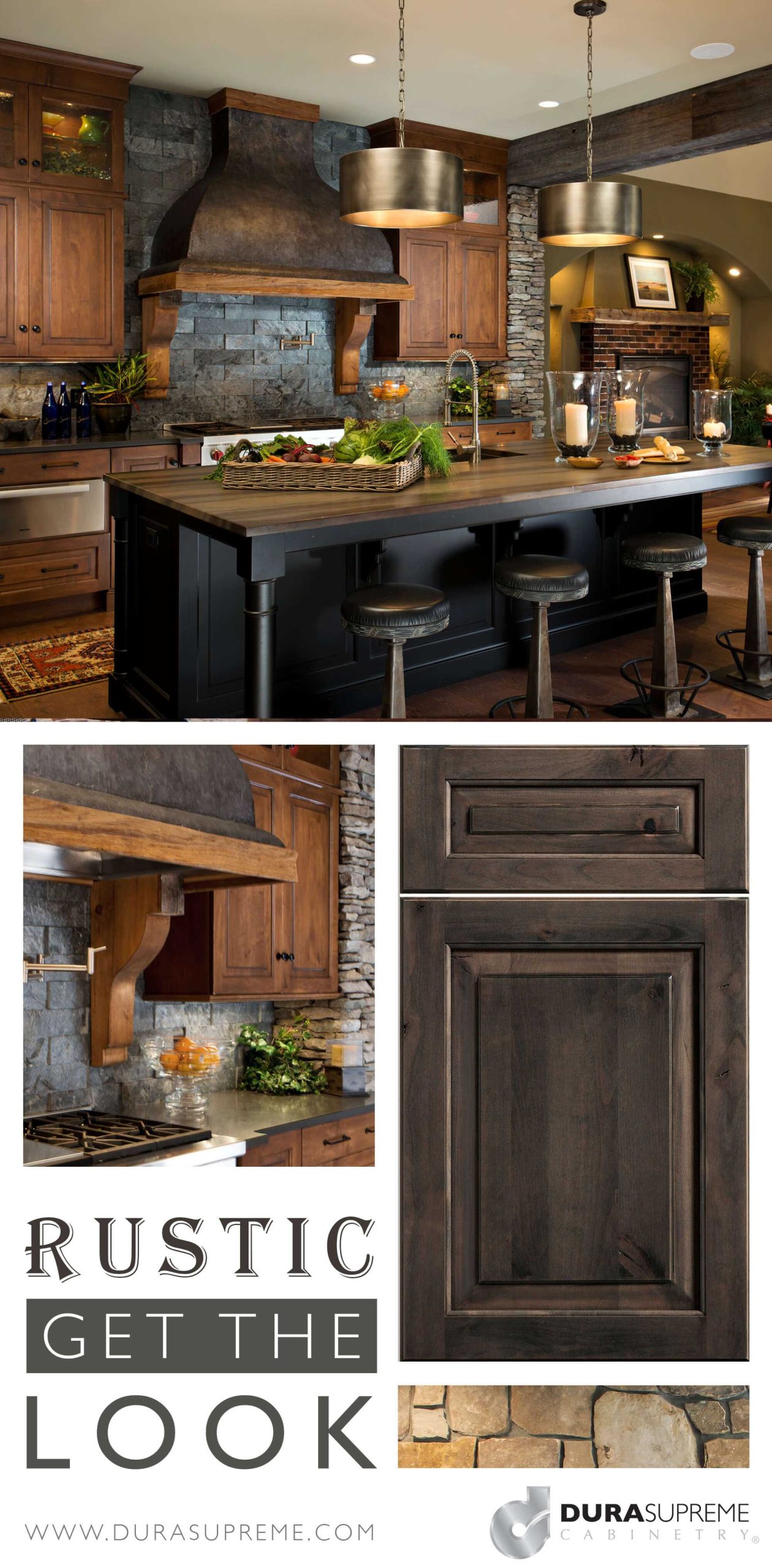
Looking to infuse your kitchen with warmth and charm while keeping a sleek, understated look? Rustic kitchens with neutral palettes perfectly blend cozy country vibes with modern elegance, creating a timeless space that feels inviting and sophisticated. The key lies in choosing soft, earthy tones like beiges, taupes, and greys, complemented by natural textures such as wood and stone. These elements work together to craft a warm, serene environment that’s both stylish and practical. Whether you’re designing from scratch or giving your current kitchen a facelift, embracing neutral shades with rustic accents offers endless possibilities to achieve a cozy yet refined ambiance that you’ll love spending time in. This approach enhances the rustic charm without overwhelming the senses, resulting in a balanced and tranquil kitchen space.

Rustic Kitchen Ideas with Neutral Palettes
Creating a Warm and Inviting Atmosphere
A rustic kitchen with a neutral palette offers a welcoming vibe that feels both cozy and calming. Soft shades like beige, taupe, and warm gray set the tone for a space that invites family and friends to gather. These colors help create a seamless background that highlights natural textures and materials used in rustic design.
Choosing the Right Color Scheme
Neutral colors form the foundation of a rustic kitchen. Opt for shades like creamy whites, sandy beiges, or muted browns for walls and cabinets. These hues create a harmonious backdrop for wood accents, vintage accessories, and metal finishes. Use contrast selectively to add interest and depth to the overall look.
Balance Light and Dark Tones
Combine lighter neutrals with darker accents to add visual interest. For example, pair a soft beige wall with dark wood countertops or black fixtures. This contrast enhances the rustic feel while maintaining a clean and sophisticated appearance.
Materials and Textures for Rustic Charm
Textures play a vital role in rustic kitchen design with neutral palettes. Incorporate natural materials such as reclaimed wood for cabinets, open shelving, or flooring. Stone backsplashes or countertops add rugged authenticity. These textures create a tactile experience that emphasizes the rustic aesthetic.
Wood Elements
Reclaimed wood cabinets or beams add warmth and character. Opt for weathered finishes or natural grains to keep the look authentic. Wooden accents complement neutral colors and highlight the rustic charm.
Stone and Brick Surfaces
Stone walls, granite countertops, or brick backsplashes contribute to the rugged aesthetic. Choose neutral-toned stones like limestone or travertine for a subtle look that blends well with the overall palette.
Cabinet and Storage Ideas
In rustic kitchens, cabinets often feature simple designs and natural finishes. Use distressed or matte paints in soft neutral shades for a vintage look. Open shelving made from reclaimed wood displays rustic dishes and complements the neutral palette.
Maximizing Storage and Functionality
Install spacious cabinets with minimal ornamentation for practical storage. Incorporate baskets or vintage tins for organizing small items. Keep countertops clear of clutter to highlight the natural textures and materials.
Lighting to Enhance the Rustic Neutral Look
Good lighting enhances the natural beauty of a rustic kitchen. Use warm white LED lights, vintage-style filament bulbs, or wrought iron fixtures to add warmth. Layered lighting, including pendant lights and under-cabinet lighting, improves usability and ambiance.
Natural Light
Maximize daylight with large windows or glass doors. Use neutral-colored curtains or blinds to maintain the soft, rustic palette. Natural light highlights textures and makes the space feel open.
Decorative Elements and Accessories
Decorate with items that reflect rustic charm while maintaining a neutral palette. Incorporate vintage pottery, woven baskets, or iron accents. Choose accessories in shades like cream, taupe, or muted metallics for a cohesive look.
Vintage and Repurposed Items
Use old rolling pins, mason jars, or rustic signs as decorative pieces. These elements add authenticity and a personal touch to the space. Avoid overly colorful accents to keep the focus on the neutral tones.
Flooring Options for a Rustic Kitchen
Choose flooring that balances durability with rustic appeal. Options include wide-plank hardwood, stone tiles, or distressed wood-look vinyl. Stick to neutral shades like natural wood tones or grayish stones to complete the look.
Maintenance and Practicality
Select flooring materials that are easy to clean and withstand kitchen wear and tear. Textured surfaces hide minor scratches or dirt, maintaining a rustic charm over time.
Incorporating Plants and Greenery
Add fresh or dried herbs in neutral-colored pots to bring in a touch of nature. Small potted plants or hanging greenery in clay or metal containers enhance the rustic aesthetic without overpowering the neutral palette.
Mini Gardens and Herb Displays
Create small herb gardens on windowsills or open shelves. Use neutral planters to keep the look cohesive. These add liveliness and functional decor to the rustic kitchen.
Final Tips for Achieving a Rustic Kitchen with Neutral Palettes
Focus on simplicity and natural materials to maintain the rustic charm. Choose a cohesive color palette of neutrals for walls, cabinetry, and accessories. Use textures and finishes that feel authentic and inviting. Remember, less is often more in rustic design, so select carefully and keep clutter minimal. Balancing old and new elements creates a timeless, comfortable space that feels like a true home.
Modern Farmhouse Kitchen Ideas for Your Apartment – Neutral Palettes and Rustic Accents #apartment
Frequently Asked Questions
How can I incorporate rustic elements into a neutral-toned kitchen?
To add rustic charm to a neutral-toned kitchen, include natural materials like distressed wood cabinets, open shelving with vintage dishes, and exposed beams. Using earthy textures such as reclaimed wood or stone accents enhances the warm, inviting feel while maintaining a neutral palette.
What color combinations work best for creating a cozy rustic kitchen?
Soft beiges, warm grays, and subtle taupes work well as a base for rustic kitchens. Pair these with accents in muted greens, deep browns, or cream to add depth. These combinations create a harmonious environment that feels both comfortable and timeless.
What lighting choices complement a rustic kitchen with neutral colors?
Opt for warm lighting options such as vintage-style Edison bulbs, pendant lights with wrought iron fixtures, or lantern-inspired sconces. These lighting choices highlight the textures and natural materials, adding warmth and charm to the space.
How can I add texture to a neutral rustic kitchen without overwhelming the space?
Incorporate textured elements like woven baskets, linen curtains, or a stone backsplash. Mixing different textures, such as matte and glossy finishes or rough and smooth surfaces, creates visual interest while keeping the overall look cohesive.
Are there specific furniture styles that suit a rustic kitchen with neutral palettes?
Choose furniture with a distressed or weathered finish, such as farmhouse tables, vintage stools, or open wooden shelves. These styles seamlessly blend with neutral tones and reinforce the rustic aesthetic effectively.
Final Thoughts
Rustic kitchen ideas with neutral palettes create cozy, inviting spaces that blend tradition with simplicity. Soft earth tones like beige, taupe, and warm gray set a calming backdrop, making the area feel open and airy. Incorporate natural materials such as wood and stone to enhance the authentic rustic vibe.
Simple accessories and vintage-inspired fixtures add character without overwhelming the space. Balancing textures and subtle contrasts keeps the design fresh yet harmonious. In summary, rustic kitchen ideas with neutral palettes provide a timeless, warm environment perfect for everyday living.