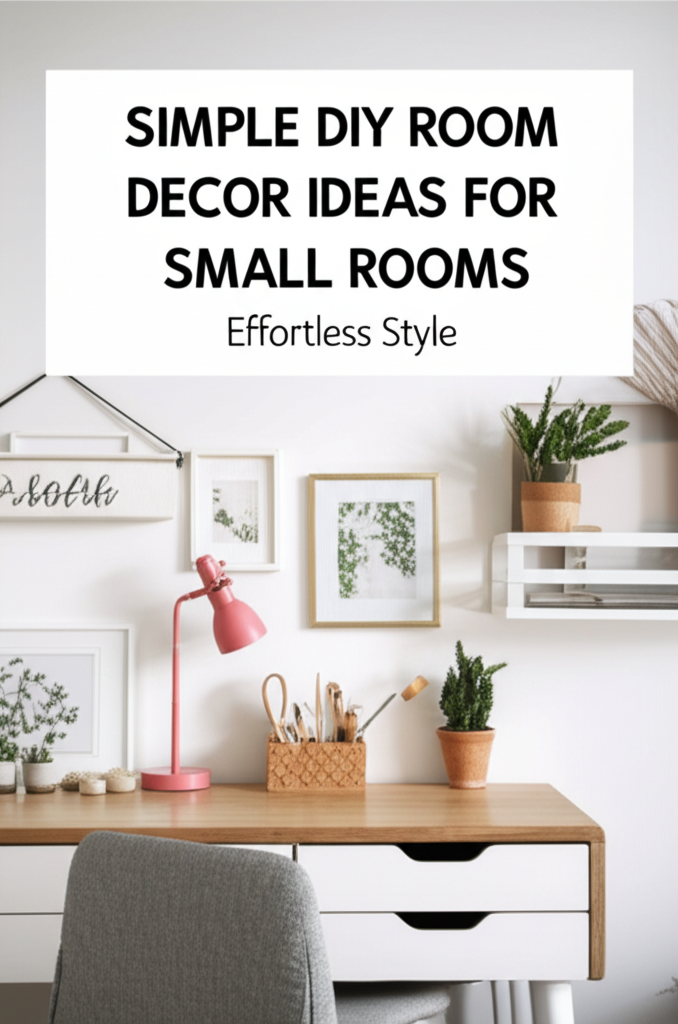
Transforming small rooms into stylish, functional spaces is achievable with simple DIY decor. This guide offers easy, budget-friendly ideas to maximize your space, add personality, and create an effortless, inviting atmosphere without feeling overwhelmed.
Feeling a bit cramped in your living space? You’re not alone! Many of us dream of beautifully decorated rooms, but when your space is on the smaller side, it can feel like a decorating challenge. It’s easy to feel discouraged when you see spacious, magazine-worthy rooms, thinking your cozy corner can’t achieve that same magic.
But guess what? Designing a stylish, functional small room is totally within your reach! It’s all about smart choices and a little bit of creativity. Forget expensive makeovers; we’re diving into simple, DIY-friendly ideas that will make your small room feel bigger, brighter, and bursting with your personal style.
Get ready to unlock the potential of your compact space. We’ll walk through easy decor hacks that are perfect for beginners, proving that great style doesn’t need a lot of square footage or a huge budget. For inspiration on maximizing tight spaces, check out our guide to cozy small kitchen ideas that prove functionality and charm can coexist beautifully.
Maximize Your Space with Smart Decor Hacks
Small rooms present a unique opportunity to get creative. The key is to make every element work harder for you, creating the illusion of more space while adding personality. Let’s explore some foundational principles and then jump into actionable DIY ideas.
The Magic of Vertical Space
When floor space is limited, looking up is your best friend! Utilizing vertical space means drawing the eye upwards, which naturally makes a room feel taller and more expansive. Think shelves, tall furniture, and wall art strategically placed.
This principle is a cornerstone of small space design. By drawing attention to the height of your room, you can trick the eye into perceiving a larger area. It’s a simple yet incredibly effective technique for making any small room feel more open and airy.
Light and Bright is Right
Colors play a huge role in how a space feels. Lighter colors reflect light, making a room appear larger and more welcoming. This doesn’t mean your room has to be stark white, but leaning towards pale blues, soft greens, creamy whites, and light grays can make a significant difference.
Maximizing natural light is also crucial. Keep window treatments simple and light. If you have to use curtains, opt for sheer fabrics or lighter colors that don’t block too much sunlight. This simple change can dramatically impact the feel of your room.
Multi-functional Furniture is Key
In a small room, furniture should serve more than one purpose whenever possible. Think ottomans with storage, sofa beds, or nesting tables. This reduces the number of individual pieces you need, freeing up valuable floor space.
Choosing pieces that can adapt to different needs is a smart strategy. For instance, a storage ottoman can be a footrest, extra seating, and a place to stash blankets or magazines. This clever approach keeps clutter at bay and maximizes utility.
DIY Decor Ideas That Make a Big Impact
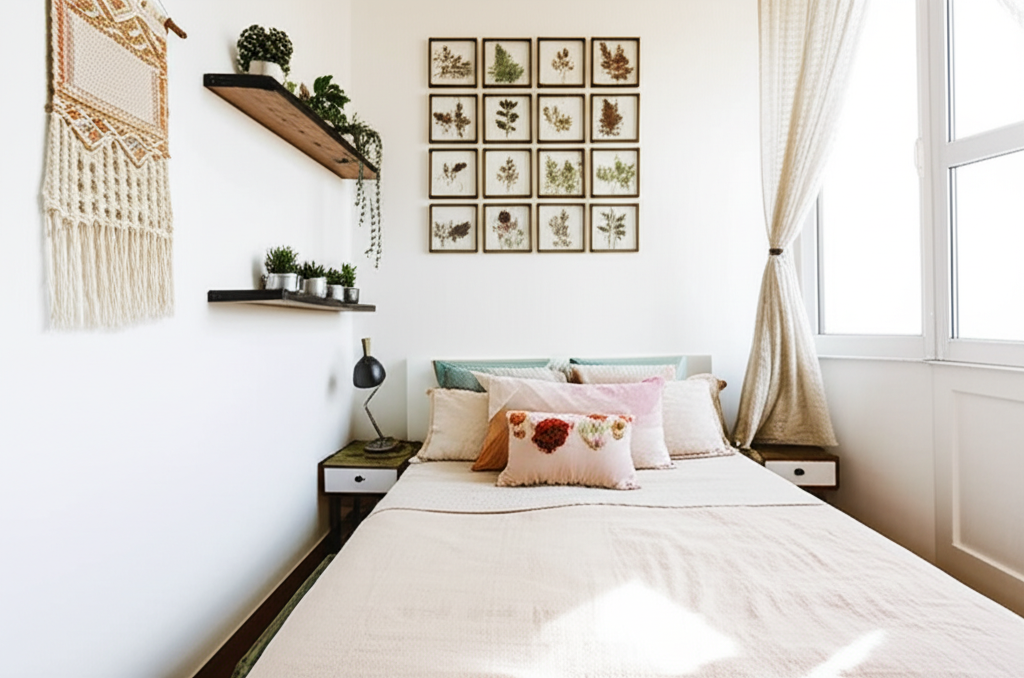
Now for the fun part! These DIY ideas are designed to be beginner-friendly, affordable, and impactful, transforming your small room without breaking the bank or your spirit.
Floating Shelves for Stylish Storage
Floating shelves are a minimalist’s dream for small spaces. They offer storage and display opportunities without the visual bulk of traditional bookshelves. You can use them for books, plants, decorative items, or even as a minimalist bedside table alternative.
Why they work: They draw the eye upwards, create a sense of openness, and provide essential storage without taking up floor space. Plus, they look super chic!
What you’ll need:
- Floating shelf kit (includes shelf and mounting brackets)
- Level
- Drill with appropriate drill bits
- Stud finder
- Pencil
- Measuring tape
Simple Steps:
- Locate Studs: Use a stud finder to locate wall studs where you want to mount your shelf. Attaching to studs provides the strongest support.
- Mark Placement: Hold the shelf bracket against the wall at your desired height and use a level to ensure it’s straight. Mark the screw hole positions with a pencil.
- Drill Pilot Holes: Drill pilot holes at your marked spots. If you’re not drilling into studs, use appropriate wall anchors.
- Attach Bracket: Securely attach the mounting bracket to the wall using screws.
- Slide in Shelf: Slide the shelf onto the bracket. Some shelves have set screws underneath to secure them further.
Style Tip: Arrange items on your shelves with varying heights and textures. Don’t overcrowd them – negative space is important for a clean look.
Mirror Magic to Expand Your Space
Mirrors are a classic small-space trick, and for good reason! They reflect light and create the illusion of depth, making a room feel significantly larger and brighter. A well-placed mirror can completely change the feel of a small room.
Why they work: Mirrors bounce light around the room, both natural and artificial, making it feel more open. They also create a visual doubling of space, which is incredibly effective.
DIY Mirror Ideas:
- Large Wall Mirror: Invest in one large mirror. You can find affordable options at home goods stores or even thrift shops. Mount it opposite a window for maximum light reflection.
- Gallery Wall with Mirrors: Mix and match smaller mirrors of different shapes and sizes to create a unique gallery wall. This adds texture and visual interest while still providing the light-reflecting benefits.
- DIY Framed Mirror: Buy a plain, inexpensive mirror and create a custom frame. You can use painted wood strips, decorative tiles, or even seashells for a beachy vibe.
Mounting Tip: Ensure mirrors are securely mounted. For larger mirrors, consider using a professional hanging kit or ensuring you’re screwing into studs. Check out This Old House for expert advice on securely hanging heavy items.
Strategic Lighting for Ambiance and Illusion
Good lighting can transform a small room from dim and dreary to bright and inviting. Layering your lighting – ambient, task, and accent – is key. In small spaces, it’s also about using light to create the illusion of more space.
Why it works: Well-placed lights can highlight architectural features, eliminate dark corners, and make a room feel more expansive. Uplighting, in particular, can make ceilings seem higher.
DIY Lighting Solutions:
- String Lights: Drape fairy lights or string lights along a wall, around a mirror, or above a headboard. They add a cozy, magical glow and draw the eye upward.
- Sconces: Wall-mounted sconces free up floor and table space. Consider plug-in options if you don’t have hardwiring, making them a great renter-friendly DIY.
- Up-lighting: Place a floor lamp behind a plant or furniture, pointing upwards. This illuminates the ceiling and makes the room feel taller.
- DIY Lampshade Makeover: Revitalize an old lampshade with fabric, paint, or ribbon.
Table of Lighting Layers:
| Lighting Layer | Purpose | DIY Ideas for Small Rooms |
|---|---|---|
| Ambient Lighting | Overall illumination for the room. | Ceiling fixture with a dimmer, strategically placed floor lamps pointing upwards. |
| Task Lighting | Focused light for specific activities (reading, working). | Adjustable desk lamp, bedside lamp with a flexible neck. |
| Accent Lighting | Highlights decorative elements or architectural features. | Picture lights, small spotlights on shelves, string lights. |
Color Blocking and Accent Walls
While light colors are generally recommended for small rooms, strategic use of color can add depth and personality. An accent wall can draw the eye to a specific area, making the room feel more dynamic.
Why it works: A well-chosen accent wall can create a focal point and give the illusion of more depth. Darker colors on a far wall can sometimes make it recede, making the room feel longer.
DIY Accent Wall Ideas:
- Paint: Choose a bold color or a sophisticated dark shade for one wall.
- Wallpaper: Use removable wallpaper for a temporary yet impactful change. Look for patterns that add dimension rather than making the space feel cluttered.
- Wood Paneling: Install simple beadboard or shiplap on a single wall for texture and visual interest.
- Color Blocking: Paint the lower half of a wall one color and the upper half another, or create geometric shapes with contrasting paints. This can visually alter the perceived proportions of the room.
Considerations: If using a dark color, ensure the rest of the room is kept light and airy to maintain the feeling of space. Balance is key!
Declutter and Organize with Style
This is perhaps the most crucial step for any small room. Clutter is the enemy of spaciousness. Implementing smart storage solutions will make a huge difference, and DIY organization can be both functional and aesthetically pleasing.
Why it works: A tidy room naturally feels larger and more peaceful. Organized storage means less visual noise, allowing the decor to shine.
DIY Organization Hacks:
- Under-Bed Storage: Use attractive bins or drawers that slide neatly under your bed. You can even DIY rolling storage boxes from wooden crates.
- Pegboards: Install a pegboard in a kitchen, craft area, or even a home office nook. Customize it with hooks, shelves, and containers for a highly adaptable storage solution. Check out Wood Magazine for tips on setting up and utilizing pegboards effectively.
- DIY Drawer Dividers: Cut cardboard or thin wood to create custom dividers for drawers, keeping smaller items neat and easy to find.
- Decorative Baskets and Bins: Use stylish baskets to corral items like blankets, remotes, or magazines. They add texture and color while hiding clutter.
- Vertical File Organizers: Mount magazine holders or file organizers on the wall to store mail, papers, or even kitchen utensils vertically.
Bring in Plants for Life and Color
Plants breathe life into any space, and small rooms are no exception. They add color, texture, and a natural element that can make a room feel more vibrant and inviting.
Why they work: Plants add a splash of natural color and life. Hanging plants or those on tall stands can also help utilize vertical space.
Small-Space Plant Tips:
- Hanging Planters: Suspend plants from the ceiling or wall brackets to keep surfaces clear.
- Wall-Mounted Planters: Attach planters directly to the wall for a living art display.
- Tall, Slim Plants: Opt for plants that grow upwards, like snake plants or ZZ plants, which don’t take up much horizontal space.
- Propagate Your Own: Many plants are easy to propagate from cuttings, allowing you to fill your room with greenery affordably.
Consider the light: Choose plants that suit the light conditions in your room. Low-light tolerant plants are great for dimmer spaces. For more inspiration on integrating greenery into compact areas, explore our post on kitchen plant decor ideas that maximize vertical and corner spaces.
DIY Wall Art to Personalize Your Space
Your walls are a blank canvas! Instead of leaving them bare, add personal touches with DIY art that reflects your style. This is where you can really inject personality without cluttering surfaces.
Why it works: Wall art draws the eye, adds color and interest, and makes a room feel complete. DIY art allows for unique expression and can be very budget-friendly.
Easy DIY Art Projects:
- Painted Canvas Art: Get a blank canvas and some acrylic paints. You don’t need to be an artist! Abstract splatters, simple geometric shapes, or even a single bold color can look very sophisticated.
- Pressed Flower Art: Press flowers and leaves from your garden or a park and arrange them in a frame. This adds a delicate, natural touch.
- Quote Art: Hand-letter or stencil a favorite quote onto a canvas or a piece of wood.
- Fabric Wall Hanging: Stretch a beautiful piece of fabric over a canvas frame or attach it to a dowel rod for a simple textile art piece.
- Photo Display: String up fairy lights and use mini clothespins to hang favorite photos. This is a dynamic and personal way to decorate.
Create Zones with Rugs and Furniture Placement
Even in a small room, defining different areas can make it feel more functional and organized. Use rugs to anchor furniture and visually separate spaces, like a living area from a dining nook.
Why it works: A rug can visually group furniture, making a seating area feel distinct and cohesive. Smart furniture placement can also improve flow and make the room feel less cramped.
DIY & Smart Placement Tips:
- Area Rugs: Choose a rug that’s the right size for your space. In a small room, a rug that’s too small can make the room feel even smaller. Aim for at least the front legs of your main furniture pieces to sit on the rug.
- Furniture Arrangement: Pull furniture slightly away from the walls to create a sense of airiness.
- Multi-functional Furniture Placement: Use a small console table behind a sofa as a landing strip or a narrow desk.
- Vertical Dividers: If you have a studio apartment, a tall bookshelf or a decorative screen can act as a subtle room divider.
Think About Texture and Finishes
Adding different textures can make a small room feel richer and more inviting without adding clutter. Think soft throws, woven baskets, metallic accents, and varied fabric types.
Why it works: Texture adds depth and visual interest, preventing a small space from feeling flat or boring. It engages the senses and makes the room feel more layered and cozy.
DIY Texture Ideas:
- DIY Textured Pillow Covers: Sew or no-sew pillow covers using fabrics like faux fur, chunky knits, or linen.
- Woven Elements: Incorporate woven baskets, placemats, or wall hangings.
- Metallic Accents: Spray paint old picture frames, vases, or candle holders in metallic finishes (gold, silver, copper) to add a touch of glamour and reflect light.
- DIY Macrame Plant Hangers or Wall Hangings: Learn a few basic macrame knots to create beautiful textural pieces.
Budget-Friendly and Beginner-Approved
The beauty of these DIY ideas is that they are inherently budget-friendly. Many can be done with items you already own, thrift store finds, or inexpensive craft supplies. The focus is on clever application rather than expensive materials.
Remember, the goal is effortless style. This means choosing projects that bring you joy and make your space feel more you. Don’t be afraid to experiment! If something doesn’t turn out exactly as planned, it’s a learning experience, and you can always try again or adapt.
Here’s a quick breakdown of where to find affordable supplies and inspiration:
- Thrift Stores & Flea Markets: Perfect for finding unique frames, vases, baskets, and even furniture you can upcycle.
- Craft Stores: Always have sales on paints, canvases, fabrics, and tools.
- Dollar Stores: Great for basic supplies like spray paint, small containers, and even some decorative items.
- Online Marketplaces (Facebook Marketplace, Craigslist): Excellent for finding used items at a fraction of the retail price.
- Pinterest & Instagram: Endless inspiration for DIY projects and small space styling.
Frequently Asked Questions About Small Room Decor
Q1: How can I make a small room look bigger instantly?
A: Instantly make a small room look bigger by using light paint colors, maximizing natural light, incorporating mirrors strategically, and decluttering. Floating shelves and vertical storage also help draw the eye up, creating a sense of height and space.
Q2: What colors are best for small rooms?
A: Light and neutral colors like whites, creams, soft grays, pale blues, and gentle greens are generally best as they reflect light and make a space feel more open. However, a strategically placed dark accent wall can also add depth.
Q3: Is it okay to use large furniture in a small room?
A: While it might seem counterintuitive, one or two larger, well-proportioned pieces can sometimes make a small room feel grander than many small, cluttered items. Opt for pieces with clean lines and avoid bulky designs. Multi-functional furniture is always a plus.
Q4: How do I decorate a small bedroom without making it feel cluttered?
A: Focus on smart storage solutions like under-bed bins and floating shelves. Keep your color palette light and cohesive. Use wall art and decorative lighting instead of too many surface items. Opt for streamlined furniture and keep surfaces clear.
Q5: What is the best way to hang art in a small space?
A: In small spaces, consider hanging art a little higher than you might normally to draw the eye up. A gallery wall with a mix of sizes can work, but ensure it doesn’t feel overwhelming. A single, larger piece can also make a statement without cluttering the walls.
Q6: Are curtains a good idea for small rooms?
A: Yes, but choose wisely! Opt for light, sheer fabrics in light colors that allow maximum natural light to enter. Hang curtain rods higher and wider than the window frame to make windows appear larger and the ceiling higher.
Q7: How can I add personality to a small room on a budget?
A: DIY projects are your best friend! Personalize your space with DIY wall art, painted furniture, unique pillow covers, and vibrant plants. Thrift store finds can also add character. Focus on a few key pieces that truly reflect your style.
Conclusion: Your Stylish Small Space Awaits
Decorating a small room doesn’t have to be a daunting task. By focusing on smart strategies like utilizing vertical space, embracing light colors, and incorporating multi-functional elements, you can create a space that feels both expansive and deeply personal. These simple DIY ideas are your stepping stones to transforming your compact area into a stylish sanctuary.
Remember to declutter first – it’s the most impactful step you can take! Then, experiment with floating shelves, strategic mirrors, and ambient lighting to enhance the sense of space. Don’t shy away from adding pops of color or texture through DIY art, plants, or cozy textiles. Your small room has so much potential, and with these beginner-friendly, budget-conscious ideas, you’re well on your way to achieving effortless style.
So grab your supplies, put on some music, and start creating! Your beautifully decorated, functional, and stylish small space is waiting for you. Happy decorating!