Quick Summary:
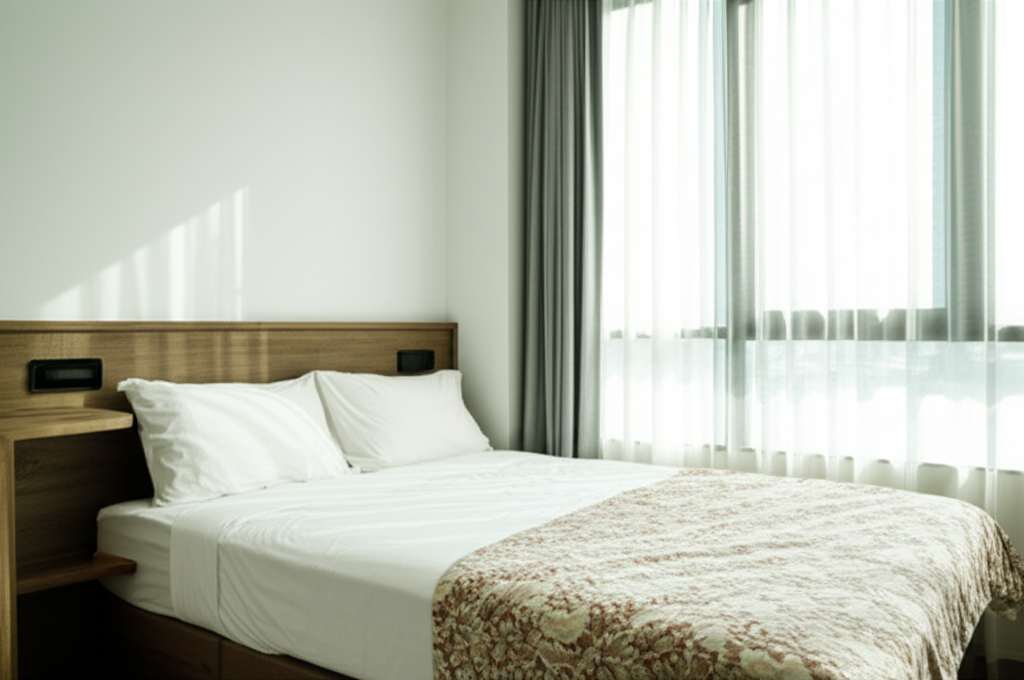
Transforming small Filipino spaces is easy with smart design! Focus on light colors, multi-functional furniture, and strategic decor. These simple, budget-friendly ideas maximize space and add style, creating a cozy, beautiful home.
Living in the Philippines often means embracing cozy spaces. Whether you’re in a bustling city apartment or a charming provincial home, small rooms can sometimes feel a bit… cramped. It’s a common challenge many of us face, feeling like our decorating dreams are limited by square footage.
But don’t worry! Making a small room feel bigger, brighter, and more stylish is totally achievable. You don’t need a huge budget or professional designer to create a stunning space you’ll love.
We’re here to share simple, practical ideas tailored for the Philippine context. Get ready to discover how to maximize your small room’s potential and bring your design vision to life!
Brighten Up with Light Colors: The Magic of “Maaliwalas”
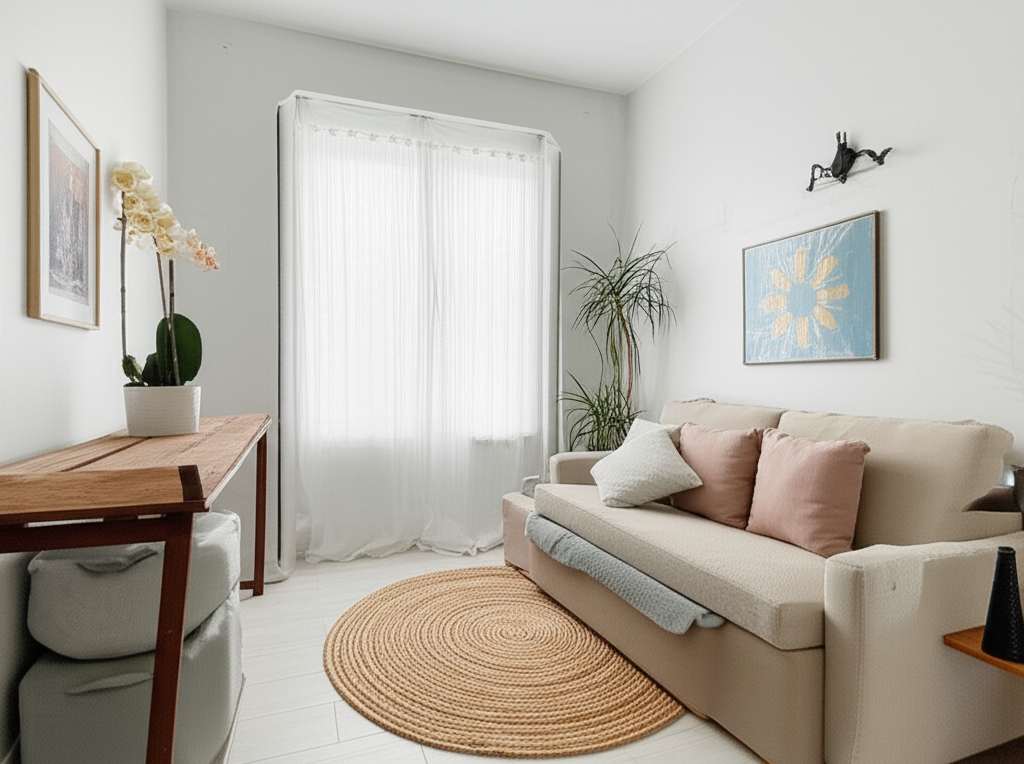
In the Philippines, we love spaces that feel open and airy, often described as “maaliwalas.” Light colors are your best friend when designing a small room because they reflect light, making the space feel larger and more inviting. Think soft whites, creamy beiges, pastels, and muted blues or greens.
These colors mimic the natural light we cherish and create a calming atmosphere. They also serve as a fantastic backdrop for your furniture and decor, allowing them to pop without overwhelming the room.
Tip: Don’t be afraid of white! It’s not boring; it’s a canvas. Consider different shades of white, like off-white, ivory, or a very light grey, to add subtle depth.
Walls and Ceilings: Your Foundation for Space
Painting your walls with a light, neutral color is the easiest way to instantly make a small room feel bigger. This is especially effective in rooms with limited natural light. A fresh coat of paint can truly transform the mood and perceived size of a space.
For ceilings, painting them a bright white or a shade lighter than your walls can create an illusion of height. This draws the eye upward, making the room feel less confined and more expansive. It’s a simple trick that makes a significant visual difference.
Flooring: Keep it Light and Consistent
Similar to walls, light-colored flooring can also contribute to a sense of openness. Consider light wood tones, pale tiles, or even a light-colored rug. If you have existing flooring, a large, light-colored rug can work wonders to unify the space and make it feel more expansive.
Maintaining a consistent flooring color throughout adjoining small spaces can also create a seamless flow, making the overall area appear larger. Avoid drastic color changes that can visually break up the room.
Smart Furniture Choices: Less is More, Multi-functional is Key
In small rooms, every piece of furniture needs to earn its keep! Choosing furniture that serves multiple purposes and fits the scale of your room is crucial. Avoid bulky, oversized pieces that can make the room feel cluttered and cramped.
Think about how you use the space and select furniture that caters to those needs without taking up unnecessary room. Smart furniture choices are the backbone of functional small space design.
Multi-functional Furniture: The Space-Saving Heroes
This is where the magic happens! Furniture that can do more than one thing is a game-changer for small rooms. Consider pieces that can be easily transformed or used in different ways.
- Sofa Beds/Daybeds: Perfect for living areas that double as guest rooms.
- Storage Ottomans: Provide extra seating, a footrest, and hidden storage for blankets, books, or magazines.
- Nesting Tables: Small tables that tuck under larger ones, offering flexibility when you need more surface area.
- Wall-Mounted Desks/Shelving: Frees up floor space and keeps essentials organized.
- Beds with Built-in Storage: Drawers or lift-up mechanisms under the mattress are invaluable for stowing away clothes or linens.
Scale Matters: Choose Proportionate Pieces
It might seem obvious, but using furniture that is too large for the room will make it feel smaller. Opt for pieces with clean lines and a visually lighter feel. Furniture with legs, for example, allows light and air to flow underneath, creating an illusion of more space.
Instead of one large, imposing armchair, consider two smaller, more streamlined chairs. This can make the seating arrangement feel more balanced and less overwhelming.
Vertical Space: Go Up, Not Out
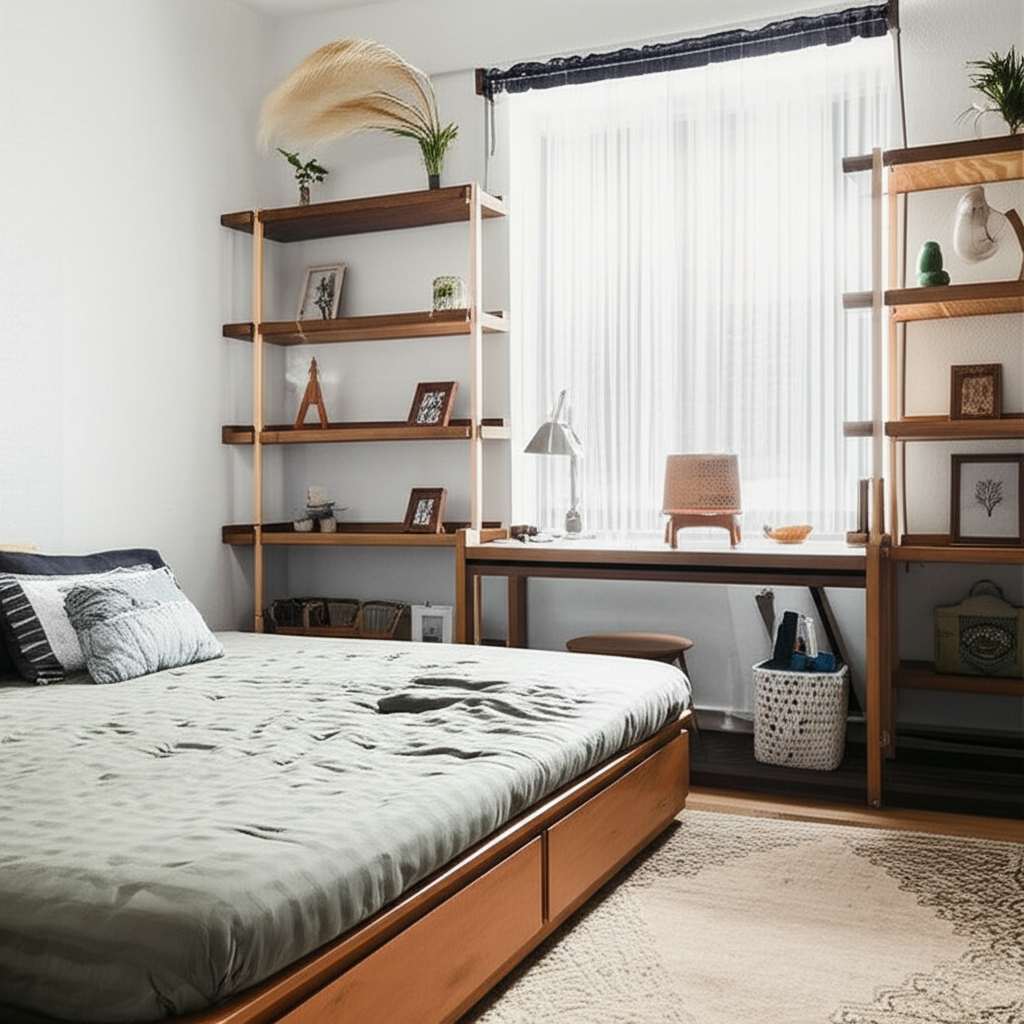
When floor space is limited, look to the walls! Utilizing vertical space is a brilliant strategy for storage and display without sacrificing precious floor area. This is particularly relevant in Filipino homes where every inch counts.
Think tall, narrow bookshelves, wall-mounted cabinets, and shelves above doorways or windows. These elements draw the eye upwards, creating a sense of height and making the room feel more spacious.
Pro Tip: Use wall-mounted shelves to display decor, books, or plants. This keeps surfaces clear and adds personality to your walls. For even more inspiration on organizing vertical spaces, check out our guide to stylish kitchen storage accessories that maximize every inch.
Clever Storage Solutions: Declutter for a Bigger Feel
Clutter is the enemy of small spaces. The more items you have lying around, the smaller and more chaotic your room will appear. Investing in smart storage solutions is essential for maintaining a tidy, spacious-looking room.
The goal is to keep surfaces clear and essentials neatly tucked away. This not only makes your room look better but also makes it more functional and peaceful.
Hidden Storage: The Art of Concealment
The best way to manage clutter is to hide it. Opt for furniture with built-in storage or use decorative boxes and baskets to contain smaller items. This keeps your room looking neat and organized.
- Storage Benches: Great for entryways or at the foot of a bed.
- Decorative Baskets: Perfect for corralling blankets, toys, or even laundry.
- Furniture with Drawers: Coffee tables, side tables, and beds can all come with handy drawers.
Organize Your Shelves
Even open shelving can be made to look tidy. Use shelf dividers, small bins, or stackable containers to keep items organized and prevent them from looking like a jumbled mess. Group similar items together for a cleaner look.
Consider the items you display. Instead of cramming shelves full, curate a few decorative items that add personality without creating visual noise. Less is often more!
Declutter Regularly
Storage solutions are only effective if you use them for things you actually need or love. Make it a habit to declutter regularly. Go through your belongings and donate or discard items you no longer use. A less-is-more approach to possessions is key for small spaces.
This practice aligns with the Filipino value of “disiplina” (discipline) in maintaining a beautiful and functional home environment. For practical tips on organizing compact areas, explore our curated list of cozy small kitchen ideas designed for Philippine homes.
Lighting: Illuminate and Enlarge
Good lighting is crucial for making any room feel welcoming and spacious. In small rooms, it’s even more important. The right lighting can banish dark corners and make your space feel airy and open.
Think about layering your lighting – ambient, task, and accent – to create depth and visual interest. Natural light is always best, but effective artificial lighting can work wonders.
Maximize Natural Light
Keep windows unobstructed as much as possible. Use sheer curtains or blinds that can be easily opened to let in maximum daylight. Light-colored window treatments also help reflect light back into the room.
Avoid heavy, dark drapes that can absorb light and make the room feel smaller and gloomier. If privacy is a concern, consider frosted window film or top-down/bottom-up blinds.
Strategic Artificial Lighting
In addition to overhead lighting, incorporate floor lamps, table lamps, and wall sconces. These add warmth and can highlight specific areas, drawing the eye around the room and making it feel larger.
Consider slim, modern fixtures that don’t take up much visual space. Wall-mounted sconces are excellent for this, providing light without occupying floor or table space.
Mirrors: The Illusion of Depth
Mirrors are a small room’s best friend. They reflect light and create the illusion of more space. Strategically placed mirrors can dramatically open up a room.
Placement Tip: Hang a large mirror opposite a window to reflect the natural light and the view, instantly doubling the perceived size of the room. A floor-length mirror leaning against a wall can also add height and depth.
Decor and Details: Adding Personality Without Clutter
Decorating a small room isn’t about filling it with knick-knacks; it’s about choosing a few impactful pieces that add personality and style. The key is to be intentional and avoid clutter.
Focus on items that are both beautiful and functional, or that hold sentimental value. Think quality over quantity.
Choose a Focal Point
Every room benefits from a focal point – something that immediately draws the eye. In a small room, this is even more important to give the space structure and interest.
This could be a piece of art, a statement rug, a unique light fixture, or even a beautifully styled bookshelf. Once you have a focal point, arrange your other decor around it.
Art and Wall Decor
Instead of scattering many small pictures, opt for one or two larger pieces of art. A single, large-scale artwork can make a bigger impact and prevent the walls from looking too busy.
Consider hanging art at eye level to draw attention to the room’s height. Floating shelves can also be used for displaying curated art or decorative items. For more creative inspiration, browse our collection of kitchen wall art ideas that transform tight spaces with style.
Textiles: Color and Comfort
Rugs, curtains, and throw pillows are excellent ways to add color, texture, and personality. In small rooms, choose textiles that complement your light color scheme.
A patterned rug can add visual interest, but ensure the pattern isn’t too overwhelming. Light-colored curtains, as mentioned, are key for maximizing light.
Plants: Bringing Life In
Plants add a touch of nature and vibrancy to any room. Choose plants that are appropriate for your light conditions and space. Hanging plants or those in tall, slim pots can be great space-savers.
For those who struggle with plant care, consider low-maintenance options like snake plants or ZZ plants, or even high-quality artificial plants.
Creating Zones in a Small Room
Even in a single small room, you can create distinct zones for different activities, making the space feel more functional and organized. This is particularly useful for studio apartments or multi-purpose rooms.
Using furniture placement, rugs, or even different paint colors can help define these areas.
Furniture Arrangement
Strategically placing furniture can naturally divide a room. For example, placing a sofa with its back to a dining area can visually separate the two zones without needing a wall.
Consider using an open bookshelf as a room divider. It provides storage and display space while still allowing light to pass through, preventing the room from feeling closed off.
Rugs as Dividers
Area rugs are a simple and effective way to define different zones. A rug under your seating area in the living room clearly marks it as a distinct space, separate from a potential workspace or sleeping area.
Ensure the rug size is appropriate for the zone it’s defining. It should be large enough to anchor the furniture within that area.
Color and Lighting for Zones
While we advocate for light colors overall, you can use slightly different shades or accent colors to subtly differentiate zones. For example, a warmer tone in a reading nook can make it feel cozier.
Similarly, using different types of lighting can help. A brighter task light over a desk, and a softer, warmer ambient light in a relaxation area.
Example Small Room Layout: A Living Area
Let’s visualize how these ideas come together in a typical small living area in the Philippines. Imagine a room measuring approximately 3m x 4m.
| Element | Recommendation for Small Room | Why it Works |
|---|---|---|
| Walls & Ceiling | Paint in a soft, light neutral (e.g., off-white, light grey). | Reflects light, making the space feel larger and brighter. |
| Flooring | Light wood laminate or a large, light-colored area rug. | Creates a sense of continuity and spaciousness. |
| Sofa | A streamlined, 2-seater sofa with visible legs. | Avoids bulkiness; legs allow light and air to pass through. |
| Coffee Table | A round or oval coffee table, or nesting tables with storage. | Round shapes are easier to navigate; storage keeps clutter hidden. |
| Seating | One or two accent chairs with slim profiles. | Adds seating without overwhelming the space. |
| Storage | Tall, narrow bookshelf or floating shelves. Storage ottoman. | Utilizes vertical space; provides hidden storage. |
| Lighting | Overhead light, a floor lamp, and a table lamp. | Layers light to create warmth and banish dark corners. |
| Decor | One large piece of art, a few decorative plants, mirror opposite window. | Adds personality without clutter; mirror enhances light and space. |
Budget-Friendly Tips for Small Space Design
Decorating a small room doesn’t have to break the bank. Many of these ideas are budget-friendly and can be implemented with a little creativity and resourcefulness.
The Philippines offers a wealth of affordable materials and skilled artisans. Embrace DIY projects and look for smart shopping strategies.
DIY Projects
Many storage solutions and decorative items can be made yourself. Painting old furniture, building simple shelves, or creating your own wall art can save money and add a personal touch.
There are many online tutorials for DIY projects, some even using recycled materials. For example, repurposing old crates for shelving or painting them a stylish color.
Secondhand Finds
Thrift stores (ukay-ukay) and online marketplaces can be treasure troves for unique and affordable furniture and decor. You might find a beautiful vintage mirror, a solid wood side table, or decorative items that add character.
Always inspect items carefully for quality and any necessary repairs before purchasing. A little elbow grease can transform a secondhand find into a stylish piece.
Focus on Impactful Changes
Prioritize changes that will make the biggest visual impact. A fresh coat of paint, a new rug, or a well-placed mirror can transform a room for relatively little cost. These are often the most effective budget-friendly upgrades.
Instead of buying many small decorative items, save up for one or two larger, more impactful pieces that will truly enhance your space.
Considering Filipino Lifestyle in Small Room Design
When designing small spaces in the Philippines, it’s important to consider our unique lifestyle and cultural preferences. We often have extended family gatherings, enjoy vibrant colors, and value functionality.
The goal is to create a space that is not only beautiful but also practical and reflects our warm, communal spirit.
Flexibility for Guests
Many Filipino homes are ready to welcome guests at a moment’s notice. Designing with flexibility in mind is key. Sofa beds, foldable furniture, and modular seating arrangements can help accommodate visitors without permanently taking up space.
Consider a dining area that can expand or a living room that can easily be reconfigured for extra seating.
Durability and Easy Maintenance
With our tropical climate and often busy households, durable and easy-to-clean materials are a smart choice. Opt for furniture and finishes that can withstand humidity and are simple to wipe down.
Fabrics that are stain-resistant and flooring that is easy to maintain will save you time and effort in the long run. This aligns with the Filipino value of “malinis at maayos” (clean and orderly).
Incorporating Local Materials and Crafts
The Philippines is rich in beautiful natural materials like bamboo, rattan, and capiz shells. These can add a touch of local charm and texture to your small space. Think rattan chairs, bamboo accents, or capiz shell decor.
These materials often have a light, airy feel that is perfect for small rooms and can be sourced affordably. Supporting local artisans also adds a meaningful touch to your home.
FAQ: Your Small Room Design Questions Answered
Q1: How can I make my small bedroom in the Philippines feel bigger?
A: Use light colors on your walls and ceiling. Maximize natural light by keeping windows clear and using sheer curtains. Opt for furniture with legs to create a sense of openness, and utilize vertical space with tall shelving.
Q2: What kind of furniture is best for a small apartment living room?
A: Choose multi-functional furniture like sofa beds and storage ottomans. Select pieces that are proportionate to the room size, with clean lines and visible legs. Avoid bulky items.
Q3: Are dark colors a complete no-no for small rooms?
A: While light colors are generally recommended, dark colors can be used strategically as accents. A dark accent wall behind a bed or sofa can add depth, but ensure the rest of the room remains light and well-lit.
Q4: How much space should I leave between furniture in a small room?
A: Aim for at least 2-3 feet (about 0.6-0.9 meters) of walking space around major furniture pieces. This ensures comfortable movement and prevents the room from feeling cluttered. In very small rooms, prioritize essential pathways.
Q5: Can I use bold patterns in a small room?
A: Yes, but use them thoughtfully. A large, bold pattern on one accent wall or a statement rug can add personality. However, avoid using too many busy patterns, which can make the room feel chaotic. Stick to one or two key patterned elements.
Q6: What is the best way to organize a small kitchen?
A: Maximize vertical space with wall-mounted shelves and pot racks. Use drawer organizers and cabinet dividers. Keep countertops as clear as possible by storing appliances and utensils away. Consider a small rolling cart for extra prep space and storage.
Q7: How do I make a small home office feel functional and stylish?
A: Opt for a wall-mounted or slim-profile desk. Use vertical shelving for storage and display. Keep your workspace organized with desk organizers and cable management solutions. A comfortable, ergonomic chair that fits the space is essential.
Conclusion: Your Beautiful, Small Space Awaits!
Designing a small room, especially in the context of a Filipino home, is all about smart choices and creative thinking. By focusing on light colors, multi-functional furniture, clever storage, and strategic lighting, you can transform even the coziest of spaces into something truly stunning and functional.
Remember, a small room doesn’t mean small style. Embrace the challenge, experiment with these ideas, and don’t be afraid to inject your personal flair. Whether you’re a student, a renter, or a homeowner, these simple tips are designed to help you create a comfortable, beautiful, and inviting home that feels much bigger than its dimensions.
Start with one small change, and watch your space blossom. Your dream home is achievable, no matter the size!